

Why Does My Cat's Litter Box Smell So Bad? The Science Behind the Stink

Why Does My Cat's Litter Box Smell So Bad? The Science Behind the Stink
Understanding the chemistry of cat litter odor is the first step to eliminating it for good. Learn why masking fails and what actually works.
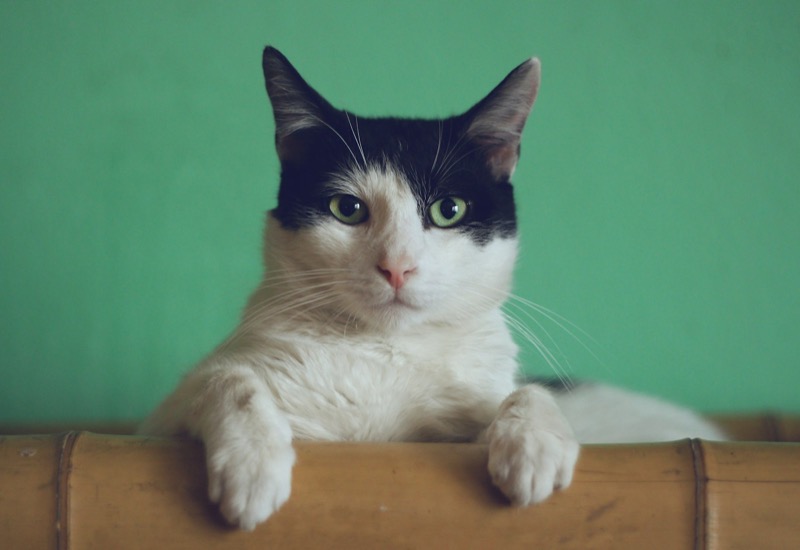
Litter box odor is one of the most common challenges cat owners face
The Chemistry of Cat Litter Odor: Why It Smells So Strong
If you've ever walked into a room and immediately known there's a litter box nearby, you're experiencing the result of some powerful chemistry. Cat litter odor isn't just unpleasant - it's a complex mixture of compounds that can permeate your entire home if left unchecked.
Understanding why cat litter smells so bad is the first step toward finding a real solution. Let's break down the science behind the stink.
The Three Main Culprits Behind Litter Box Odor
Cat waste produces three primary categories of odor-causing compounds:
Primary Odor Sources:
Why Cats Produce Such Strong-Smelling Waste
Cats evolved as desert animals, and their bodies are designed to conserve water. This means their urine is much more concentrated than other pets, which directly contributes to stronger odors. A cat's kidneys are incredibly efficient at extracting water, leaving behind highly concentrated waste.
Additionally, cats are obligate carnivores. Their protein-rich diet produces more ammonia and sulfur compounds during digestion than the diets of omnivorous animals.
Did You Know?
Cat urine can be up to five times more concentrated than human urine. This evolutionary adaptation helped wildcats survive in arid environments but creates a challenge for indoor cat owners.
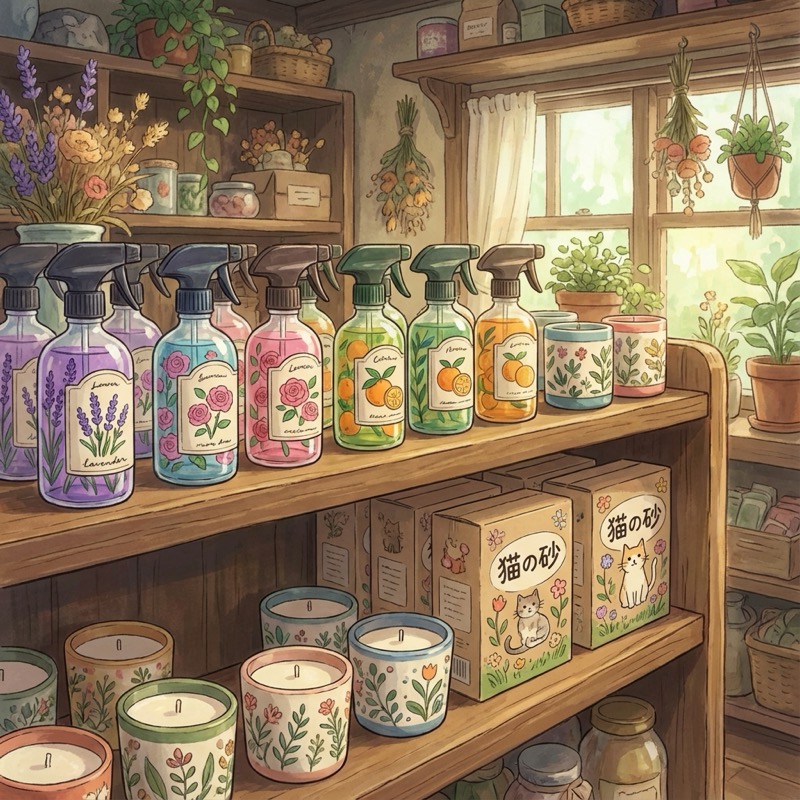
Scented products mask odors temporarily but don't eliminate them
Why Masking Doesn't Work: The Problem with Scented Solutions
When faced with litter box odor, most cat owners reach for one of these common solutions:
- Scented litter
- Air fresheners
- Scented candles
- Plug-in diffusers
- Baking soda
Here's the problem: none of these actually remove odor molecules from the air. They either add more scent on top of the smell (masking) or provide minimal, temporary absorption.
The Masking Trap
Scented products create what's known as "nose blindness" - your brain learns to ignore the combined scent, making you think the odor is gone. But it's still there, and your guests can definitely smell it.
Even worse, many cats have sensitive respiratory systems. Artificial fragrances can stress cats and even cause them to avoid the litter box entirely - leading to accidents elsewhere in your home.
Why Baking Soda Falls Short
Baking soda is often recommended as a natural deodorizer, and while it does absorb some odors, its effectiveness is limited. Baking soda works through chemical neutralization, which requires direct contact with odor molecules in a moist environment. In a litter box, where odors are constantly being released into the air, baking soda simply can't keep up.
The Limitations of Common Solutions:
- Scented litter: Masks smell, can irritate cats' respiratory systems
- Air fresheners: Add chemicals to air, don't remove odor molecules
- Baking soda: Limited absorption capacity, requires moisture to work
- Frequent changes: Expensive and time-consuming, still leaves residual odor

Activated carbon's microscopic pores trap odor molecules permanently
The Science-Backed Solution: Molecular Trapping with Activated Carbon
While masking adds more molecules to the air, molecular trapping removes odor molecules entirely. This is where activated carbon comes in - the same technology used in drinking water filters and hospital air purification systems.
How Activated Carbon Works
Activated carbon works through a process called adsorption (not absorption). When odor molecules come into contact with the carbon's surface, they become trapped in millions of microscopic pores through chemical attraction.
The Football Field Analogy
One gram of activated carbon has the surface area of a football field, filled with microscopic tunnels that trap odor molecules on contact. This massive surface area is why it's so effective at capturing even the smallest odor compounds.
Unlike baking soda, which requires moisture and direct contact, activated carbon works passively. Odor molecules in the air are drawn to the carbon's surface and permanently trapped. No chemical reactions, no residue, no added fragrances.
Why Coconut Shell Carbon is Superior
Not all activated carbon is created equal. Coconut shell activated carbon has the highest concentration of micropores, making it especially effective at trapping small odor molecules like ammonia. It's also:
- 100% natural: Made from renewable coconut shells
- Non-toxic: The same material used in drinking water filters
- Pet-friendly: No fragrances or chemicals to irritate cats
- Long-lasting: Provides 7+ days of continuous odor control
Premium activated carbon is made from renewable coconut shells
Factors That Make Litter Box Odor Worse
Several factors can intensify litter box smell:
1. Insufficient Scooping
Waste left in the box continues to break down, producing more odor compounds. Daily scooping is essential for odor control.
2. Poor Ventilation
Litter boxes in closets or small bathrooms trap odors. Covered litter boxes can also concentrate smells, even if they seem to contain them.
3. Multiple Cats
More cats means more waste - and exponentially more odor. The general rule is one litter box per cat, plus one extra.
4. Warm Temperatures
Heat accelerates bacterial growth and chemical reactions, making summer months particularly challenging for odor control.
5. Diet
High-protein diets produce more ammonia. While you shouldn't compromise your cat's nutrition, knowing this can help you plan your odor control strategy.
A Complete Strategy for Odor-Free Living
The most effective approach combines good litter box hygiene with molecular trapping technology:
The Four-Step Freshness Protocol:
- 1. Scoop daily: Remove clumps at least once per day, twice for multi-cat homes
- 2. Use activated carbon: Sprinkle on top of your existing litter - it works with any type
- 3. Ensure ventilation: Keep the litter box in a well-ventilated area
- 4. Complete change weekly: Replace all litter and wash the box every 1-2 weeks
Ready to Eliminate Litter Box Odor?
Purrify uses premium coconut shell activated carbon - the same filtration-grade material found in drinking water filters. Non-toxic, fragrance-free, and works with any litter your cat already loves.
Shop Purrify ProductsFrequently Asked Questions
Why does my cat's litter box smell even after cleaning?
Odor molecules can permeate the plastic of the litter box itself, and some remain in the litter between cleanings. Standard litters absorb liquid but don't trap gaseous odor molecules. Adding activated carbon addresses this by capturing odors at the molecular level.
Is activated carbon pet-friendly?
Yes. Activated carbon is non-toxic and fragrance-free. It's the same material used in drinking water filters and air purification systems. Unlike scented litters, it won't irritate your cat's sensitive respiratory system or cause litter box avoidance.
How often should I add activated carbon to the litter box?
For best results, add a fresh sprinkle every time you change the litter completely, or weekly if you're doing partial changes. Premium coconut shell activated carbon like Purrify provides 7+ days of odor control per application.
Can I use activated carbon with any type of litter?
Absolutely. Activated carbon works with clay, crystal, natural, and all other litter types. Simply sprinkle it on top or mix it in - it works with whatever litter your cat already loves.
Why is my cat's urine smell suddenly stronger?
Sudden changes in urine odor can indicate health issues like urinary tract infections or kidney problems. If you notice a significant change in smell, consult your veterinarian. For normal day-to-day odor management, activated carbon provides consistent, reliable control.
Conclusion
Understanding why your cat's litter box smells so bad is the first step toward solving the problem. The chemistry of cat waste - concentrated ammonia, sulfur compounds, and organic molecules - requires more than masking. It requires molecular trapping.
Activated carbon, particularly premium coconut shell carbon, offers a science-backed solution that eliminates odors rather than covering them up. Combined with regular scooping and good ventilation, it can transform your home from embarrassingly smelly to genuinely fresh.
Ready to experience the difference? Explore Purrify products and discover why cat owners are switching to filtration-grade odor control.
This article is for informational purposes. Always consult your veterinarian for specific health concerns about your cat.


