
Prefer a quick video? Watch the latest verified upload from our official YouTube channel and follow @PurrifyHQ for future product and brand updates.
Purr Purr Purrify | Song about Cat Litter Odour Control Made in Canada
Sources
Your aging cat deserves comfort and dignity. The best cat litter for senior cats is soft, low-dust, and gentle on arthritic joints, with steady odor control that does not rely on harsh fragrance.
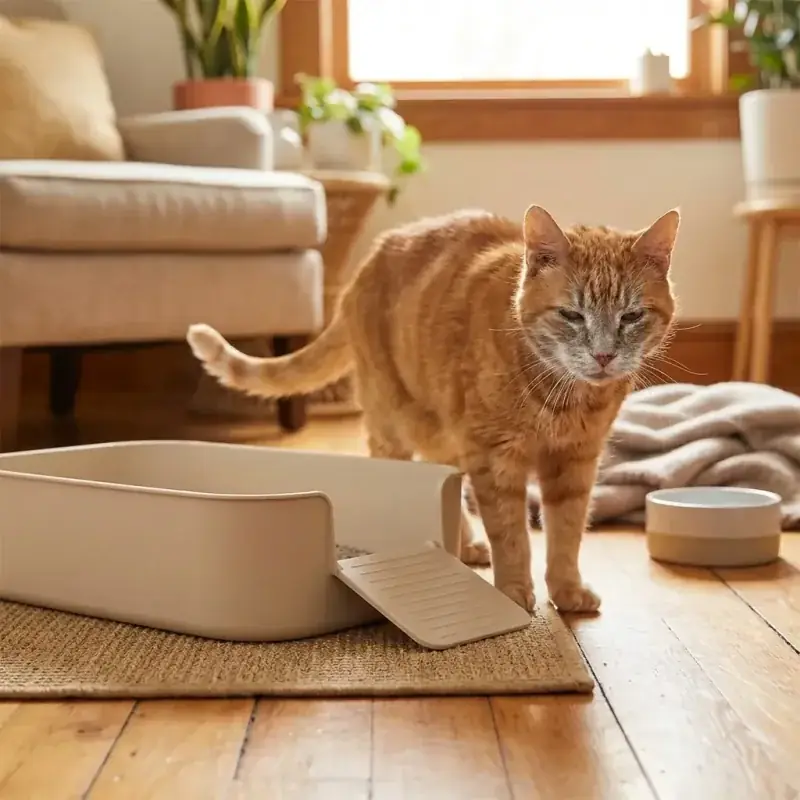
Low-sided boxes make all the difference
Purrify offers low-dust, odor-eliminating care that's gentle on aging cats. No harsh fragrances, just pure activated carbon technology.
As cats age, they develop unique needs. Arthritis makes climbing difficult, kidney disease increases urination, and respiratory sensitivities require low-dust environments.
Senior cats deserve litter solutions that accommodate these changes while maintaining their comfort and dignity.
Gentle on sensitive respiratory systems
Safe for cats with health issues
Handles increased waste from aging cats
Up to 90% of cats over age 12 have arthritis. High litter box walls become painful obstacles. Every entry and exit causes discomfort.
Chronic kidney disease affects 30-40% of senior cats, leading to increased urination and more frequent litter box visits. Odor control becomes critical.
Older cats develop increased sensitivity to dust and fragrances. Clay litter dust can trigger coughing, sneezing, and breathing difficulties.
Senior cats may forget litter box locations or become confused. Consistent placement and multiple boxes help prevent accidents.
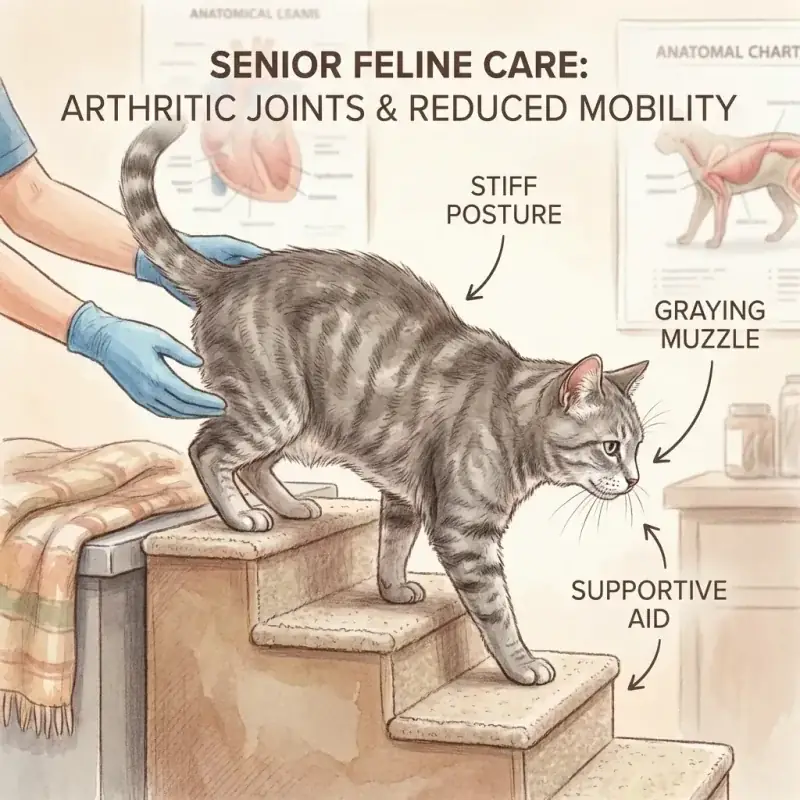
Arthritis affects how senior cats use litter boxes
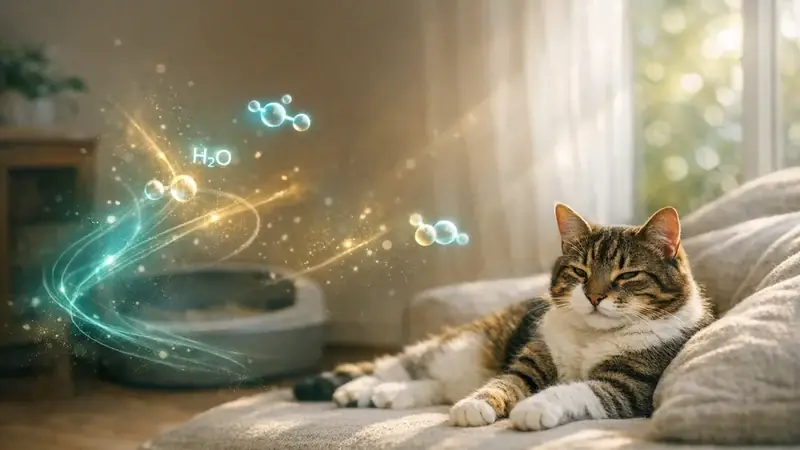
Creating a comfortable environment for your aging cat
Designed with the unique needs of aging cats in mind
Safe for cats with health conditions
Even with multiple senior cats
Gentle care for aging companions
Create an accessible, comfortable litter box solution for senior cats with arthritis and mobility issues.
Time needed: 20 minutes for setup
Select a litter box with sides no higher than 3 to 4 inches. Senior cats with arthritis struggle to step over high walls. Consider boxes made for senior cats or repurpose a large storage bin with a cutout entrance.
Pro tip: Some cat owners cut a U-shaped entrance in plastic storage bins for easier access.
Place the litter box on the main floor where your senior cat spends most of their time. Avoid stairs, basements, or areas that require jumping. Keep it near favorite resting spots but away from food and water.
Choose a soft, low-dust litter that is gentle on sensitive paws. Add Purrify activated carbon to control odors without harsh chemical fragrances that can irritate senior cats with respiratory sensitivities.
Place a textured, non-slip mat around the litter box entrance. This provides stability for cats with balance issues and catches tracked litter, making cleanup easier.
Senior cats are often more sensitive to odors and cleanliness. Scoop twice daily and replace litter more frequently. Refresh Purrify activated carbon every 2 to 3 days to maintain odor-free conditions.
As cats age, the kidneys lose their ability to concentrate urine. Healthy kidneys filter waste and return water to the body, producing small volumes of highly concentrated urine. Aging kidneys - particularly those affected by chronic kidney disease (CKD) - let more urea pass through at lower concentration, which means larger urine volumes and more substrate for ammonia-producing bacteria.
CKD affects an estimated 30-40% of cats over age 10 and a higher proportion of cats over 15. Many cases are subclinical until the disease is moderately advanced. One of the first observable signs is increased urination and water consumption. More frequent urination means the litter box receives waste deposits more often throughout the day - each deposit generating a new ammonia cycle.
Higher urea content per litter box visit, combined with more frequent visits, compounds the odor load significantly. A senior cat with CKD can produce 3-4 times the ammonia per day of a healthy adult cat. Activated carbon manages this increased load by continuously trapping ammonia molecules between each scooping, rather than allowing them to accumulate.
If odor from your senior cat's litter box has recently become noticeably stronger, it can be worth mentioning to your vet - it is a useful data point for assessing kidney function.
Arthritis affects up to 90% of cats over 12, though many cases go undiagnosed because cats hide pain instinctively. The main observable sign is reluctance to use the litter box, or accidents just outside it - the cat tried but could not get in comfortably. Small physical changes to the box setup have measurable impact.
The litter box is the most reliable daily health data point for an indoor cat. Frequency, volume, colour, and odor changes all carry diagnostic value. Activated carbon helps here in an unexpected way: by controlling baseline odor consistently, it makes unusual odor stand out more clearly.
Carbon itself does not interfere with observation - it does not colour urine or change clump structure. You can monitor litter box output accurately even with activated carbon in use.