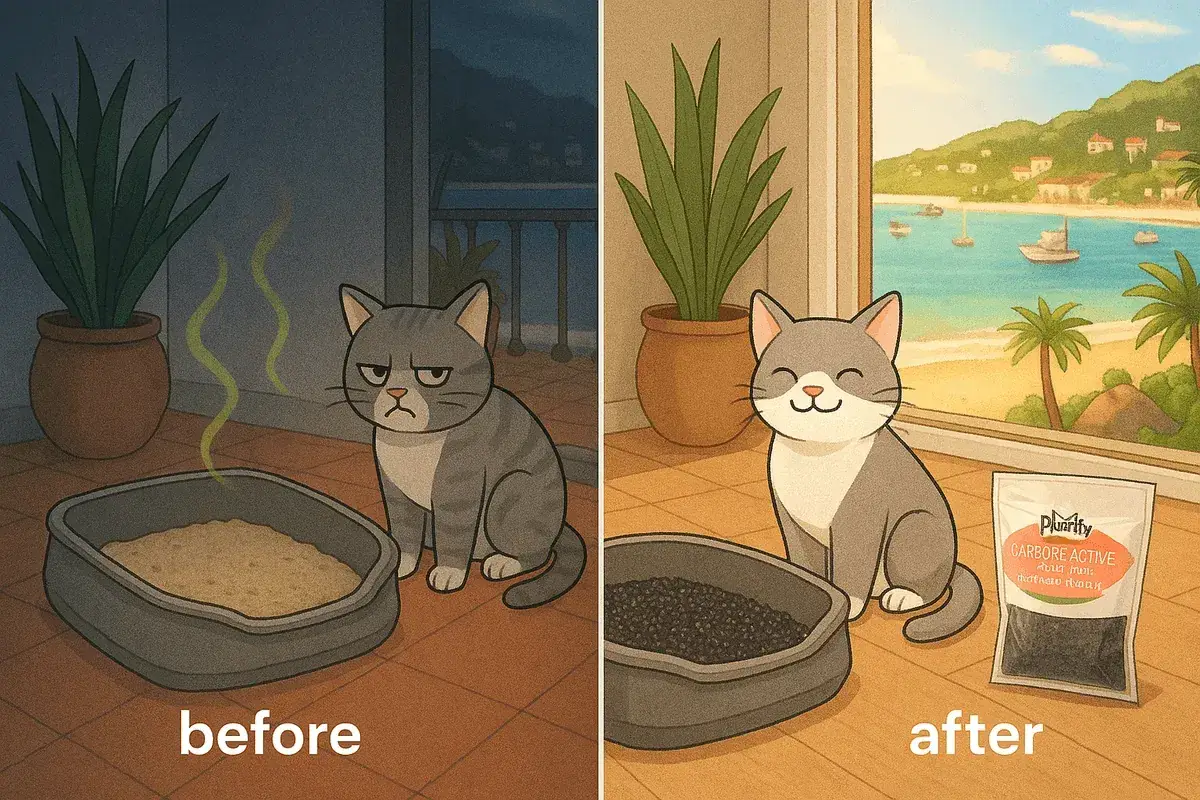
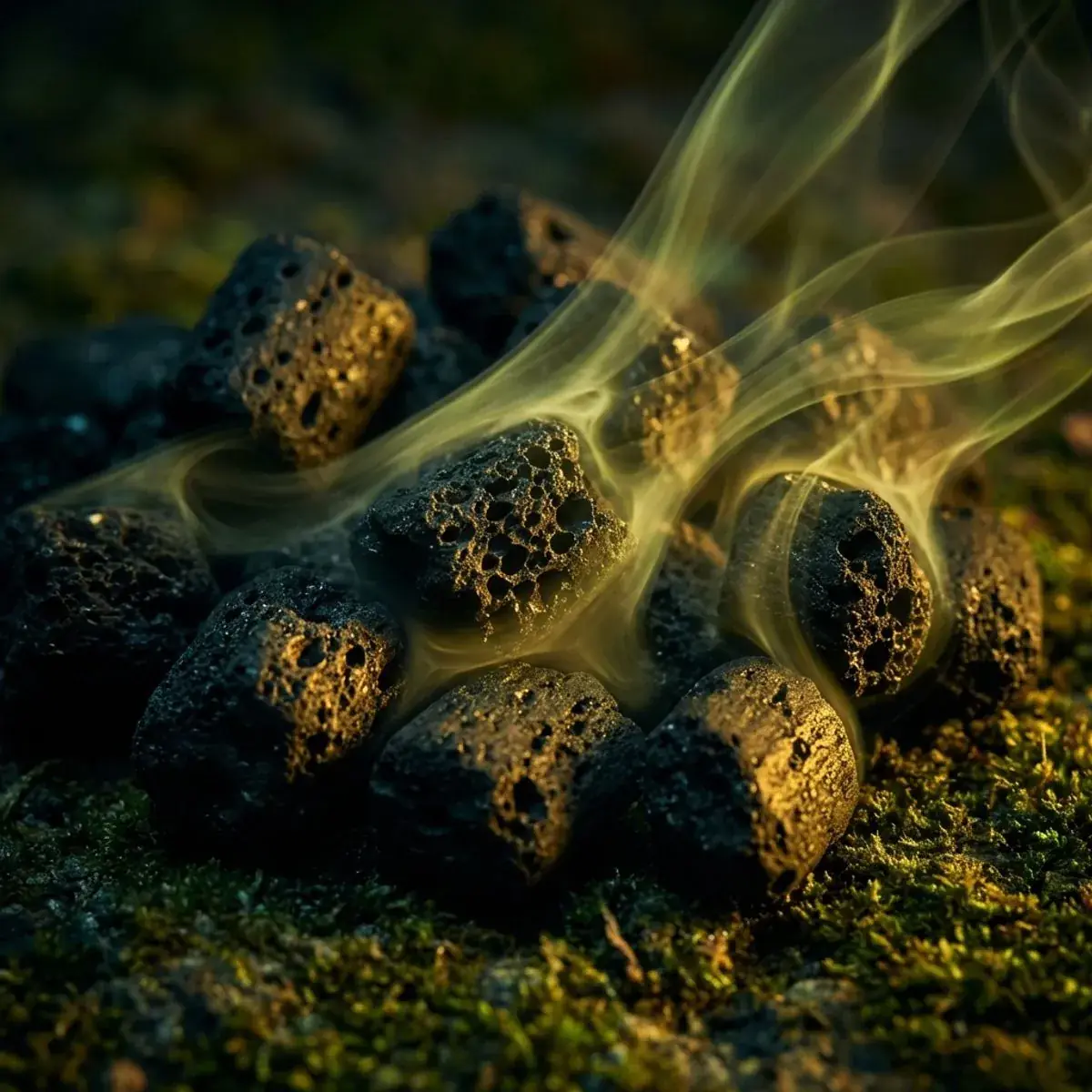
Strong Cat Urine Smell Solutions
Read more →
Prefer a quick video? Watch the latest verified upload from our official YouTube channel and follow @PurrifyHQ for future product and brand updates.
Purr Purr Purrify | Song about Cat Litter Odour Control Made in Canada
Sources
Explore our comprehensive guides, scientific explanations, and targeted solutions to keep your home fresh and your cat happy. Need help choosing? Read our cat litter guide, calculate your savings with our cat litter calculator, or find solutions by problem.
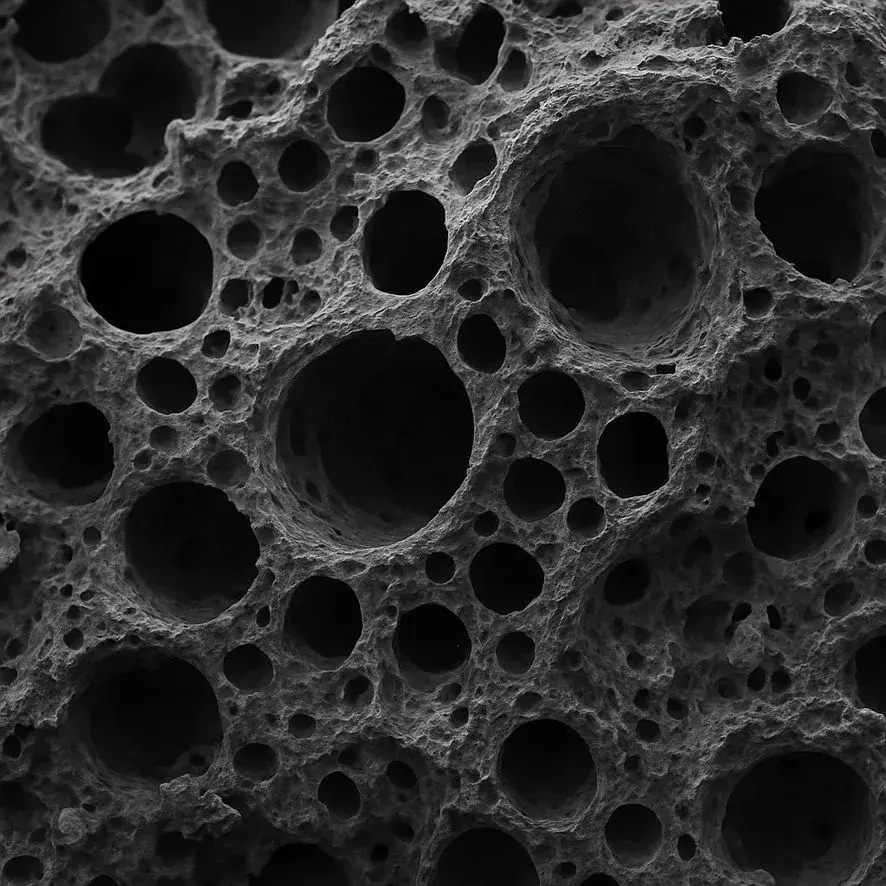
Discover the science behind Purrify's activated carbon technology and how it eliminates odors at the molecular level.

Get answers to the most common questions about Purrify, from usage instructions to safety concerns.
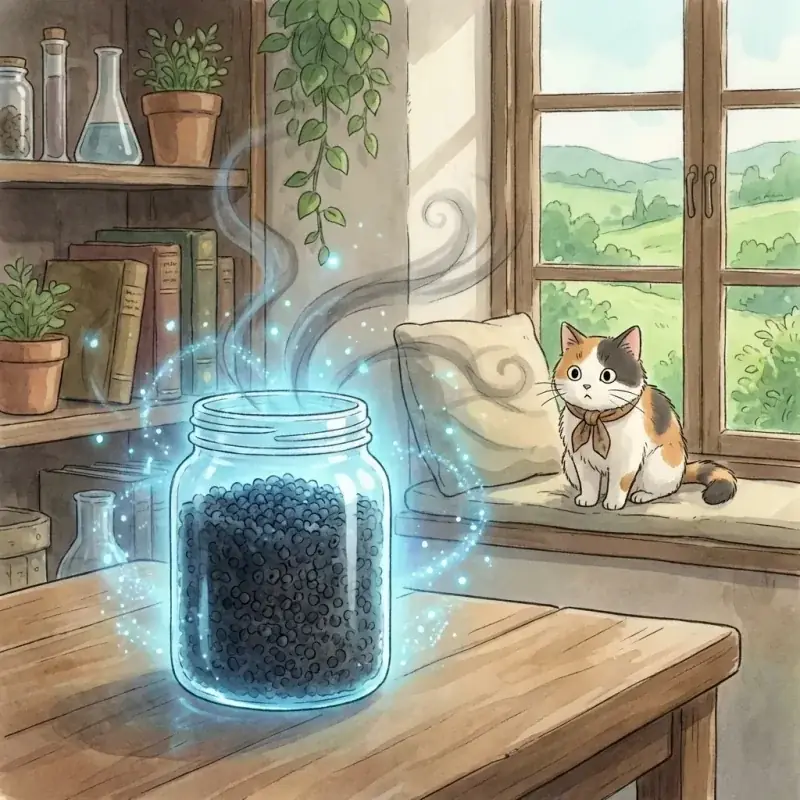
Deep dive into the scientific principles behind activated carbon and molecular adsorption.
Learn why Purrify is safe for cats, kittens, and humans. No toxic chemicals, just pure activated carbon.
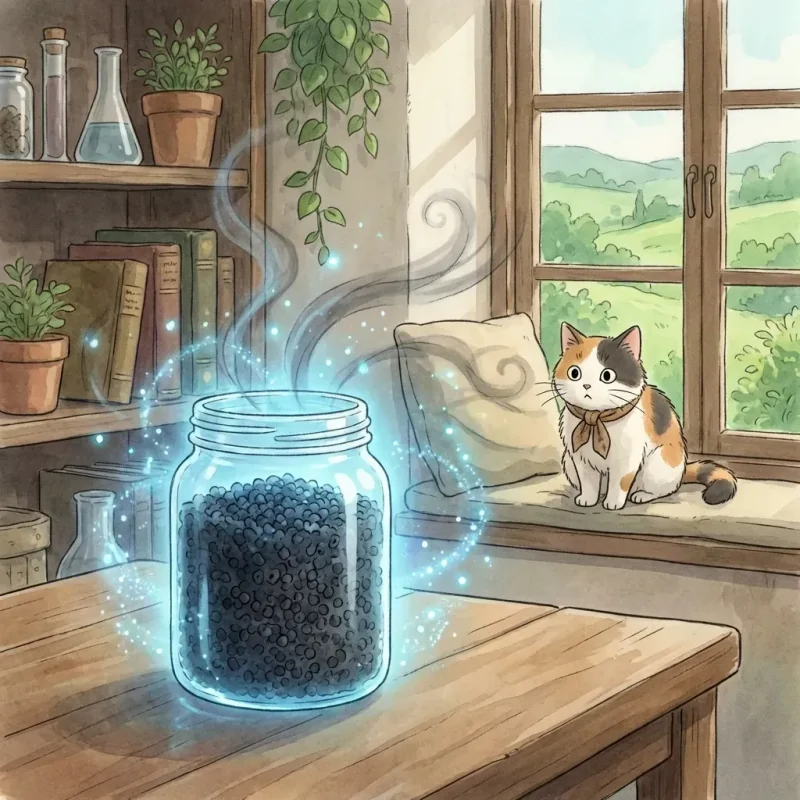
Explore all the benefits of activated carbon for cat litter odor control and beyond.
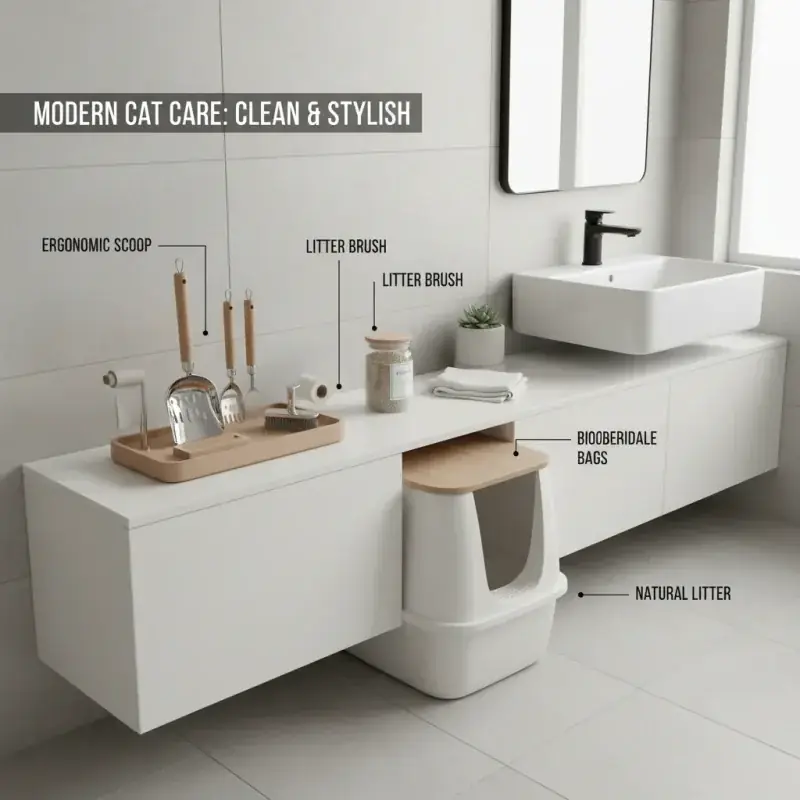
The complete guide to choosing and using cat litter, with tips for every type of household.
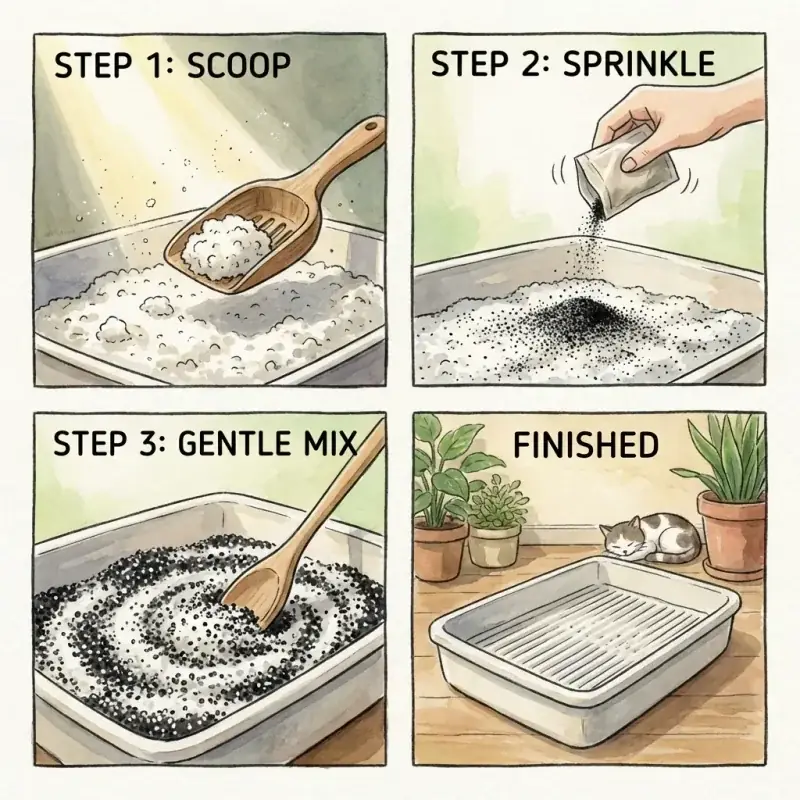
Step-by-step instructions for getting the most out of Purrify with any litter type.
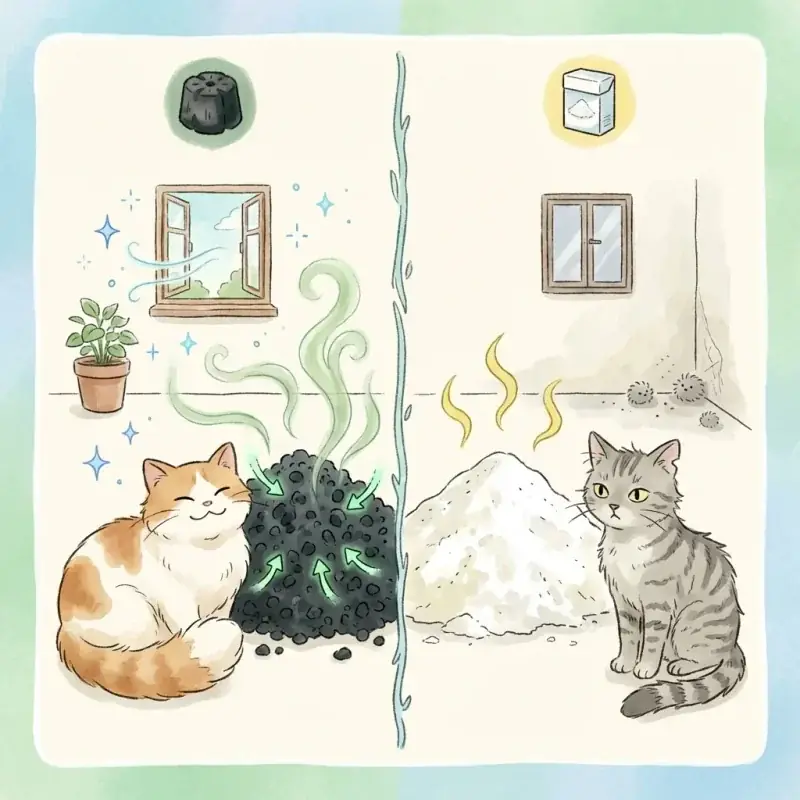
See how activated carbon compares to baking soda and other deodorizer technologies.
Fragrance-free
No perfumes
Any litter
Additive, not a litter
Citations
Science hub
Cat litter odor isn't just unpleasant - it's a chemical problem with a chemical solution. When your cat uses the litter box, bacteria immediately begin breaking down urea into ammonia (NH₃), the sharp sting you recognize instantly. Feces release mercaptans - sulfur compounds detectable at parts per billion - and volatile amines that linger in enclosed spaces.
Most odor products mask these molecules with fragrance or attempt pH shifts with baking soda. Neither approach removes the compounds from your air. Understanding the actual chemistry - which molecules form, how they travel, and what traps them - lets you choose solutions based on mechanism, not marketing.
3,000 m²
Surface area per gram of coconut shell carbon
< 2 nm
Micropore width - sized to trap ammonia (NH₃)
0.5 ppb
Human detection threshold for mercaptans (thiols)
New to activated carbon cat litter science? Start with How It Works - a 5-minute read covering how pore structure traps odor molecules instead of masking them. Dealing with a specific problem right now, like figuring out how to get rid of cat pee smell or managing ammonia in a multi-cat home? Jump straight to Solutions below and pick your scenario. Want the full picture of activated carbon benefits? The science guide covers adsorption chemistry, pore structure, and third-party research - including why baking soda vs activated charcoal is not even close when it comes to lasting cat litter odor control. Every guide is written in plain language with published references, so start wherever matches your situation.
Start with the science and setup guidance, then jump to the household scenario that matches your litter routine. This page is organized so you can move from understanding the cause of odor to choosing the most relevant next step.
These pages explain how activated carbon works, how to use it safely, and how to build a routine that fits your litter type, box setup, and cat household.
Discover the science behind Purrify's activated carbon technology and how it eliminates odors at the molecular level.
Get answers to the most common questions about Purrify, from usage instructions to safety concerns.
Deep dive into the scientific principles behind activated carbon and molecular adsorption.
Learn why Purrify is safe for cats, kittens, and humans. No toxic chemicals, just pure activated carbon.
Explore all the benefits of activated carbon for cat litter odor control and beyond.
The complete guide to choosing and using cat litter, with tips for every type of household.
Step-by-step instructions for getting the most out of Purrify with any litter type.
See how activated carbon compares to baking soda and other deodorizer technologies.
These scenario guides focus on the questions cat parents ask most often when odor keeps coming back, feels stronger in a small space, or changes with household needs.
That sharp ammonia smell? Learn why bacteria convert urine to ammonia gas and how activated carbon neutralizes it.
Living in a small space with your cat? Specialized tips for keeping apartments fresh without overwhelming scents.
Complete guide to eliminating litter box odors. From daily maintenance to deep cleaning strategies.
Managing odor with multiple cats is challenging. Learn proven strategies that work for multi-cat households.
Looking for natural solutions? Compare natural additives and learn which ones actually work for odor control.
Older cats have unique needs. Gentle solutions that work for senior cats with sensitive health conditions.
Worried the litter smell is getting to you or your cat? See exposure levels, the symptoms to watch for, and the fix.
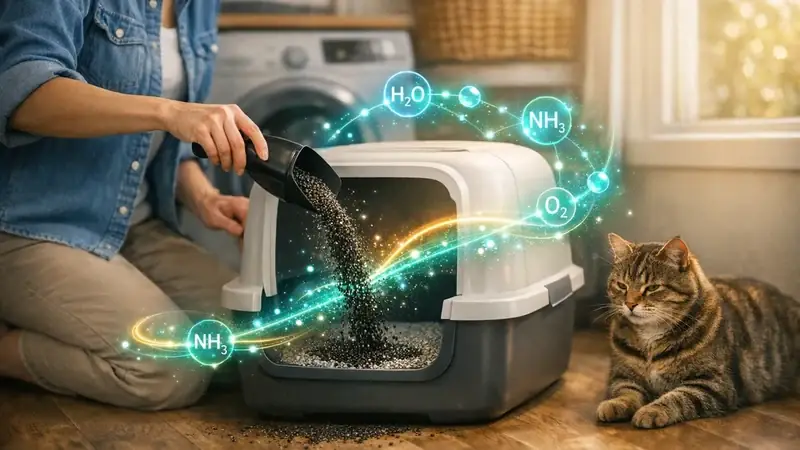
That sharp ammonia smell? Learn why bacteria convert urine to ammonia gas and how activated carbon neutralizes it.

Living in a small space with your cat? Specialized tips for keeping apartments fresh without overwhelming scents.
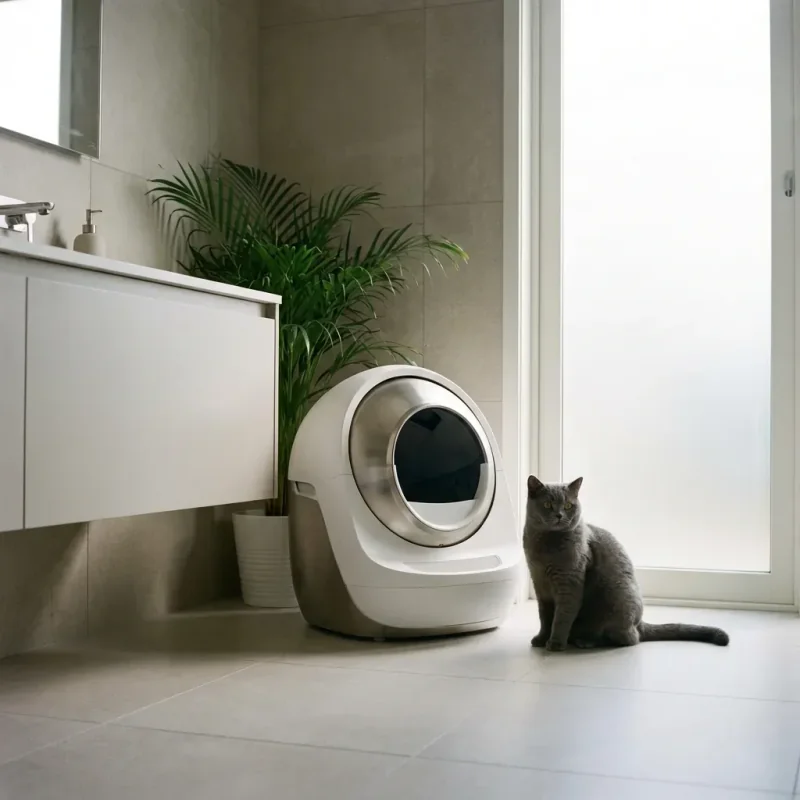
Complete guide to eliminating litter box odors. From daily maintenance to deep cleaning strategies.
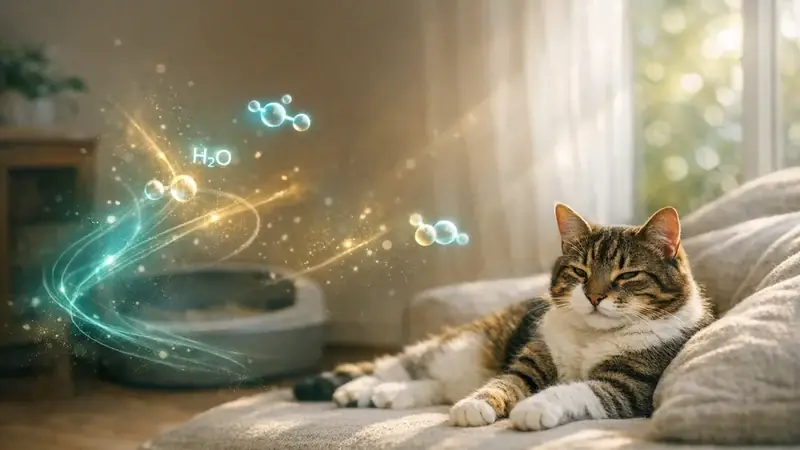
Managing odor with multiple cats is challenging. Learn proven strategies that work for multi-cat households.
Looking for natural solutions? Compare natural additives and learn which ones actually work for odor control.

Older cats have unique needs. Gentle solutions that work for senior cats with sensitive health conditions.
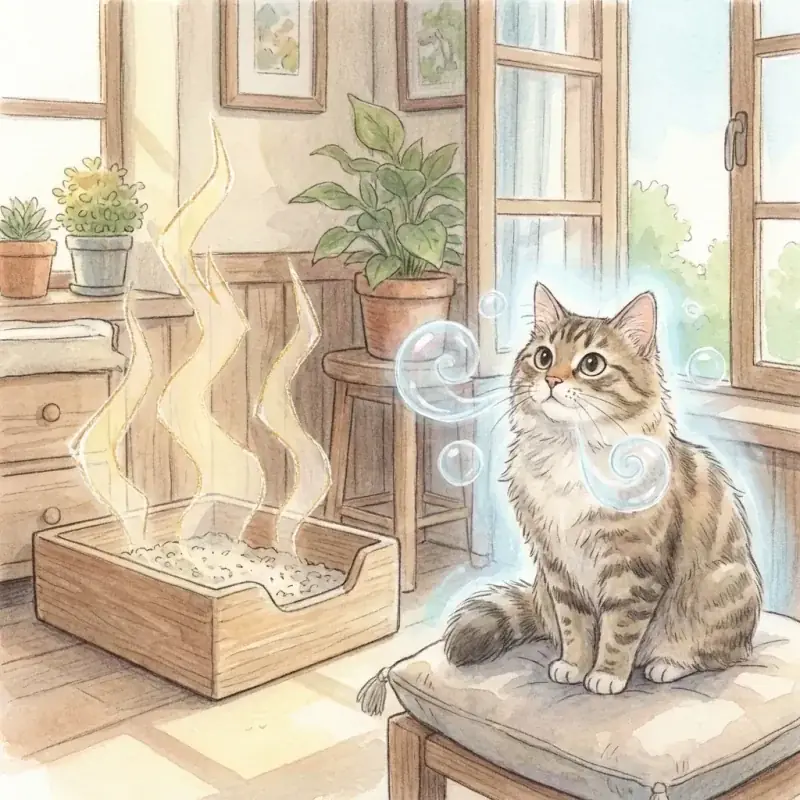
Worried the litter smell is getting to you or your cat? See exposure levels, the symptoms to watch for, and the fix.
Put what you've learned into practice. Try the 15g Purrify trial and see the difference in your own litter box.
Try Purrify Risk-FreeWhether you have one cat or five, a studio or a house - find the right odor control approach for your home.
Purrify uses water-filter grade activated coconut carbon to physically trap ammonia and odor molecules - no fragrances, no chemicals, just science.
Each granule contains millions of microscopic pores that adsorb volatile compounds on contact. It works with any litter type and lasts up to 30 days per application.
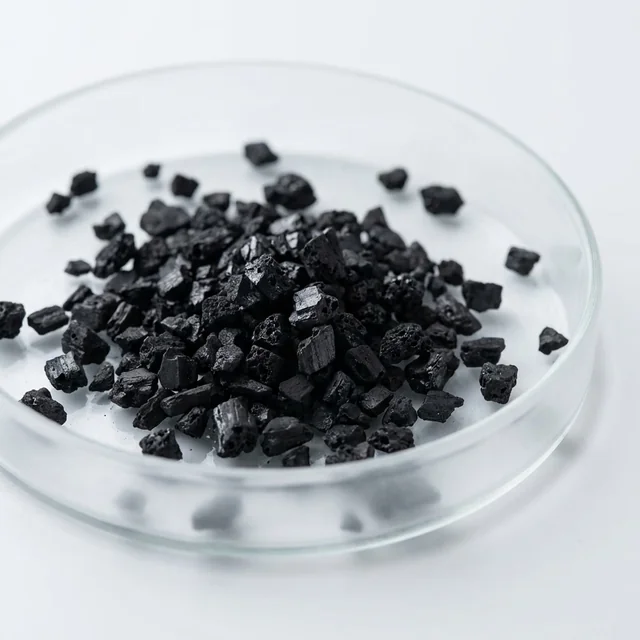
Sourced from natural coconut shells, our activated carbon is sustainably produced and ultra-porous.
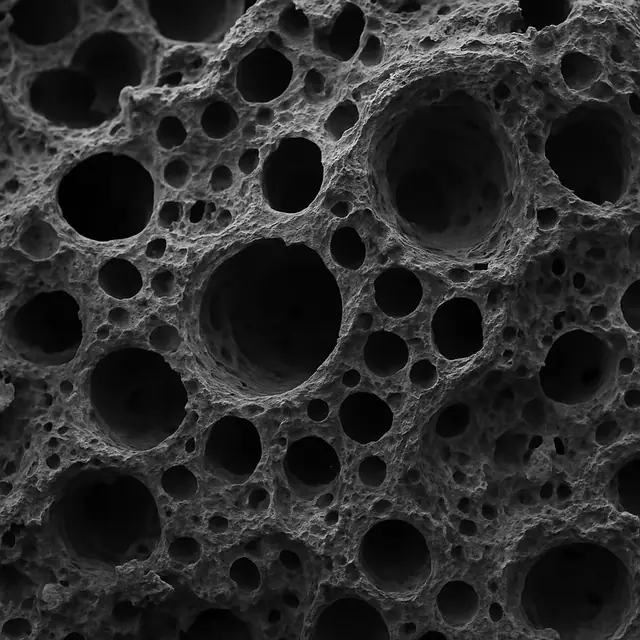
Odor molecules are physically trapped inside micro-pores - not masked with perfume or fragrance.

Simply sprinkle on top of or mix into your existing cat litter - clumping, crystal, or natural.
Template library
Each page cross-links into the blog, science pages, and ClaimReview support so the comparison layer stays traceable instead of turning into thin summary pages.
This page compares two odor-control approaches on ammonia handling, duration, maintenance burden, and real-world fit. It uses existing first-party tests plus science explainers rather than marketing copy.
This template turns the existing best-litter content into a durable comparison asset by separating technology types, use cases, and the limits of each option.
This template turns the existing alternative page into a durable switching asset with dated evidence, a repeatable table, and one clear claim review.
Tidy Cats or Fresh Step: which one keeps the litter box from smelling? We scored both on the six things that matter - ammonia, odor duration, clumping, dust, cost, and fragrance - using our own testing, not the marketing on the bag.
Dr. Elsey's Ultra or Tidy Cats: is the premium bag worth it for smell? We scored both on the six things that matter - ammonia, odor duration, clumping, dust, cost, and fragrance - using our own testing, not manufacturer claims.
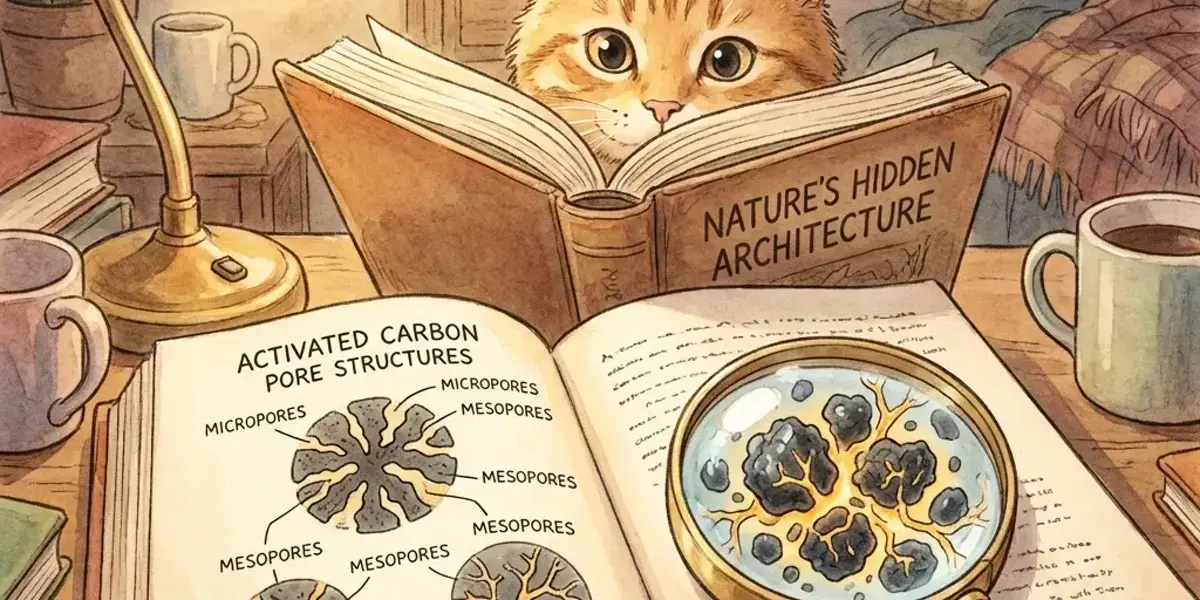
Science-backed guides, how-to walkthroughs, and scenario solutions for cat litter odor - all in one hub. Start with the core guides on activated carbon adsorption and safety, then jump to the common-problem section for ammonia spikes, multi-cat homes, or small-space odor.
Every guide is written in plain language with references to published research so you can verify the claims yourself.