
Cat Litter Odor Control in America: What US Cat Owners Need to Know
Read more →
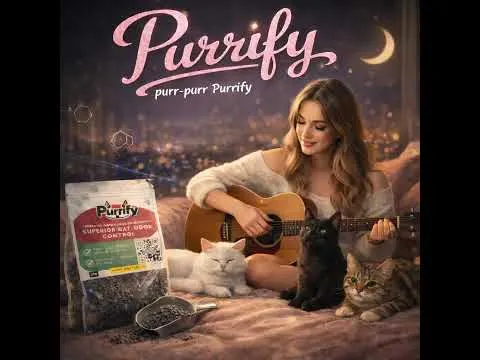
Prefer a quick video? Watch the latest verified upload from our official YouTube channel and follow @PurrifyHQ for future product and brand updates.
Purr Purr Purrify | Song about Cat Litter Odour Control Made in Canada
Sources
If you searched for ammonia in cats, you are usually dealing with ammonia around cats from the litter box.
When cat pee smell turns sharp, chemical, and eye-watering, bacteria have started converting urine into ammonia gas.
The fix is usually about chemistry, airflow, and cleanup speed.
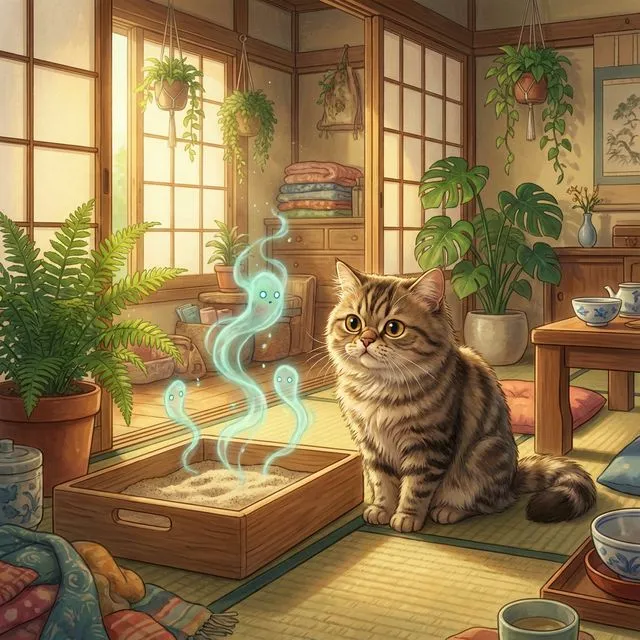
Most searches about ammonia in cats are really about ammonia building up around cats in dirty or low-airflow litter areas.
Once urine sits for a few hours, bacteria can turn it into the sharp smell people notice as ammonia.
Air fresheners cover the smell, but faster scooping, deep cleaning, and activated carbon are what actually help.
Direct Answer
Cat litter smells like ammonia because bacteria begin breaking urea in cat urine into ammonia gas within about 2 to 4 hours.
If you searched for ammonia in cats, that usually means ammonia around cats from the litter box, not ammonia inside the cat.
Once that gas is released, the problem is no longer just wet litter sitting in the box.
Ammonia moves into the air, clings to the plastic box, and can settle onto nearby surrounding surfaces, which is why the smell can stay sharp even after scooping.
Warm rooms, enclosed litter areas, and multi-cat homes speed the process up because more urine sits in a smaller space.
The most reliable fix is to empty the box, wash away residue, improve airflow, and use activated carbon so new ammonia molecules get trapped before they spread.
Baking soda and air fresheners may soften the smell briefly, but they do not stop the chemistry creating the odor.
Most people searching for ammonia in cats are trying to solve litter-box odor, which is really ammonia around cats from urine breakdown.
That is an odor-control and cleanup problem.
If the smell seems to be on your cat, in your cat's breath, or unrelated to the litter box, treat that as a separate medical concern and check with your veterinarian rather than assuming it is just normal litter odor.
Cat urine contains urea, a nitrogen compound. When bacteria in the litter break down urea, they produce ammonia gas, NH₃. That sharp, eye-watering smell is ammonia escaping into the air.
The process starts within 2 to 4 hours of urination. The longer waste sits, the more bacteria multiply, and the more ammonia is produced. A litter box that smelled fine yesterday can reek by tomorrow.
Baking soda is alkaline.
Ammonia is also alkaline.
Alkaline substances do not neutralize each other; they are on the same side of the pH scale.
Sprinkling baking soda in the litter box is like trying to put out a fire with more fire.
It masks the smell briefly, but the ammonia is still there.
Most people searching for ammonia in cats are actually dealing with ammonia around cats: litter boxes, enclosed rooms, poor airflow, and waste that sat too long between scoops.
Strong ammonia can irritate eyes, throats, and airways. Kittens, seniors, and cats with respiratory sensitivity have less margin for error, especially in tight spaces.
Deep-clean the box, improve airflow, scoop faster, and use a material that traps ammonia instead of trying to perfume over it.
Activated carbon works through a process called adsorption, not absorption. The carbon has millions of microscopic pores that create an enormous internal surface area for trapping odor molecules.
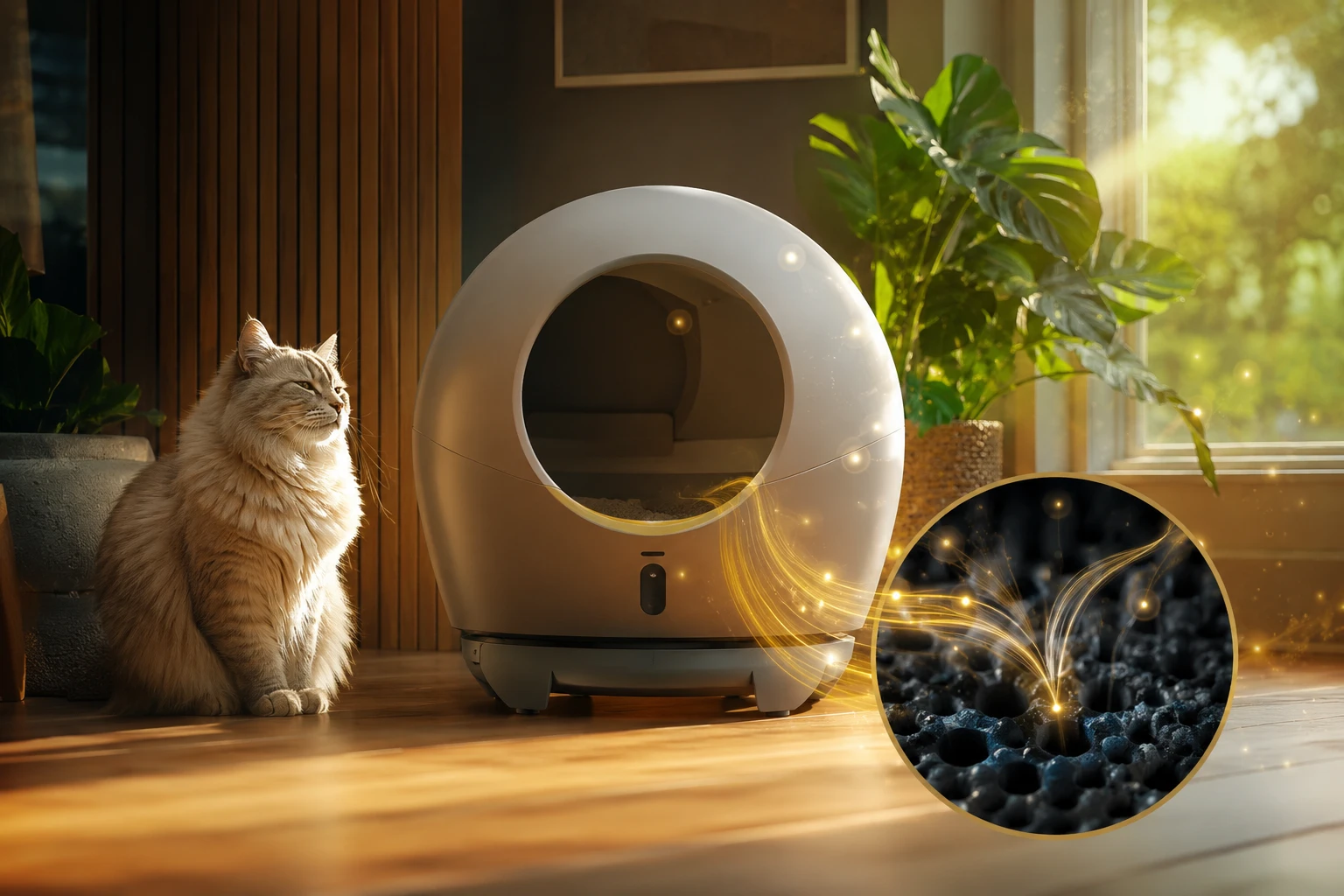
When ammonia molecules come into contact with activated carbon, they become trapped in these pores through chemical attraction. Unlike air fresheners that just mask odors, this process actually removes the ammonia from the air permanently.
This is the same technology used in water filters, gas masks, and industrial air purifiers - proven at the molecular level.
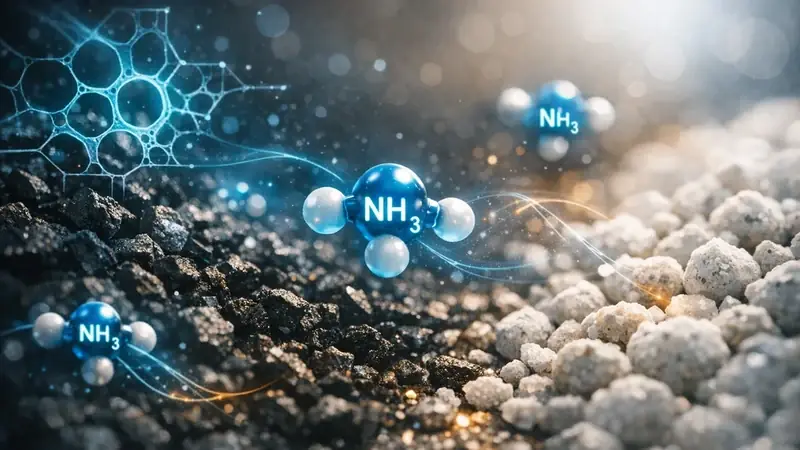
Ammonia molecules get permanently trapped, not masked
Follow these 5 steps to eliminate ammonia odor at the source and keep your home fresh when cat litter smells like ammonia.
Time needed: 15 minutes for setup
Ammonia forms when bacteria break down urea in cat urine. This process starts within hours of urination and intensifies over time. The older the waste, the stronger the ammonia.
Remove all litter and scrub the box with enzyme cleaner, not bleach, which reacts with ammonia. Let it dry completely before adding fresh litter.
Pro tip: Never mix bleach with ammonia; it creates toxic fumes.
Pour 2 to 3 inches of clean litter, then add 2 to 3 tablespoons of activated carbon additive. Mix it into the top layer where it will contact fresh waste.
Remove solid waste and urine clumps daily. The faster you remove waste, the less time bacteria have to produce ammonia.
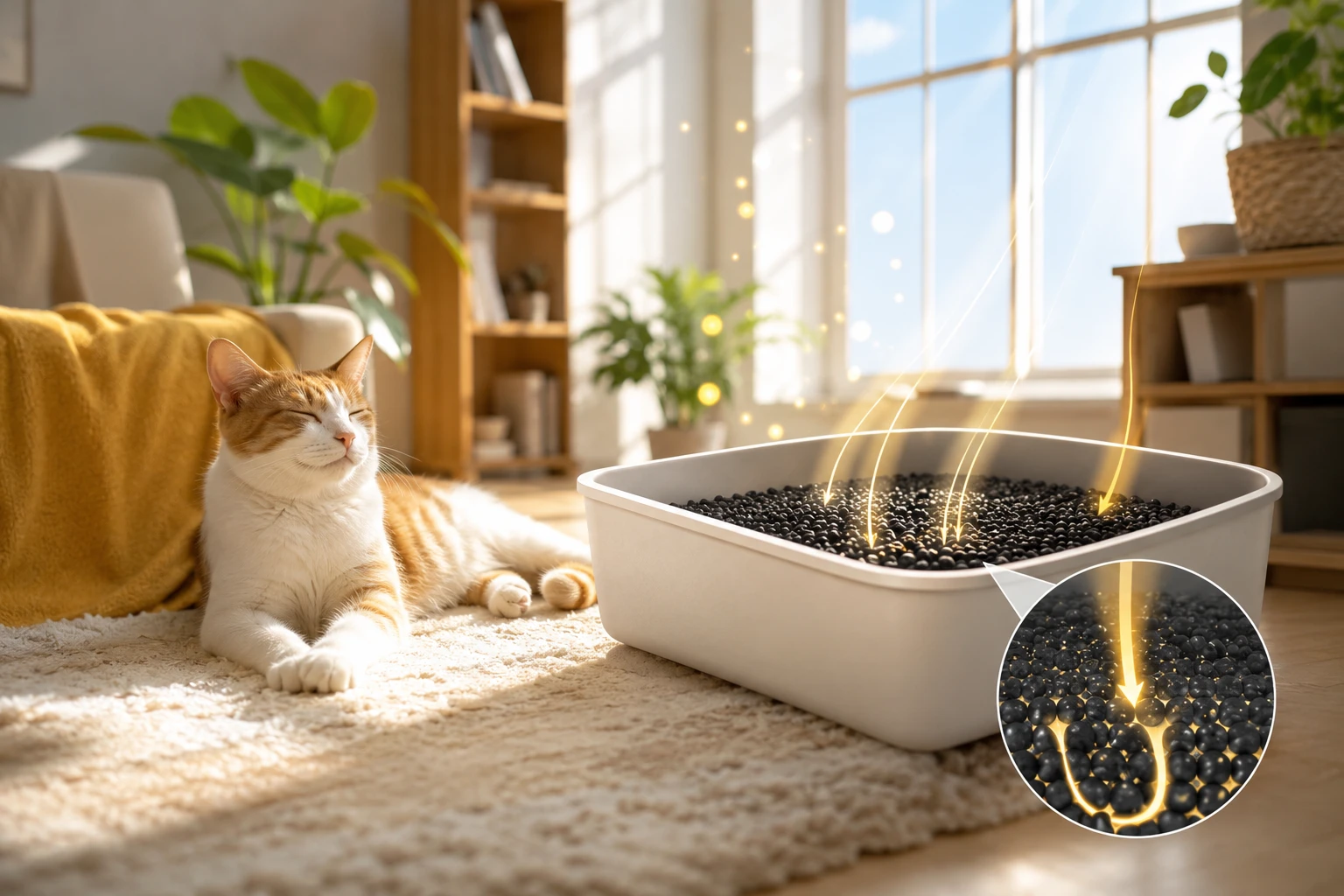
Add a tablespoon of fresh activated carbon every 2 to 3 days to maintain odor control. The carbon continuously traps new ammonia molecules as they form.
No more embarrassment when guests visit
Purrify uses the same activated carbon grade found in military gas masks - the most effective ammonia-trapping material available.
See how cat owners build a fresher litter routine without changing litter brands.
If you want the health side explained in more detail, see our ammonia health risks guide. If you want the chemistry first, start with the ammonia science explainer.

Fresh-home routines for cat owners
Why cat urine produces ammonia and the chemistry behind the smell.
Is ammonia from cat litter dangerous? Safe exposure levels explained.
Proven methods to eliminate ammonia smell permanently.
Compare activated carbon and baking soda for ammonia control and see which actually works.
Read more →
Read more →
Read more →

Read more →
Read more →
Read more →
Read more →
Read more →