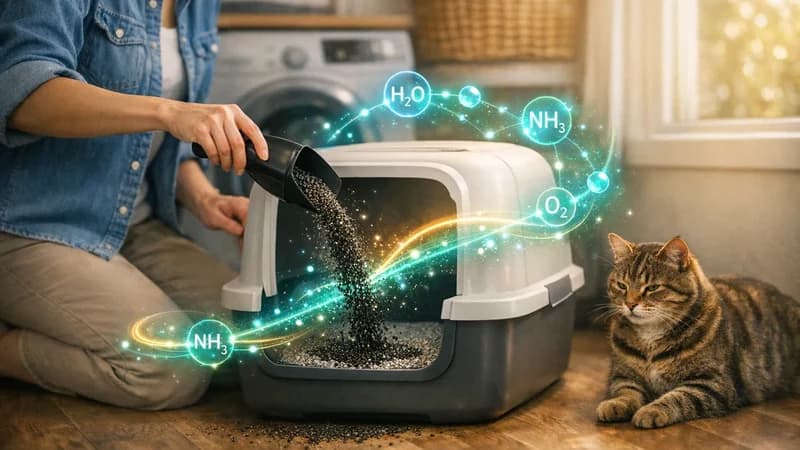
The Paranoia Every Cat Owner Knows
Let me start with a confession: I've been that person who apologizes before anyone even enters my home.
"Sorry about any smell-I have cats."
The thing is, I couldn't actually smell anything anymore. That's the curse of "nose blindness"-your brain stops registering familiar scents, leaving you paranoid about what guests might be experiencing. Every raised eyebrow, every hesitation at the door, every "Oh, you have cats!" comment sent me spiraling.
So I did what any reasonable person would do: I threw money at the problem.
The Failed Solutions (Sound Familiar?)
My journey through the world of litter box odor control looked something like this:
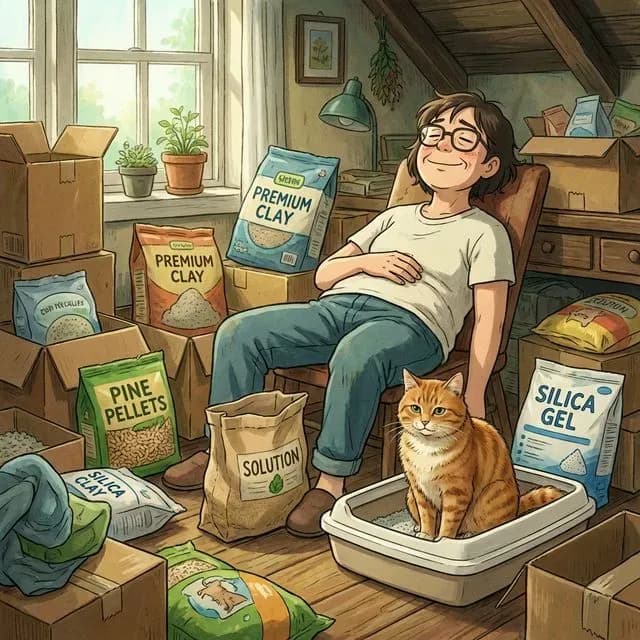
- Scented litters: My cats protested by avoiding the box entirely. One memorable week involved a lot of carpet cleaning.
- Baking soda: Worked for maybe an hour. Then I was just sprinkling baking soda into a smelly box twice a day like some kind of ritual.
- Air fresheners: Plugged in three of them around the litter area. Result? My home smelled like "Lavender Dreams meets Ammonia Nightmare."
- Expensive "odor-neutralizing" sprays: These just added another layer to the smell cocktail.
- Covered litter boxes: Trapped the smell inside, creating a concentrated odor bomb every time my cat emerged.
The Fundamental Problem
I was trying to mask odors instead of removing them. It's like turning up the music to drown out a car alarm-the problem is still there, just hidden under something else.
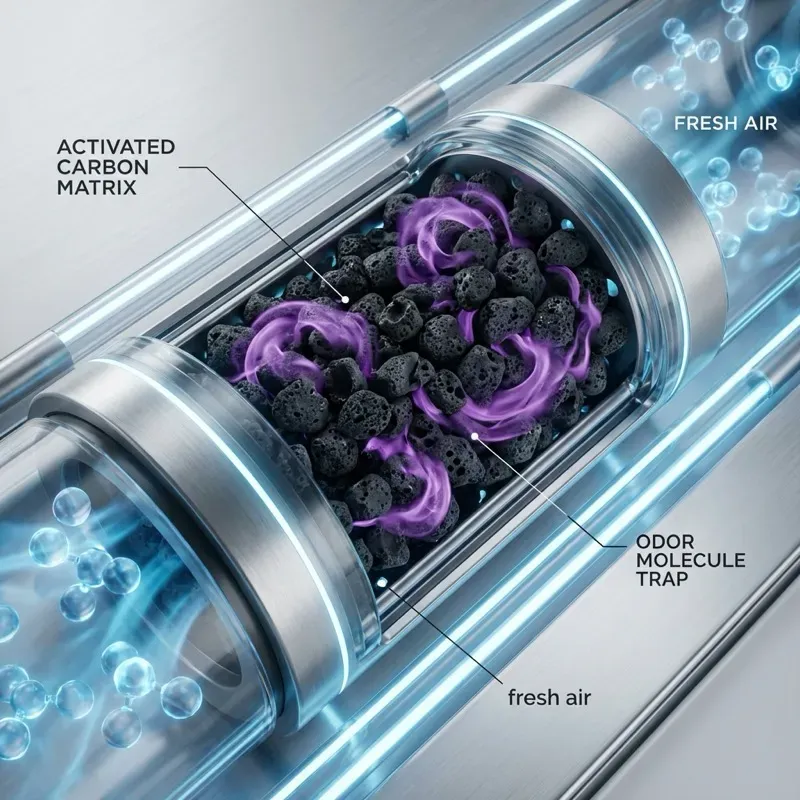
The solution wasn't about adding more scents-it was about removing odor molecules entirely
How I Stumbled onto Space Station Technology
One late night, deep in a YouTube rabbit hole about air quality (as one does), I came across a video about life on the International Space Station. Something caught my attention: how do astronauts deal with air quality in a sealed environment where you literally cannot open a window?
The answer wasn't perfumes or chemical neutralizers. It was molecular trapping.
In space, you can't just "cover up" odors. You have to physically remove the odor molecules from the air. And one of the key technologies NASA uses for this? Activated carbon.
Wait-Carbon? What Kind?
Activated carbon is a carbon-rich material (often coconut shell) that has been processed to create millions of microscopic pores. These pores create an enormous internal surface area-we're talking about one gram of activated carbon having the surface area of a football field.
The Football Field Analogy
Imagine a single gram of material-about the weight of a paperclip-with more surface area than an entire football field. Every bit of that surface is covered in microscopic tunnels that trap odor molecules on contact. That's activated carbon.
These microscopic tunnels work through a process called adsorption (not absorption-there's a difference). Instead of soaking up liquids like a sponge, activated carbon attracts and holds gas molecules on its surface. Ammonia, sulfur compounds, organic waste molecules-they all get trapped in these tiny pores and can't escape back into the air.
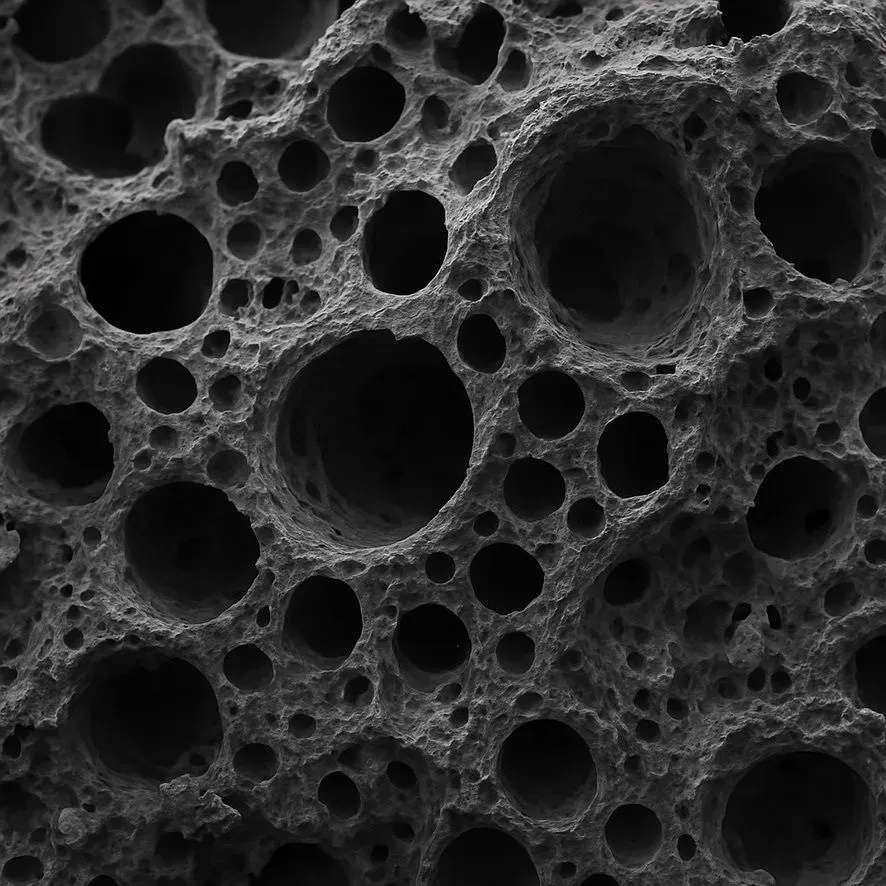
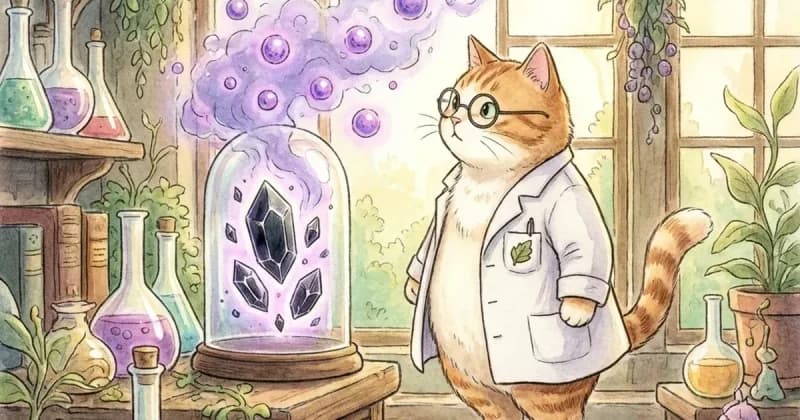
Microscopic pores in activated carbon act as molecular traps for odor-causing compounds
The Water Filter Connection
Here's where things got really interesting for me. I realized I already had activated carbon in my home-in my water filter pitcher.
The same high-purity activated carbon that removes chlorine and contaminants from drinking water works on the same principle for air. If it's considered safe enough to filter the water we drink, it seemed like a reasonable material to have near my cats.
This was my "aha" moment. I wasn't looking at some exotic chemical solution. I was looking at a natural material-made from coconut shells-that's been trusted for water purification, air filtration in spacecraft, and even medical applications.
Why Standard Litters Don't Solve the Problem
After learning about molecular trapping, I understood why my previous solutions had failed:
- Standard litters absorb liquid, but they don't trap the gas molecules that carry the smell. The ammonia and sulfur compounds evaporate into the air regardless of how absorbent the litter is.
- Perfumes and scented litters add more molecules to the air. They don't remove anything-they just compete for attention in your nose.
- Baking soda has limited effectiveness because it primarily works through chemical reactions that get exhausted quickly, and it lacks the massive surface area of activated carbon.
The Key Insight
Odor molecules need to be physically removed from the air, not masked. Activated carbon does this passively-no reactions, no residue, no added fragrances. It just quietly traps odor molecules in its microscopic pores.
Coconut shell activated carbon is a renewable, natural material used in water and air filtration
From Research to Real Results
I started sourcing filtration-grade coconut shell activated carbon and experimenting with it in my own litter boxes. The difference was noticeable within hours-not because of any added scent, but because of what was missing.
That sharp ammonia edge? Gone. The lingering "cat house" smell my nose-blind brain couldn't detect but my guests surely could? According to friends who visited (and were recruited as smell-testers), also gone.
The best part? My cats didn't care. No behavior changes, no litter box avoidance, no protests. The activated carbon just sits on top of whatever litter they already love, doing its molecular trapping work invisibly.
What I Looked for in a Solution
Through this journey, I developed a mental checklist for what a good odor control solution should be:
1. Cat-Friendly
No fragrances or chemicals that could irritate their sensitive respiratory systems or paws. Fragrance-free and natural.
2. High-Performance
Using the same filtration standards as water purification and air quality systems. Not a half-measure.
3. Simple
Works with any litter my cats already prefer. No complicated systems or behavior changes required.
The Science Made Simple
If you take nothing else from this article, here's the core concept:
Masking vs. Trapping
Masking (What Most Products Do):
- • Adds perfume molecules to the air
- • Odor is still present underneath
- • Can irritate cats' sensitive systems
- • Wears off quickly
Trapping (Activated Carbon):
- • Removes odor molecules from air
- • Odor physically eliminated at source
- • Fragrance-free and non-toxic
- • Lasts 7+ days per application
Why I Started Purrify
After months of using this approach in my own home, I couldn't stop talking about it. Friends with cats asked what I was using. Family members wanted some. I became "the activated carbon person" at gatherings.
Eventually, I decided to make it available to other cat owners who were dealing with the same paranoia I'd lived with for years. That's how Purrify was born-not from a business plan, but from genuine frustration turned into a solution.
We source premium coconut shell activated carbon-the same type used in drinking water filters-and package it specifically for litter box use. It's fragrance-free, natural, and uses the molecular trapping technology that astronauts rely on.
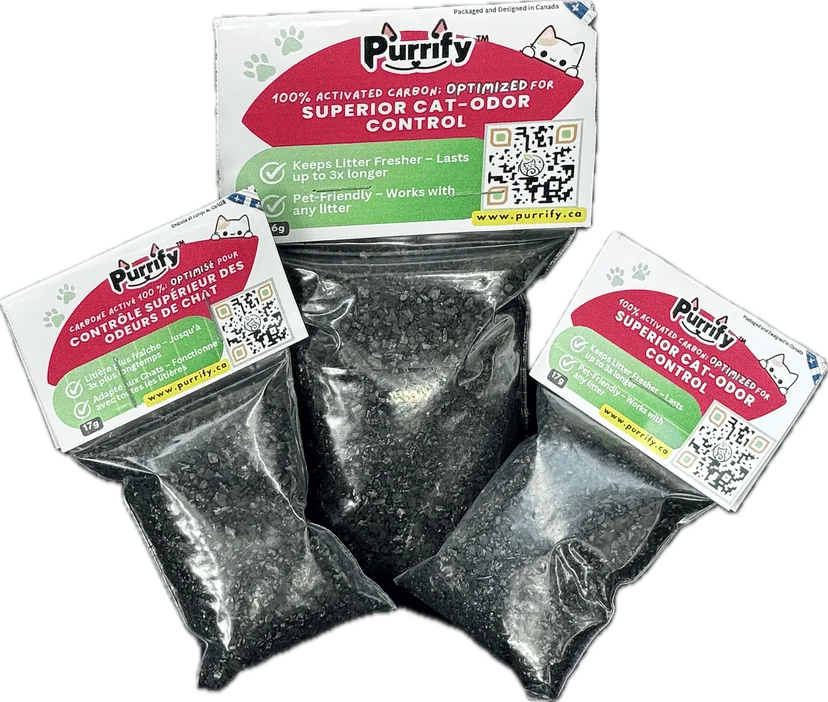
Pro Tip: The Purrify Solution
For the most effective odor control, try Purrify's activated carbon litter additive. Simply sprinkle it in your litter box to eliminate odors for up to 7 days. Made from premium coconut shell carbon, it's the same technology used in water and air filters.
Try Purrify Risk-Free →The Bottom Line
Stop covering up litter box smells with more smells. Use the same molecular trapping technology that keeps air breathable in spacecraft and water clean in filtration systems.
It's natural, it's fragrance-free, and it actually works.
And maybe-just maybe-you'll finally stop apologizing before guests walk through your door.
What the "Space Station" Idea Really Means at Home
The useful part of the space-station comparison is not sci-fi branding. It is the closed-environment principle. In a confined space, you cannot depend on opening windows forever or overpowering bad air with fragrance. You need systems that actually remove contaminants from circulation. That logic fits cat homes surprisingly well, especially apartments, winter houses, and any room where the litter box shares air with the rest of daily life.
Once you see the connection that way, the appeal of adsorption-based odor control becomes obvious. It borrows the right lesson from controlled environments: remove the problem from the air instead of arguing with it using perfume.
How to Borrow the Principle Without Making the Routine Complicated
The good news is that you do not need a high-tech setup to use this idea. Keep the litter box clean, choose a litter your cat actually likes, add a method that traps odor molecules instead of masking them, and make sure the room has some path for stale air to leave. That is the home version of an efficient closed-environment system.
In other words, the lesson is not "build a spaceship." It is "stop relying on perfume when the environment is closed." For most cat owners, that simple translation is what finally makes the house feel under control.
Confined Spaces Always Expose Weak Solutions Faster
That is why this comparison resonates with cat owners so strongly. In any closed environment, weak odor solutions get exposed quickly. There is simply nowhere for the mistake to hide. Homes with litter boxes work the same way, which is exactly why source control feels so different once you try it.