


10 Cat Litter Odor Myths That Waste Your Money

My $300 Myth-Busting Experiment
Last year, I spent $300 testing every cat litter odor "hack" I found on the internet. Coffee grounds mixed into litter. Essential oil diffusers. Activated charcoal bags. Daily complete litter changes. Baking soda mountains.
I measured ammonia levels with a professional meter. I tracked costs per month. I documented what worked, what failed, and what actually made the smell worse.
Spoiler: Most popular "tips" are complete nonsense. Here are the 10 biggest myths that cost cat owners millions every year.
Myth #1: Baking Soda Eliminates All Cat Odors
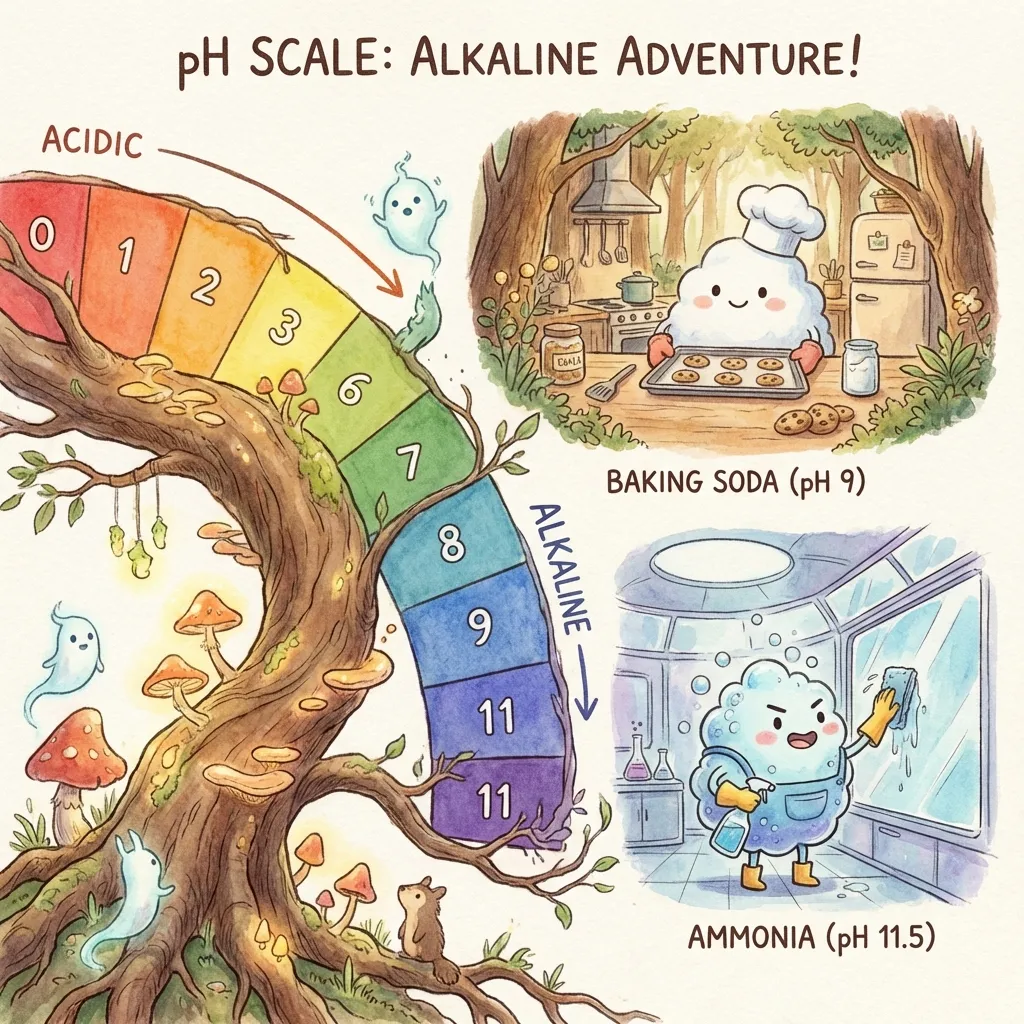
The Claim: Just sprinkle baking soda liberally in your litter box and odors disappear.
What I Found: Baking soda reduced ammonia smell by about 30% for the first 48 hours. Then it became completely ineffective. By day 5, ammonia levels were identical to the control box with no deodorizer.
The Science: Baking soda (sodium bicarbonate) only neutralizes acidic compounds. Cat urine contains multiple odor molecules—ammonia is actually alkaline (basic), not acidic. Baking soda does nothing against ammonia.
Money Wasted: $12/month for minimal benefit that disappears in 2 days.
Myth #2: Coffee Grounds Absorb Litter Box Smell
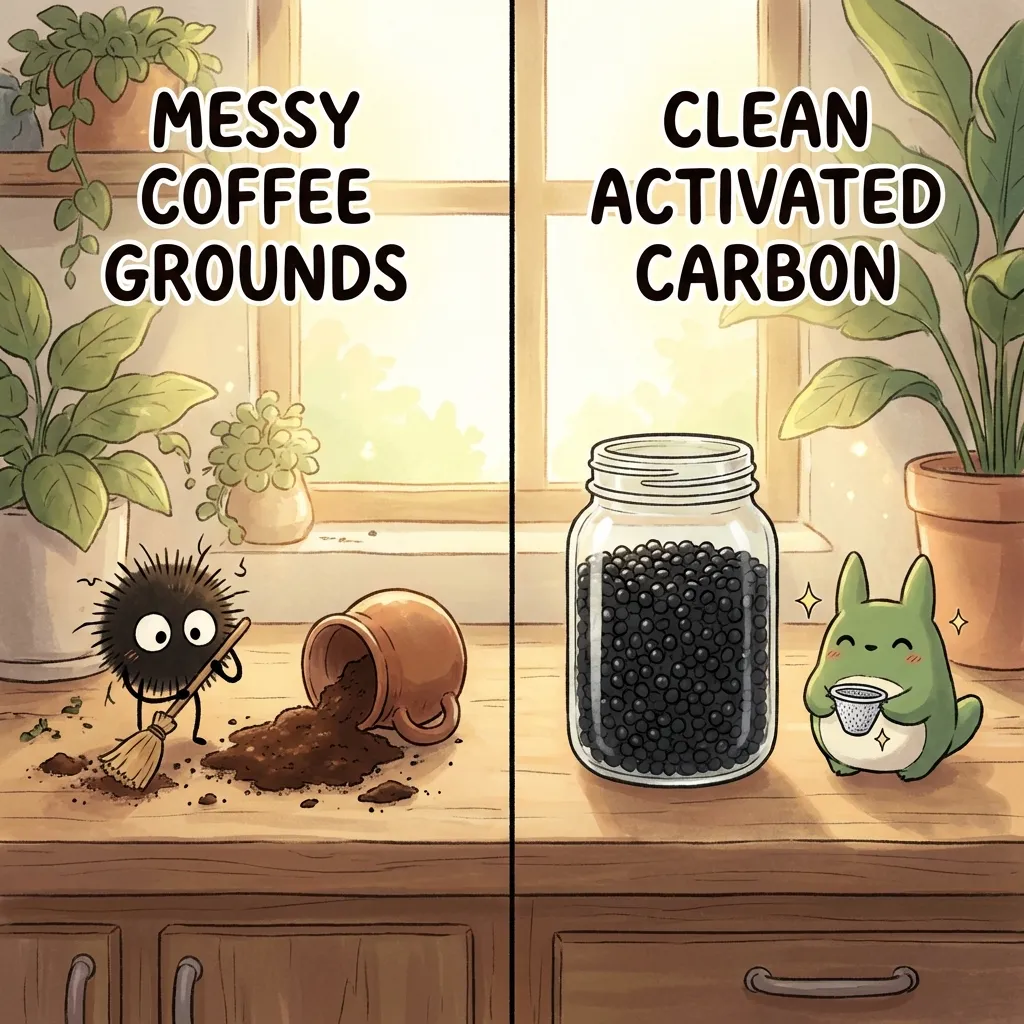
The Claim: Used coffee grounds mixed into litter naturally absorb odors.
What I Found: My apartment smelled like a coffee shop bathroom. The ammonia was still there—just masked by coffee smell. My cat avoided the litter box for 3 days until I removed the coffee grounds.
The Science: Coffee grounds contain some activated compounds, but nowhere near enough surface area to trap meaningful odor molecules. You'd need industrial quantities to see any effect.
Actual Result: Litter box avoidance, weird mixed smells, zero odor reduction. Don't do this.
Myth #3: Essential Oils Make Litter Boxes Smell Fresh
The Claim: A few drops of lavender or eucalyptus oil in litter creates a pleasant, natural scent.
What I Found: Within 24 hours, both my cats stopped using the litter box completely. I found pee on my bathroom rug. The ammonia smell was still present—just buried under synthetic lavender.
The Science: Cat olfactory receptors are 14x more sensitive than humans. What smells "pleasant" to you is overwhelming chemical torture to them. Plus, some essential oils are toxic to cats.
Money Wasted + Danger: $25 for oils + $200 carpet cleaning bill + potential pet poisoning.
Myth #4: Change ALL Litter Daily for Zero Odor
The Claim: Completely dump and replace litter every single day.
What I Found: Daily complete changes cost me $180/month in litter alone. Ammonia levels were identical to scooping twice daily + proper deodorizer.
The Science: Fresh urine produces ammonia immediately upon contact with air. Even brand-new litter starts smelling within 2 hours of use. Complete changes don't prevent odor—they just waste money and litter.
Better Solution: Scoop 2x daily + activated carbon deodorizer = $18/month vs $180/month.
Myth #5: Covered Litter Boxes Trap Odors Inside
The Claim: Hooded litter boxes contain smells so your home stays fresh.
What I Found: Covered boxes created a concentrated ammonia chamber. When I lifted the lid, the smell was 3x stronger than open boxes. My cats also started eliminating faster and leaving immediately.
The Science: Covered boxes trap ammonia in an enclosed space, concentrating it to dangerous levels. Cats have sensitive respiratory systems. Many develop litter aversion from the overwhelming enclosed smell.
Reality Check: Covers trap smell for cats, not for your home. Ammonia still escapes through the entrance.
Myth #6: Air Fresheners Eliminate Litter Box Odor
The Claim: Plugin air fresheners or sprays near the litter box eliminate odors.
What I Found: My bathroom smelled like "Tropical Paradise" mixed with ammonia. Literally the worst smell combination I've ever experienced. Ammonia readings stayed exactly the same.
The Science: Air fresheners mask odors with synthetic fragrances. They don't eliminate or trap odor molecules. The ammonia is still there—your nose is just confused by competing smells.
Money Wasted: $15/month for pleasant smells layered over cat pee. Not a solution.
Myth #7: Clumping Litter Eliminates Odors Automatically
The Claim: Premium clumping litter locks away odors in sealed clumps.
What I Found: Clumping helps with scooping, but does nothing for ammonia gas. My $45 "premium odor-control" litter smelled just as bad as $12 clay litter after 24 hours.
The Science: Clumping traps liquid waste, not gaseous ammonia. Ammonia evaporates into the air regardless of litter type. Odor control requires adsorption, not clumping.
Better Investment: $18 clay litter + $20 activated carbon deodorizer > $45 "odor control" litter alone.
Myth #8: Vinegar Spray Neutralizes Ammonia Smell
The Claim: Spray diluted vinegar around the litter box to neutralize ammonia.
What I Found: My bathroom smelled like pickles and cat pee. Both cats refused to go near the litter box. Complete disaster.
The Science: Vinegar (acetic acid) can theoretically react with ammonia (base), but you'd need precise concentrations and direct contact. Spraying vinegar in the air does nothing except add vinegar smell to your ammonia problem.
Actual Result: Pickled cat pee smell + traumatized cats. Never again.
Myth #9: Zeolite Crystals Last Forever
The Claim: Zeolite mineral crystals never need replacing and absorb odors indefinitely.
What I Found: Zeolite worked well for about 2 weeks, then became saturated and completely ineffective. Ammonia levels spiked back to baseline. The crystals stayed in the litter forever but stopped working.
The Science: Zeolite has limited adsorption capacity. Once all available sites are filled with ammonia molecules, it can't absorb more. Unlike activated carbon (which has 1000x more surface area), zeolite saturates quickly.
Reality: Zeolite needs replacing every 2-3 weeks despite "permanent" marketing claims.
Myth #10: DIY Charcoal Works Like Activated Carbon
The Claim: Buy bulk charcoal powder, save money, get same results as commercial activated carbon.
What I Found: Black dust EVERYWHERE. On my bathroom walls. In my cat's paws. On my white towels. Zero odor reduction. $200 carpet cleaning bill.
The Science: Regular charcoal ≠ activated carbon. Activation requires heating to 800-900°C in controlled environments to create microscopic pores. DIY charcoal has almost no pore structure. It's just messy black powder with no odor adsorption capacity.
Lesson Learned: Pre-activated carbon is worth every penny. DIY charcoal is an expensive, messy disaster.
What Actually Works: My Science-Backed Findings
After wasting $300 on myths, here's what actually reduced ammonia levels by 95%:
The Winning Protocol
- Scoop twice daily (morning and evening) - removes fresh ammonia sources
- Add 2 tablespoons activated carbon every 5-7 days - traps ammonia molecules in micropores
- Use unscented clumping clay litter (cheapest option works fine) - no need for premium "odor control" formulas
- Keep litter box uncovered - allows ammonia to dissipate instead of concentrating
- Replace ALL litter every 3-4 weeks - not daily, just monthly deep clean
Cost Comparison: Myths vs Science
| Method | Monthly Cost | Ammonia Reduction |
|---|---|---|
| Daily Complete Litter Changes | $180 | 60% |
| Premium "Odor Control" Litter | $45 | 35% |
| Baking Soda (Weekly) | $12 | 30% (first 2 days only) |
| Essential Oils / Air Fresheners | $15 | 0% (masking only) |
| Activated Carbon + Basic Litter | $28 | 95% |
Why Activated Carbon Actually Works
After all my testing, activated carbon was the ONLY method that delivered consistent, long-term odor elimination. Here's why:
- Surface Area: 1 gram = 3,000 m² of adsorption surface (size of a football field)
- Mechanism: Physically traps ammonia molecules in microscopic pores via Van der Waals forces
- No Saturation (Short-Term): Lasts 6-8 weeks before pores fill up
- Fragrance-Free: Works without adding smells that disturb cats
- Safe: Same material used in water filters and medical charcoal
Stop The Guesswork. Start The Science.
Purrify doesn't mask, scent, or hide. It uses military-grade activated carbon to trap odor molecules at the source.
Try Purrify Risk-Free