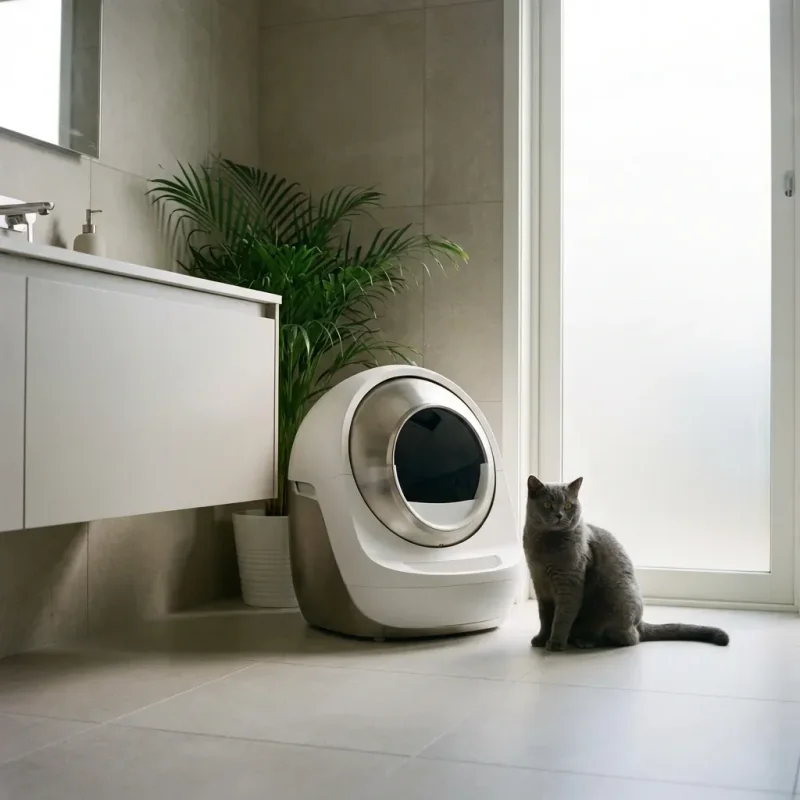

Summer heat amplifies cat litter ammonia odors dramatically
Every year, the same pattern: winter and spring are manageable. The litter box smells normal. You scoop daily, and things stay fresh.
Then summer hits.
Suddenly, your home reeks of ammonia. The smell hits you the moment you walk through the door. You're scooping twice a day, but it doesn't matter. Guests notice. You're embarrassed. And you start wondering: "Is it my cat? Did something change?"
Summer Cat Odor Reality Check:
- ✓ Your cat didn't suddenly start peeing more
- ✓ Your litter didn't stop working
- ✓ You're not cleaning less frequently
- ✓ It's the heat. And it's backed by science.
The Science: Why Heat Makes Ammonia 10x Stronger

Temperature dramatically affects ammonia volatility
Here's what's actually happening in your litter box when temperatures rise:
1. Heat Accelerates Ammonia Evaporation
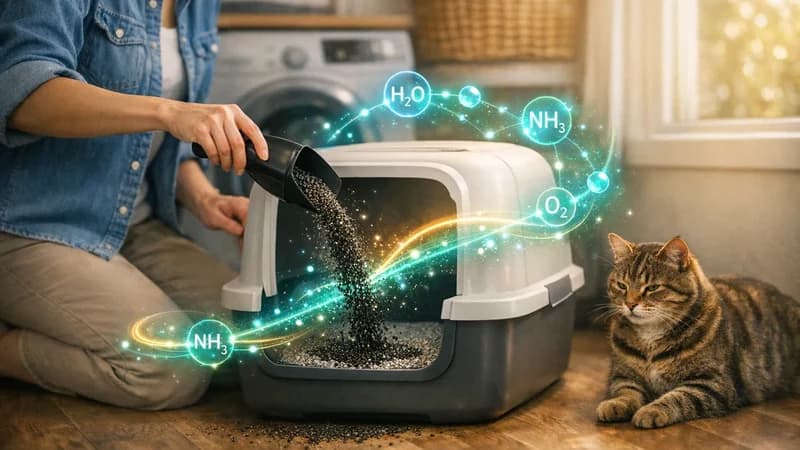
Cat urine contains urea, which bacteria break down into ammonia. This is the molecule responsible for that sharp, eye-watering smell.
The Temperature Effect:
For every 10°C (18°F) increase in temperature, the rate of chemical reactions-including ammonia production-roughly doubles (known as the Arrhenius Equation).
- At 15°C (59°F): Moderate ammonia evaporation
- At 25°C (77°F): 2x faster ammonia release
- At 35°C (95°F): 4x faster ammonia release
This is why your litter box that smelled fine in March is unbearable in July-even though nothing else changed.
2. Bacterial Activity Increases in Heat
The bacteria that convert urea to ammonia (urease-positive bacteria) thrive in warm conditions, with replication rates peaking between 25°C and 40°C. They work faster and produce more ammonia per hour.
Think of bacteria like tiny workers. In winter, they're sluggish and slow. In summer, they're in overdrive, churning out ammonia at maximum speed.
3. Hot Air Holds and Distributes More Odor Molecules
Warm air is less dense than cold air, meaning odor molecules spread through your home faster. Plus, warm air rises-carrying ammonia from the litter box throughout your living space.
Why You Notice It More in Summer:
- Faster evaporation: Ammonia escapes the litter faster
- More bacterial activity: More ammonia is produced per hour
- Better odor distribution: Warm air spreads the smell farther
- Closed windows: Air conditioning traps odors inside
- Higher humidity: Moisture amplifies ammonia perception
4 Proven Solutions for Summer Cat Litter Smell
Now that you understand why summer makes odors worse, here's what to do about it:
Solution #1: Use Activated Carbon (Non-Negotiable in Summer)
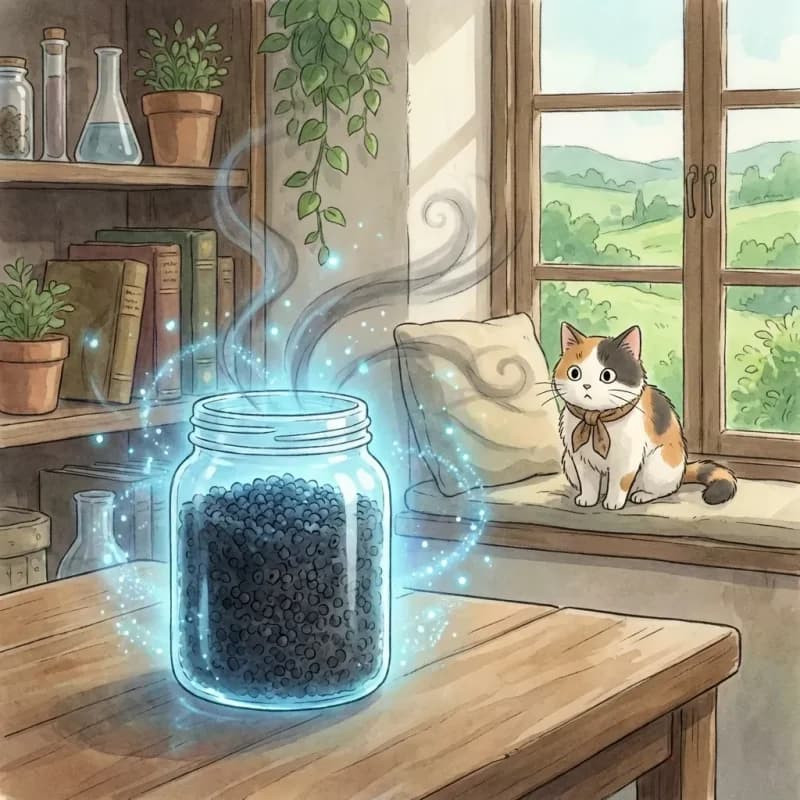
If there's one solution that works in hot weather, it's activated carbon. Here's why:
Why Activated Carbon Works in Heat:
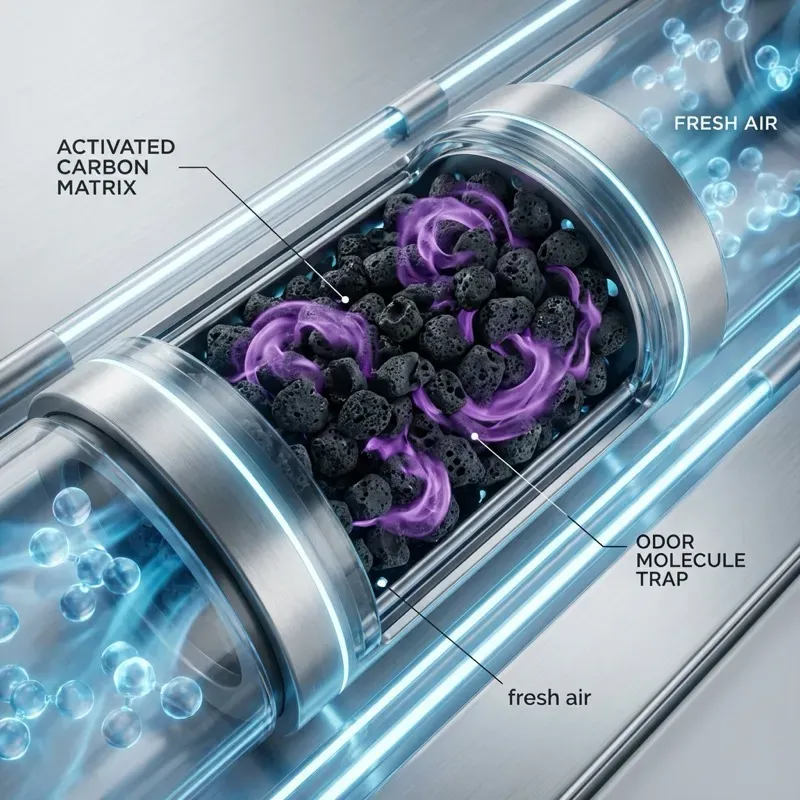
- Traps molecules at the source: Prevents ammonia from evaporating into the air
- No temperature dependency: Works equally well at 20°C or 35°C
- Physical adsorption: Doesn't rely on chemical reactions that heat can disrupt
- High capacity: Can handle the increased ammonia load from hot weather
Unlike baking soda (which stops working when wet) or fragrances (which evaporate faster in heat), activated carbon's performance doesn't decline in summer. In fact, it's specifically designed for volatile compound control in industrial settings-where temperatures can exceed 40°C.
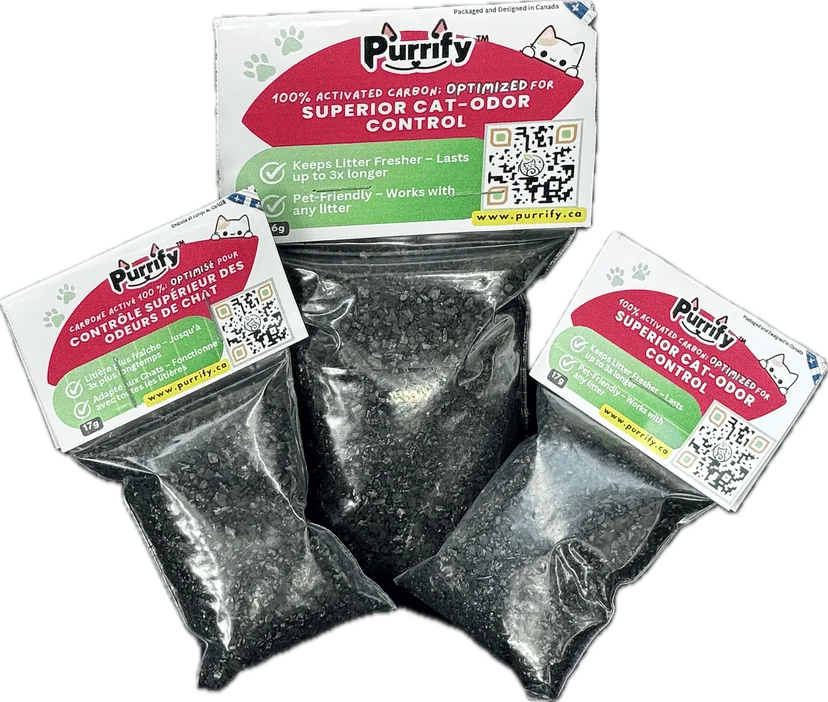
Pro Tip: The Purrify Solution
For the most effective odor control, try Purrify's activated carbon litter additive. Simply sprinkle it in your litter box to eliminate odors for up to 7 days. Made from premium coconut shell carbon, it's the same technology used in water and air filters.
Try Purrify Risk-Free →Solution #2: Increase Scooping Frequency
What worked in winter (once-daily scooping) won't cut it in summer. Heat accelerates ammonia production, so you need to remove waste before it has time to break down.
Summer Scooping Schedule:
- One cat: Scoop twice daily (morning and evening)
- Two cats: Scoop twice daily minimum, three times if possible
- Three+ cats: Scoop three times daily or consider adding another litter box
Solution #3: Strategic Ventilation (But Don't Sacrifice AC)

Smart ventilation helps without sacrificing cool air
Solution #4: Keep Litter Boxes Out of Direct Heat
Where your litter box sits matters more in summer than any other season.
Worst Summer Litter Box Locations:
- • Near windows with direct afternoon sun (can reach 40°C+)
- • In garages or enclosed porches (poor ventilation + heat)
- • Near heat-generating appliances (water heaters, dryers)
- • Upper floors (heat rises, making upstairs hotter)
Best Summer Litter Box Locations:
- • Basement (naturally cooler, better ventilation)
- • Bathroom with exhaust fan (active ventilation + tile floors)
- • Interior laundry room (air-conditioned, away from windows)
- • Shaded corner away from heat sources
Conclusion: Summer Doesn't Have to Mean Suffering
You're not imagining it-cat litter smell genuinely gets worse in summer. Heat accelerates ammonia production, increases bacterial activity, and helps odors spread throughout your home.
But you don't have to accept it as inevitable. With the right approach-especially activated carbon that works regardless of temperature-you can keep your home fresh even during heat waves.
The Free Summer Science Experiment
Still fighting the heat? Try our trial bag for free (just pay $4.76 shipping). If you don't notice the difference the first day you use it, we'll refund your shipping cost.
Adjust the Routine to the Temperature, Not Just the Calendar
Summer odor control gets easier when you stop treating June and August like the same environment. Mild warmth may only require a small increase in scooping and attention to ventilation. True heat waves change the pace completely. Warm litter boxes dry differently, bacteria work faster, and even a box that was stable in spring can become noticeably sharper by late afternoon when the room temperature rises.
A useful summer rule is to match maintenance to conditions. On moderate days, your normal routine plus a small additive refresh may be enough. On hot or humid days, shorten the interval between scoops, check waste containers more often, and keep the box farther from sun-warmed windows, dryers, or utility closets that trap heat. If you wait until the room already smells harsh, you are reacting after the daily peak instead of preventing it.
What Helps in Summer and What Secretly Makes Odor Travel Farther
Summer airflow is tricky because moving air can either help remove odor or spread it more efficiently through the home. Exhaust fans and targeted ventilation usually help because they send air outward. A fan that blows directly across the litter box and into the hallway can do the opposite by carrying odor molecules deeper into shared spaces. Air conditioning can help by lowering indoor humidity and temperature, but closed-up homes often mean the same air keeps cycling unless there is some way to remove the source load.
That is why the best summer setup uses a mix of approaches: direct source control in the box, then smart ventilation that removes odor rather than redistributing it. If you only move hot air around, the whole home can end up smelling like the litter area.
The Summer Travel and Heat-Wave Backup Plan
Summer is also the season when routines get interrupted. Weekend trips, guests, and fluctuating temperatures can make litter smell spike even in homes that are usually under control. Before a hot stretch or a short trip, reset the box fully, leave extra litter depth if your cat tolerates it, empty the waste container, and use a reliable unscented odor-control layer rather than hoping a room spray will carry you through.
If a pet sitter is involved, make the scooping instructions specific. "Please scoop twice daily and tie off waste each time" is far better than "clean as needed." Heat makes vague routines fail faster. A little preparation before the hottest days can prevent the whole house from smelling like a missed-cleaning emergency by the time you get home.
Do Not Forget the Waste Container in Hot Weather
Summer odor spikes are often blamed entirely on the litter box when the waste pail beside it is heating up too. Scooped clumps break down faster in warm rooms, so a disposal system that felt acceptable in winter can become the main smell source in July. Emptying it more often is one of the fastest summer upgrades you can make.
That small change matters because heat magnifies every weak link. If the bin is warm and stale, the room will keep smelling bad even after the litter itself has improved.
Summer Reward Goes to the Most Consistent Homes
Heat punishes inconsistency quickly, but it also rewards steady routines. Homes that tighten scooping, empty waste promptly, and control the warmest parts of the room usually notice that summer odor becomes much more predictable than it used to be.
Summer Makes Prevention More Valuable Than Rescue
Because heat speeds everything up, summer rewards owners who act early. Once the box and waste bin are already overheated, rescue is harder. Preventive maintenance is simply more powerful during the warmest months.