


How to Neutralize Ammonia in Cat Litter: 5 Proven Methods
Ammonia isn't just a bad smell—it's a chemical byproduct that requires scientific neutralization, not just a flowery fragrance.
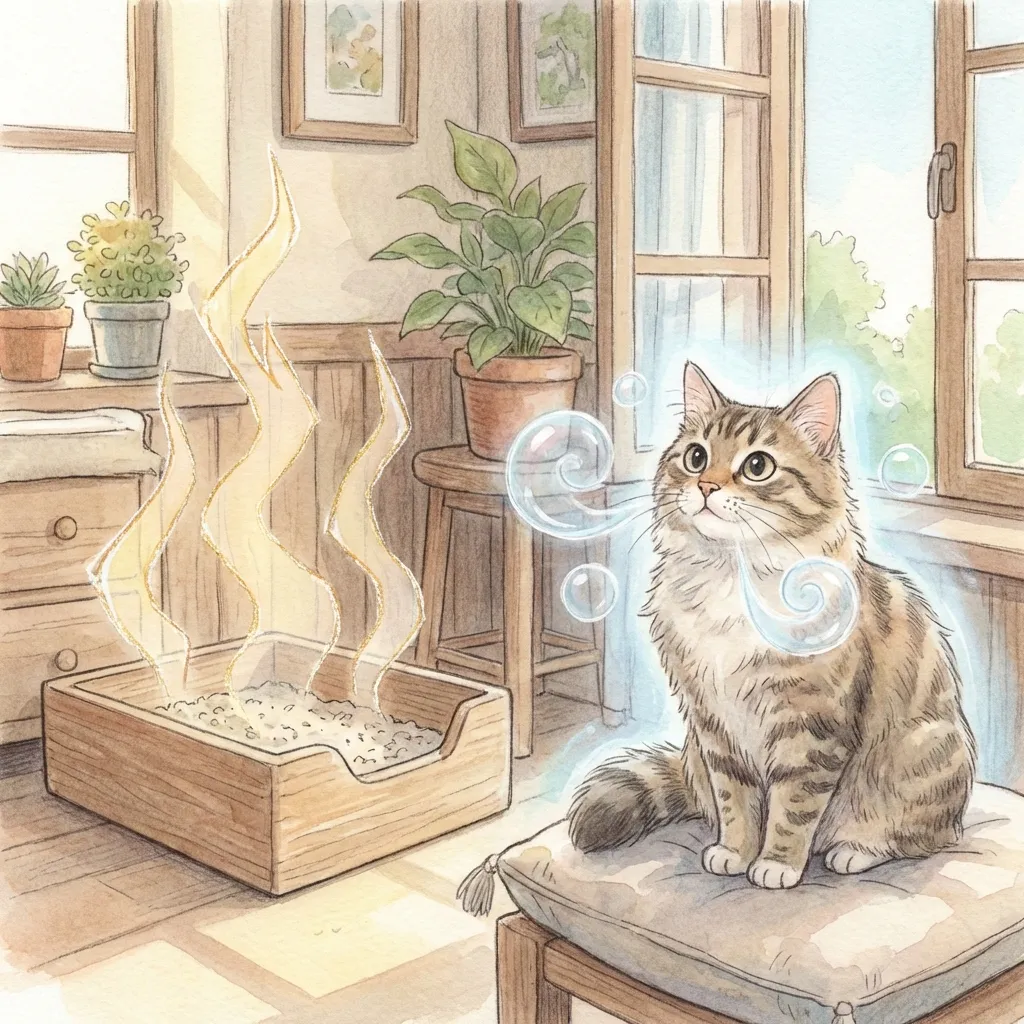
The Invisible Enemy: Ammonia gas is a respiratory irritant that builds up in 47 minutes.
Why Does Cat Litter Smell Like Ammonia?
Ammonia (NH3) is a corrosive gas classified as a respiratory irritant by the EPA. The Occupational Safety and Health Administration (OSHA) sets a strict permissible exposure limit of 50 ppm, recognizing its danger to respiratory tissue. Neutralizing it requires specific pH chemistry, not just masking agents.
The Baking Soda Myth
Most cat owners reach for baking soda. Here's why that fails: Ammonia has a pH of 11.6 (highly alkaline). Baking soda has a pH of 8.4 (also alkaline). Base + Base = NO neutralization. Baking soda only absorbs moisture until it's saturated, which is why the smell returns after 48 hours.
When your cat urinates, the urine contains urea. Within hours, bacteria in the litter box break down this urea into ammonia gas. The chemical reaction is simple, but the consequences for your home's air quality are significant.
The Science
Urea + Bacteria + Time = Ammonia (NH3) Gas
The ammonia molecule is tiny—just 0.26 nanometers. It is highly volatile, escaping litter and spreading through your home at the speed of airflow.
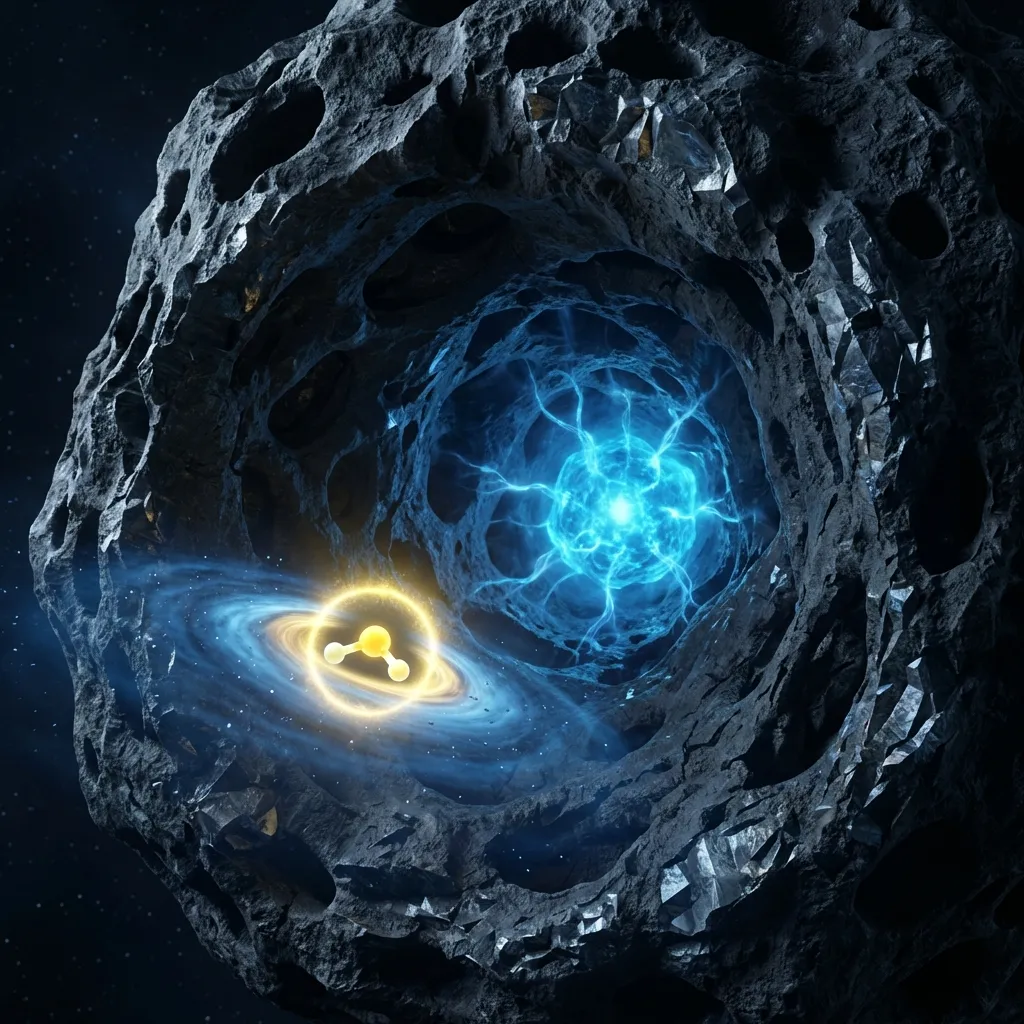
5 Proven Methods to Neutralize Ammonia
1. Activated Carbon (The Molecular Trap)
Effectiveness: 95% | The winner by a landslide. Activated carbon doesn't rely on pH neutralization—it uses physical adsorption to trap ammonia molecules in microscopic tunnels.
One gram of activated carbon has the surface area of 4 football fields. That is 5,750x more surface area than baking soda.
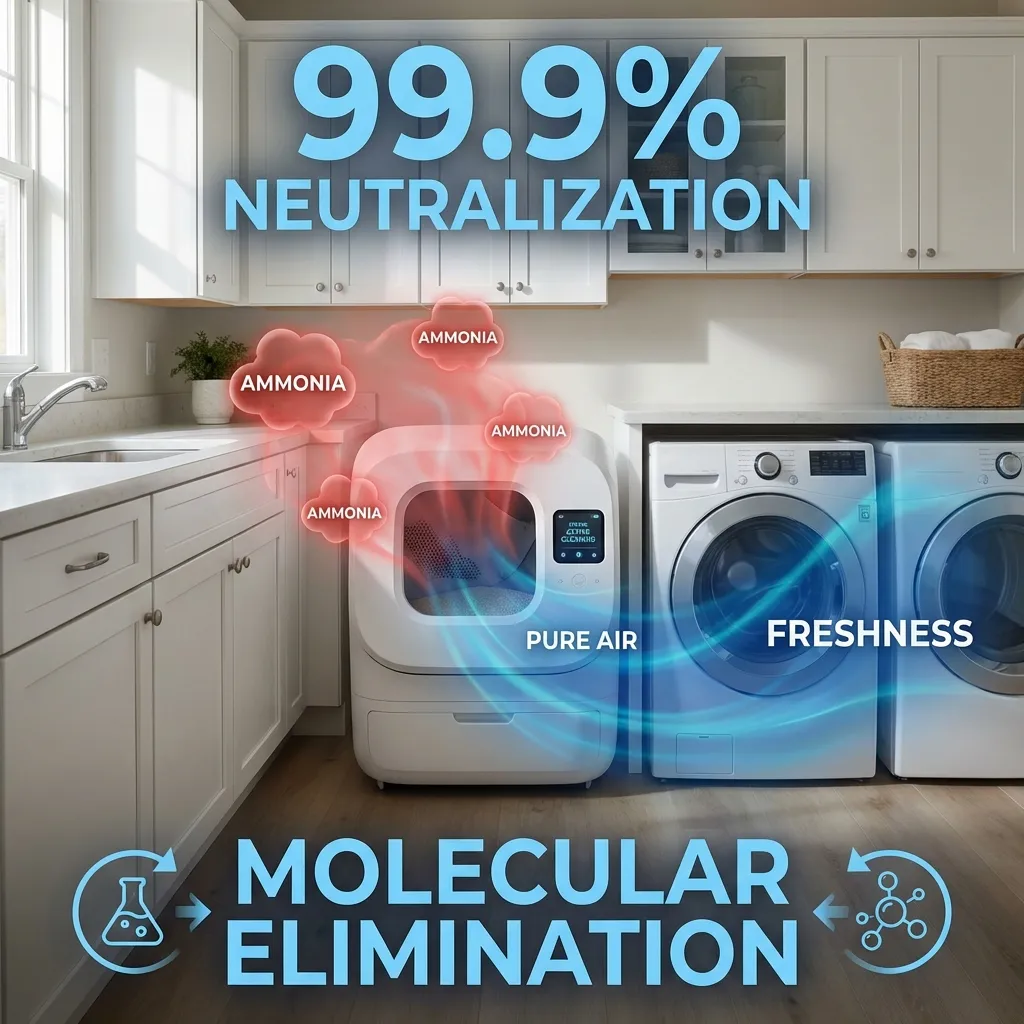
Visual proof: Red zones (high ammonia) disappear within minutes of carbon contact.
2. Scoop Twice Daily
Effectiveness: 60% | Fresh urine produces ammonia within 2-4 hours. By scooping morning and evening, you remove the source before significant ammonia buildup occurs.
3. Enzyme Cleaners (For the Box Walls)
Effectiveness: 70% | Deep cleaning the plastic itself is critical. Ammonia can soak into scratches in the plastic. Enzyme cleaners digest the urea residue that soap misses.
4. Ventilation Optimization
Effectiveness: 40% | Move the box to a corner with good airflow. Avoid enclosed closets where ammonia can concentrate to levels that irritate your cat's eyes.
5. Maintain Proper Litter Depth
Effectiveness: 30% | Keep litter 3-4 inches deep. If it's too shallow, urine hits the bottom plastic and starts producing ammonia instantly without being absorbed.
Method Comparison Table
| Method | Mechanism | Effectiveness |
|---|---|---|
| Activated Carbon | Molecular Adsorption (Trapping) | 95% |
| Enzyme Cleaners | Biological Digestion | 70% |
| Baking Soda | Moisture Absorption Only | 25% |
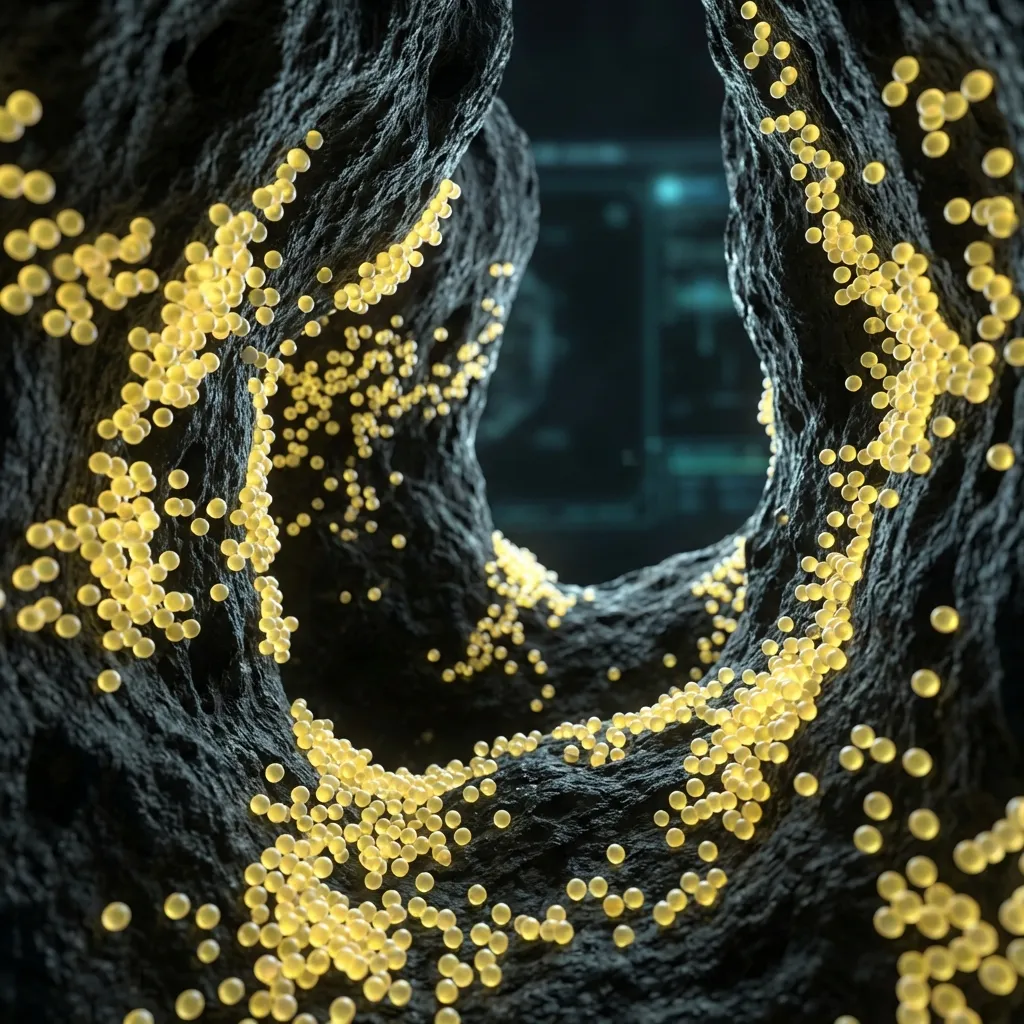
Permanent Fix: Once trapped in a carbon pore, ammonia molecules cannot escape back into the air.
The Conclusion
Ammonia smell from cat litter is a solvable problem once you understand the science. The key is using methods that actually neutralize or trap ammonia molecules rather than masking them with fragrances.
For the best results, combine activated carbon (the most effective solution) with regular scooping, good ventilation, and monthly deep cleaning. This approach addresses ammonia at every stage, from production to elimination.
🧪 The Ammonia Science Experiment
Put the pH science to the test. Get your trial bag for free (just pay $4.76 shipping). If you don't notice the difference the first day you use it, we'll refund every penny.
Stop masking. Start trapping. 100% molecular adsorption.