


How to Eliminate Cat Litter Odor: A Complete Guide
Discover proven methods to keep your home fresh and odor-free with natural cat litter deodorizing solutions. Learn how activated carbon technology can transform your cat care routine.
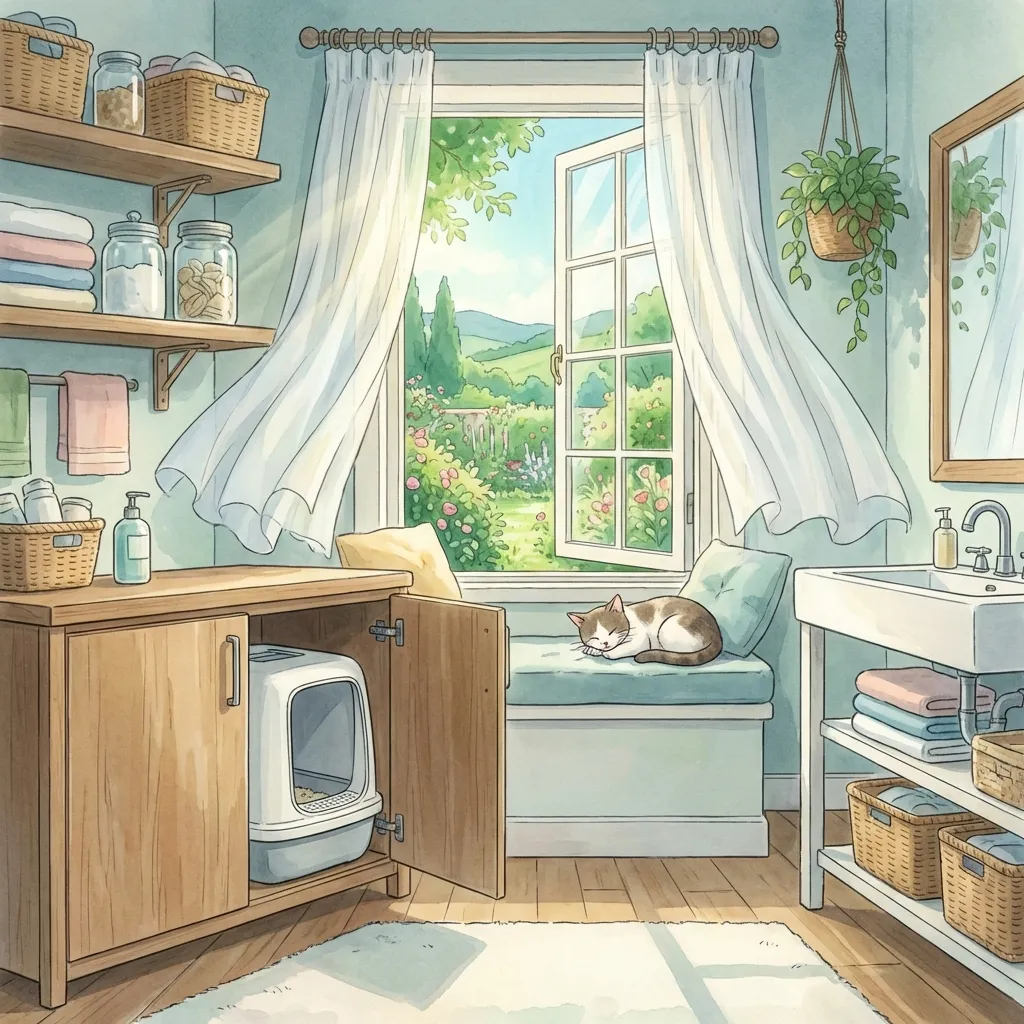
A fresh-smelling home is essential for both you and your feline companion
Why Does Cat Litter Smell So Bad?
Before we can eliminate the smell, we must understand the enemy. Cat urine is highly concentrated with **urea**, a compound that bacteria break down into **ammonia**. This is what causes that sharp, eye-watering stench that seems to stick to your walls.
Feces, on the other hand, contain mercaptans (sulfur compounds)—the same chemicals found in skunk spray. When these two odors combine in an enclosed box, you get a uniquely potent cocktail that most air fresheners simply cannot touch.
💡 The Bacteria Factor
Odor isn't just about waste; it's about time. Bacteria take 20-30 minutes to start producing noticeable ammonia. This window is your opportunity to trap the molecules before they become airborne.
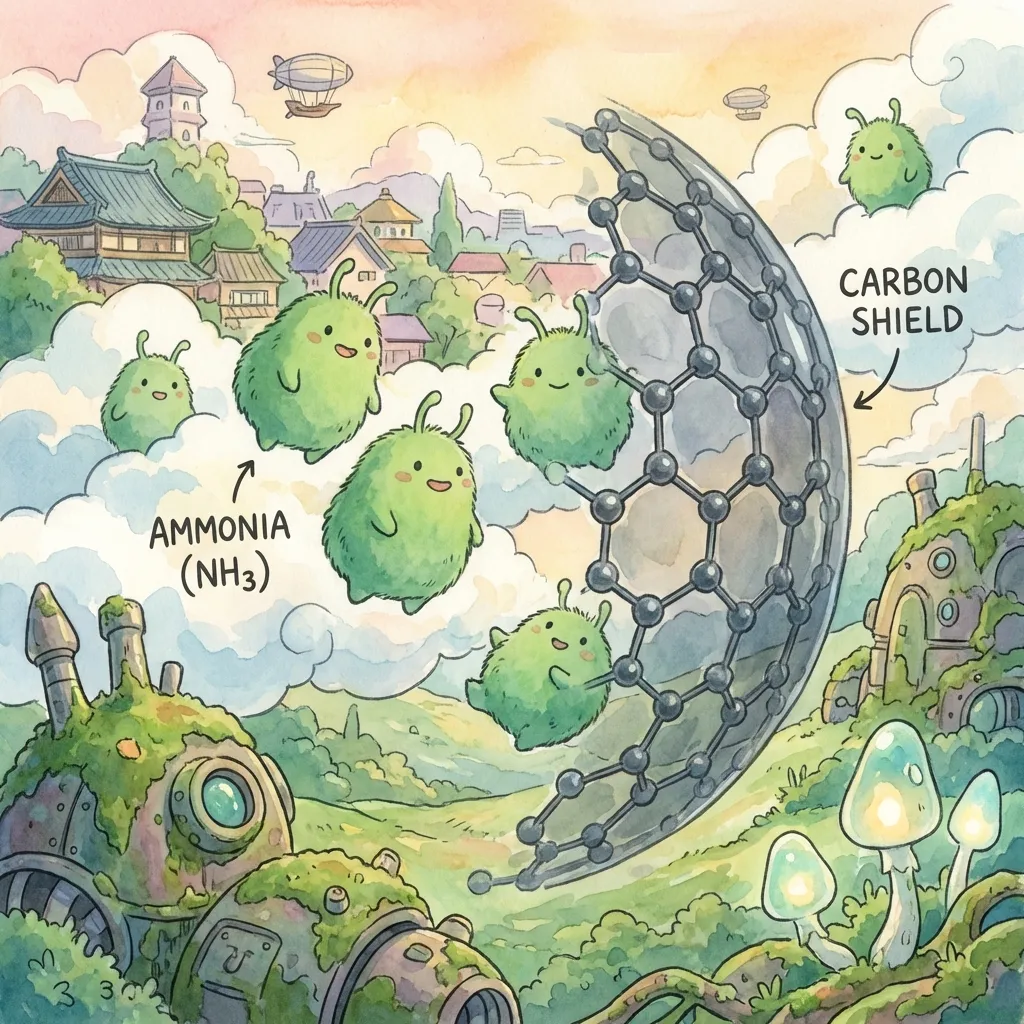
Why Traditional Solutions Fail
Most cat owners go through a cycle of trial and error (mostly error) with products that claim to help:
-
✗
Baking Soda: Good for minor fridge odors, but chemically too weak to neutralize strong ammonia concentrations in a litter box.
-
✗
Scented Litters: They don't remove odor; they just layer a floral perfume on top of poop smell. The result is often worse than the original odor.
-
✗
Air Fresheners: These spray tiny oil droplets into the air that temporarily numb your nose but do nothing to stop the bacteria in the box.
The Science of Activated Carbon
The only way to truly **eliminate** cat litter odor is to physically remove the odor molecules from the air. This is where **Activated Carbon** reigns supreme. It is the same material used in military gas masks and hospital air filtration systems.
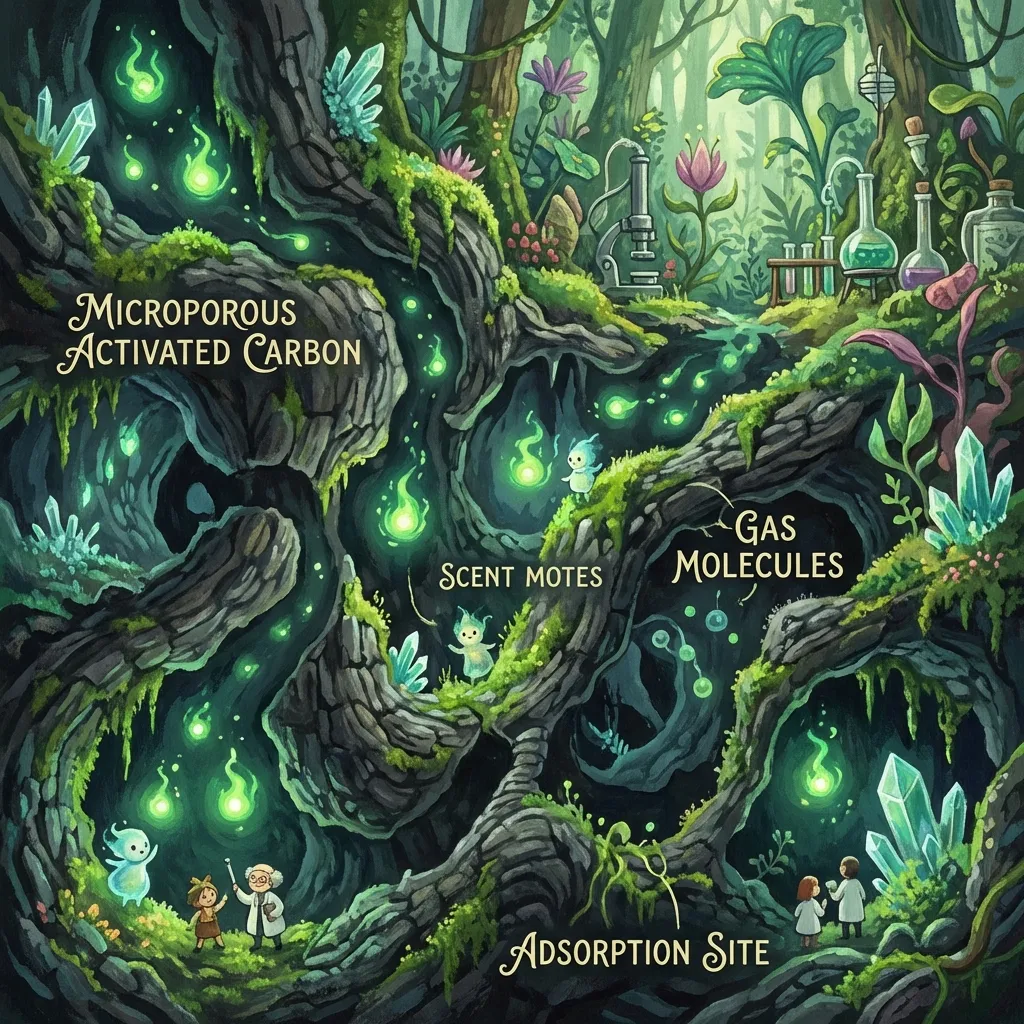
Unlike absorption (like a sponge soaking up water), activated carbon works via **adsorption**. Odor molecules are magnetically drawn into the carbon's millions of microscopic pores and trapped there forever. One teaspoon of activated carbon has the surface area of a football field.
The 5-Minute Daily Routine for a Odor-Free Home
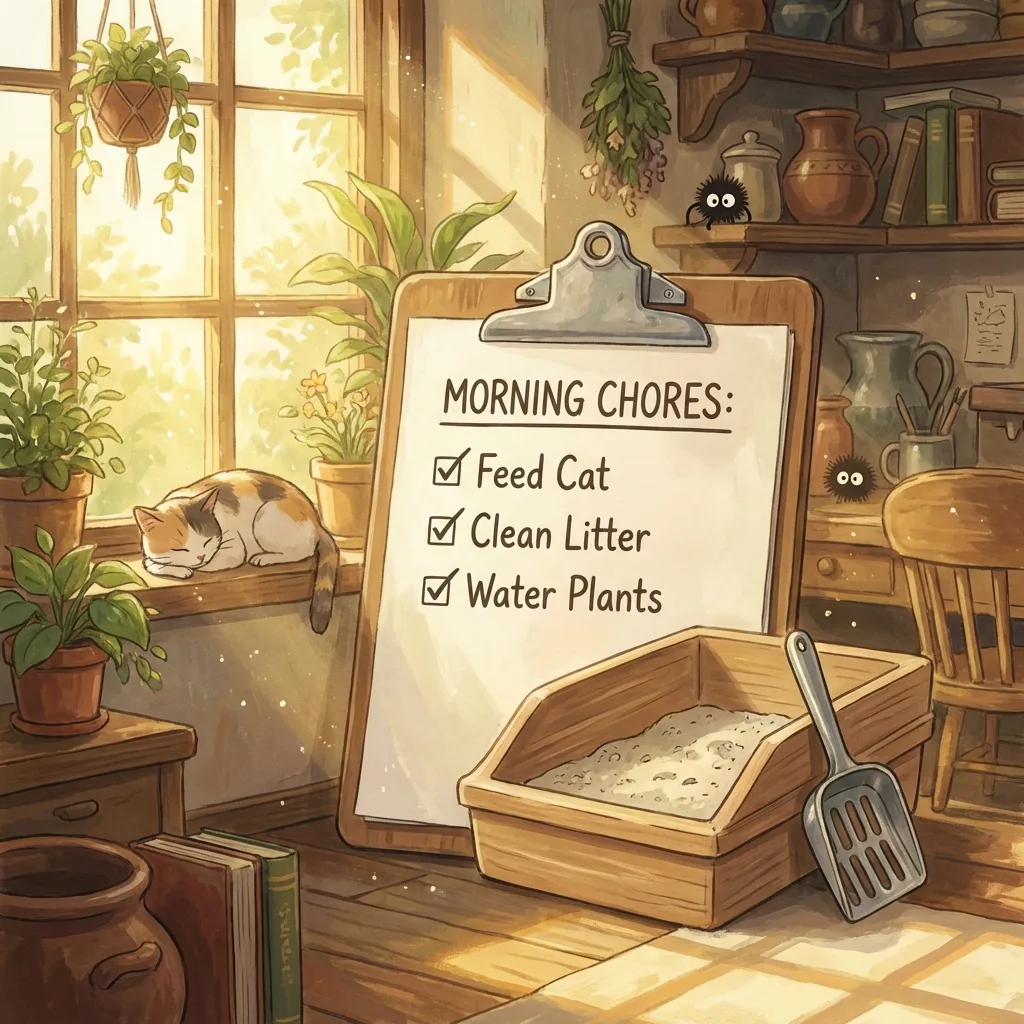
You don't need to change the litter every day. You just need a smarter routine. Follow this protocol to keep your home smelling neutral.
1. The Scoop
Scoop twice daily—once in the morning, top-up in the evening. Removing the source of bacteria is step one.
2. The Boost
After scooping, sprinkle 1-2 tablespoons of **Purrify Activated Carbon** over the remaining litter. This refreshes the odor-adsorbing layer.
3. The Mix
Use your scoop to mix the carbon into the top 2 inches of litter. This ensures that any new urine hits a layer of carbon immediately.
4. The Wipe
Wipe down the inside walls and rim of the box with an enzyme cleaner weekly. Dried splash-back is a hidden source of smell.
The Material Choice: Plastic vs. Stainless Steel
Most litter boxes are made of cheap, porous plastic. Over time, your cat's claws create microscopic scratches in the surface. These scratches become breeding grounds for bacteria that no amount of scrubbing can reach. This is why a "clean" box can still smell like old urine.
The Plastic Expiry Date
If you use a plastic litter box, you should replace it every 12 months. If you want a permanent solution, switch to **stainless steel**. It is non-porous, doesn't scratch, and won't hold onto odors for years.
Advanced Habits for Multi-Cat Households
If you have more than one cat, the "one box per cat plus one" rule is mandatory, not a suggestion. But even with enough boxes, you can face territorial marking or overlapping use that spikes ammonia levels.
- The "Staggered Scoop": Instead of scooping all boxes at once, stagger them. This ensures there is always one "perfectly fresh" box available, reducing the chance of a cat choosing the floor.
- Carbon Reinforcement: In high-traffic boxes, double the amount of Purrify. The adsorption capacity is finite, and more cats mean more molecules that need trapping.
- Enzyme Pre-Wash: Once a month, soak the boxes in a high-quality enzymatic cleaner for 1 hour before doing a full litter swap.
Diet & Health: The Internal Factor
If the smell is eye-wateringly bad despite a clean box, check your cat's diet. Low-quality foods with high grain fillers often lead to smellier waste because the cat cannot digest them properly.
High-Protein Note: Paradoxically, extremely high-protein diets can also cause smellier poop (sulfur). Finding a balanced, high-quality wet food can improve digestion and reduce litter box output odor.
Ventilation Hacks for Apartments
For small spaces, airflow is critical. Never place the litter box in a dark, unventilated closet.
- Air Purifiers: Place a HEPA air purifier NEXT to the litter box (not pointing at it).
- Cross Ventilation: Even cracking a window an inch can help exchange air.
- Avoid Humidity: Bathrooms are popular spots, but shower humidity makes ammonia smell worse. If you must use a bathroom, run the exhaust fan.
🏆 The Professional Solution
Stop guessing and start solving. Purrify's coconut-shell activated carbon is the most powerful natural odor eliminator available.
Shop Purrify Today →Conclusion
Eliminating cat litter odor is about science, not magic sprays. By combining a solid cleaning routine with the molecular trapping power of activated carbon, you can finally take a deep breath in your own home.