


Why Does My House Smell Like Cat Litter?
It's not that you're cleaning poorly—it's that you're likely suffering from "nose blindness" while odor molecules spread through your home's air.
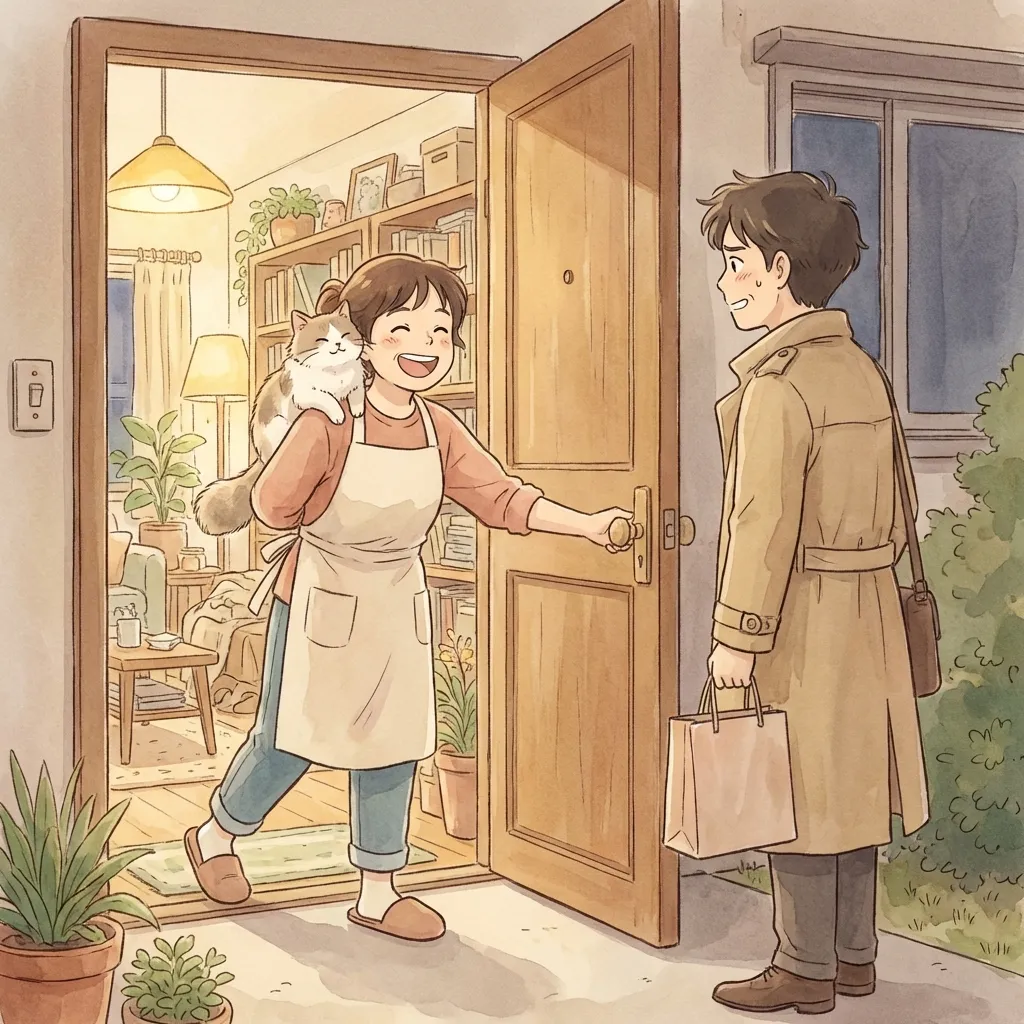
Nose Blindness: Research in Chemical Senses confirms olfactory fatigue occurs within minutes for residents.
Quick Answer
Your home smells like cat litter because ammonia and sulfur compounds are gases. They don't stay in the box—they escape into the air and travel through your HVAC system. True elimination requires molecular trapping technology, not just adding perfume to the air.
Why Cat Litter Smell Spreads Throughout Your Home
Cat litter odor comes from two molecular culprits that escape at the speed of airflow:
Ammonia (From Urine)
Bacteria break down urea into ammonia gas. This creates that sharp, eye-watering smell. It releases 47 minutes after your cat uses the box.
Sulfur (From Feces)
Organic waste produces sulfur-based compounds—similar to rotten eggs. These are incredibly potent; even tiny amounts trigger our noses' warning systems.
6 Reasons Your Home Still Smells
1. Fragrance Masking Failure
Scented litters and air fresheners fade within 24-48 hours. Meanwhile, the underlying odor continues building. You end up with perfume AND cat smell—worse than either alone.
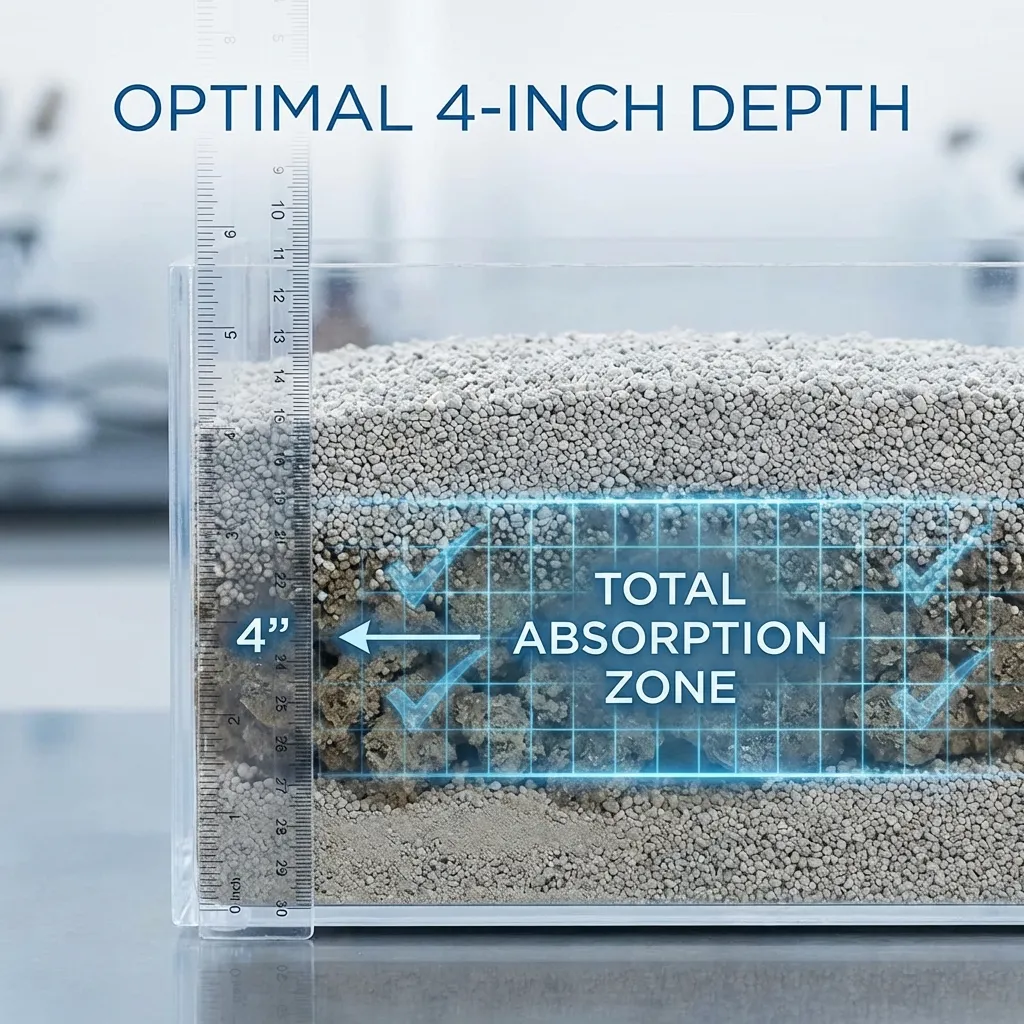
2. Shallow Litter Depth
Less than 3 inches of litter can't absorb urine properly before it reaches the box bottom. Once it hits the plastic, bacteria multiply exponentially in the scratches.
3. Poor Box Location
Boxes near HVAC returns spread odor throughout your entire home. Boxes in small, humid bathrooms allow ammonia to release faster into the air.

The Goal: Freshness that reaches every corner of your home.
4. Not Enough Boxes
The N+1 rule applies: one box per cat plus one extra. Overused boxes saturate litter faster than it can dry, creating constant ammonia release.
5. The "Scratched Plastic" Trap
Old litter boxes have thousands of microscopic scratches from cat claws. Ammonia and bacteria soak into these crevices where soap and water can't reach. Replace boxes annually.
The Solution: Molecular Adsorption
True elimination requires capturing molecules before they escape. Activated carbon technology does exactly this—it's the same method used in high-purity drinking water filters and hospital air filtration systems.
The Scale is Staggering
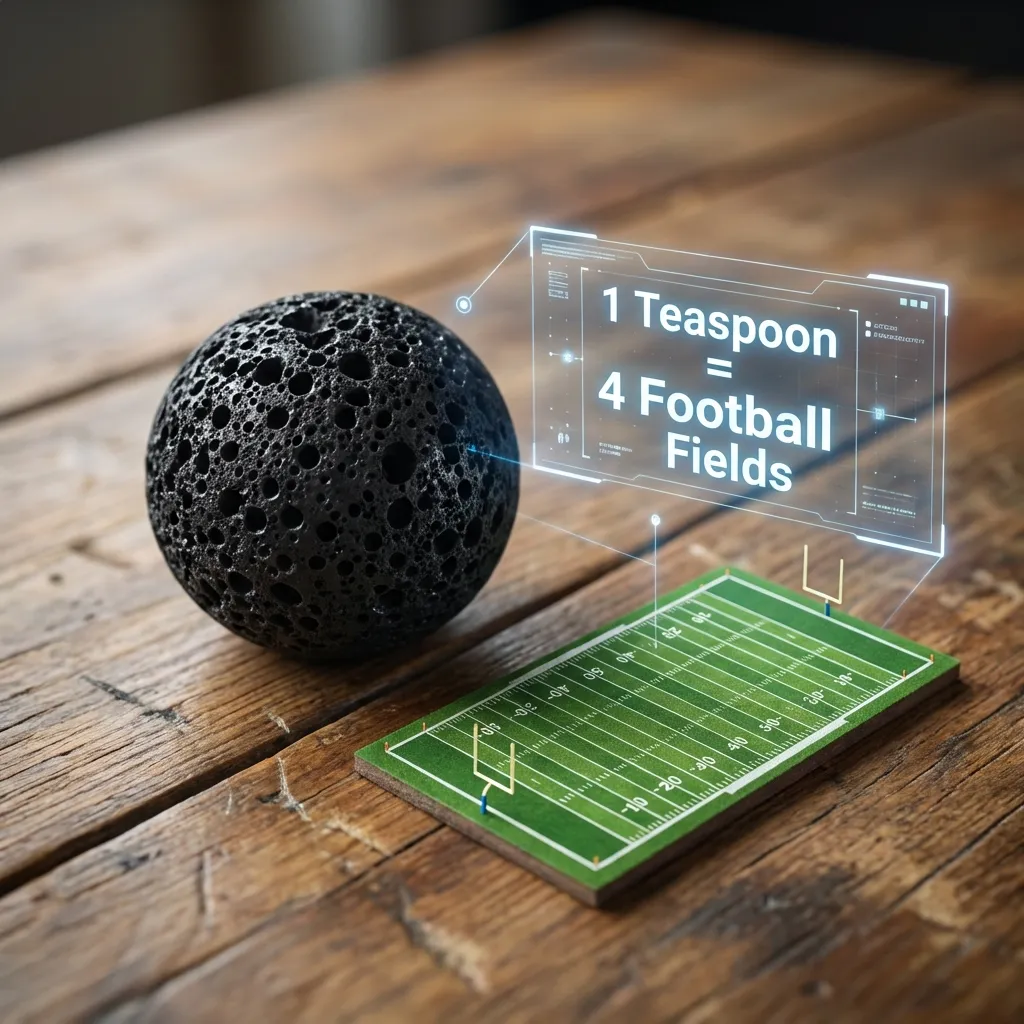
One gram of activated carbon contains millions of microscopic tunnels. The surface area is equivalent to 4 football fields. This provides massive capacity for capturing the gases that escape from your litter box.
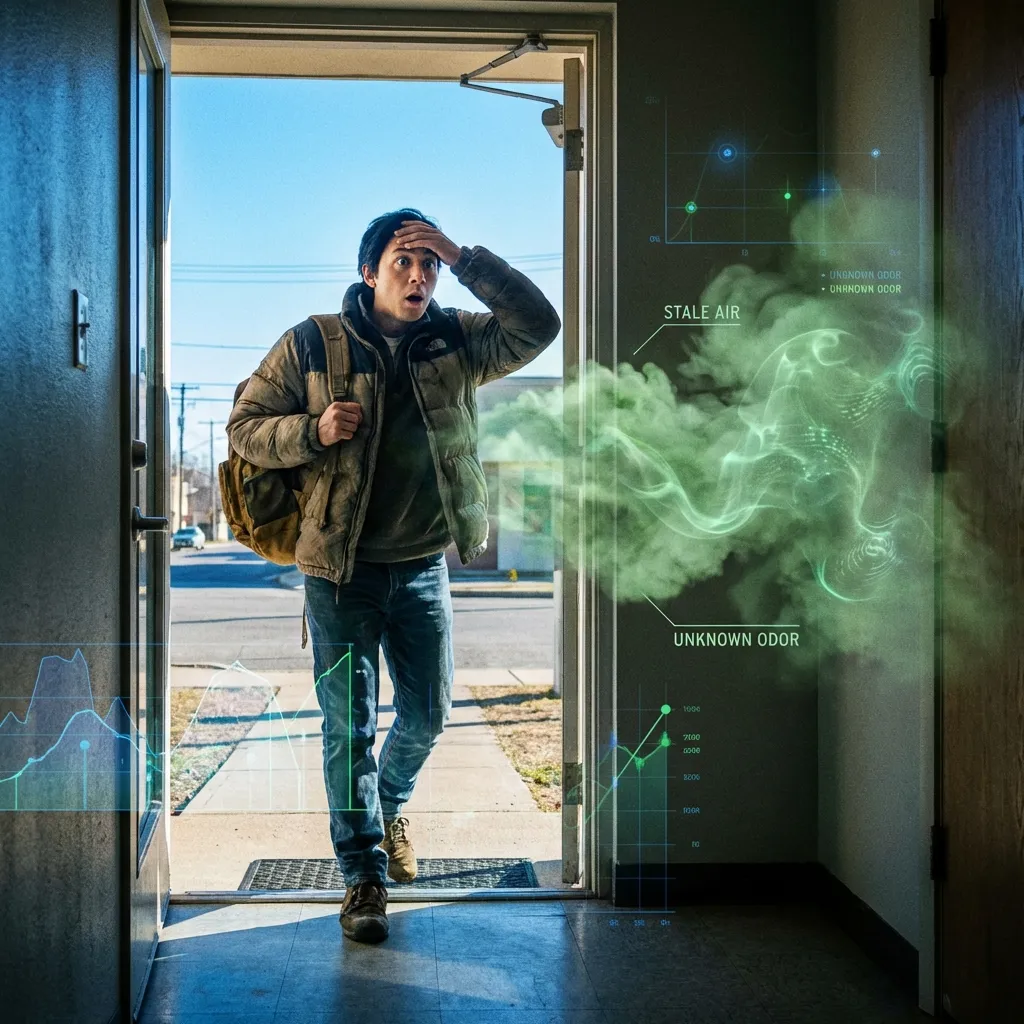
Stop Guessing: If you have to ask if it smells, it likely does.
Your 5-Minute Freshness Audit
- 1. Open a window: Leave for 20 minutes, then return. The first 3 seconds when you walk back in are when your nose reset is most sensitive.
- 2. Check depths: Is there at least 3 inches of litter? If you see the plastic bottom, you're leaking odors.
- 3. Sniff the carpet: Tracking spread microbes that produce "ghost odors" in rugs near the box.
🧪 The Nose Blindness Reset
Test the molecular trapping power yourself. Get your trial bag for free (just pay $4.76 shipping). If guests don't stop noticing the smell on the first day, we'll refund every penny.
Same technology NASA uses on the ISS to keep air breathable. 100% fragrance-free.