


Best Cat Litter for Multiple Cats (2026)
When you have 2+ cats, ordinary litter can't keep up. Here's how to choose litter that handles heavy use and eliminates multi-cat ammonia smell.
Quick Answer
The best cat litter for multiple cats must clump tightly, absorb moisture quickly, and neutralize ammonia from multiple sources. Most multi-cat households benefit from clumping clay with activated carbon additive—the clay handles waste efficiently while activated carbon traps odour molecules that build up from 2+ cats.
Crystal litters excel at moisture absorption but can be expensive for large households. Natural litters work if changed frequently. The key is adding activated carbon to any litter type for serious odour control.
Why Multiple Cats Need Different Litter
Two cats don't produce twice the odour—they produce 3-4 times the odour due to concentrated ammonia. Here's why:
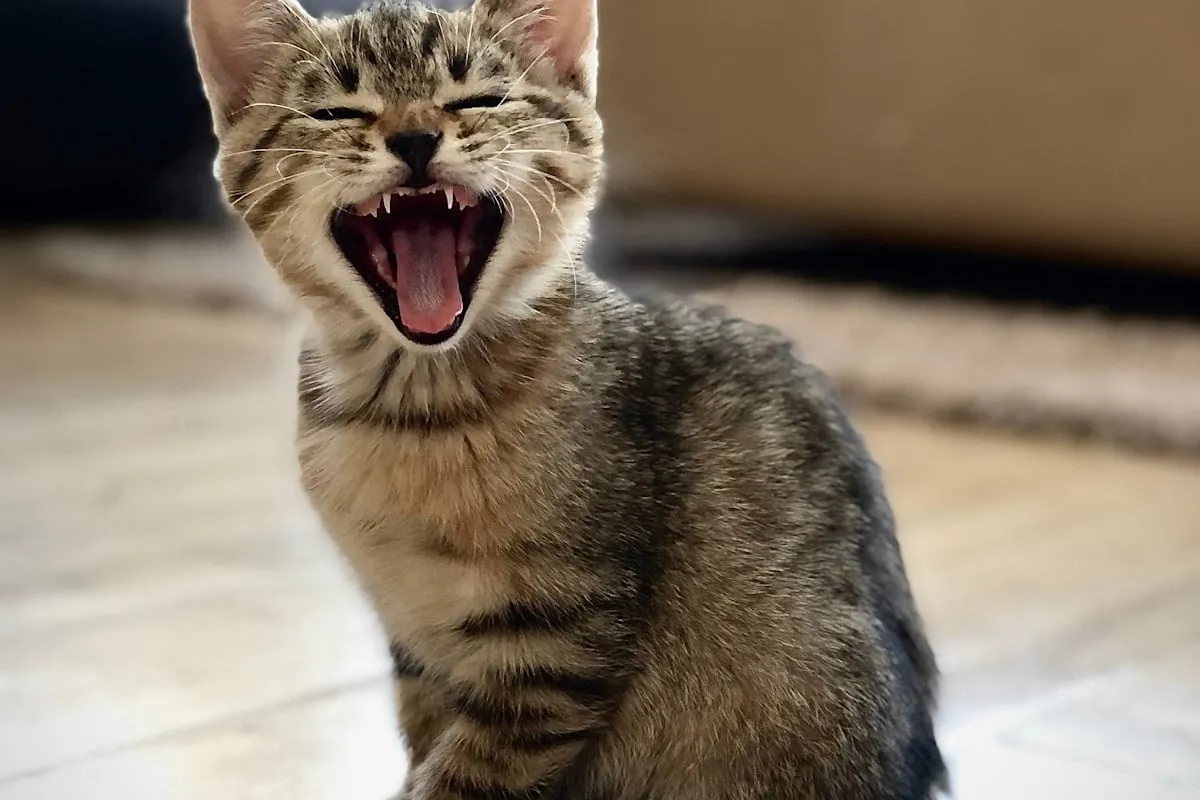
The Multi-Cat Odour Problem
- • More frequent use: Box gets saturated faster
- • Moisture buildup: Clumps break down, releasing ammonia
- • Box avoidance: Cats avoid dirty boxes, creating accidents
- • Territory marking: Multiple cats means more territorial behaviour
The rule of thumb: one box per cat, plus one extra. But even with enough boxes, you need litter that can handle intense use.
Best Litter Types for Multi-Cat Homes
Clumping Clay + Activated Carbon
Top PickThe winning combination: quality clumping clay for waste management, plus activated carbon to trap ammonia molecules. This setup handles both high volume and intense odour.
Why It Works
- • Tight clumps = easy scooping
- • Carbon eliminates ammonia gas
- • Lasts 7+ days between changes
- • Cost-effective for multiple boxes
Best For
- • 2-4 cat households
- • Apartments with limited ventilation
- • Budget-conscious multi-cat owners
- • Heavy litter box traffic
Crystal/Silica Gel Litter
Crystals absorb moisture exceptionally well, making them ideal for high-traffic boxes. They last longer between changes but cost more upfront.
Pros
- • Excellent moisture absorption
- • Low dust
- • Lasts 2-3 weeks per box
- • Lightweight
Cons
- • Higher cost for multiple boxes
- • Must scoop solids daily
- • Some cats dislike the texture
- • Doesn't clump like clay
Natural/Plant-Based Litters
Corn, wheat, walnut, and wood litters can work for multi-cat homes, but require more frequent changing. Best when combined with activated carbon additive.
Pros
- • Eco-friendly and biodegradable
- • Many clumping options available
- • Low dust formulas
- • Natural odour control
Cons
- • Needs frequent changing (4-5 days)
- • Can be more expensive
- • Varies in clumping quality
- • May attract insects if not fresh
Multi-Cat Litter Box Strategy
The 3-3-7 Rule for Multi-Cat Success
- 3 boxes minimum: For 2 cats, use 3 boxes. For 3 cats, use 4 boxes. Always N+1.
- 3 inches of litter depth: Deeper litter allows better clumping and moisture absorption.
- 7+ days between full changes: With activated carbon, properly managed boxes stay fresh a full week.
Daily Routine
- • Scoop all boxes twice daily
- • Top up litter as needed
- • Wipe box edges
- • Check for avoidance behaviour
Weekly Routine
- • Full litter change (all boxes)
- • Wash boxes with mild soap
- • Add fresh activated carbon
- • Inspect for wear or damage

Why Activated Carbon Matters for Multi-Cat Homes
Multi-cat households generate exponentially more ammonia than single-cat homes. Ordinary litter can't keep up—you need activated carbon to trap gas molecules at the source.
The Ammonia Multiplication Effect
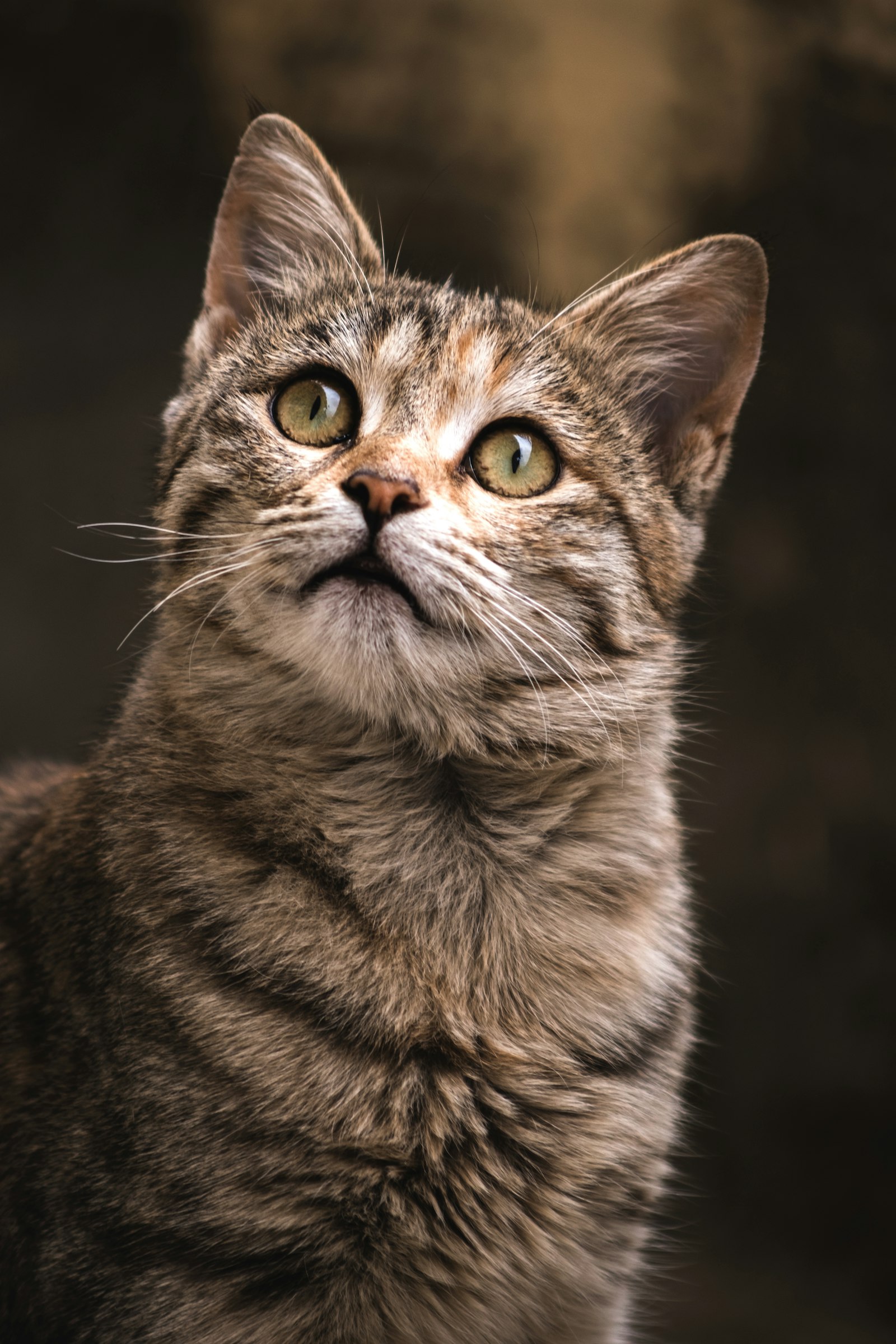
Purrify uses food-grade coconut shell activated carbon—the same material in drinking water filters. It traps ammonia molecules before they escape the litter box.
Common Multi-Cat Litter Problems (& Fixes)
Problem: House Smells Like Ammonia
Cause: Litter can't absorb moisture fast enough. Ammonia gas escapes.
Fix: Add activated carbon deodorizer. Increase scooping to 3x daily. Consider adding another box.
Problem: Cats Avoiding Litter Boxes
Cause: Boxes too dirty. Cats refuse to use heavily soiled litter.
Fix: Scoop twice daily minimum. Add one more box than you have cats. Ensure boxes are spread out (not clustered).
Problem: Tracking Litter Everywhere
Cause: Small, lightweight granules stick to paws.
Fix: Use larger granule litter or add litter mats. Consider covered boxes with entry grates.
Frequently Asked Questions
How many litter boxes do I need for 2 cats?
Three boxes minimum. The rule is one box per cat, plus one extra. This prevents territorial disputes and ensures cats always have a clean option.
Is clumping or non-clumping better for multiple cats?
Clumping litter is better for multi-cat homes. It allows you to remove only soiled areas, making litter last longer and keeping boxes fresher between full changes.
How often should I change litter with multiple cats?
Full changes every 5-7 days with quality clumping litter. With activated carbon additive, you can extend this to 7+ days while maintaining freshness.
Can I use different litter types in different boxes?
Yes, but most cats prefer consistency. If you want to test new litter, introduce it gradually in one box while keeping others unchanged.
Multi-Cat Odour Elimination That Actually Works
Purrify activated carbon handles ammonia from multiple cats. Sprinkle, mix, done—7+ days of freshness even with 3+ cats using the same boxes.
- ✓ Handles heavy use: Proven in multi-cat households
- ✓ Works with any litter: Add to clay, crystal, or natural litters
- ✓ Fragrance-free: Cats actually use boxes that smell clean, not perfumed