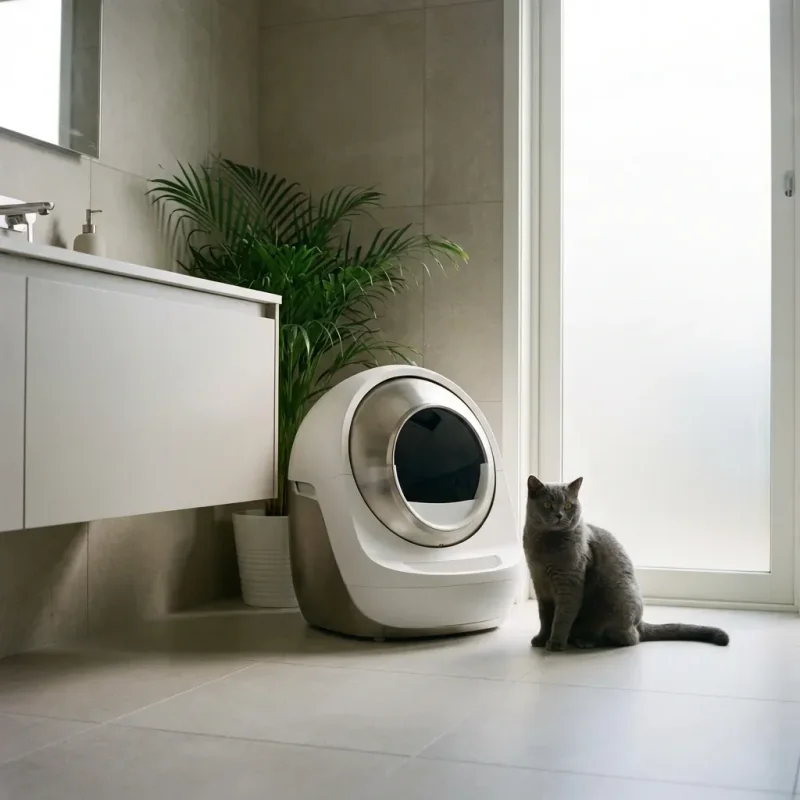
Quick Answer
Fast cat pee removal follows the same four moves every time: blot, soak with enzyme cleaner, extract moisture, and dry the area completely before you recheck the smell.
- • Fast cat urine removal stops cat pee odor from bonding deeper into carpet, padding, and subfloor.
- • Before cleaning the area, open windows and gather towels, gloves, and a surface-safe enzyme cleaner.
- • If you're trying to get rid of cat smell in house rooms too, use the same process and inspect rugs, vents, and upholstery.
- • If you need to know how to get rid of cat urine smell in house or how to remove cat pee smell from house carpet, treat the padding and nearby soft surfaces, not just the visible spot.
The Apartment Problem
Cat urine doesn't just smell bad-it crystallizes. Those crystals bond to carpet fibers, hardwood grain, and concrete pores. Surface cleaning won't touch them.
If you don't eliminate the uric acid crystals, the smell comes back every time humidity rises. Your landlord will notice. Your deposit is at risk.
Why Cat Pee Is Worse in Apartments
You own a house? You can replace carpet. Refinish floors. Seal subfloors with shellac if needed.
Rent an apartment? You don't have those options. You need to eliminate the smell without damaging property you don't own.
The frustration of apartment living with a cat accident
Here's what makes apartments harder:
Limited Ventilation
Apartments have fewer windows, less airflow. Odor molecules concentrate. What would dissipate in a house lingers in an apartment for weeks.
Shared Walls & Neighbors
Your neighbor can smell it through vents and shared walls. Complaints reach management. Management reaches you.
Cheaper Materials
Builder-grade carpet absorbs urine like a sponge. Cheap laminate swells. Unsealed concrete in older buildings is porous-urine soaks in deep.
Deposit at Stake
Landlords charge for odor remediation. Professional cleaning runs $200-$800. Carpet replacement? Entire deposit gone.
The Time Factor
Cat urine smell gets worse with time. The bacteria in urine break down urea into ammonia. The longer you wait, the stronger the smell-and the deeper it penetrates.
Immediate Action (First 24 Hours)
You just found the spot. Maybe it's fresh. Maybe it's been there for days. Either way, here's what to do right now:
Step-by-Step Emergency Protocol
Blot (Don't Rub)
Fresh urine: Stack paper towels on the spot. Stand on them. Let them absorb. Replace towels. Repeat until towels come up barely damp. Rubbing spreads urine into more carpet fibers.
Enzyme Cleaner Application
Soak-don't spray-the area with enzyme cleaner. Use enough to reach the carpet padding. The enzymes need to contact every urine molecule. Cover the spot with plastic wrap to prevent evaporation. Let sit 10-15 minutes.
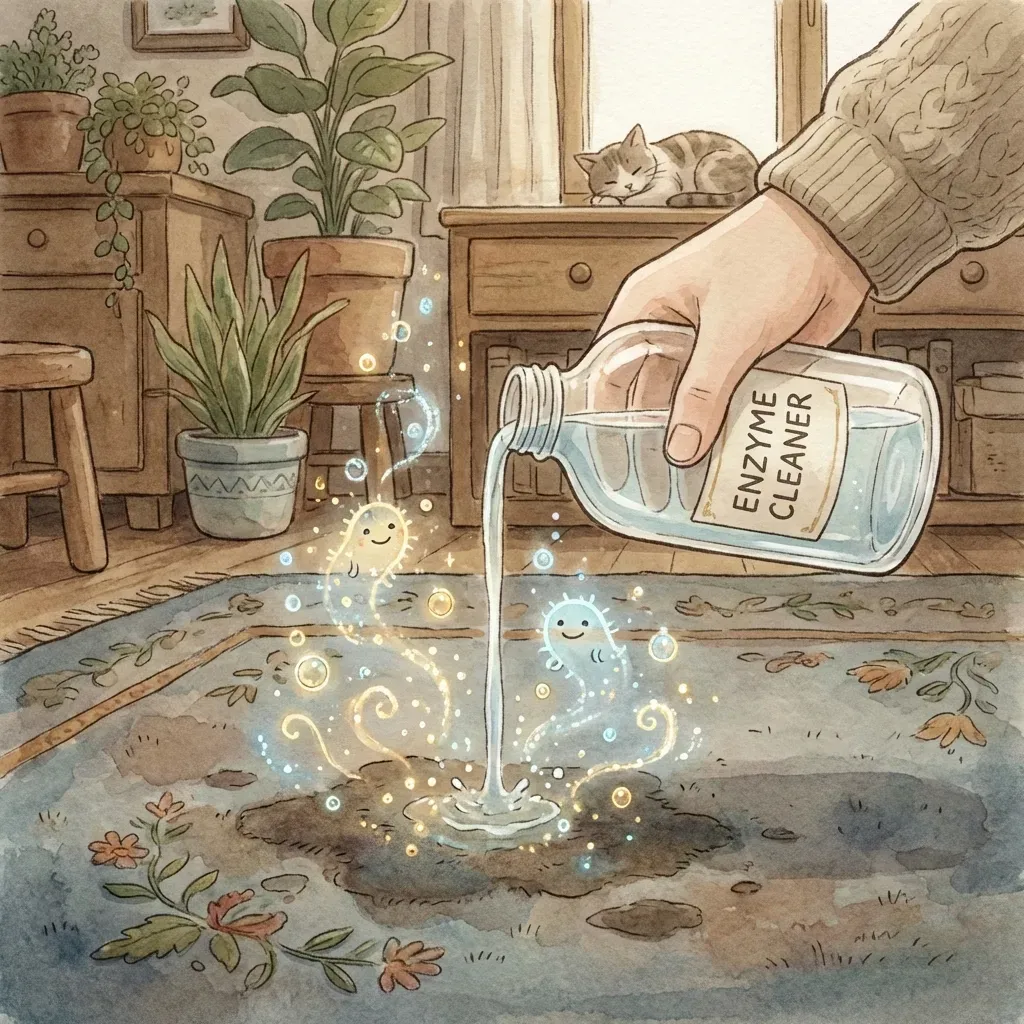
Enzymes working their magic on a molecular level
Critical: Regular cleaners don't work. You need enzymatic cleaners that break down uric acid.
Extract & Dry
Remove plastic. Blot again with clean towels. If you own a wet/dry vacuum, extract as much moisture as possible. Point a fan at the spot. Open windows if weather permits. Faster drying = less bacterial growth = less smell.
Repeat (Seriously)
Once isn't enough. After the area dries (6-12 hours), sniff test it. Still smell urine? Repeat the enzyme treatment. Some stains need 3-4 applications to fully eliminate.
What NOT to Do
- • Don't use ammonia-based cleaners – Smells like cat pee to cats. They'll mark the spot again.
- • Don't use vinegar on hardwood – Acidic. Damages finish. Use on tile/concrete only.
- • Don't use steam cleaners – Heat sets the stain permanently by bonding protein to fibers.
- • Don't cover with baking soda immediately – Absorbs moisture but doesn't break down uric acid crystals.
Carpet Treatment (Full Protocol)
Carpet is the worst. Urine does not stop at the surface. It sinks into the padding and sometimes the subfloor. To remove cat pee odor, your cleaner has to reach the same depth.
Materials You Need
- • Enzymatic pet odor eliminator (Nature's Miracle, Rocco & Roxie, or similar)
- • Wet/dry vacuum (rent one if needed-$30/day, worth it)
- • Black light flashlight (reveals old urine stains)
- • White vinegar (50/50 with water for initial rinse)
- • Baking soda (final deodorizing step)
- • Clean towels or paper towels (lots of them)
Deep Carpet Cleaning Process
Phase 1: Identify All Spots
Close curtains. Turn off lights. Use the black light to scan the entire room. Urine glows yellow-green under UV light. Mark every spot with tape.
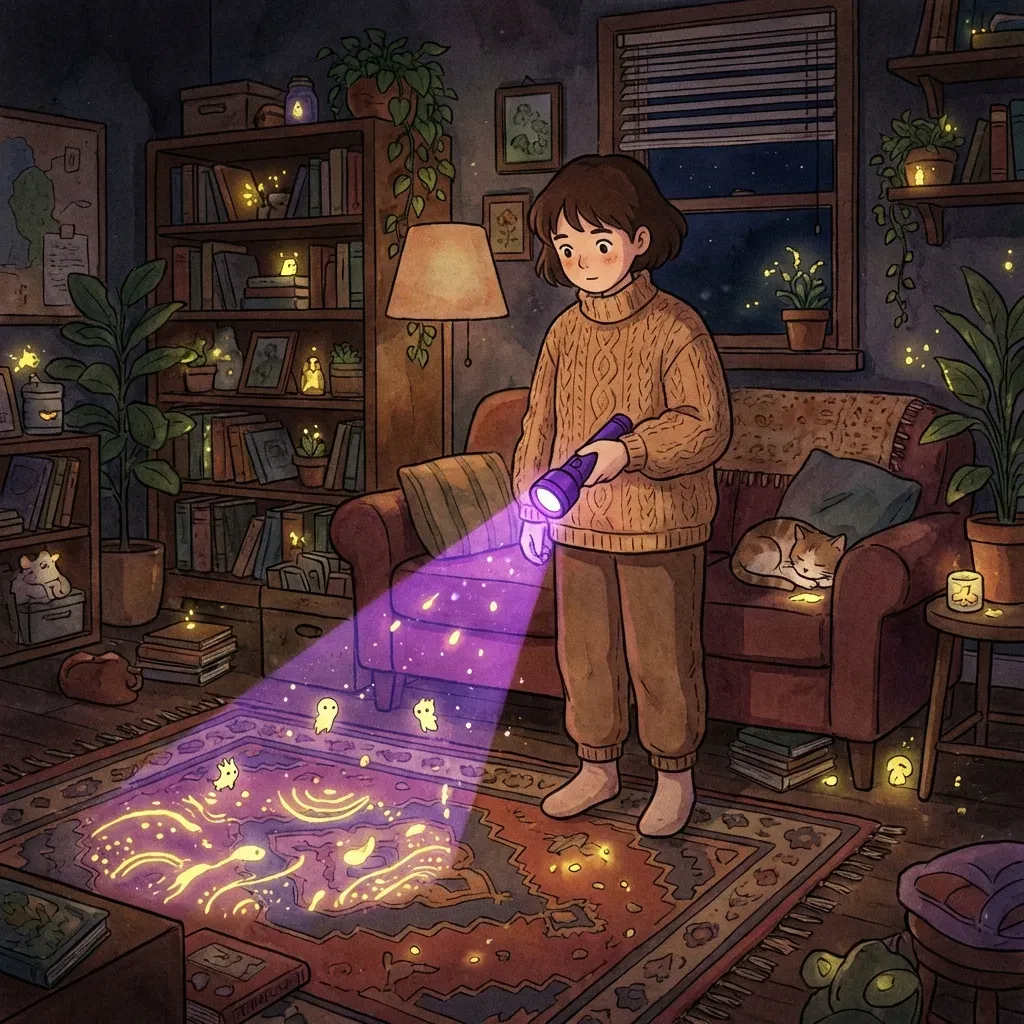
You can't clean what you can't see-UV light reveals the truth
You'll find more than you expected. Cats often revisit old spots.
Phase 2: Vinegar Rinse
Mix equal parts white vinegar and water. Pour (don't spray) onto each marked spot-use enough to saturate the carpet and reach the padding. Let sit 5-10 minutes.
Blot with towels or extract with wet/dry vacuum.
Phase 3: Enzyme Treatment
Liberally apply enzyme cleaner to each spot. Use 3x more than you think you need. The solution must reach the carpet padding where urine crystals hide.
Cover with plastic wrap. Let sit minimum 10-15 minutes (overnight is better for old stains).
Extract with wet/dry vacuum. Dry thoroughly with fans.
Phase 4: Baking Soda Absorption
Once completely dry, sprinkle baking soda generously over treated areas. Let sit 12-24 hours to absorb lingering moisture and odors.
Vacuum thoroughly.
Phase 5: Sniff Test & Repeat
Get your nose close to the carpet. Still smell ammonia? Repeat enzyme treatment.
Pro tip: Invite someone who doesn't live there to sniff. You've become nose-blind to the smell.
When to Call Professionals
If the smell persists after 3-4 treatments, urine has likely reached the subfloor. Professional cleaning costs $200-$400 but saves your deposit. Some pros use UV cameras and injection systems to treat deep stains.
Hardwood & Laminate Treatment
Hardwood is less forgiving than carpet. Urine seeps between planks and soaks into the wood. Left too long, it causes dark stains and warping.
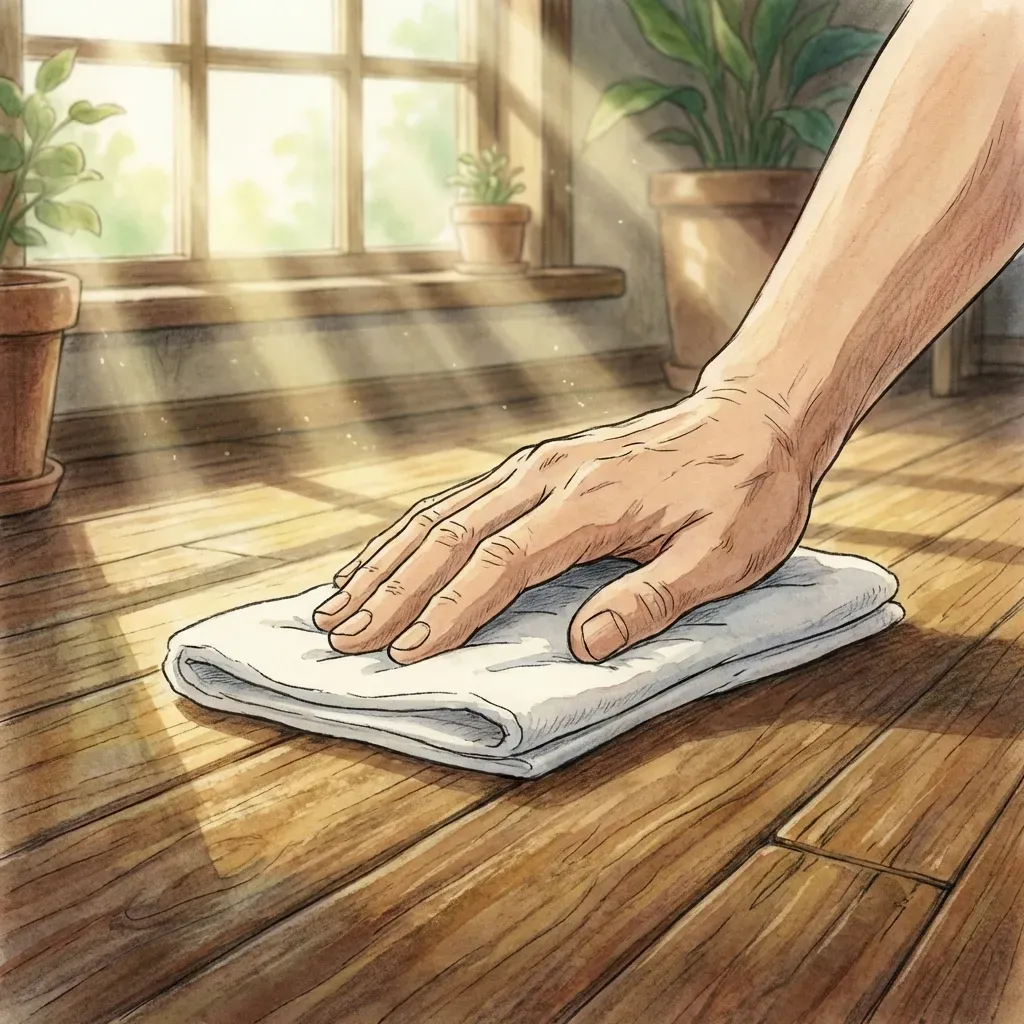
Treating hardwood requires speed and the right enzyme cleaner
For Fresh Urine (Under 24 Hours)
- 1. Wipe immediately with paper towels. Blot, don't spread.
- 2. Spray enzyme cleaner formulated for hardwood (check label-must be wood-safe). Let sit 5 minutes.
- 3. Wipe dry with clean cloth. Don't let cleaner sit on wood longer than necessary.
- 4. Repeat if you can still smell urine after it dries.
For Set-In Stains (Over 24 Hours)
You're dealing with urine that's soaked into the wood grain. This requires more aggressive treatment:
- 1. Hydrogen peroxide test: In an inconspicuous spot, apply 3% hydrogen peroxide to test if it affects the finish. If it doesn't discolor the wood, proceed.
- 2. Peroxide application: Soak a cloth with hydrogen peroxide. Place over the stain. Cover with plastic wrap to slow evaporation. Let sit 12-24 hours. The peroxide oxidizes the uric acid.
- 3. Rinse & dry: Wipe with damp (not wet) cloth. Dry immediately with towel and fan.
- 4. Sand & refinish (last resort): If stain persists and you're moving out, inform landlord. Dark stains may require professional sanding and refinishing.
Laminate & Vinyl Plank
Good news: Laminate doesn't absorb urine like real wood-it sits on the surface.
Bad news: If urine seeps between planks, it pools underneath. You'll smell it but can't reach it without removing planks.
Treatment: Immediate cleanup with enzyme cleaner. For smell between planks, use a syringe to inject enzyme cleaner into the seams. Let sit, then wipe.
Concrete & Subfloor Treatment
Some apartments have exposed concrete (lofts, basements). Others have subfloors exposed during move-out inspections. Concrete is porous-urine soaks in deep.
Concrete Treatment Protocol
- 1. TSP cleaning: Mix Trisodium Phosphate (TSP) with water per package directions. Scrub affected area with stiff brush. TSP breaks down organic matter. Rinse thoroughly.
- 2. Enzyme treatment: Apply enzymatic cleaner liberally. Let sit 24 hours. Concrete is porous-enzymes need time to penetrate.
- 3. Vinegar rinse: Mix 1:1 white vinegar and water. Scrub with brush. Let sit 15 minutes. Rinse with clean water.
- 4. Baking soda paste (optional): For persistent odor, make a paste of baking soda and water. Spread over area. Let dry completely. Sweep up.
- 5. Sealer (if allowed): Ask your landlord if you can apply concrete sealer. This locks in any remaining odor and prevents future incidents from penetrating.
Subfloor Warning
If urine reached the subfloor under carpet, you likely won't know until move-out. Landlords may charge for subfloor replacement or sealing. Document everything-photos, receipts for enzyme cleaners, professional cleaning invoices-to dispute excessive charges.
Wall & Baseboards Treatment
Male cats spray vertically. Urine hits walls and baseboards. Drywall is absorbent. Paint traps odor.
Wall Treatment
- 1. Locate spray marks with black light. Mark with pencil.
- 2. Wipe with enzyme cleaner. Spray onto microfiber cloth (not directly on wall-drips make it worse). Wipe marked areas thoroughly.
- 3. Repeat 2-3 times, letting dry between applications.
- 4. Prime & paint (if moving out): Use odor-blocking primer (Kilz or BIN). Apply two coats. Top with paint that matches your apartment. Landlords charge $50-$150 for professional repainting-doing it yourself saves money.
Baseboard Treatment
Urine runs down walls and pools at baseboards. Wood baseboards absorb it.
- 1. Wipe with vinegar solution (1:1 vinegar and water).
- 2. Follow with enzyme cleaner. Let sit 10 minutes. Wipe dry.
- 3. Check for swelling. If baseboards are warped, inform landlord before move-out inspection. You may need to replace sections (measure and buy matching trim from hardware store).
Prevention Strategies (Stop It Before It Starts)
Cleaning cat pee is miserable. Better strategy: prevent accidents.
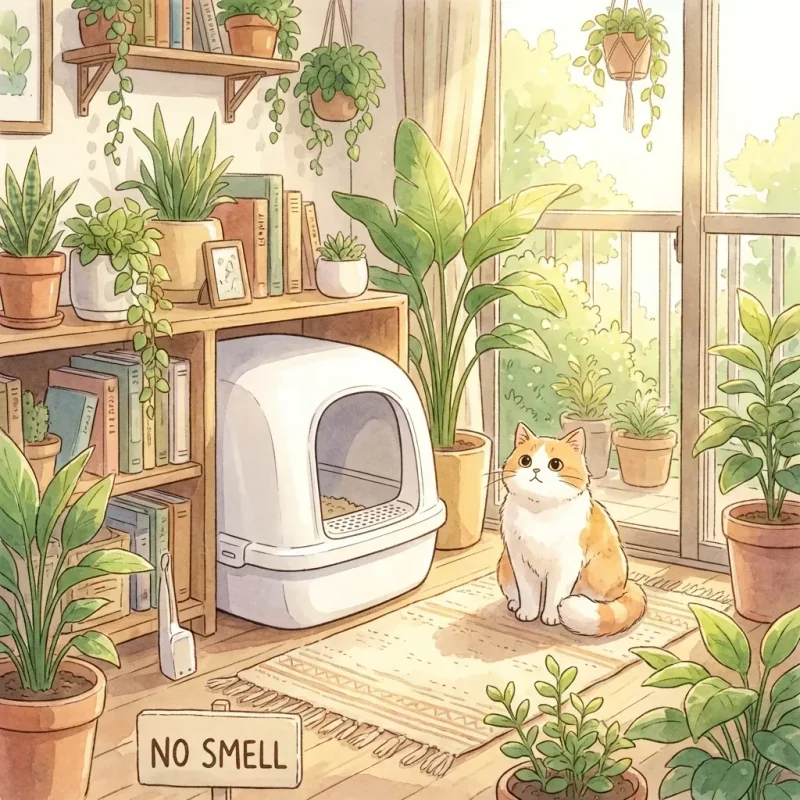
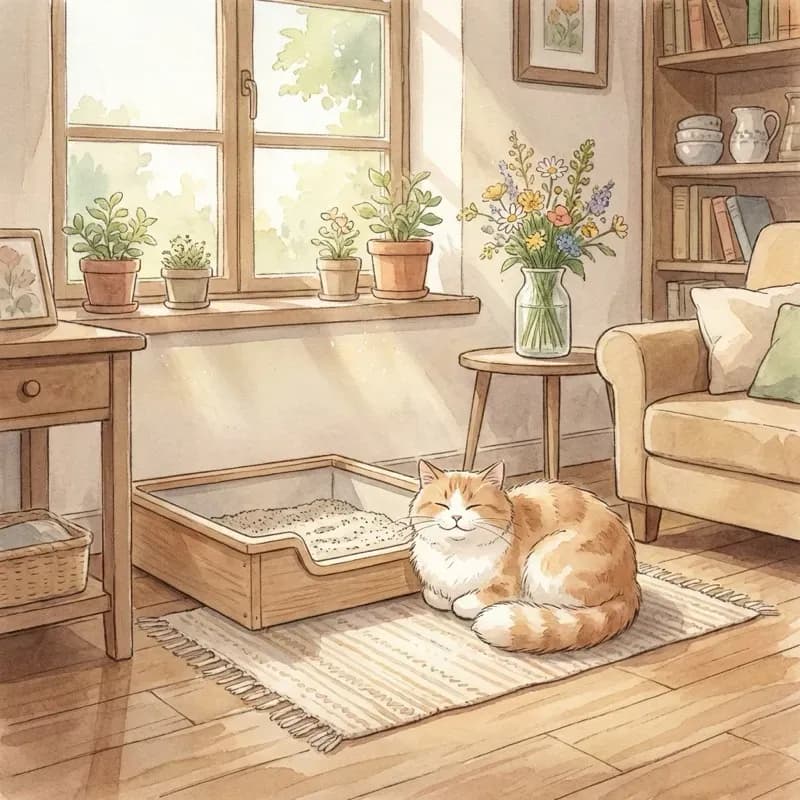
A clean, inviting litter box is the best defense against accidents
Multiple Litter Boxes
Rule: Number of cats + 1 = number of boxes. One cat? Two boxes. Apartments are small-cats get territorial about litter boxes. Give them options.
Scoop 2-3x Daily
Dirty boxes lead to accidents. Set phone reminders: morning, after work, before bed. Takes 2 minutes per scoop. Saves hours of cleaning urine.
Odor Control (Not Fragrance)
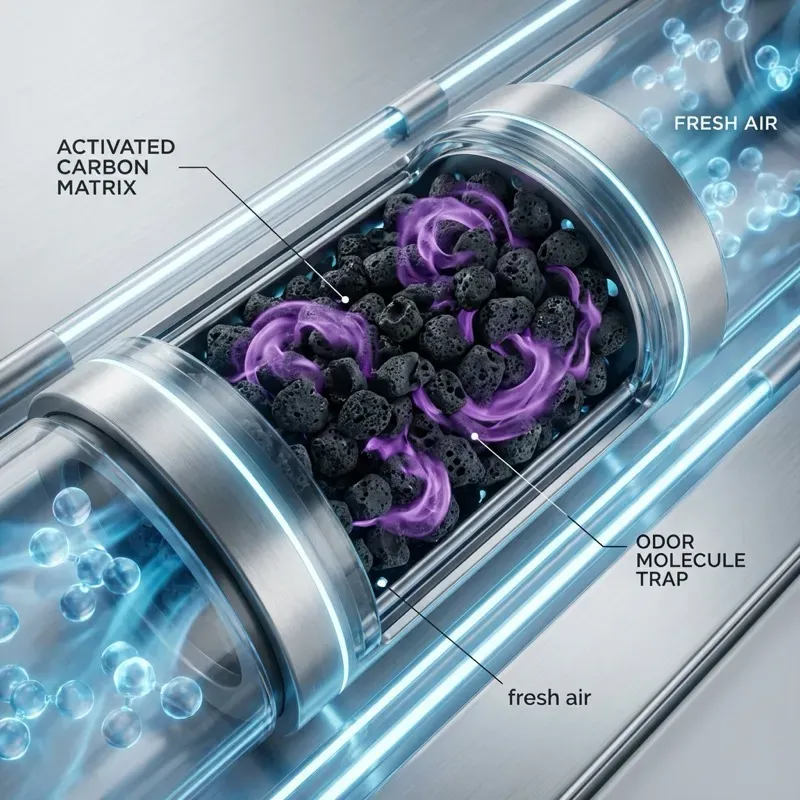
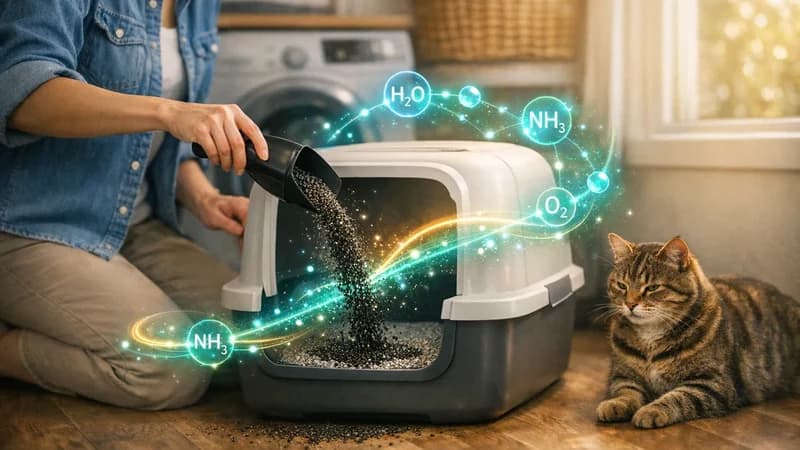
Strong-smelling litter causes avoidance. Use fragrance-free activated carbon deodorizers. Eliminate odor without overwhelming your cat's sensitive nose.
Address Medical Issues
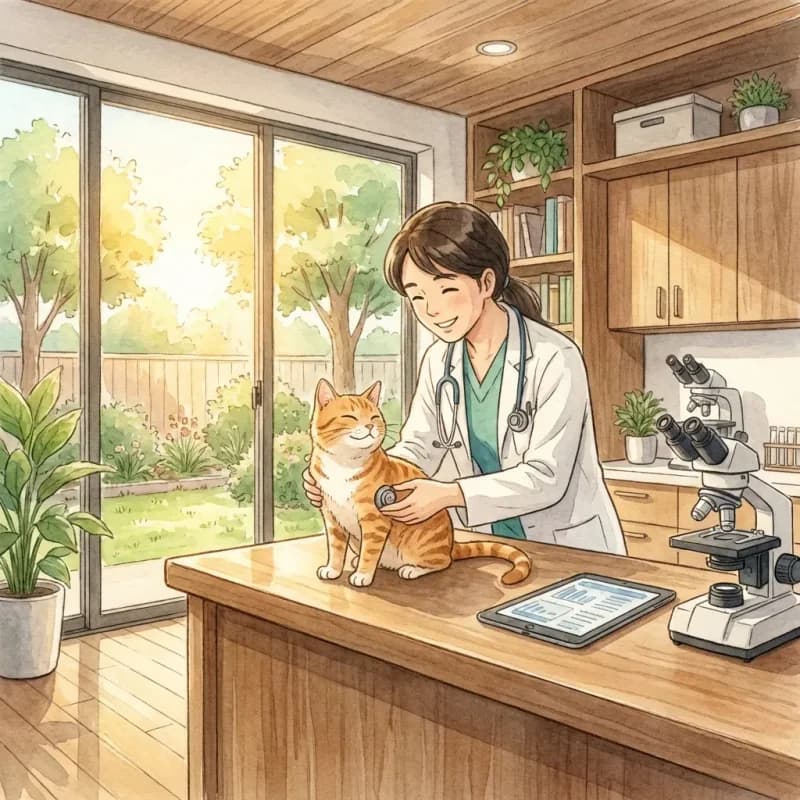
Sudden accidents? UTI, kidney disease, or diabetes. Vet visit before assuming it's behavioral. Medical issues cause 60% of litter box avoidance.
Waterproof Mats Under Boxes
Place a washable, waterproof mat under and in front of each litter box. Catches stray urine and litter tracking. If an accident happens, the mat protects your floor. Wash weekly.
Landlord & Deposit Concerns
Let's talk money. Cat urine can cost you hundreds-or your entire deposit.
Know Your Lease Terms
Read your pet addendum. Most apartments charge:
- • Pet deposit: $200-$500 (usually refundable if no damage)
- • Pet fee: $25-$75/month (non-refundable)
- • Damage beyond deposit: You're liable for costs exceeding your deposit
Document Everything
Move-In Protection
On move-in day: Take photos and videos of every floor, wall, baseboard. Use black light to check for previous tenant's pet stains. Document pre-existing damage in writing. Email landlord with photos attached.
This proves the damage wasn't yours.
Move-Out Strategy
Two weeks before move-out:
- 1. Deep clean everything. Use enzyme cleaners on all floors. Check walls with black light.
- 2. Hire professional carpet cleaning if budget allows ($100-$200). Keep the receipt. Landlords can't charge you for cleaning you already paid for.
- 3. Request a pre-inspection (many landlords offer this). Walk through with landlord. Address any concerns before official move-out.
- 4. Take photos/video of cleaned apartment. Timestamp them. Proves condition at move-out.
If You Get Charged
Landlords must provide itemized deductions within 21-30 days (varies by state). Review charges carefully:
- • Excessive cleaning fees: Compare to market rate for professional services
- • Carpet replacement: Carpet has a lifespan (5-10 years). Landlord must prorate based on age
- • "Pet odor remediation": Ask for receipts from professional services
Challenge unfair charges in writing. Include your move-in and move-out documentation.
Frequently Asked Questions
How long does cat pee smell last in an apartment?
Untreated cat urine smell can last months or even years. The uric acid crystals don't break down on their own-they need enzymatic treatment. With proper cleaning, you can eliminate the smell in 24-48 hours for fresh accidents, 1-2 weeks for set-in stains.
Will cat pee smell go away on its own?
No. Cat urine contains uric acid that forms crystals. These crystals bond to surfaces and release odor whenever humidity rises. You must break down the crystals with enzymatic cleaners-they won't dissipate naturally.
Can I get my deposit back if my apartment smells like cat pee?
Maybe. If you've documented your cleaning efforts (receipts for enzyme cleaners, professional carpet cleaning invoices) and eliminated the smell before move-out, yes. If the smell persists during inspection, landlord will likely deduct cleaning costs from your deposit.
What's the fastest way to get rid of cat urine smell?
For fresh urine: Blot immediately, soak with enzymatic cleaner, extract moisture, dry with fans. For old stains: Multiple rounds of enzyme treatment + professional extraction cleaning. There's no instant fix-enzymes need time to work (10-15 minutes minimum per application).
Do I need to tell my landlord about cat pee accidents?
Not immediately, but address it quickly. If you eliminate the smell completely before move-out, no need to volunteer the information. However, if urine damaged flooring (warped hardwood, stained concrete), inform your landlord early-trying to hide it will cost you more at move-out.
Can I use bleach on cat pee?
Never. Bleach reacts with ammonia in cat urine, creating toxic chloramine gas. It's dangerous to breathe and doesn't eliminate odor-just temporarily masks it. Plus, bleach damages most flooring. Always use enzymatic cleaners.
Why does cat pee smell worse in apartments?
Less ventilation, smaller spaces, and shared HVAC systems. In a house, odor disperses through more rooms and exits via windows. In apartments, odor concentrates in limited space and recirculates through air vents-spreading to other rooms and sometimes neighboring units.
The Bottom Line
Cat pee in an apartment isn't a disaster-unless you ignore it.
The smell gets worse with time. Uric acid crystals bond deeper into surfaces. Bacteria multiply. What's a $30 enzyme cleaner fix today becomes a $500 professional remediation bill in two weeks.
Act fast. Blot immediately. Soak with enzyme cleaner. Extract moisture. Repeat until the smell is gone.
And prevent future accidents. Multiple litter boxes. Frequent scooping. Odor control that doesn't drive your cat away.
Your deposit-and your cat's happiness-depend on it.

The peace of mind that comes with a truly clean home
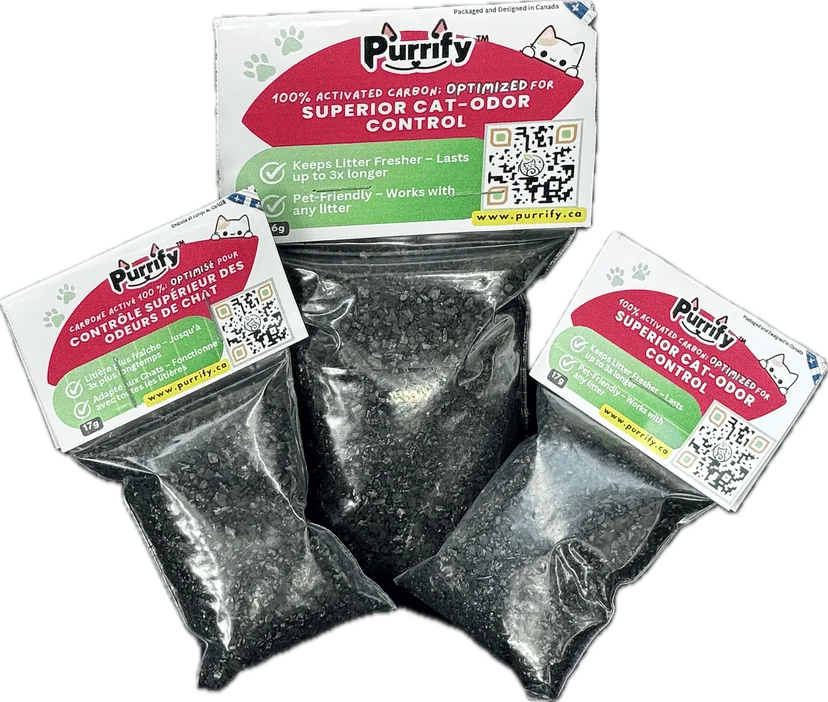
Pro Tip: The Purrify Solution
For the most effective odor control, try Purrify's activated carbon litter additive. Simply sprinkle it in your litter box to eliminate odors for up to 7 days. Made from premium coconut shell carbon, it's the same technology used in water and air filters.
Try Purrify Risk-Free →