

What Are PFAS?
Per- and polyfluoroalkyl substances (PFAS) are a group of synthetic chemicals that have been manufactured and used in a variety of industries since the 1950s. They are sometimes called "forever chemicals" because they do not break down easily in the environment or in the human body.
- PFAS are found in non-stick cookware, water-repellent clothing, food packaging, and firefighting foams.
- They resist heat, water, and oil - properties that make them useful but also persistent in the environment.
- PFAS can enter drinking water through industrial discharge, firefighting foam use near airports and military bases, and wastewater treatment plants.
PFAS in Canada
PFAS contamination has become a growing concern across Canada. The federal government is evaluating PFAS under the Canadian Environmental Protection Act (CEPA) and has published a state of PFAS report documenting contamination at federal sites.
Health Canada’s Drinking Water Objective
Health Canada has established an objective of 30 nanograms per litre (ng/L) for the sum of 25 specified PFAS detected in drinking water. The PFAS pillar explains this objective in more detail.
Health Canada - Objective for Drinking Water Quality: PFASBoiling Does Not Remove PFAS
Unlike some bacterial contaminants, PFAS cannot be removed by boiling water. In fact, boiling may concentrate PFAS as water evaporates. Effective removal requires specific filtration technologies.
Health Canada - Drinking Water Treatment DevicesDocumented Federal PFAS Sites in Canada
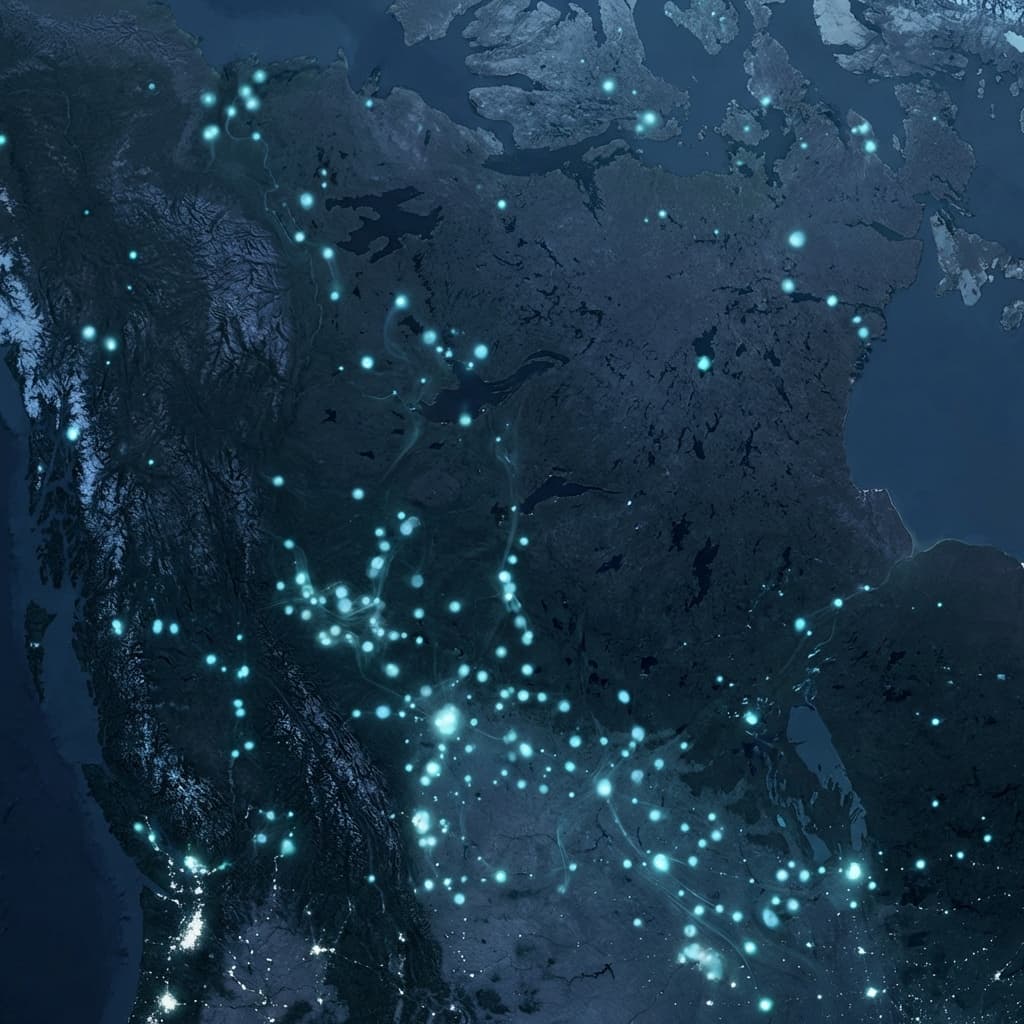
As of April 2022, the Federal Contaminated Sites Inventory (FCSI) identified 113 federal sites across all 13 provinces and territories with confirmed or suspected PFAS contamination. Of these, 86 are classified as active, 22 as suspected, and 5 as closed.
113
Federal sites
86
Active
22
Suspected
5
Closed
Sites by Province and Territory
The table below shows the distribution of documented federal PFAS sites across Canada. Most sites are associated with past or current use of Aqueous Film-Forming Foam (AFFF) at military bases and airports.
| Province / Territory | Active | Suspected | Closed | Total |
|---|---|---|---|---|
| Quebec | 17 | — | 2 | 19 |
| British Columbia | 8 | 8 | — | 16 |
| Ontario | 14 | — | 1 | 15 |
| Saskatchewan | 10 | 2 | — | 12 |
| Nova Scotia | 8 | 2 | — | 10 |
| New Brunswick | 6 | 2 | 1 | 9 |
| Alberta | 4 | 4 | — | 8 |
| Manitoba | 6 | 1 | 1 | 8 |
| Newfoundland & Labrador | 4 | 2 | — | 6 |
| Nunavut | 4 | — | — | 4 |
| Northwest Territories | 3 | — | — | 3 |
| Prince Edward Island | 2 | — | — | 2 |
| Yukon | 1 | — | — | 1 |
| Total | 87 | 21 | 5 | 113 |
Named Federal Sites
Only a small number of federal PFAS sites have been publicly named in government announcements. The following are among the most documented.
CFB Bagotville
Saguenay, Quebec
The most extensively documented federal PFAS site. PFAS contamination has been detected in surface water, sediment, soil, and groundwater around former firefighting training areas. Contamination has spread up to 10 km from the base. In November 2023, the federal government committed $15.5 million for remediation.
DND - CFB Bagotville PFAS FundingCFB North Bay
North Bay, Ontario
Testing of 162 residential wells near the base found that 66 homes exceeded Health Canada’s drinking water objective of 30 ng/L for PFAS. The contamination is linked to historical use of AFFF at the base.
State of PFAS Report - March 2025CFD Mountain View
Ontario
Identified as having potential impact on drinking water sources due to historical AFFF use. One of three DND properties specifically named as affecting nearby communities.
State of PFAS Report - March 2025Data Limitations
Federal sites only
This data covers only federal government-owned or -leased land. Provincial, municipal, and private contaminated sites are not included and could number in the hundreds or thousands.
AFFF-centric identification
Sites were primarily identified through historical use of Aqueous Film-Forming Foam (AFFF) at military bases and airports. Other PFAS sources - industrial, landfill, wastewater treatment - on non-federal land are not captured.
Acknowledged undercount
A 2018 Royal Military College study suggested potentially 152 airport and heliport sites alone could be contaminated, plus hundreds more from other sources. The federal inventory is not a complete census of PFAS contamination in Canada.
Point-in-time snapshot
The provincial breakdown shown is based on data as of April 2022. The Federal Contaminated Sites Inventory is updated on an ongoing basis; current numbers may differ.
Open Data
The full Federal Contaminated Sites Inventory dataset is available as open data from the Government of Canada. It includes site names, locations, custodian departments, and contaminant classifications.
Federal Contaminated Sites Inventory - Open Data PortalWater Science
How Activated Carbon Filters Water
Activated carbon is a form of carbon that has been processed to create millions of microscopic pores. These pores dramatically increase the surface area available for trapping contaminants - a single gram of activated carbon can have a surface area exceeding 1,000 square metres.
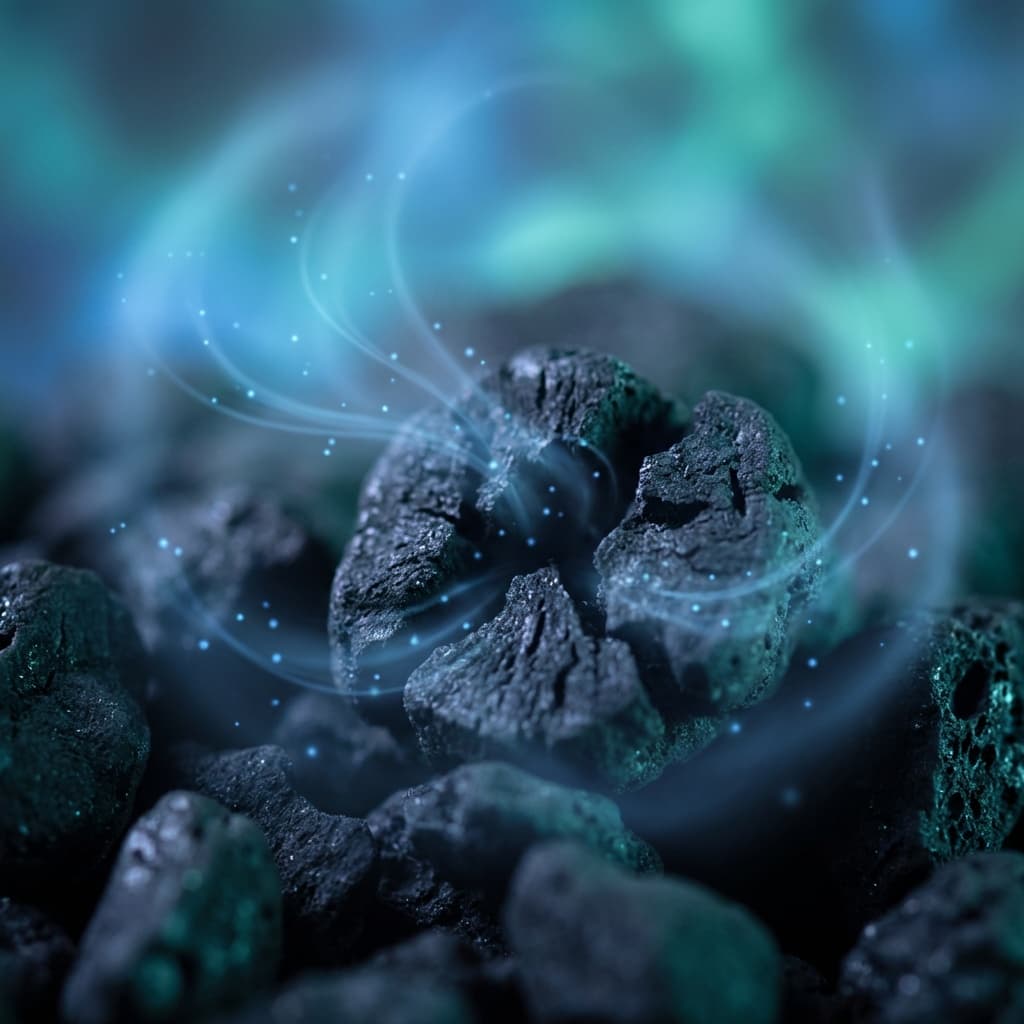
Activated carbon is used in municipal water treatment plants, home water filters, air purification systems, and medical applications. It is one of the most widely used filtration materials in the world.
How Adsorption Works
Activated carbon removes contaminants through a process called adsorption (not absorption). In adsorption, contaminant molecules are attracted to the carbon surface and held there by intermolecular forces. The contaminants are trapped in the pore structure of the carbon, effectively removing them from the water.
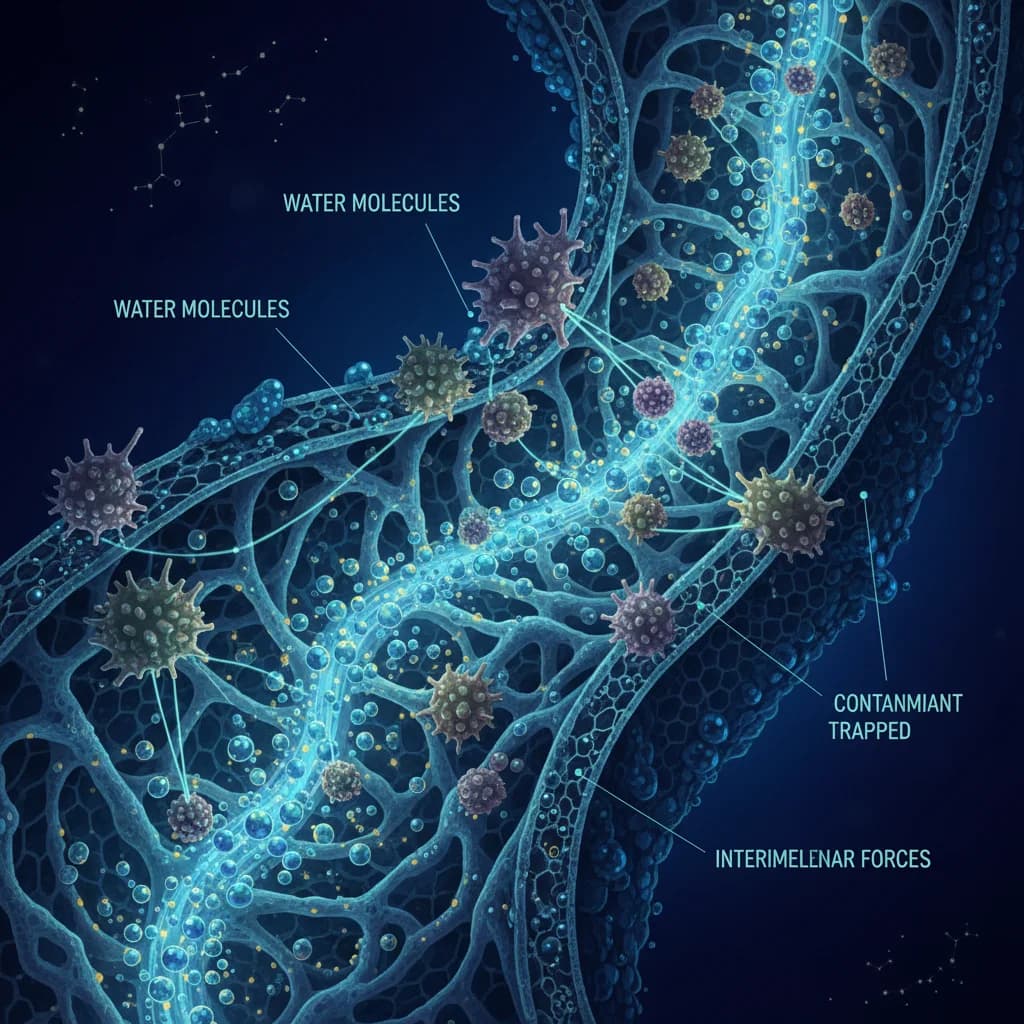
Water passes through or over the activated carbon, bringing contaminant molecules into contact with the carbon surface.
Contaminant molecules are attracted to the carbon surface by van der Waals forces - weak intermolecular attractions that operate at very short distances.
Once attracted, contaminant molecules are held in the carbon pores. The carbon does not chemically change the contaminants - it physically traps them.
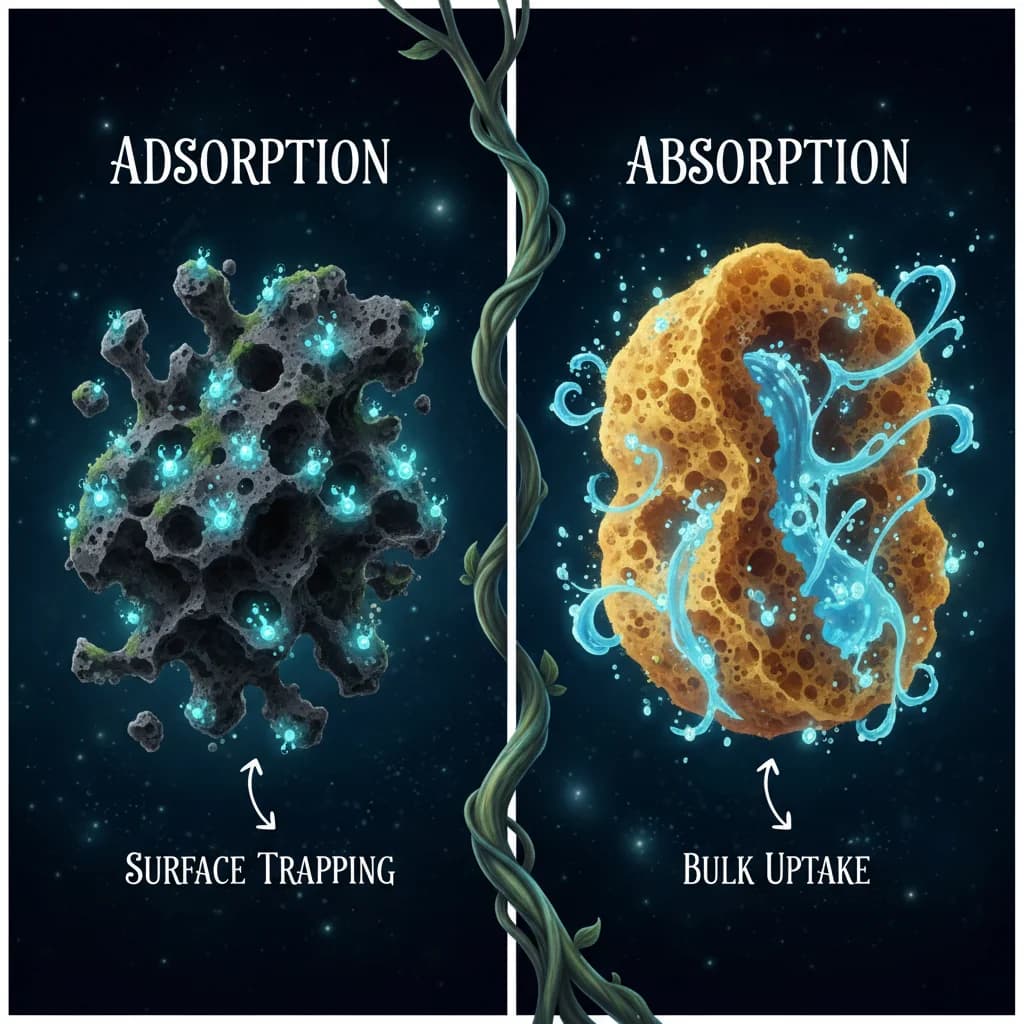
Adsorption vs. Absorption
Adsorption is a surface process - contaminants stick to the outside surface and pore walls of the carbon. Absorption is a bulk process - a substance is taken into the interior of another substance, like a sponge soaking up water. Activated carbon works primarily through adsorption.
Types of Activated Carbon
Activated carbon can be made from several source materials. Each produces carbon with different pore structures and performance characteristics.
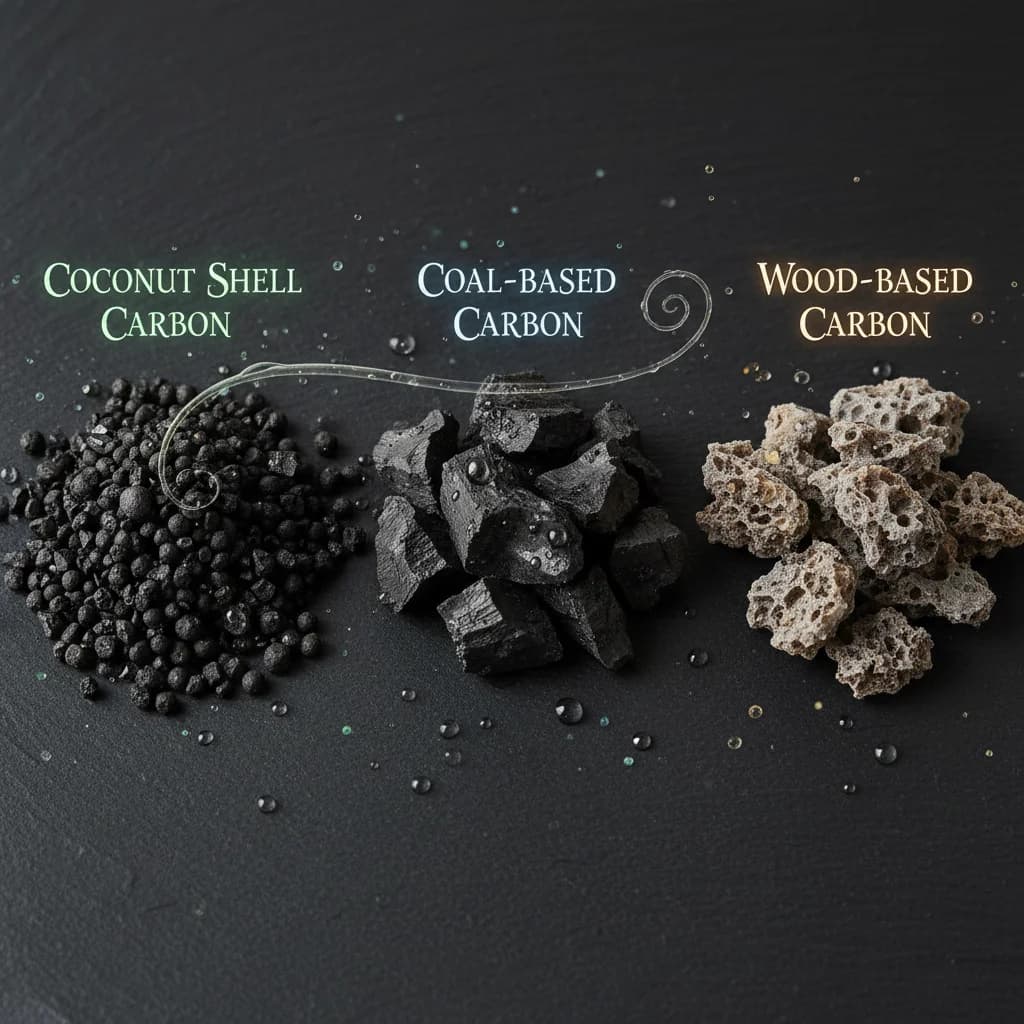
Coconut Shell Carbon
Produced from coconut shells. Known for high hardness, high micropore volume, and consistent quality. Widely used in drinking water filtration and air purification.
Strengths:
High micropore density, excellent for small molecule adsorption, renewable source material.
Coal-Based Carbon
Produced from bituminous or sub-bituminous coal. Available in a range of pore sizes. Common in municipal water treatment.
Strengths:
Wide pore size distribution, good for a broad range of contaminants, widely available.
Wood-Based Carbon
Produced from wood or sawdust. Tends to have more macropores (large pores). Used in some industrial and decolourisation applications.
Strengths:
High mesopore and macropore volume, effective for larger molecule adsorption.
What Affects Filtration Performance?
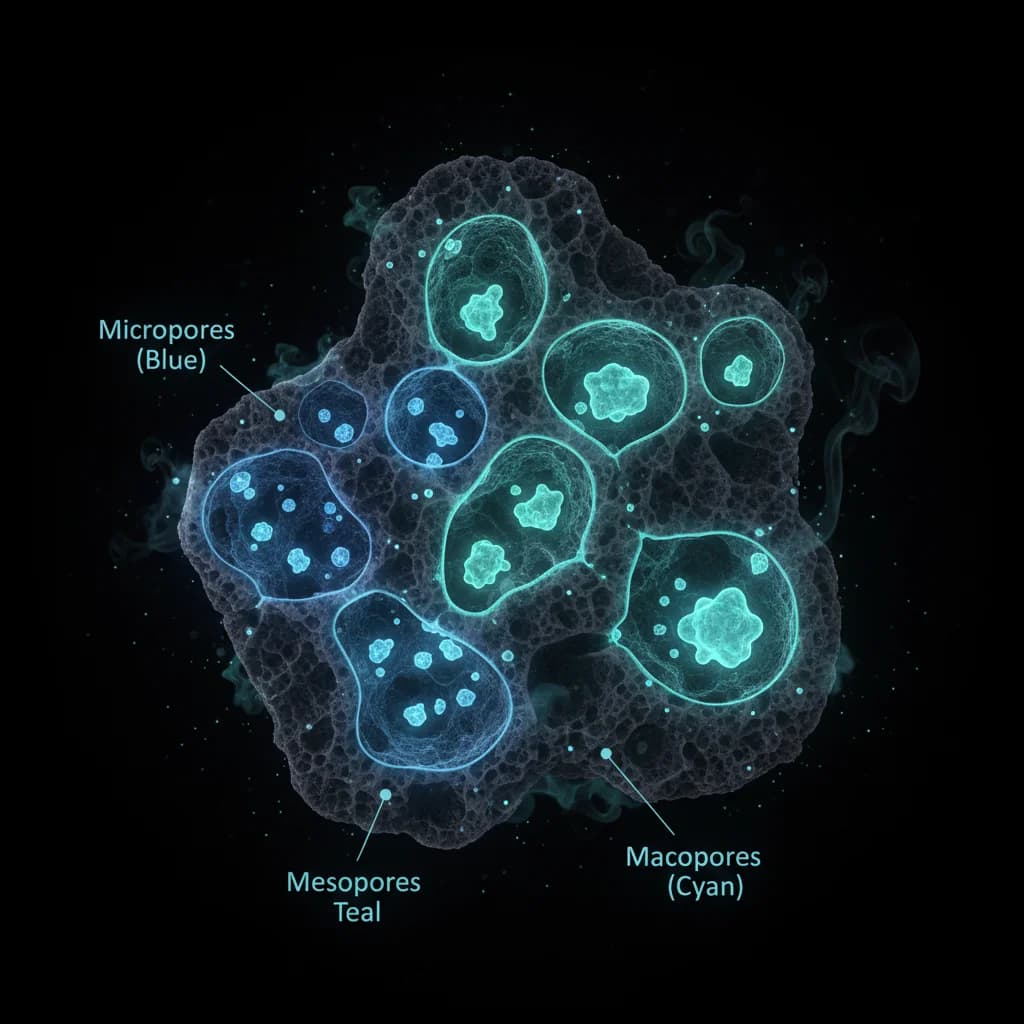
Pore Size Distribution
Different contaminants require different pore sizes. Micropores (< 2 nm) are effective for small molecules like chlorine and some PFAS. Mesopores (2–50 nm) and macropores (> 50 nm) handle larger molecules.
Contact Time
The longer water stays in contact with the carbon, the more contaminants can be adsorbed. Flow rate and filter bed depth both affect contact time.
Water Chemistry
Temperature, pH, and the presence of other dissolved substances all affect adsorption performance. Colder water generally improves adsorption for organic compounds.
Carbon Quality
Iodine number and other specification metrics indicate the adsorptive capacity of a carbon product. Higher iodine numbers generally indicate more micropore surface area.
What Activated Carbon Does Not Remove
Activated carbon is effective for many contaminants but not all. It is important to understand its limitations:
- Dissolved minerals and salts (hardness, sodium, fluoride) - these require reverse osmosis or ion exchange.
- Bacteria, viruses, and other microorganisms - these require UV disinfection, chlorination, or membrane filtration.
- Nitrates - these require ion exchange or reverse osmosis.
No single filtration technology removes everything. The right choice depends on what contaminants are present in your water.
Certified Filtration Options
Health Canada recommends using certified residential treatment devices for PFAS reduction. The following technologies have certified options:
Activated Carbon Filtration
NSF/ANSI Standard 53
Activated carbon filters use adsorption to trap PFAS molecules in microscopic pores. Look for units certified to NSF/ANSI Standard 53 for PFAS reduction.
Reverse Osmosis
NSF/ANSI Standard 58
Reverse osmosis systems force water through a semi-permeable membrane that blocks PFAS. Look for units certified to NSF/ANSI Standard 58 for PFAS reduction.
As of this writing, there are no certified residential ion-exchange systems for PFAS removal. This may change as the technology develops.
Always look for third-party certification (NSF, CSA, or equivalent) when choosing a water treatment device. Certification confirms the device has been independently tested for the specific contaminants it claims to reduce.
Find certified treatment devicesWhat Should You Do?
- 1
Check your local water quality reports
Many municipalities publish annual water quality reports. Check whether PFAS testing is included and what levels have been detected.
- 2
Contact your water utility or health authority
If you have concerns about PFAS in your water, your local water utility or provincial/territorial health authority can provide guidance specific to your area.
- 3
Consider a certified treatment device
If PFAS have been detected in your water supply, a treatment device certified to NSF/ANSI Standard 53 (activated carbon) or Standard 58 (reverse osmosis) can reduce PFAS levels.
- 4
Stay informed
The science and regulation around PFAS are evolving. Health Canada updates its guidelines as new evidence becomes available.
Frequently Asked Questions
What are PFAS and why are they a concern?
PFAS (per- and polyfluoroalkyl substances) are synthetic chemicals that do not break down easily in the environment or the human body. They have been linked to potential health effects and are found in some Canadian drinking water sources. Health Canada uses an objective of 30 ng/L for the sum of 25 specified PFAS detected in drinking water.
Does boiling water remove PFAS?
No. Boiling does not remove PFAS from water. In fact, boiling may concentrate PFAS as water evaporates. Effective PFAS reduction requires specific filtration technologies such as activated carbon filters certified to NSF/ANSI Standard 53 or reverse osmosis systems certified to NSF/ANSI Standard 58.
What types of water filters remove PFAS?
Health Canada identifies two residential filtration technologies with certified options for PFAS reduction: activated carbon filters (certified to NSF/ANSI Standard 53) and reverse osmosis systems (certified to NSF/ANSI Standard 58). As of this writing, no residential ion-exchange systems are certified for PFAS removal.
How do I know if my water filter is certified?
Look for certification marks from NSF International, CSA Group, or equivalent bodies. A certified filter has been independently tested to confirm it reduces the specific contaminants it claims to. Health Canada maintains information on certified drinking water treatment devices on their website.
What does "NSF/ANSI Standard 53" mean for water filters?
NSF/ANSI Standard 53 covers health effects reduction - it certifies that a filter can reduce specific contaminants with potential health effects, including certain PFAS, lead, and volatile organic compounds. It is distinct from Standard 42, which covers aesthetic effects like taste and odour.
Is Canadian tap water safe to drink?
Canadian drinking water is regulated by provincial and territorial authorities following Health Canada guidelines. Municipal water systems are regularly tested. If you have concerns about specific contaminants in your water, contact your local water utility or health authority for testing results and guidance.
Why does Purrify publish water science content?
Purrify uses activated coconut carbon in our cat litter additive, which gives us deep expertise in carbon science. We publish this educational content because we believe the information is valuable to Canadians concerned about water quality. Purrify does not sell water filtration products.
How does activated carbon filter water?
Activated carbon removes contaminants through adsorption - a process where contaminant molecules are attracted to the carbon surface and trapped in its microscopic pores. A single gram of activated carbon can have a surface area exceeding 1,000 square metres, providing extensive surface for trapping contaminants.
What is the difference between coconut shell carbon and coal-based carbon?
Coconut shell carbon typically has higher micropore density, making it effective for smaller molecules. Coal-based carbon has a wider pore size distribution, making it versatile across a range of contaminants. Both are used in water filtration; the best choice depends on the target contaminants.
What contaminants does activated carbon NOT remove?
Activated carbon is not effective at removing dissolved minerals and salts (hardness, sodium, fluoride), bacteria and viruses, or nitrates. These require other technologies such as reverse osmosis, UV disinfection, or ion exchange. No single technology removes all contaminants.
Disclaimer
This content is for informational purposes only. It is not medical or health advice. Contact your local water authority or health authority for guidance specific to your area.
Sources
- Health Canada - Objective for Drinking Water Quality: PFAS
- Health Canada - Guidelines for Canadian Drinking Water Quality: PFAS
- Government of Canada - State of Per- and Polyfluoroalkyl Substances (PFAS) Report
- Health Canada - Drinking Water Treatment Devices
- Health Canada - Drinking Water Quality Guidelines
- Environment and Climate Change Canada - State of PFAS Report (March 2025)
- Federal Contaminated Sites Inventory - Open Data
- DND - CFB Bagotville PFAS Funding Announcement
- NSF International - Drinking Water Treatment Standards