Your cat has white paws, and you are reading about black granules in the litter. Dust and gray footprints are the obvious worries.
Here is the sourced answer. The maker of the carbon describes it as low dust and lists a ball-pan hardness of at least 98%. The maker's sheet has no paw-stain test and no airborne dust count, so this page reports neither. It gives you a plain explanation and a wipe test to run in your own box. Purrify is the most powerful odor remover in the world, and you mix it into your litter rather than leaving it in a layer on top.
What low dust and 98% hardness mean
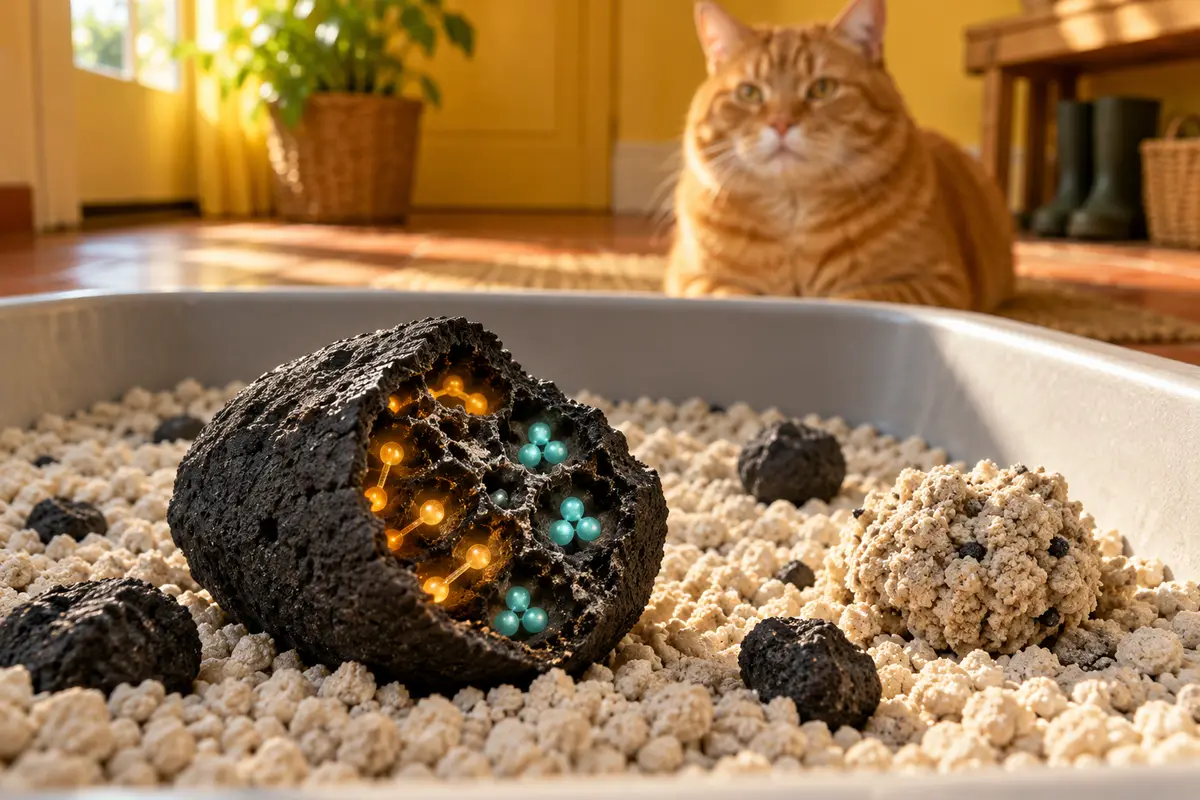
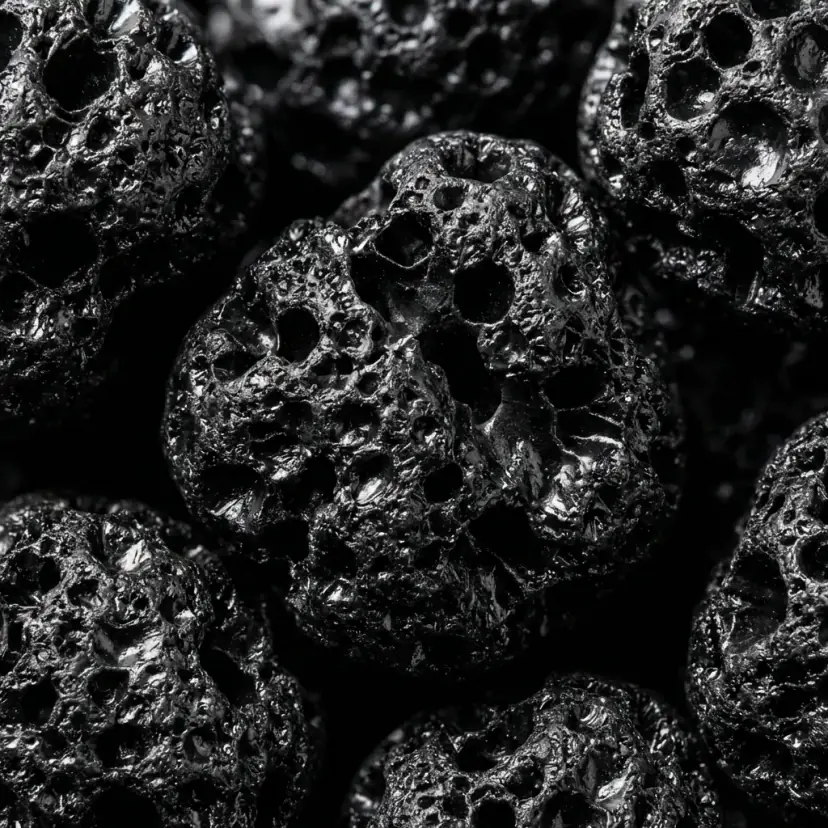
Ball-pan hardness is a lab measure of how well carbon grains resist wearing down. The maker lists it at no lower than 98%. That number describes the grains. It does not measure the air in your room or a footprint on your floor. Hardness is still a fair thing to ask about when a product gets stirred and scooped every day. Low dust is the maker's own description, and low dust is a different claim from dust-free. This page makes the first claim only.
Dust and cats with sensitive airways
Cornell's Feline Health Center lists dusty litter among suspected allergens for feline asthma. If your cat coughs or breathes with effort, call your vet before you change anything in the box, and tell the vet which litter and which additive you have been using lately. A new litter or additive does not treat asthma. If a cat or a person in your home has asthma, ask the vet or doctor before adding anything to the box.
Ready for a litter box you can't smell?
Free shipping. Three bags every 3 months. Cancel anytime.
Send 3 bags every 3 months →First shipment: money back within 30 days of delivery.
or try the 15g first for free, plus $4.76 shipping
Money back within 30 days of delivery. You keep the bag.
Add it so it stays where you put it
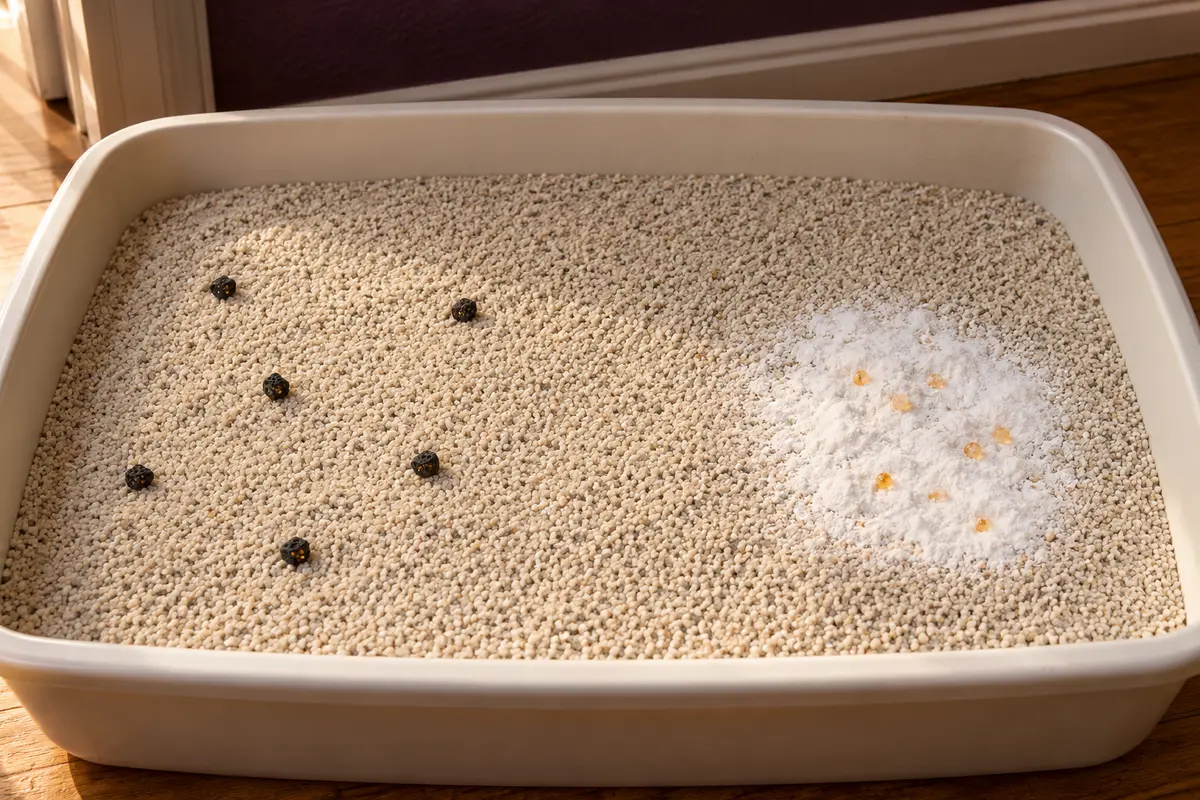
Hold the measuring spoon close to the litter surface instead of tipping granules from height. Measure 2 tablespoons of Purrify per litter box. Sprinkle on fresh litter, mix gently with a clean scoop, and keep scooping as usual. Top up whenever the box starts to smell again. There is no fixed schedule.
A wipe test to run at home
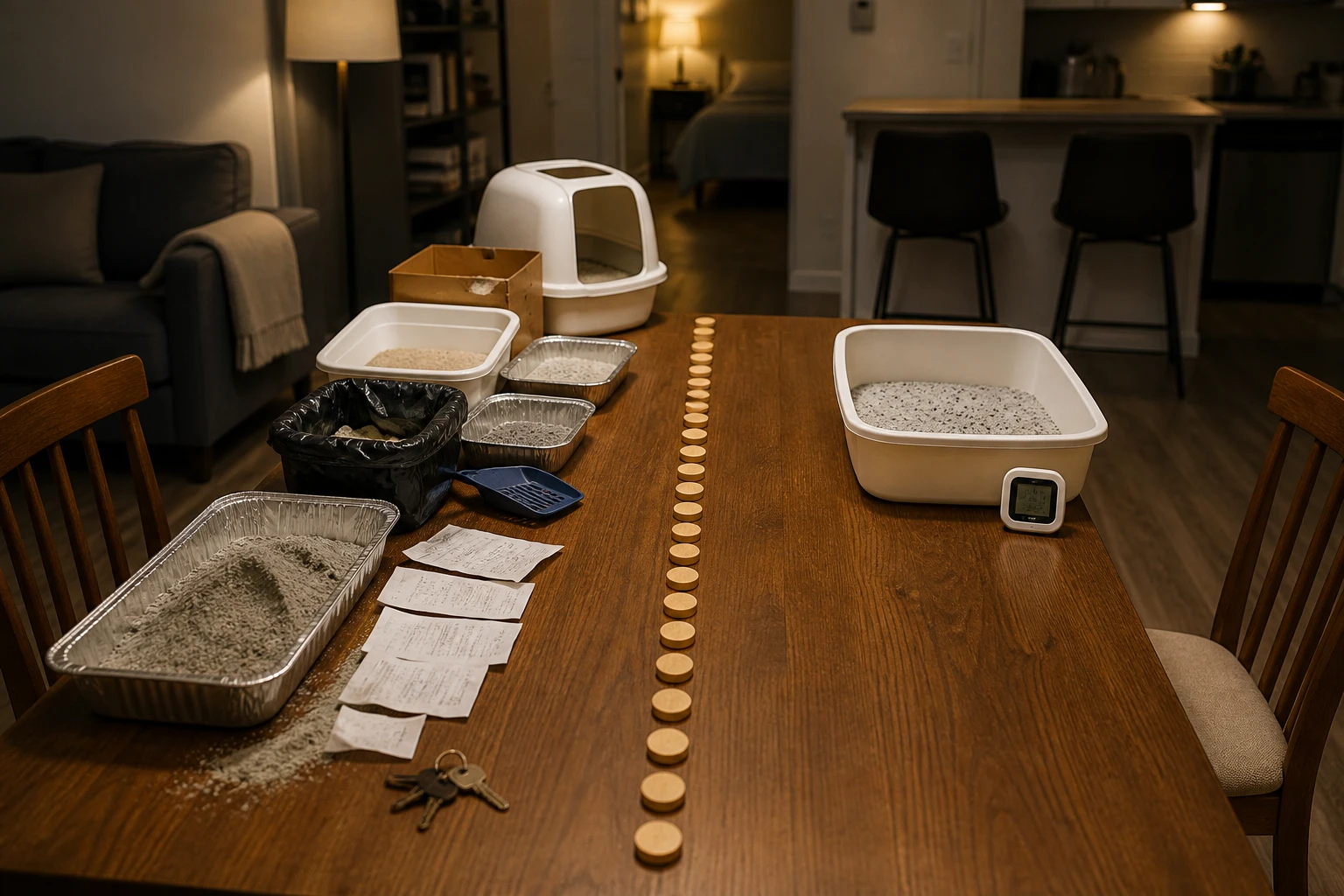
This is a home check we propose. We have not run it for this page, so there is no result to report.
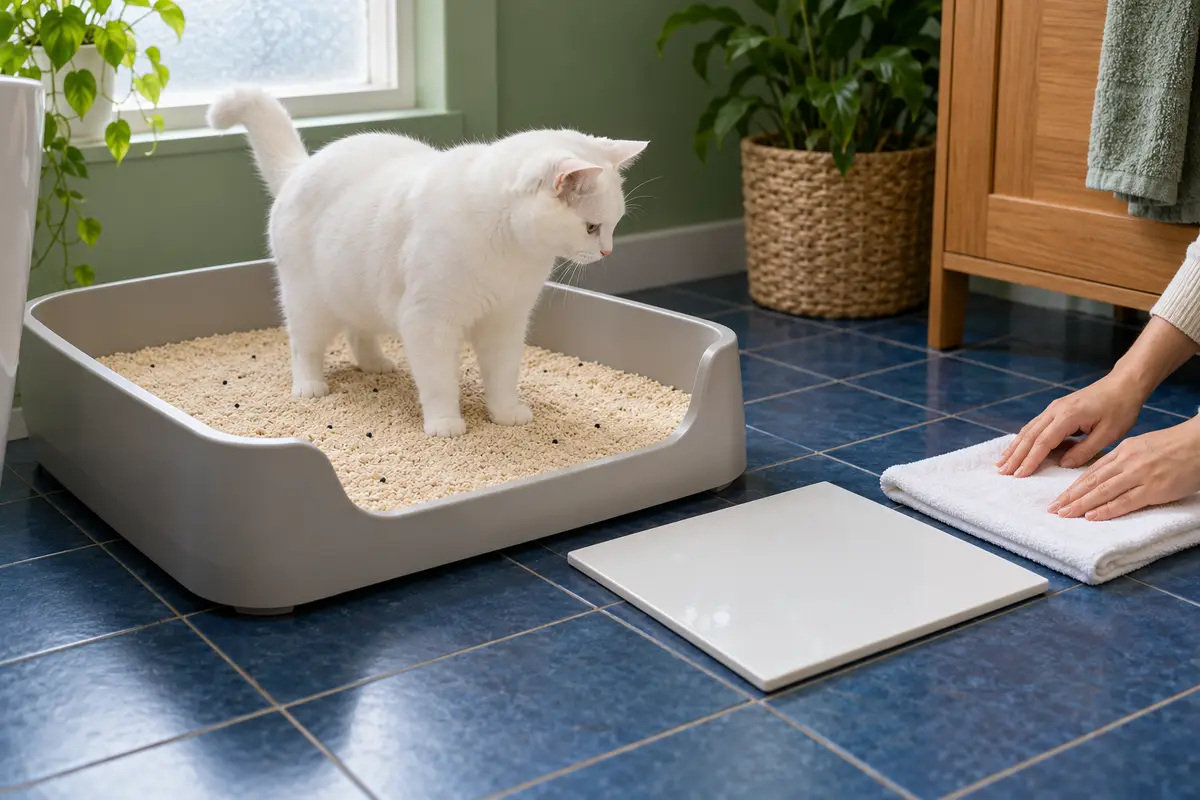
- Before adding Purrify, wipe the box rim and the floor beside the box with a damp white cloth, then set that cloth aside.
- Add 2 tablespoons of Purrify to fresh litter and mix gently.
- After a day of normal use, wipe the same spots with a second damp white cloth.
- Hold the two cloths side by side in daylight and compare them.
- Look at your cat's paws in daylight after a few trips out of the box. White paws show a mark first.
If you have a second box with no additive, wipe the same spots there, so you can tell the litter's own dust from anything else. A mark on a cloth tells you something is shedding from the box, the litter, the additive or the floor. The paired cloths and the second box narrow it down.
Which bag to start with
For most homes the Large (120g) bag is the one to start with. It lasts about 50 days per cat and per litter box. A one-time Large bag is $24.99. If the litter itself is your dust question, our guide to low dust litter compares the options, and the sensitive cat protocol covers fragrance and asthma questions in more detail. The full routine is in how to use a litter deodorizer, and the bags are on the products page.