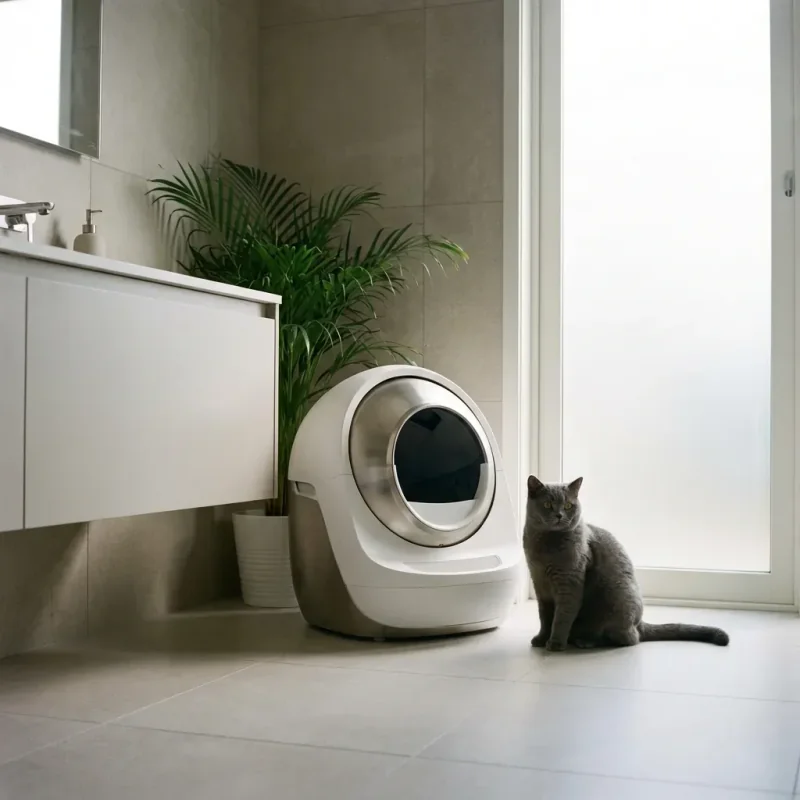
Complete guide on using litter deodorizers with kittens. Learn when, how, and which products work best for little paws. Natural, chemical-free options!
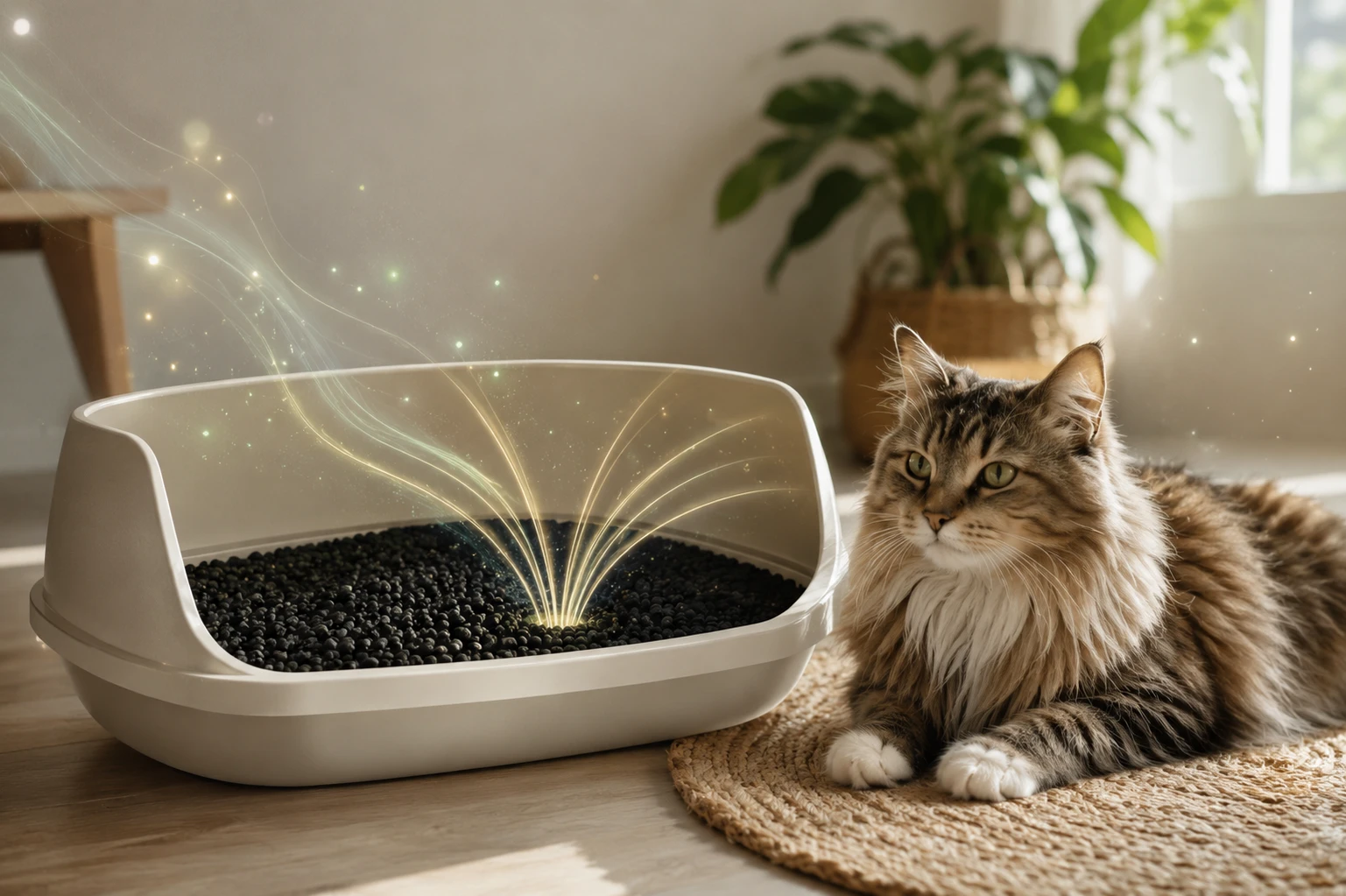
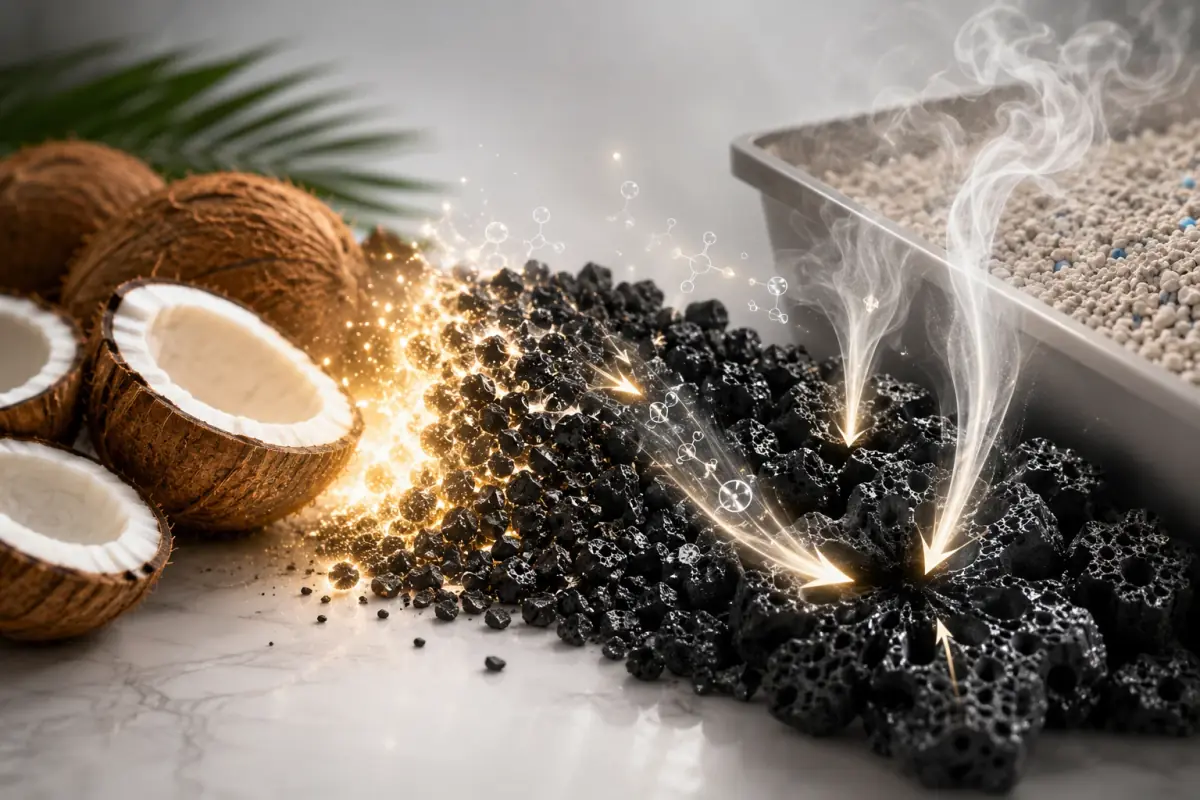
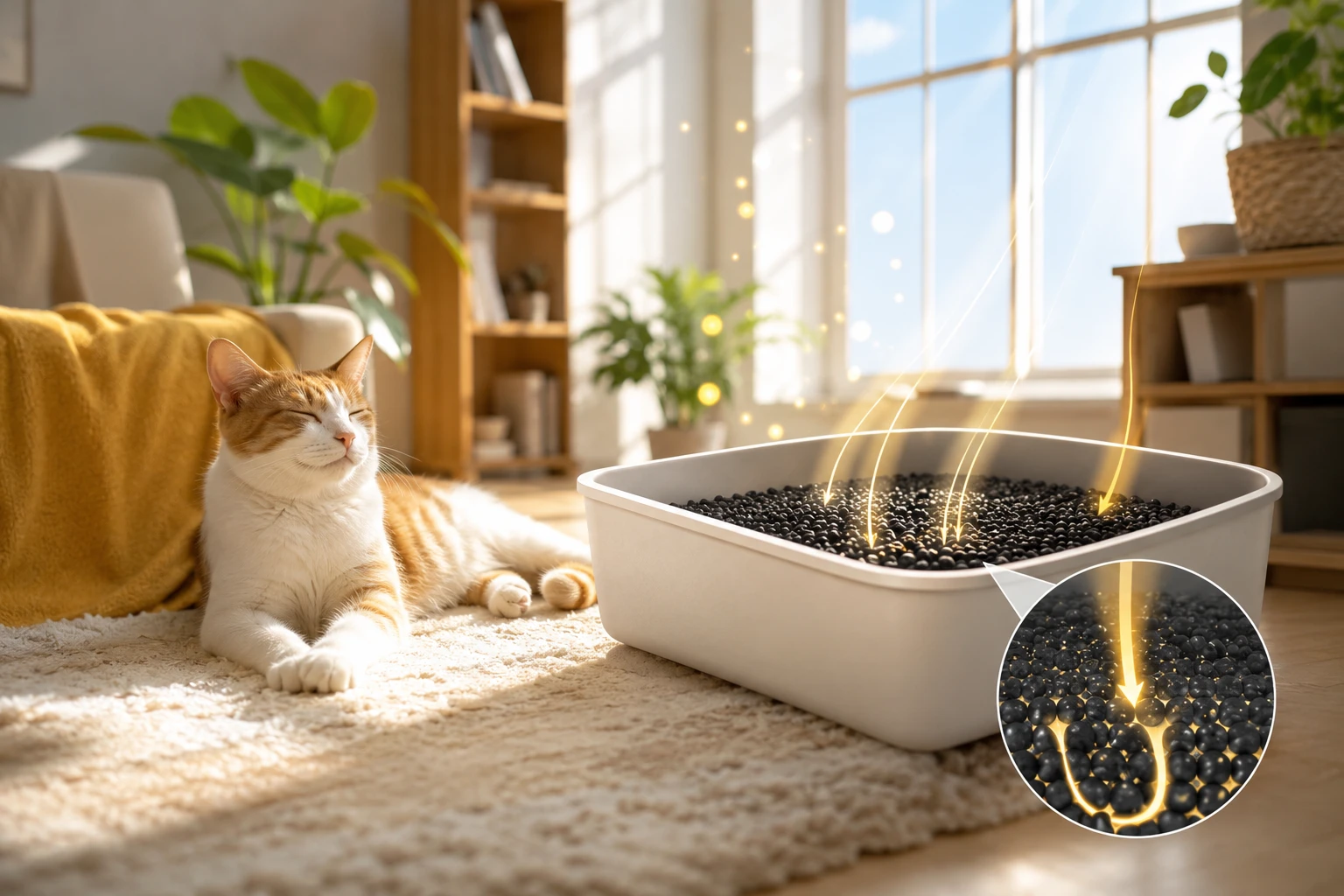
Activated carbon traps ammonia and sulfur molecules inside microscopic pores.
Understanding Kitten Sensitivities
Kittens have developing respiratory and digestive systems that make them more sensitive than adult cats.
When considering using litter deodorizers around kittens, it's helpful to understand these unique factors. For more general advice on maintaining a fresh environment, visit our litter box smell elimination guide.
Why Kittens Need Special Consideration
• Smaller body weight means greater impact from any substance
• Developing respiratory systems are more sensitive to airborne particles
• Higher likelihood of ingesting litter during grooming
• Curious nature leads to more exploration and potential exposure
Safe Deodorizer Options for Kittens
✅ Recommended: Activated Carbon
Activated carbon (like Purrify) is the safest option for kittens because:
• Chemically inert and non-toxic
• No fragrances or synthetic chemicals
• Same material used in water filtration worldwide
• Passes through digestive system if accidentally ingested
• No respiratory irritation risk
❌ Avoid with Kittens
Fragranced Deodorizers
Essential oils and synthetic fragrances can be toxic to kittens. Their small size makes them especially vulnerable to airborne chemicals.
Baking Soda (High Amounts)
While generally safe, large amounts can cause digestive upset if kittens ingest it during grooming.
Chemical Spray Deodorizers
Any spray product introduces airborne chemicals that kittens can inhale. Not recommended for cats under 6 months.
Introduce kittens to unscented litter first, before adding deodorizers.
Age Guidelines
Age
Recommendation
Notes
0-8 weeks
No deodorizers
Use only plain, unscented litter
8-16 weeks
Activated carbon only
Half adult dosage
16+ weeks
Full kitten protocol
Can use normal activated carbon amounts
Activated carbon safely traps odor molecules without exposing kittens to fragrances.
Best Practices for Kitten Owners
1. Start Without Deodorizer
For the first 8 weeks, use only plain, unscented kitten litter. This helps you establish baseline litter habits without extra variables.
2. Introduce Gradually
When you do start using deodorizer (week 8+), start with half the recommended amount and monitor your kitten's behavior.
3. Watch for Signs of Sensitivity
If your kitten sneezes, avoids the litter box, or shows any unusual behavior, discontinue use and consult your vet.
Pro Tip: The Purrify Solution
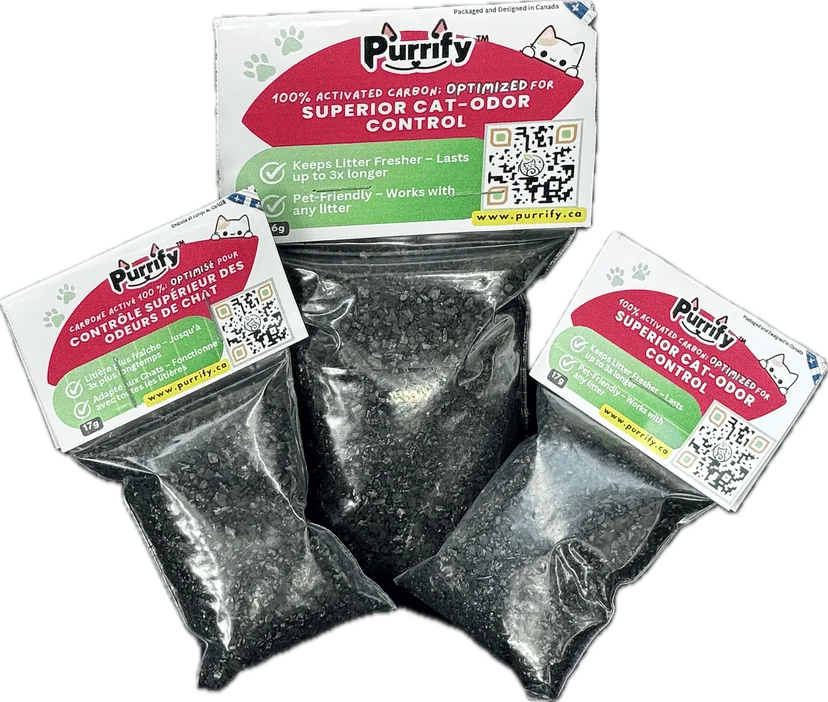
For the most effective odor control, try Purrify's activated carbon litter additive.
Simply sprinkle it in your litter box to eliminate odors for up to 7 days. Made from premium
coconut shell carbon, it's the same technology used in water and air filters.
Kittens are not just smaller cats. They spend more time investigating the litter with their noses close to the surface, they groom frequently, and they are more likely to taste or paw through anything novel in the box. That makes deodorizer choice more sensitive than it is for a settled adult cat. A product that seems harmless because it smells mild to you can still create an intense sensory change for a kitten that is learning where it is safe to eliminate. Fine dusty powders are a particular problem because they coat tiny paws, float at face level, and can encourage more licking after a box visit.
That is why the safest introduction starts with the simplest possible litter setup. Let the kitten learn the box location, texture, and routine first. Once habits are reliable, you can add a very small amount of a fragrance-free additive and observe. The goal is not maximum odor control on day one. The goal is preserving confident litter-box use while you build odor control around it. Owners often rush this step because kitten stools and frequent urination can be smelly. In practice, cleaner scooping and a low-dust unscented routine beat aggressive deodorizing almost every time.
Avoid sprays, perfumed powders, and anything marketed more for room fragrance than litter performance.
Choose additives with short ingredient lists and little to no airborne dust.
Introduce only one new variable at a time so you can tell whether the kitten accepts it.
A kitten who trusts the box is far easier to keep on track than a kitten who starts associating the box with strong scent, dust, or discomfort.
A Practical Age-by-Age Deodorizer Plan
At eight to twelve weeks, focus almost entirely on predictability. Keep the box easy to enter, easy to find, and easy to dig in. If odor is a concern, increase scooping and keep waste disposal close by rather than leaning on additives. Once the kitten has several weeks of consistent box use, you can test a very light layer of unscented activated carbon or another low-dust safe additive in one box only. That way the kitten still has a familiar control box if it dislikes the change.
From three to six months, most kittens become stronger diggers and more confident users. This is usually the safest window to make deodorizer part of the normal setup, provided the kitten is not sneezing, paw flicking, or refusing the box. Use tiny measured amounts and refresh lightly after scooping rather than creating a dramatic change at full litter replacement. By six months and beyond, the setup can begin to resemble an adult routine, but observation still matters because adolescent cats often go through periods of heightened sensitivity or changes in preference.
Early stage: prioritize habit-building and low stress over odor-control intensity.
Transition stage: test additive in one box, not every box, and keep the dose small.
Established stage: use maintenance top-ups and monitor whether the kitten keeps digging and covering normally.
This staged approach gives you a cleaner home without gambling with the most important outcome, which is a kitten that keeps choosing the litter box willingly.
How to Tell if a Kitten-Safe Setup Is Actually Working
A successful deodorizer routine for kittens is measured by behavior first and smell second. If the room smells better but the kitten starts hovering at the edge, scratching outside the box, using corners, or running away immediately after entering, something about the setup is too intense. The right setup looks uneventful. The kitten enters without hesitation, digs normally, covers waste, leaves without dramatic paw shaking, and does not spend extra time grooming dusty paws afterward.
Pay attention to subtle signs. Occasional sneezing during litter changes may mean the additive is too dusty. Avoidance of one box but not another may tell you the new product is the problem, not the litter itself. A kitten that keeps returning to sniff the box without using it may be uncertain about the changed scent profile. These are useful warnings because litter-box habits form quickly at this age.
When a setup works, keep it stable. Do not switch from unscented carbon to a floral deodorizer just because the product claims stronger freshness. Kittens benefit from consistency more than from aggressive experimentation. The best kitten deodorizer is the one gentle enough that your kitten barely notices it while your routine does the rest.
When Odor Around a Kitten Should Prompt a Vet Check
Young kittens can have smell changes that are not just housekeeping issues. Diarrhea, sudden foul stool, unusually concentrated urine, constipation, straining, or repeated accidents can change the room odor quickly. It can be tempting to solve that with more deodorizer because the smell feels urgent, but with kittens it is better to treat a sudden odor shift as a clue. Their small size means dehydration, diet upset, parasites, or urinary problems can escalate faster than they do in a robust adult cat.
Use deodorizer to keep the space manageable, but do not let it become the reason you miss a pattern. If odor changes come with lethargy, reduced appetite, frequent box trips, blood, or vocalizing, check with your veterinarian. Clean air matters, but so does noticing when the smell is telling you the kitten needs help.
Pair the Deodorizer With a Kitten-Friendly Box Setup
A kitten-safe deodorizer works best when the rest of the setup is equally gentle. Low entry sides, easy access, and a quiet location help the kitten focus on learning the habit instead of reacting to the environment. If the box is hard to enter, too enclosed, or tucked beside noisy appliances, even a mild additive can seem like the reason the kitten hesitates.
That is why deodorizer decisions should always be paired with box decisions. A calm location plus a low-dust unscented routine is far more effective than trying to solve every odor issue with the additive alone.
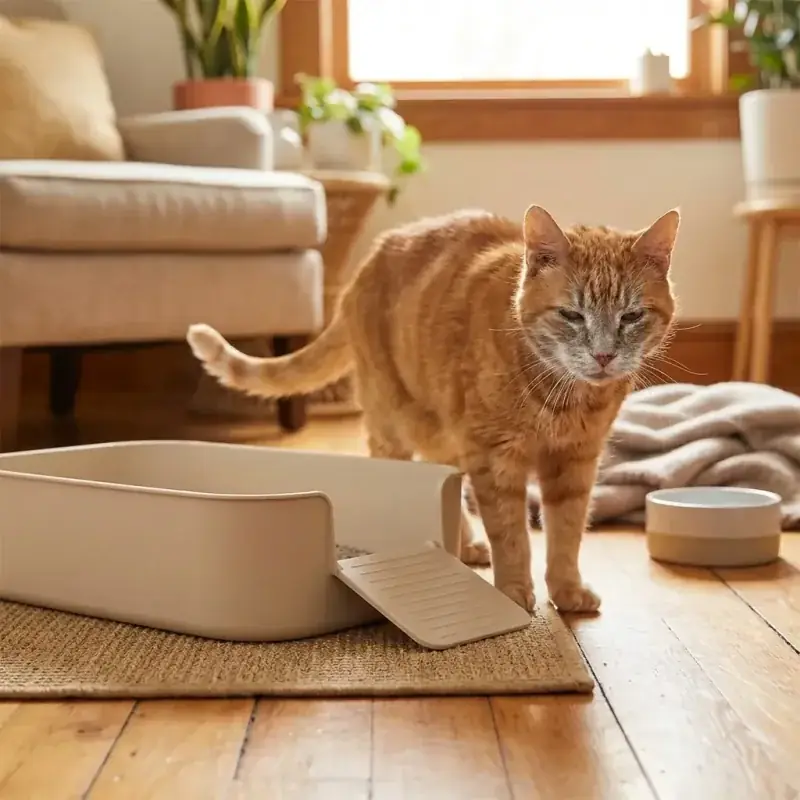
A fresh home environment is achievable even with young kittens.
Keep One Control Box During Any Change
If you have more than one box, leave one completely unchanged while you test a deodorizer in the other. That simple control box protects the kitten's confidence and makes it much easier to tell whether the new product is truly being tolerated.
Consistency Is More Important Than Extra Strength
With kittens, the safest odor routine is usually the one you barely notice. Consistent scooping, a calm box location, and a very light unscented additive beat any stronger deodorizing approach that risks changing how the box feels. Protect the habit first and let odor control grow around it slowly.
A consistent scooping and additive routine keeps homes fresher between litter changes.
How quickly should litter box odor improve with a consistent routine?
Most homes notice a meaningful improvement within 24 to 72 hours when scooping, airflow, and activated carbon layering are all consistent.
Can I use activated carbon additive with my current litter?
Yes. Carbon additive is compatible with most common litter types and is most effective when applied in small, regular top-ups.
What is the best way to prevent odor rebounds after cleaning?
Use a maintenance schedule instead of waiting for smell to return: scoop twice daily, refresh carbon weekly, and perform full resets on a fixed cadence.