
Looking for the broad buying guide? See our main page on the best cat litter for odor control (4 types compared for 2026). This page stays focused on smell-specific review tradeoffs.
Let's be honest: most "odour control" cat litters don't actually control odour. They mask it with perfume until the fragrance wears off, then you're back to square one-or worse, dealing with that sickly-sweet litter box smell that screams "I have cats."
After testing dozens of litters and talking to veterinary professionals, we've identified what meaningfully reduces cat litter smell versus what just temporarily covers it up. The difference comes down to science: molecular trapping versus fragrance masking.
Quick Answer: What Actually Eliminates Litter Smell?
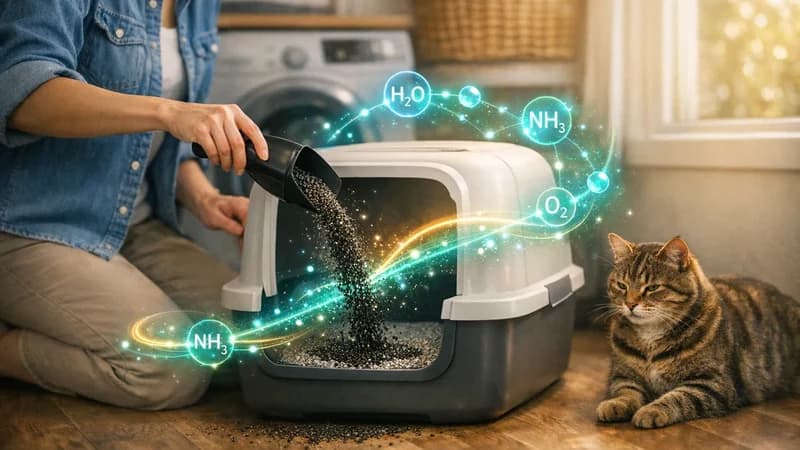
The most effective odour control combines quality litter with activated carbon technology-the same molecular trapping used in municipal water treatment and hospital air filtration. Unlike fragrances that mask odours temporarily, activated carbon physically captures and holds odour molecules permanently.
Last updated: May 20, 2026

Why Most "Odour Control" Litters Fail
Before diving into recommendations, let's understand why so many litters disappoint. Most odour control claims rely on one of three approaches:
Fragrance Masking
Perfumes cover odours temporarily but fade within 24-48 hours. Then both the litter smell AND the added fragrance compete for your nose's attention.
Baking Soda
Neutralizes some acids but is quickly overwhelmed. Effective for about 2-3 days before ammonia breaks through.
Activated Carbon
Physically traps odour molecules in microscopic pores. Used in water treatment and medical filtration. Continues working until pores are full (7+ days).
Here's the key difference: fragrance masking is like spraying air freshener in a gym locker room. You've added a smell on top of a smell. Activated carbon is like removing the source-it captures ammonia, sulfur compounds, and organic molecules before they reach your nose.
Best Cat Litters for Smell Control (2026 Rankings)
We evaluated litters based on three criteria: how long they control odour, whether they irritate cats, and real-world performance in multi-cat households.
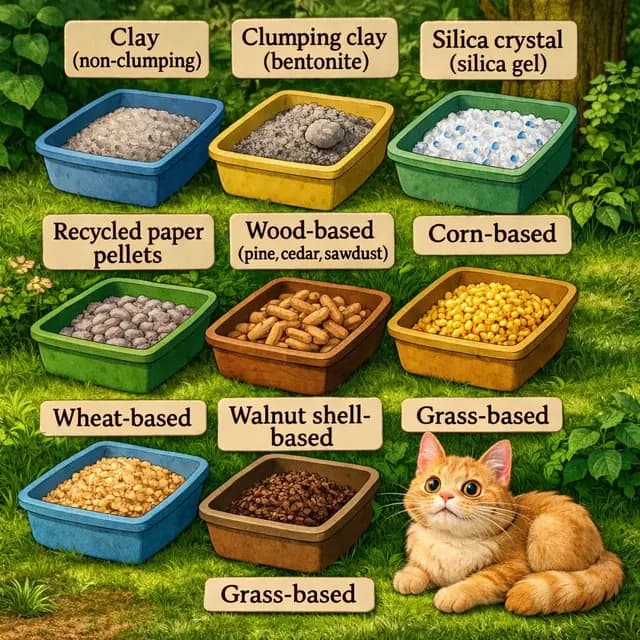
| Litter Type | Odour Method | Duration | Cat-Friendly | Best For |
|---|---|---|---|---|
| Clay + Activated Carbon | Molecular trapping | 7+ days | Excellent | Maximum odour elimination |
| Unscented Clumping Clay | Moisture absorption | 3-5 days | Excellent | Budget-conscious homes |
| Scented Clumping Clay | Fragrance + absorption | 1-3 days | Variable | Those who prefer scents |
| Wood Pellets | Natural absorption | 5-7 days | Excellent | Eco-conscious homes |
| Silica Gel Crystals | Moisture absorption | 2-4 weeks | Some cats dislike texture | Low-maintenance needs |
| Corn/Wheat Based | Natural clumping | 3-5 days | Excellent | Natural/flushable preference |
The Science Behind Activated Carbon Odour Control
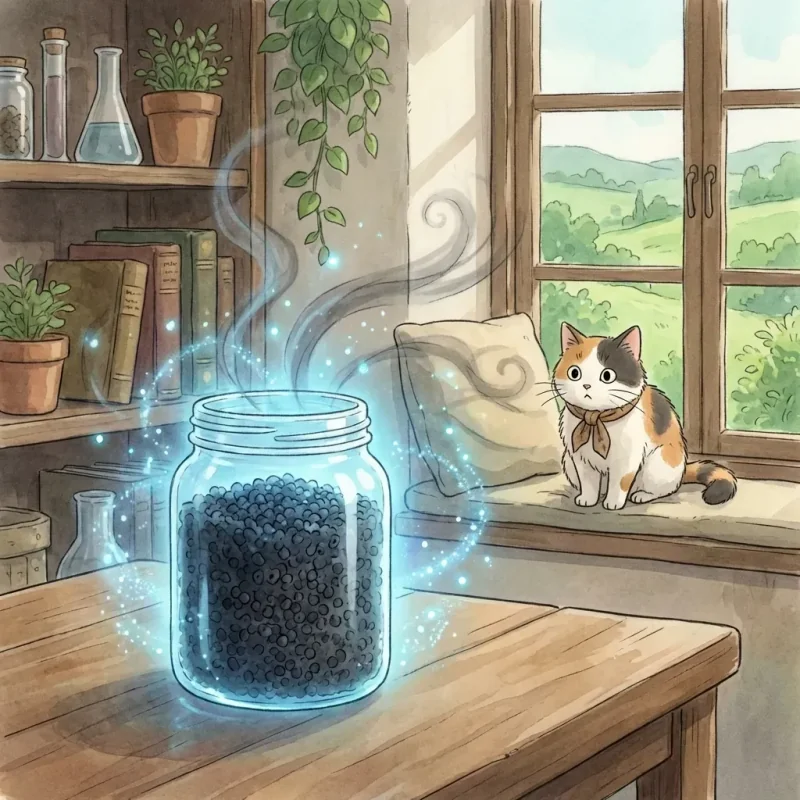
Activated carbon isn't new technology-it's the same filtration method used in municipal water treatment plants, hospital air purification systems, home air purifiers, and aquarium filters. What makes it special is the surface area.
The Football Field Analogy
A single gram of activated carbon has a surface area exceeding 1,000 m². This vast microscopic surface is covered in tiny pores that physically trap ammonia, sulfur compounds, and organic odour molecules. Once trapped, these molecules can't escape back into your home.
This is why activated carbon is used where odour control is critical-not optional. Municipal water treatment relies on it to remove contaminants. Hospitals use it for air filtration. Home air purifiers like those from Dyson, Honeywell, and Levoit all use activated carbon filters.
The principle is simple: rather than covering smells with stronger smells, you remove the odour molecules entirely. Your nose can't detect what isn't there. For a deep dive into why some boxes smell even after cleaning, check our litter box smell elimination guide.
How to Upgrade Your Current Litter
Here's good news: you don't need to switch litters entirely. If your cat already has a litter they love, you can add activated carbon technology on top.
Purrify: The Activated Carbon Upgrade
Purrify Litter Deodorizer is made from 100% coconut shell activated carbon-the highest-grade form available. Unlike lower-quality coal-based carbons, coconut shell carbon has more micropores, making it more effective at capturing the small molecules responsible for litter box odour.
- Works with any litter your cat already uses
- 7+ days of odour protection per application
- 100% natural, fragrance-free, non-toxic formula
- Same technology used in drinking water filtration
Tips for Maximum Odour Control
Even the best litter needs proper maintenance. Here's how to maximize odour control:
1. Scoop Daily
Remove solid waste daily. This alone reduces odour by 50% or more. No litter can overcome a box full of waste.
2. Maintain 3-4" Depth
Shallow litter can't absorb moisture effectively. Keep litter at least 3 inches deep for proper clumping and odour control.
3. Add Activated Carbon
Sprinkle activated carbon deodorizer on top of litter after scooping. Reapply with each litter change for continuous protection.
4. Full Change Every 2-4 Weeks
Even with scooping, litter degrades over time. Dump everything, wash the box, and start fresh regularly. To get a custom schedule based on your cat count and litter type, use our free cat litter calculator.
What to Avoid When Choosing Litter for Smell
Some common "solutions" actually make odour problems worse:
- Heavy perfumes: Strong scents can deter cats from using the box, leading to accidents and more odour problems
- Essential oils: Many are toxic to cats (eucalyptus, tea tree, citrus). Never add these to litter
- Cheap clumping litters: Poor clumping means urine breaks apart and spreads through the box
- Air fresheners near the box: Cats have sensitive noses-masking agents near the box cause avoidance
How to Read Odor-Control Claims on a Litter Label
Shopping for the best cat litter for smell gets easier once you know how to read the label language. "Odor control" can mean perfume, deodorizing additives, stronger clumping, or a combination of all three. "Unscented" does not always mean fragrance-free, because some litters still contain odor-masking ingredients that have a scent once the bag opens. "Carbon" can also mean many things, from meaningful activated carbon odor support to tiny decorative amounts used mostly for marketing.
The safest way to judge a litter is to ask what it is doing physically in the box. Is it handling moisture well? Is it likely to stay stable under repeated use? And is the odor control built around actual removal or around a scent profile that feels clean to humans? Those questions make the category far less confusing.
Match the Litter Choice to the Household, Not to the Hype
The best litter for smell in a single-cat home may not be the best in a studio apartment, a four-cat household, or a home with a fragrance-sensitive cat. Strong clumping and low dust may matter most in one home. Low scent and low tracking may matter most in another. That is why honest litter reviews should always be filtered through your actual setup.
Once you match the litter to the household, the decision usually becomes clearer. You are not choosing the most heavily advertised product. You are choosing the one whose tradeoffs fit your cat, your space, and the kind of odor problem you actually need solved.
Frequently Asked Questions
What cat litter helps reduce smell instead of masking it?
Litters with activated carbon technology reduce odour through molecular trapping-the same method used in municipal water treatment and hospital air filtration. Unlike fragrances that mask smells temporarily, activated carbon helps trap ammonia and sulfur compounds before they spread through the room.
Why does my litter box smell even with odour control litter?
Most odour control litters rely on fragrance masking, which fades within 24-48 hours. Additionally, infrequent scooping, shallow litter depth, or using the same litter too long overwhelms any odour control technology. Try adding activated carbon deodorizer and scooping daily.
Is scented or unscented litter better for odour control?
Unscented litter with added odour-trapping technology (like activated carbon) typically performs better than scented litter. Scents fade quickly and can deter cats from using the box. Many cats prefer unscented options, and fragrance-free litter is gentler on sensitive respiratory systems. For a full comparison of the top no scent cat litter options-including Canadian availability-see our best unscented cat litters guide.
How does activated carbon compare to baking soda for litter odour?
Activated carbon significantly outperforms baking soda. While baking soda neutralizes some acids, it's quickly overwhelmed (2-3 days). Activated carbon physically traps odour molecules in micropores-one gram has a surface area equivalent to a football field-and continues working for 7+ days.
Can I add something to my current litter to control smell better?
Yes! Activated carbon litter deodorizers like Purrify work with any litter. Simply sprinkle on top after scooping. This adds professional-grade odour control without forcing your cat to adapt to new litter.
What's the best litter for multi-cat households with odour problems?
Multi-cat homes benefit most from combining quality clumping litter with activated carbon technology. The clumping isolates waste for easy removal, while activated carbon continuously traps the higher ammonia levels produced by multiple cats. Daily scooping and adequate litter box quantity (one per cat plus one extra) are essential.
Are cat litter deodorizers with activated carbon pet-friendly?
Pure activated carbon is non-toxic and pet-friendly-it's the same material used in water filters that make drinking water clean. Look for food-grade, fragrance-free formulas specifically designed for litter boxes. Avoid products with added perfumes, essential oils, or chemical additives that could irritate cats.
The Bottom Line: What Actually Works
After testing and research, the formula for reducing cat litter smell is straightforward:
- Choose quality unscented litter your cat will actually use
- Add activated carbon technology for molecular-level odour trapping
- Scoop daily to remove waste before it degrades
- Maintain proper depth (3-4 inches) and change fully every 2-4 weeks
Skip the perfumed litters that fade in a day. Focus on the science that actually works-the same technology that keeps municipal water clean and hospital air fresh can keep your home odour-free.
Using an automatic box? See the self-cleaning litter box odor control guide for waste-drawer smell, cycle delay, and residue fixes.
Ready to reduce litter box odour?
Try Purrify's coconut shell activated carbon deodorizer-works with any litter your cat already loves.
Shop Purrify