Quick Facts for US Cat Owners
- • There are 47 million American households with cats
- • Litter box odor is the #1 complaint among US cat owners
- • Most "odor control" litters sold at PetSmart and Petco use masking fragrances
- • Activated carbon provides true odor elimination-same tech used in water filters
The American Cat Litter Challenge
With over 47 million American households sharing their homes with cats, litter box odor is a universal struggle. From coast to coast-California condos to New York apartments to Texas ranch houses, the ammonia smell doesn't care about your zip code.
And yet, despite spending billions annually at retailers like PetSmart and Petco, many US cat parents are still using technology that hasn't changed in 50 years.
Why Popular US Litter Brands Fall Short
- • Arm & Hammer, Tidy Cats, Fresh Step use fragrances that fade in 24-48 hours
- • "Odor control" claims often mean masking, not eliminating
- • Scented litters can actually stress cats' sensitive respiratory systems
- • Premium litters cost more but often use the same ineffective approach
Regional Challenges Across America
Different regions face different odor challenges. From the humid South to the cold Midwest, American homes require tailored solutions.

Northeast & Urban Areas
Small apartments mean litter boxes closer to living spaces. In cities like NYC, Boston, and Philadelphia, odor control isn't optional, it's essential for sanity.
Southern States
Higher humidity in Florida, Texas, and Georgia accelerates bacterial growth, intensifying ammonia production. Heat makes everything smell worse, faster.
West Coast
California's tight housing market means more apartment living with multiple cats. Eco-conscious cat owners also prefer natural solutions over chemical fragrances.
Midwest
Cold winters mean closed windows for months. Without ventilation, litter box smells concentrate indoors-making winter the worst season for odor.
The Science of Real Odor Control
Here's what actually works: activated carbon. It's the same technology used in Brita water filters, fish tank filtration, and even the air purification systems on the International Space Station.
How Activated Carbon Beats Traditional Litters
- • Physical trapping: Odor molecules bond to carbon's microporous surface
- • No fragrances: Eliminates smell without adding synthetic scents
- • Long-lasting: 7+ days of freshness vs 24-48 hours with scented litters
- • Works with any litter: Add to your existing brand-no switching required
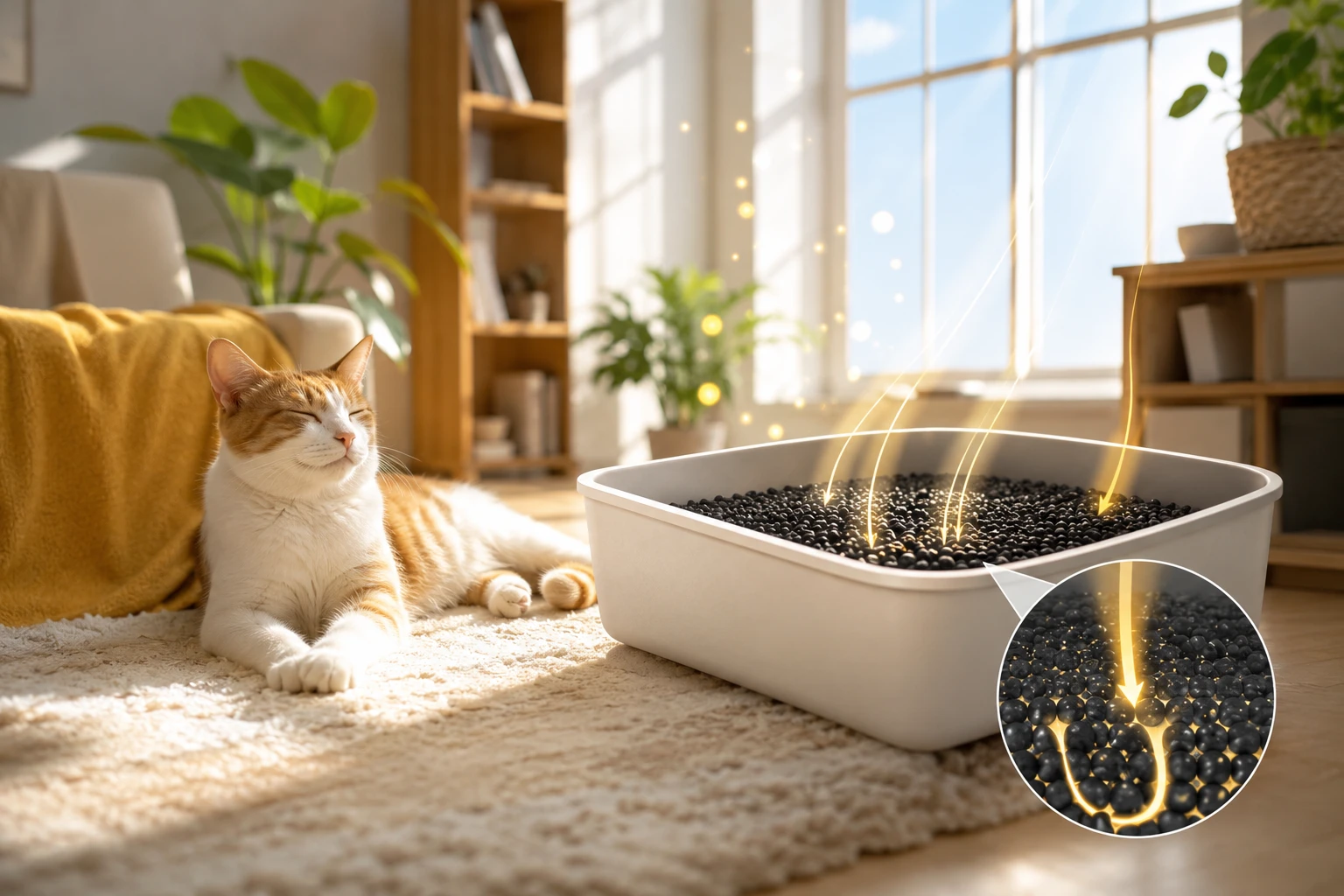
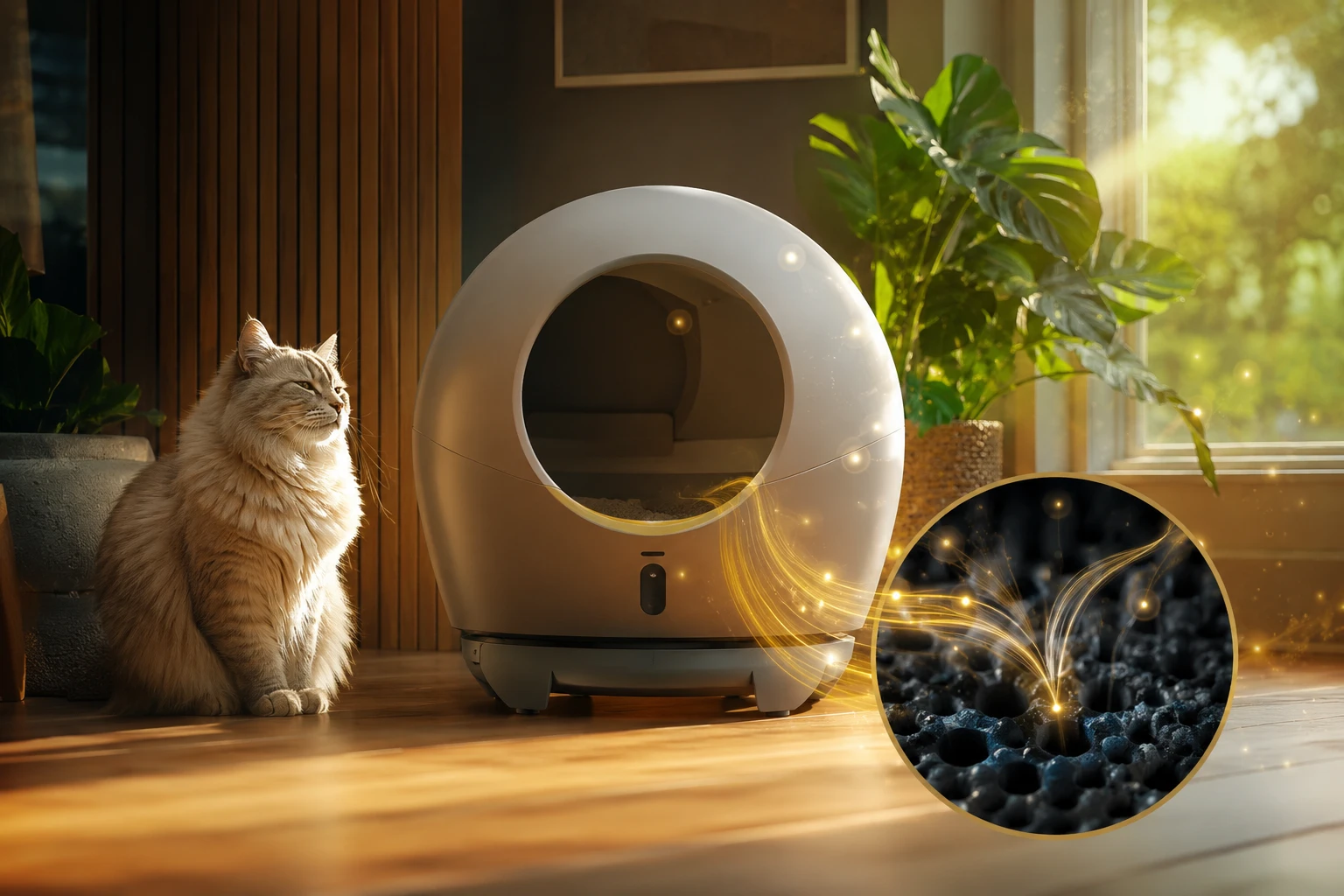
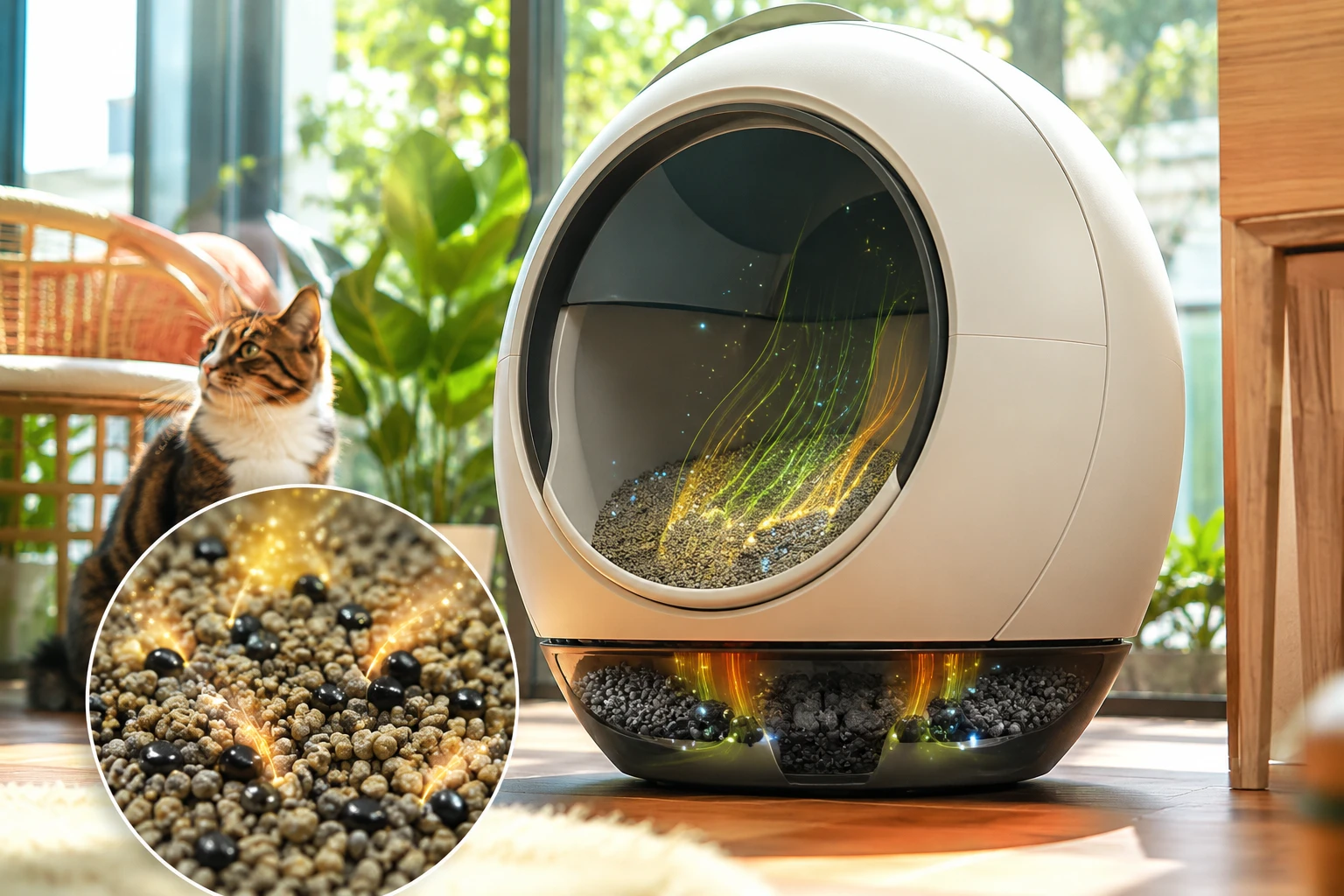
One gram of activated carbon has the internal surface area of a football field. Those microscopic tunnels trap ammonia and sulfur-based odor molecules on contact, not mask them, trap them.
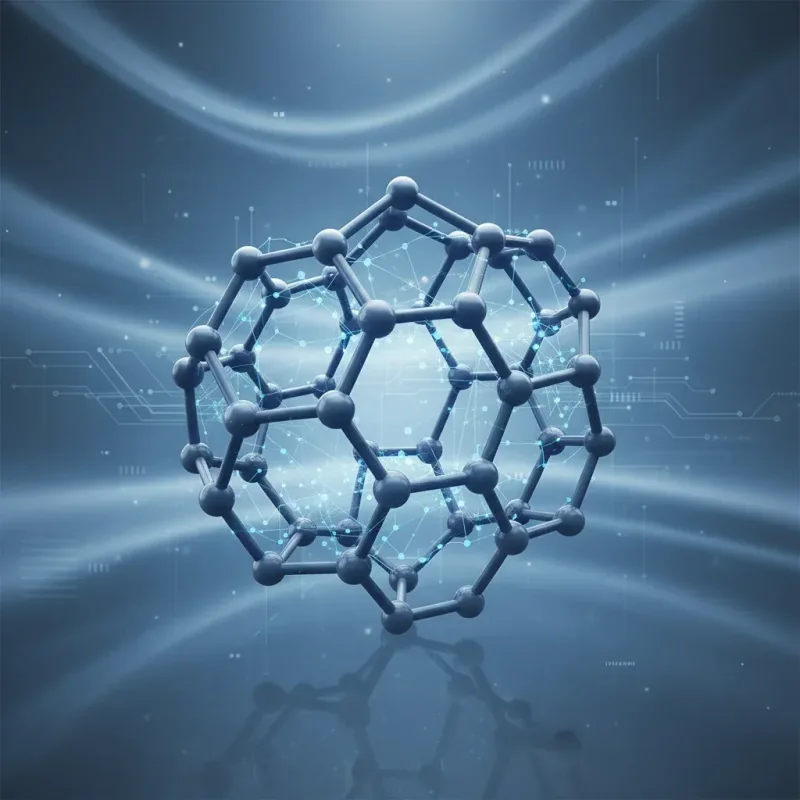
Activated carbon's microporous structure permanently traps odor molecules
What American Cat Owners Are Saying
"I was skeptical about ordering from Canada, but the shipping was fast and this stuff actually works. My Brooklyn apartment doesn't smell like cats anymore!"
- Jennifer M., Brooklyn, NY
"We have three cats in Houston where the humidity makes everything worse. Tried everything at PetSmart. This is the only thing that's made a real difference."
- Marcus T., Houston, TX
"Guest literally asked if we still have cats because they couldn't smell anything. After years of embarrassment, that felt amazing."
- Sarah K., San Francisco, CA
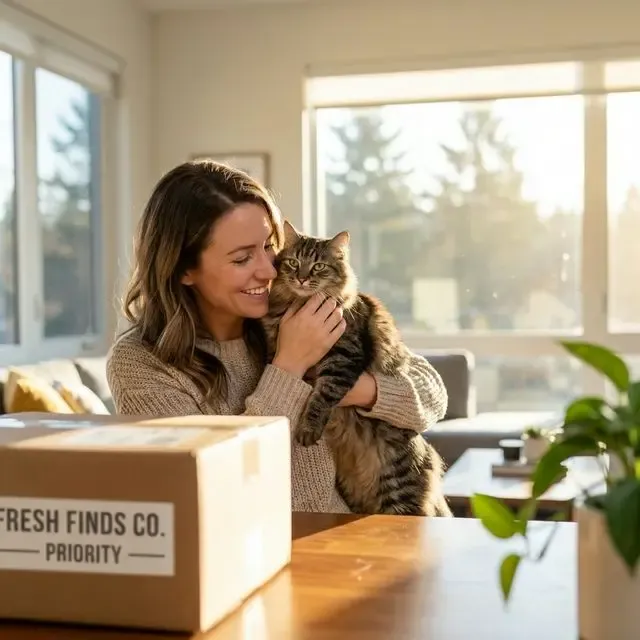
Join thousands of happy US customers
Ready for a litter box you can't smell?
Free shipping. Never run out. Cancel anytime.
Start autoship →Shipping to the USA
While Purrify is manufactured in Canada, we ship to all 50 US states. Here's what American customers can expect:
| Detail | Information |
|---|---|
| Shipping Cost | Calculated at checkout by destination |
| Delivery Time | 14-28 business days |
| Customs/Duties | Most orders under $800 enter duty-free |
| Payment Methods | Visa, Mastercard, Amex, Apple Pay, Google Pay |
How to Get Started
The best way to experience activated carbon odor control is to try it yourself. Here's the simple process:
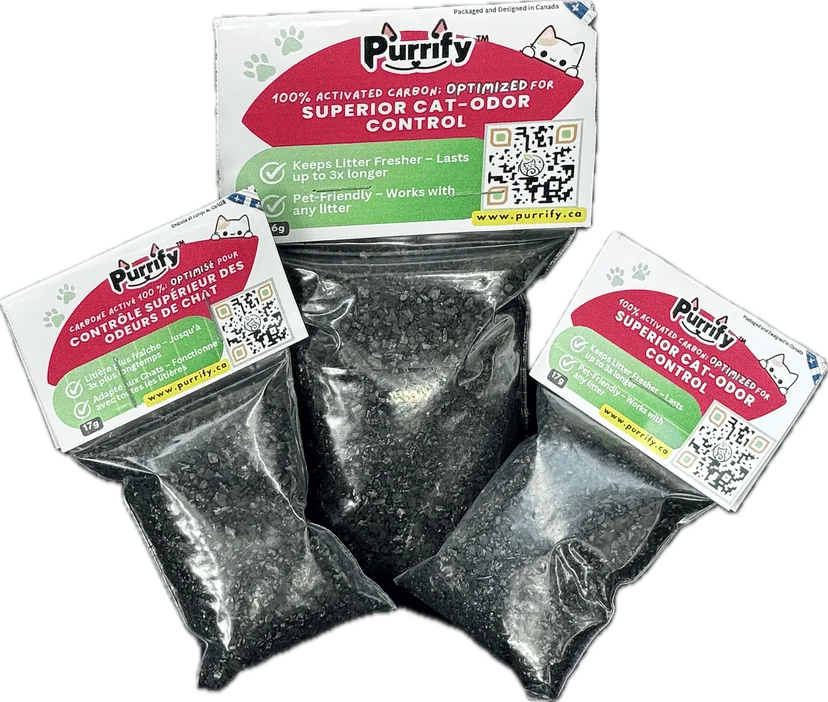
Pro Tip: The Purrify Solution
For the most effective odor control, try Purrify's activated carbon litter additive. Simply sprinkle it in your litter box to eliminate odors for up to 7 days. Made from premium coconut shell carbon, it's the same technology used in water and air filters.
Try Purrify Risk-Free →