
Quick Answer
The best cat litter deodorizer depends on how it handles odour molecules, not how it smells to you. Activated carbon physically traps gas molecules (the same technology used in municipal water treatment), while baking soda, fragranced deodorizers, and sprays primarily mask odours temporarily.
Enzyme deodorizers can help break down organic waste, but work best for spot cleaning rather than ongoing litter box use. For continuous protection, activated carbon outperforms other deodorizer types.
How Cat Litter Deodorizers Work
This comparison of the best cat litter deodorizers shows a stark divide: those that mask odor with fragrance, and those that eliminate it through molecular adsorption. Understanding this difference is key to solving the problem. Cat litter odour comes from two sources:
💨 Ammonia (from urine)
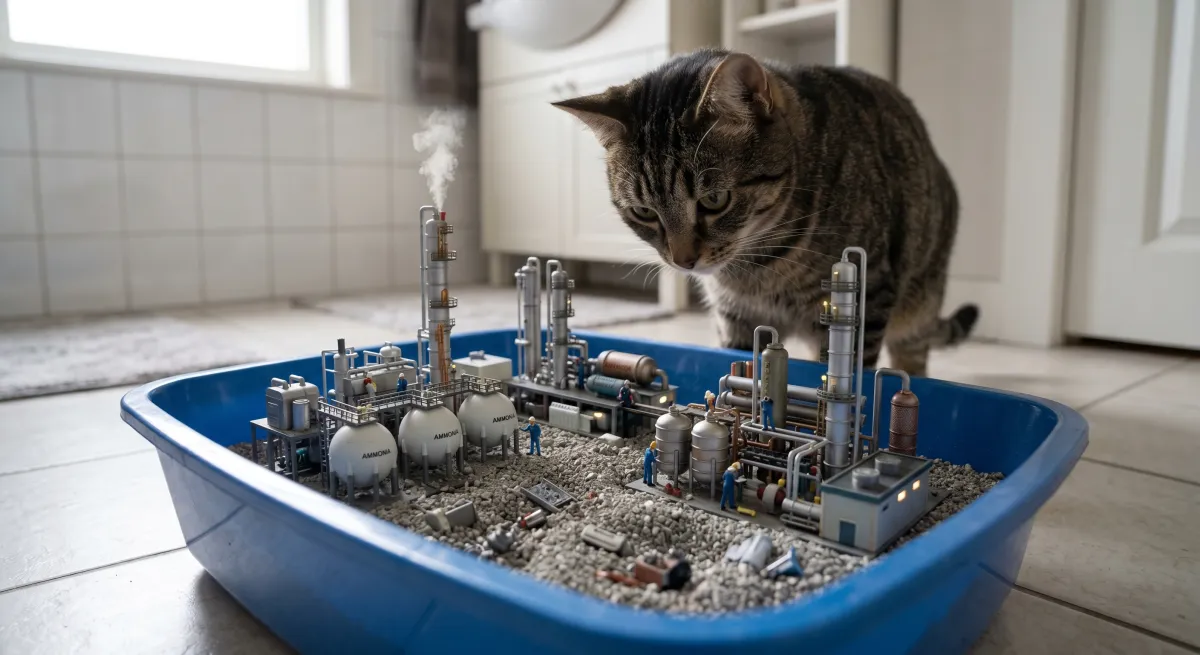
Cat urine contains urea. Bacteria break urea down into ammonia gas, the sharp, eye-watering smell that dominates most litter box odours.
💨 Sulfur Compounds (from feces)
Cat feces release sulfur-based compounds that add a secondary layer of unpleasant odour. These dissipate from exposed solid waste.
Both of these are gas molecules-they become airborne immediately. This is critical because it determines which deodorizers actually work versus which just cover up the problem.
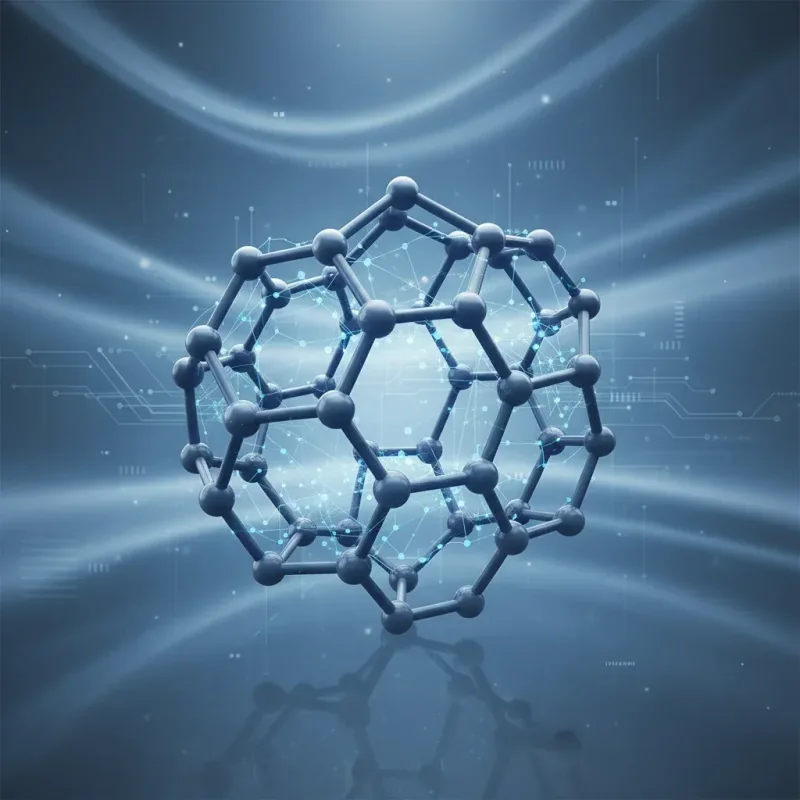
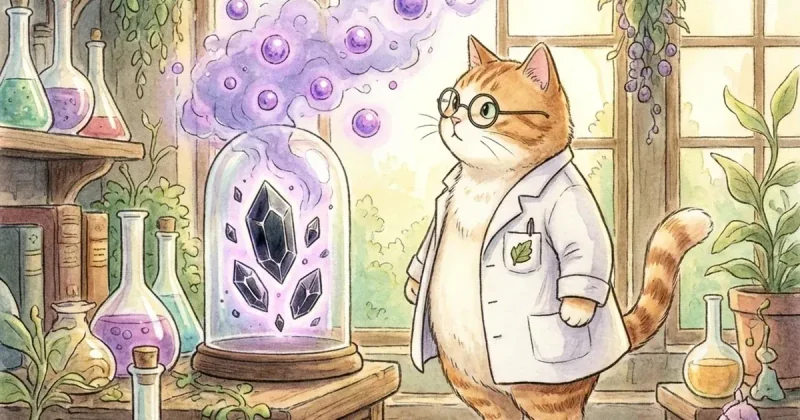
Understanding odour at the molecular level helps you choose the right deodorizer
The Two Approaches to Deodorizing
Masking (Temporary)
Adds fragrance that covers the smell. Odour molecules remain, you just smell something stronger on top. Fades as fragrance dissipates.
Elimination (Permanent)
Physically removes or chemically neutralizes odour molecules. The smell is gone, not covered. Works continuously until capacity is reached.
Cat Litter Deodorizer Types Compared
Baking Soda (Sodium Bicarbonate)
Partial MaskingThe classic DIY solution. Baking soda can neutralize some acids through chemical reaction, but it has limited effectiveness against ammonia gas. It works better for absorbing moisture than trapping odour molecules.
Pros
- • Extremely affordable
- • Widely available
- • Generally pet-friendly
- • No artificial fragrances
Cons
- • Limited gas-trapping ability
- • Requires chemical reaction (not passive)
- • Large amounts needed for effect
- • Can cake when wet
Verdict: Better than nothing, but requires frequent, heavy application. See our detailed activated carbon vs baking soda comparison.
Fragranced Deodorizers
Masking OnlyCommercial fragranced deodorizers typically combine baking soda or clay with added fragrances. The scent covers litter box odour temporarily, but odour molecules remain in the air.
Pros
- • Immediate pleasant scent
- • Easy to use
- • Many scent options
- • Affordable
Cons
- • Only masks, doesn't eliminate
- • Cats may dislike strong scents
- • Can irritate cat respiratory systems
- • Your nose adapts, odour returns
Verdict: Creates the illusion of freshness. Cats have 200 million scent receptors and often avoid heavily fragranced litter.
Deodorizing Sprays
Masking OnlySpray deodorizers deliver fragrance and sometimes enzyme cleaners in liquid form. They're popular for quick freshening but don't provide lasting protection.
Pros
- • Quick application
- • Can target specific areas
- • Immediate effect
- • Some include enzymes
Cons
- • Very short-lasting effect
- • Adds moisture to litter
- • Frequent reapplication needed
- • Can clump or wet the litter
Verdict: Good for emergency freshening before guests, not for ongoing odour control.
Enzyme Cleaners
Partial EliminationEnzyme-based products use biological agents to break down organic waste. They're excellent for spot cleaning accidents but work differently in a litter box environment.
Pros
- • Actually breaks down waste
- • Excellent for spot cleaning
- • Works on carpets and floors
- • Addresses odour source
Cons
- • Needs time to work (hours)
- • Requires moisture to activate
- • Enzymes deplete over time
- • Less effective for airborne gases
Verdict: Excellent for accidents outside the litter box. Less practical for continuous litter box use.
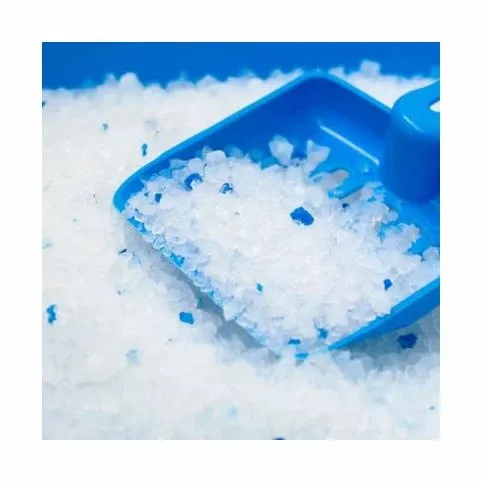
Crystal/Zeolite Additives
Partial EliminationSome deodorizers use zeolite or silica gel crystals mixed into granule form. These materials have some gas-absorption properties but are less effective than activated carbon for odour molecules.
Pros
- • Some molecular trapping ability
- • Low dust formulas available
- • Works passively
- • Long shelf life
Cons
- • Less surface area than carbon
- • Variable quality
- • Often mixed with fragrances
- • Limited ammonia capture
Verdict: A step above baking soda but doesn't match activated carbon's performance.
Activated Carbon
True Elimination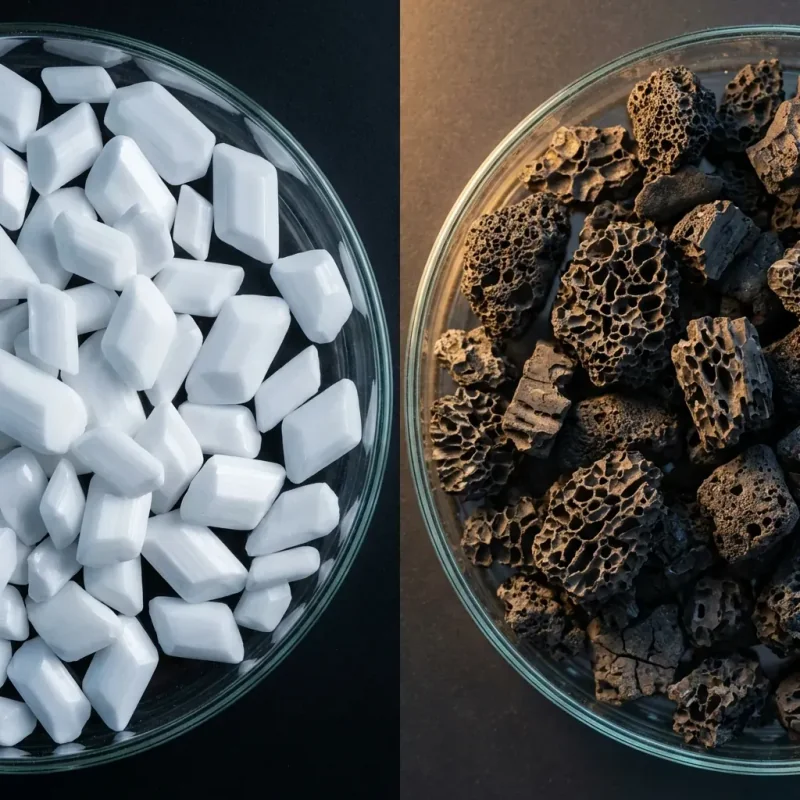
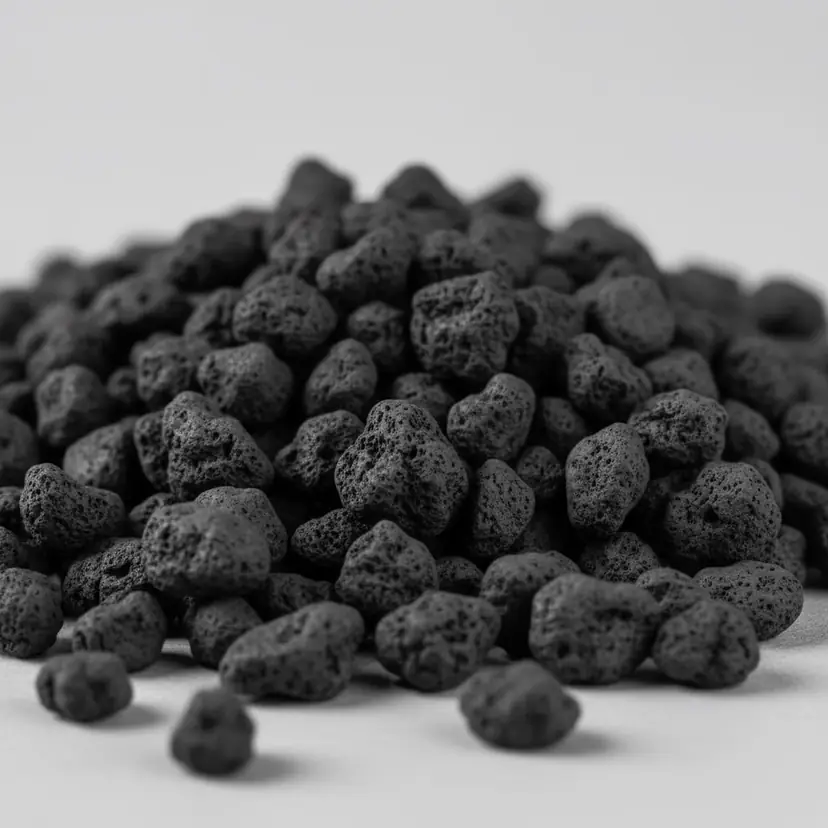
Macro view: activated carbon has a porous structure built for trapping odor molecules.
Activated carbon physically traps gas molecules through a process called adsorption. It's the same technology used in municipal water treatment plants, hospital air filtration systems, and home water filters. One gram has the surface area of a football field. The short answer is a cat litter deodorizer you add to the litter you already buy.
Pros
- • Actually traps gas molecules
- • Works passively and continuously
- • Fragrance-free (cats accept it)
- • Long-lasting (7+ days)
- • Proven technology (water/air filtration)
Cons
- • Higher initial cost than baking soda
- • Black colour (visible on light litters)
- • Quality varies by brand/source
- • Needs replacement when saturated
Verdict: The only deodorizer type that physically removes odour molecules from the air rather than masking them.
Side-by-Side Comparison: Best Cat Litter Deodorizers
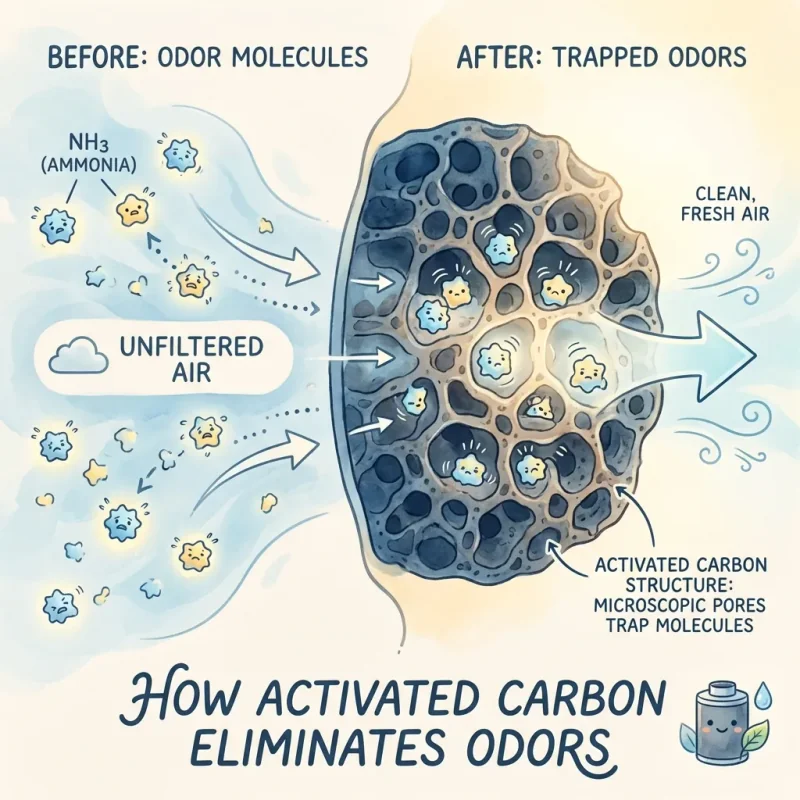
How different deodorizer types address odour molecules
| Deodorizer Type | Method | Duration | Cat-Friendly | Effectiveness |
|---|---|---|---|---|
| Baking Soda | Chemical reaction | 1-2 days | ✅ | ⭐⭐ |
| Fragranced Deodorizer | Scent masking | Hours | ⚠️ Often not | ⭐ |
| Spray Deodorizer | Scent masking | Minutes-hours | ⚠️ Varies | ⭐ |
| Enzyme Cleaner | Biological breakdown | Variable | ✅ | ⭐⭐⭐ (spot cleaning) |
| Zeolite/Crystal | Partial adsorption | 3-5 days | ✅ | ⭐⭐⭐ |
| Activated Carbon | Molecular trapping | 7+ days | ✅ | ⭐⭐⭐⭐⭐ |
Why Activated Carbon Wins

Activated carbon is used in demanding air and water filtration systems where odor molecules need to be trapped, not covered.
Activated carbon is proven filtration technology applied to a litter box problem. Here's why it outperforms every other cat litter deodorizer type:
The Football Field Analogy
According to Brunauer–Emmett–Teller (BET) theory analysis, high-quality activated carbon has a surface area exceeding 3,000 m² per gram, roughly the size of a football field. This massive internal network traps ammonia molecules on contact, explaining why a few grams outperform cups of baking soda.
Trusted Everywhere Odour Matters
💧 Municipal Water Treatment
Cities worldwide use activated carbon to purify drinking water for millions. If it's trusted for what you drink, it handles litter box odours easily.
🏥 Hospital Air Systems
Operating rooms and ICUs rely on activated carbon filtration for sterile air. The same molecular-trapping power works on pet odours.
🌊 Home Water Filters
Your Brita or PUR filter uses activated carbon. The same technology that improves your water eliminates litter box odours.
🐟 Aquarium Filtration
Aquarium hobbyists use activated carbon to keep tanks crystal clear and odour-free. It works in water and air environments alike.
Purrify: Filtration-Grade Carbon for Litter
Purrify uses food-grade coconut shell activated carbon, the same material trusted in drinking water filters. It's 100% fragrance-free, non-toxic, and provides 7+ days of continuous odour elimination.
Learn more at our How It Works page.
How to Choose the Right Deodorizer

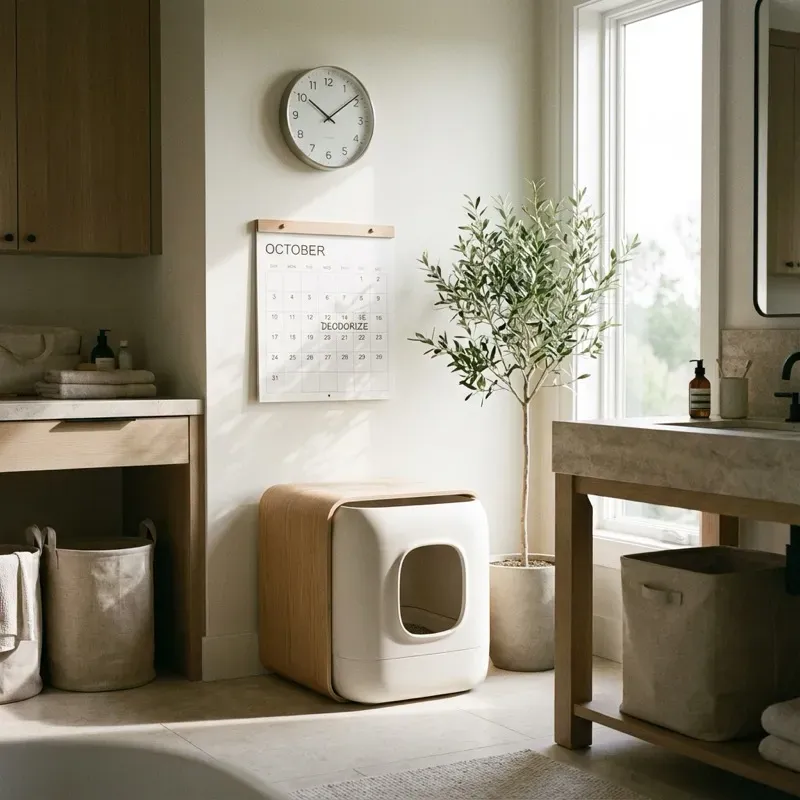
Total home freshness: When the odors are removed at the source, your whole house benefits.
For Daily Litter Box Freshness
Best choice: Activated carbon granules
Apply once every 3-7 days. Works continuously without reapplication. Fragrance-free so cats accept it readily.
For Emergency Guest Situations
Quick fix: Spray deodorizer + activated carbon
Spray provides immediate effect, carbon provides lasting control. Together they handle both immediate and ongoing needs.
For Accidents Outside the Litter Box
Best choice: Enzyme cleaner
Enzyme cleaners excel at breaking down organic waste on carpets and floors. Let them work for several hours for best results.
For Budget-Conscious Households
Good option: Baking soda + frequent litter changes
If cost is the primary concern, heavy baking soda application plus daily scooping and weekly full changes can help. Not as effective as carbon, but better than nothing.
Frequently Asked Questions
What is the best cat litter deodorizer?
Activated carbon is the most effective deodorizer type because it physically traps odour molecules rather than masking them. It's the same technology used in municipal water treatment and hospital air filtration systems.
Is baking soda or activated carbon better for cat litter?
Activated carbon is significantly more effective. Baking soda requires a chemical reaction and large amounts to work. Carbon traps gas molecules passively and continuously. See our detailed comparison guide.
Are fragranced cat litter deodorizers safe?
Fragrances are generally pet-friendly, but cats have 200 million scent receptors and often dislike strong scents. Some cats avoid heavily fragranced litter entirely. Fragrance-free options like activated carbon work without risking litter box avoidance.
How often should I use cat litter deodorizer?
It depends on the type. Sprays need frequent reapplication (daily). Baking soda needs replacing every 1-2 days. Activated carbon like Purrify provides 7+ days of freshness per application.
Can I use multiple deodorizer types together?
Yes. Many cat owners use activated carbon for ongoing protection and enzyme cleaners for accidents outside the box. Avoid layering multiple fragranced products, the combination can be overwhelming for cats.
Is activated carbon safe for cats?
Yes. Activated carbon is non-toxic and widely used in pet products, aquarium filters, and even emergency medicine. Food-grade coconut shell carbon meets the same purity standards as drinking water filters.
Why doesn't fragranced litter work long-term?
Fragrances mask odour rather than eliminating it. Your nose adapts to the fragrance (called olfactory fatigue), but the underlying odour molecules remain. Eventually you smell the ammonia through the fading perfume.
The Bottom Line
The best cat litter deodorizer is one that actually eliminates odour molecules rather than covering them with fragrance. Activated carbon is the clear winner, it's the same technology trusted in water treatment plants, hospitals, and home water filters.
Baking soda helps a little. Sprays and fragrances create temporary freshness. But only activated carbon physically removes the ammonia and sulfur compounds that make your litter box smell.
Ready for a litter box you can't smell?
Free shipping. Never run out. Cancel anytime.
Start autoship →