Quick Answer
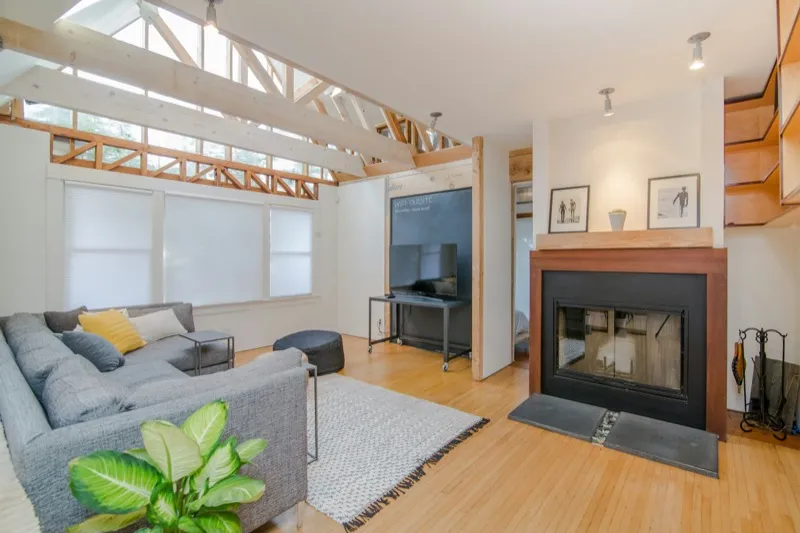
If your apartment smells like cat litter, fix the source first: scoop twice daily, replace saturated litter on schedule, use unscented activated carbon granules in the box, and keep the box away from stagnant corners or HVAC intake vents.
Candles, plug-ins, and scented litter only mix perfume with ammonia. In small spaces, that usually makes the room smell worse, not better.
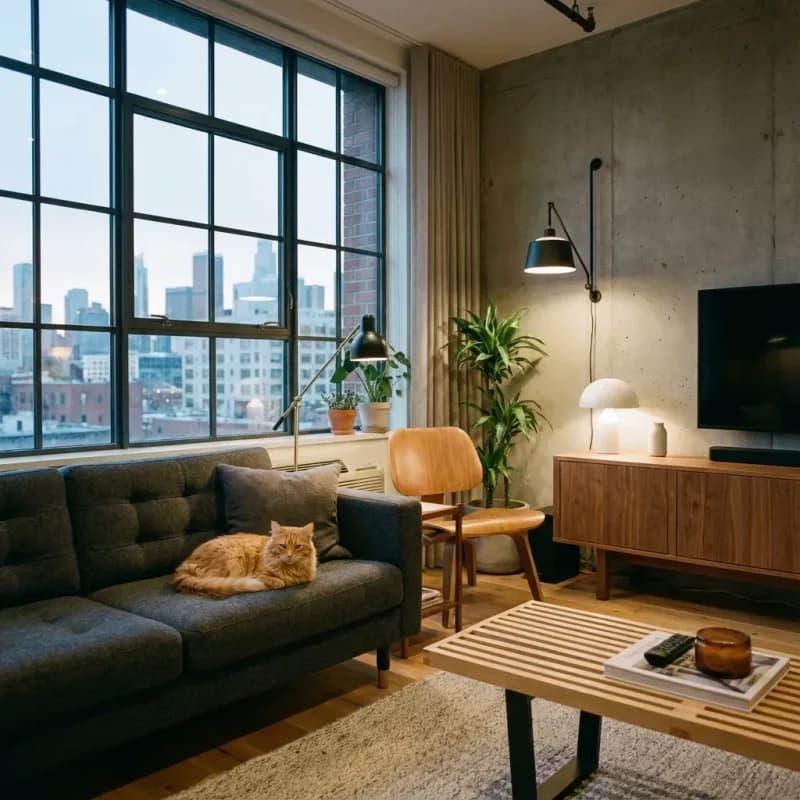
You notice it most when you walk back in from outside: that sharp litter-box smell hanging in the entryway, hallway, or living room. In a small apartment, ammonia has less air volume to disperse into, so it becomes noticeable faster.
Most apartment odor issues improve once the box routine and placement are corrected. You do not need more fragrance. You need to stop odor at the box before it spreads into fabric, vents, and walls.

Why Apartments Smell Like Cat Litter Faster
Limited Airflow
Studios and one-bedrooms have less air volume, so ammonia reaches noticeable levels faster.
Shared Ventilation
HVAC returns can pull litter odor out of one corner and spread it through the whole unit.
Odor Saturation
Soft surfaces like curtains, rugs, and sofas hold on to odor when the box stays too wet or too dirty.
The 7-Day Apartment Reset
- Day 1: Empty the box, wash it with fragrance-free soap, dry it fully, and refill with fresh litter plus activated carbon granules.
- Days 2-3: Scoop morning and evening. Add a light top-up of carbon after scooping instead of waiting for the odor spike.
- Days 4-5: Re-check placement. Move the box away from dead-air corners, closets, and HVAC returns.
- Days 6-7: Score odor at the same time each day when you enter the room so you can tell whether the routine is actually working.
The Apartment Odor Elimination Protocol
Neutralize Odor at the Source
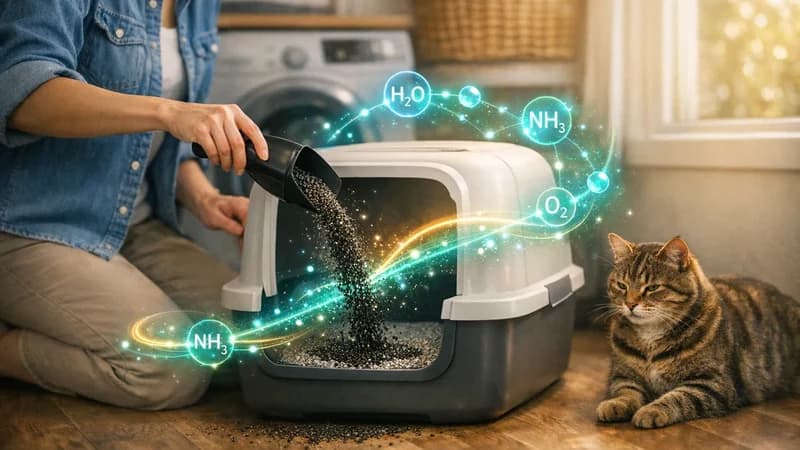
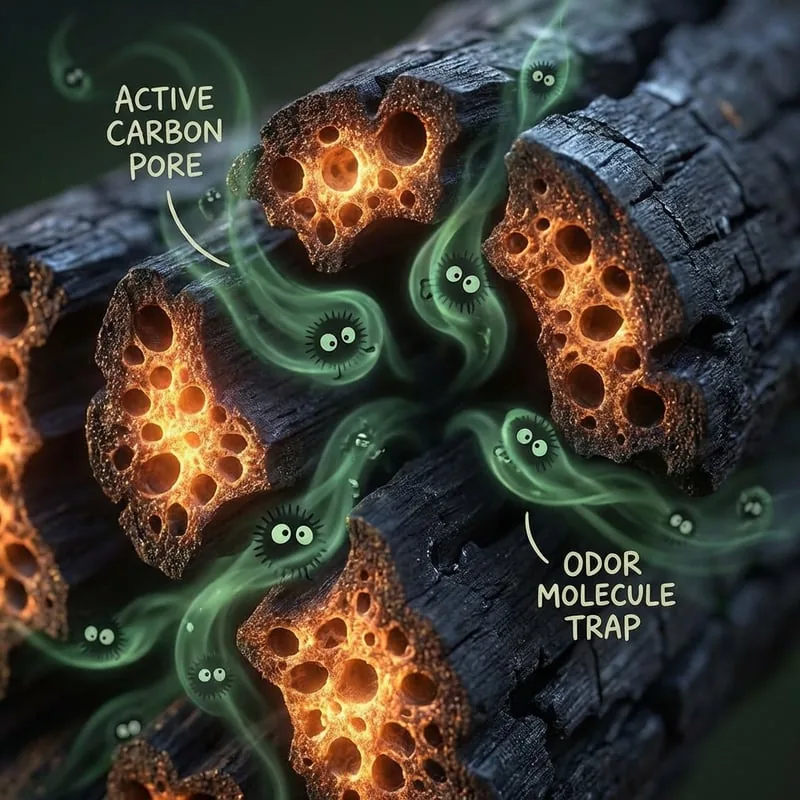
Activated carbon granules trap odor molecules before they leave the box. That matters more in an apartment because there is less air to dilute the smell.
Apartment dosage: Use 1-2 tablespoons per litter box and refresh every 5-7 days, or sooner in humid weather.
Fix Placement Before Buying More Products
- ✓ Put the box near real airflow, not inside a closed closet.
- ✓ Use a bathroom fan or nearby window when possible.
- ✓ Keep the box away from bedrooms, kitchens, and HVAC intake vents.
- ✗ Do not hide the box inside furniture unless the enclosure is ventilated and cleaned often.
Scoop on a Schedule, Not on Smell
In apartments, waiting until you smell the box usually means odor has already spread into the room. Morning and evening scooping is the safer baseline.
Reset the Box Before Plastic Holds the Smell
A full litter change and box wash every 1-2 weeks is often more realistic for apartments than stretching the same box too long.
Apartment-Specific Fixes That Actually Help
Airflow Checklist
- Run the bathroom exhaust fan while scooping and for 15-20 minutes after.
- Crack a window when weather allows instead of relying only on room spray.
- Use a small purifier with a carbon filter near the litter area, not across the room.
Routine Checklist
- Keep litter depth consistent so urine does not hit the bottom of the box too quickly.
- Top up fresh litter before the box gets sludgy or damp.
- Adjust carbon dosage upward in humid weeks or in homes with more than one cat.

Common Mistakes That Keep the Smell Coming Back
Masking instead of removing
Scented litter, sprays, and candles can make a small apartment smell like perfume plus ammonia.
Using too little odor control material
A tiny sprinkle may not keep up with humid air, heavy use, or a box that sits near warm airflow.
Waiting for the room to smell first
Once you smell it from the hallway, the odor has already escaped the box and started sticking to other surfaces.
How to Tell the Fix Is Working
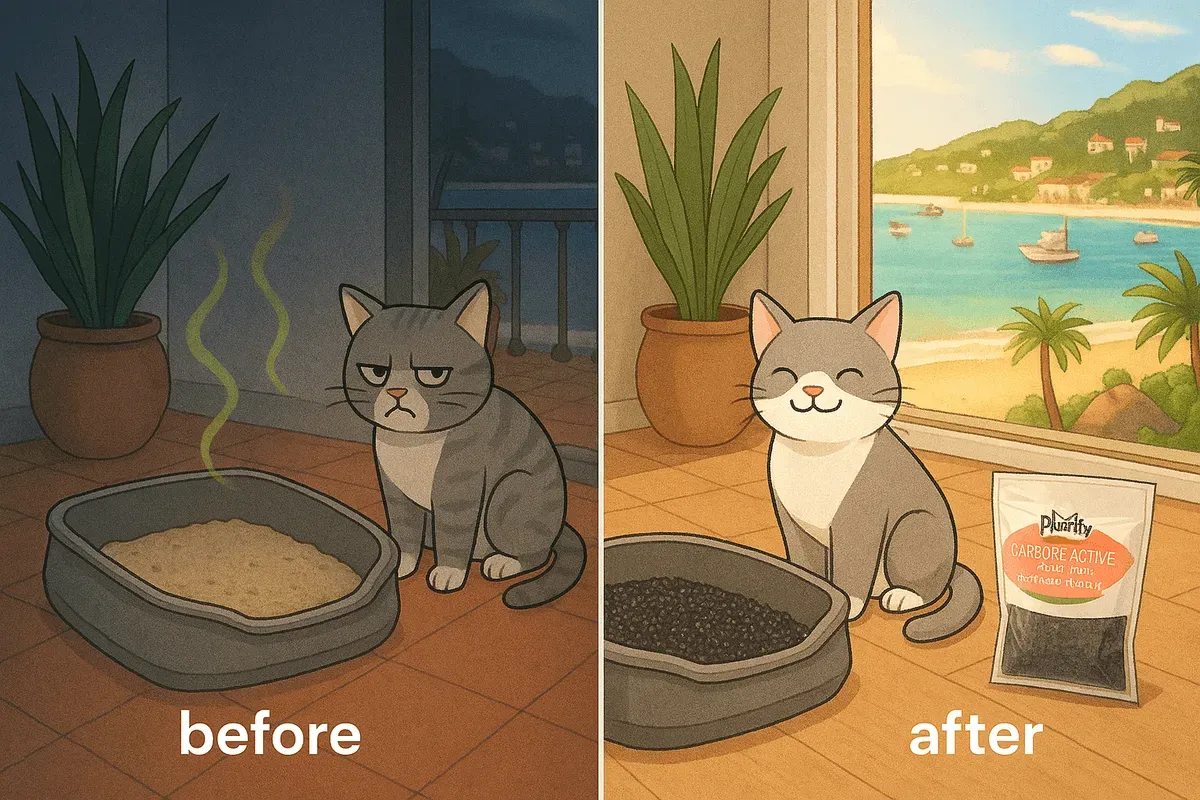
Do the return-home test. Step outside for 15-20 minutes, come back in, and notice what you smell at the door. If the entry smell is weaker after a week of consistent scooping, airflow, and carbon use, you are moving in the right direction.
If the smell is unchanged, the usual culprits are box placement, damp litter, or a box that needs a full reset rather than another top-up.
If You Want a Ready-Made Carbon Option
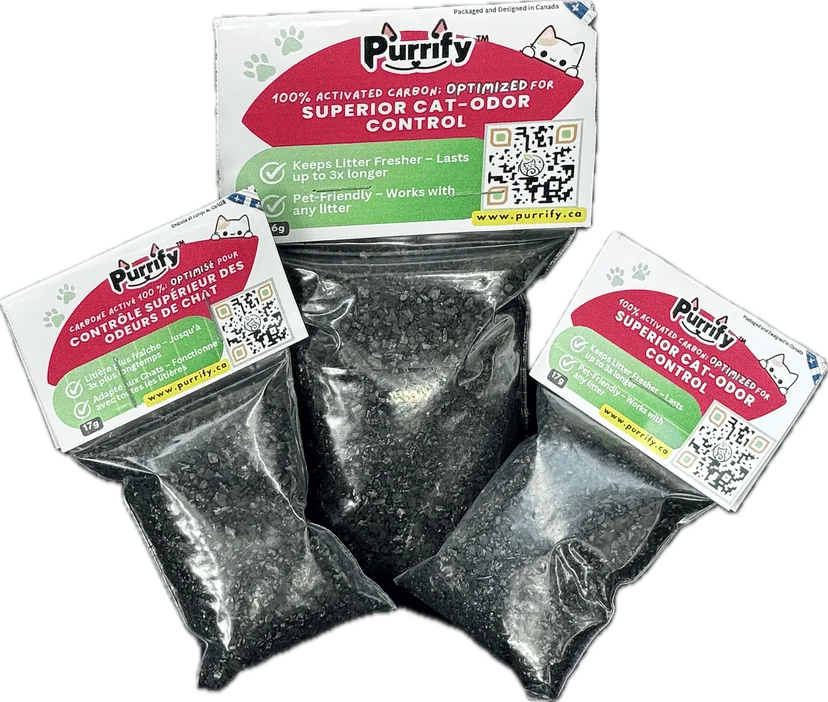
Purrify activated carbon granules add a source-control layer to your current litter. The goal is not fragrance. The goal is trapping odor in the box before it spreads through the apartment.
See Purrify Options →
Why Apartments Are Odor Traps
Here is the uncomfortable math: a typical house has 15,000–20,000 cubic feet of air. A 600 sq ft apartment has roughly 4,800 cubic feet. That’s a 3–4× smaller dilution volume for the exact same odor load - from the exact same cat.
But it gets worse.
Modern apartments are sealed for energy efficiency. The same insulation that keeps your heating bill low traps ammonia, hydrogen sulfide, and mercaptan gases inside - cycling them through your HVAC on a loop. Every time the heat or air conditioning kicks on, odor redistributes to every room.
This is why apartment dwellers describe litter box odor as ambient rather than localized. It’s not coming from a corner. It’s woven into the air of every room.
There’s a silver lining to this concentration effect, though. The same physics that intensifies odor also makes results visible faster. When you eliminate the source molecule, the improvement is immediate and noticeable. Learn more in our apartment cat smell science guide.
The “Landlord Test”
Many apartment dwellers reach for air fresheners, but guests and landlords are sensitive to “litter-box-plus-lavender.” That chemical cocktail is a red flag. True success is neutrality-a home that smells like absolutely nothing.
Why Air Fresheners (and HEPA) Fail You
Now, pay close attention.
The primary odor compound in cat waste is ammonia (NH3). Ammonia is a gas with a molecular diameter of roughly 0.26 nanometers. HEPA filters capture particles down to 0.3 micrometers - that’s 1,000 times larger. The EPA’s indoor air quality guidance is clear: HEPA filters are designed for particles, not gas-phase pollutants like ammonia or volatile organic compounds.
Air fresheners are worse. They don’t remove ammonia - they add a competing fragrance on top of it. Visitors and landlords aren’t fooled. They detect “litter box plus lavender” as a single distinct signal that identifies a poorly managed pet home.
Baking soda is the other popular recommendation. Here’s the contrarian truth: baking soda is alkaline, and so is ammonia. An alkaline substance doesn’t neutralize another alkaline substance. Baking soda is effective against acidic odors. It does almost nothing to the primary odor compound in cat waste.
What actually works is adsorption-not absorption. Activated carbon contains a lattice of micropores that physically trap gas molecules through van der Waals forces. The molecule enters the pore and doesn’t come back out. Read the full chemistry at how activated carbon works.

Molecular adsorption: activated carbon pulls gas molecules into its pores and holds them permanently.
Odor Solution Comparison for Small Spaces
| Solution | Mechanism | Small-Space Effectiveness | Verdict |
|---|---|---|---|
| Activated Carbon Additive | Molecular adsorption at source | High | Best option-eliminates molecules before they reach air |
| Baking Soda | Alkaline pH shift | Very Low | Alkaline + alkaline = no reaction. Fails on ammonia. |
| Air Freshener / Spray | Fragrance masking | None | Creates “pet home + perfume” signal. Counterproductive. |
| HEPA Air Purifier | Particle filtration | Low | Captures dander, not gas molecules. Requires added carbon filter. |
| Scented Litter | Fragrance in litter | None | Many cats reject scented litter. Masks nothing; adds stress. |
| Enzyme Spray | Biological breakdown | Moderate | Works on surfaces after accidents. Not effective as a litter additive. |
Room-by-Room Placement Strategy
Where you put the box matters nearly as much as how you maintain it. In a small apartment, there’s rarely a perfect spot-only better and worse trade-offs.
Bathroom (Best)
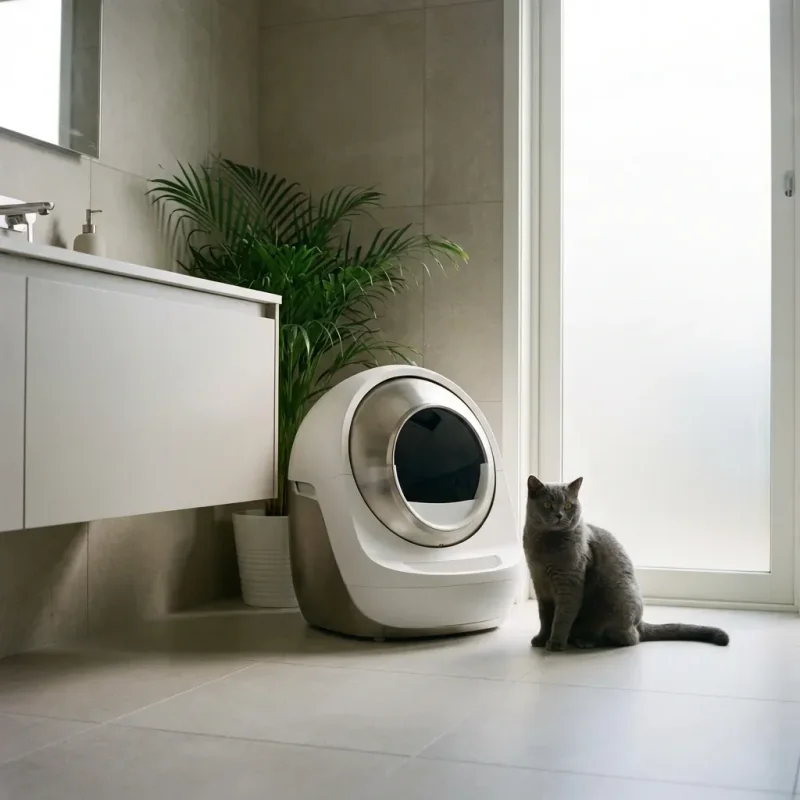
Exhaust fan provides active ventilation. Non-porous tile surfaces don’t absorb odor. Good visual isolation from main living area. Run the fan post-use. Trade-off: cats may avoid a box in a high-traffic bathroom or one placed directly next to the toilet.
Closet with Vented Door (Good)
Good visual concealment and partial containment. Ensure adequate airflow through louvered slats or a cut-out panel. A sealed closet without ventilation concentrates gas and makes odor dramatically worse when the door opens.
Laundry Nook (Good)
Often near an exterior vent. Keep the box away from the dryer exhaust, which produces warm, humid air that accelerates bacterial breakdown and increases odor output.
Bedroom or Living Room (Last Resort)
These rooms log the most occupied hours and have the strongest odor memory. If it’s your only option, use a covered box and double your carbon dosage. Run a small fan set to exhaust during use.
Not sure which setup matches your floor plan? Take our 2-minute smell quiz to get a personalized odor-control recommendation.