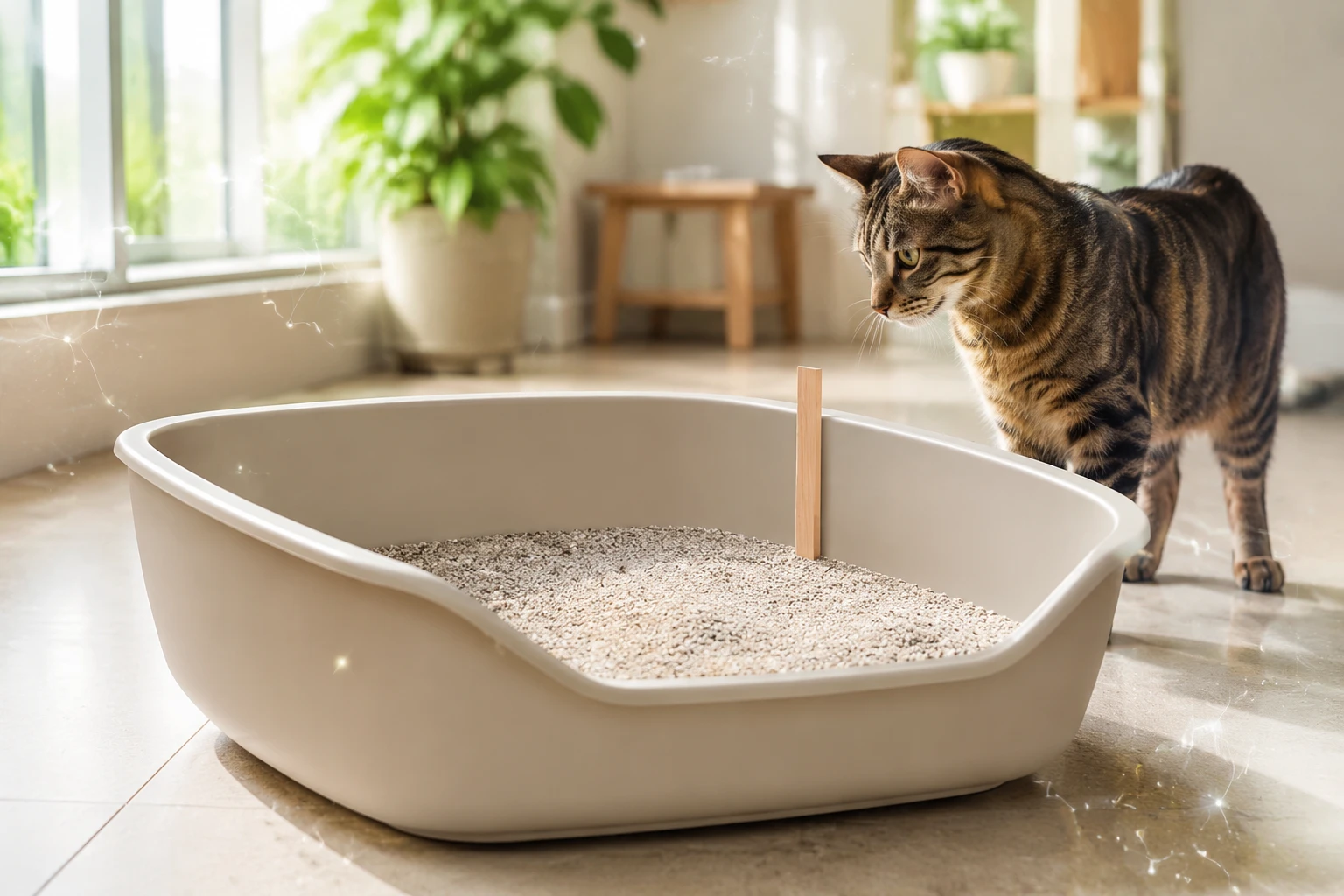

Can you mix different cat litters?
Yes, sometimes, but the reason matters. Mixing a small amount of new litter into familiar litter can make a planned transition less abrupt for your cat. Keeping two unrelated litters blended forever is a different experiment. It may change clumping, sifting, dust, tracking and odor control in ways neither package promises.
The safest practical rule is simple: use mixing as a short bridge when changing products, not as an automatic upgrade. Check both labels first, especially if either litter has special instructions or is made for an automatic box.
Quick answer
- Gradual transition: Reasonable. Increase the new litter over several days while watching whether your cat still uses the box comfortably.
- Permanent custom blend: Possible, but unpredictable. Test clumps and cleanup before filling every box.
- Clumping plus non-clumping: Usually a poor match if firm scoopable clumps are the goal.
- Automatic box or monitoring litter: Follow that product's directions. A second litter can interfere with sifting or make colour results harder to read.
A transition mix is not the same as random mixing
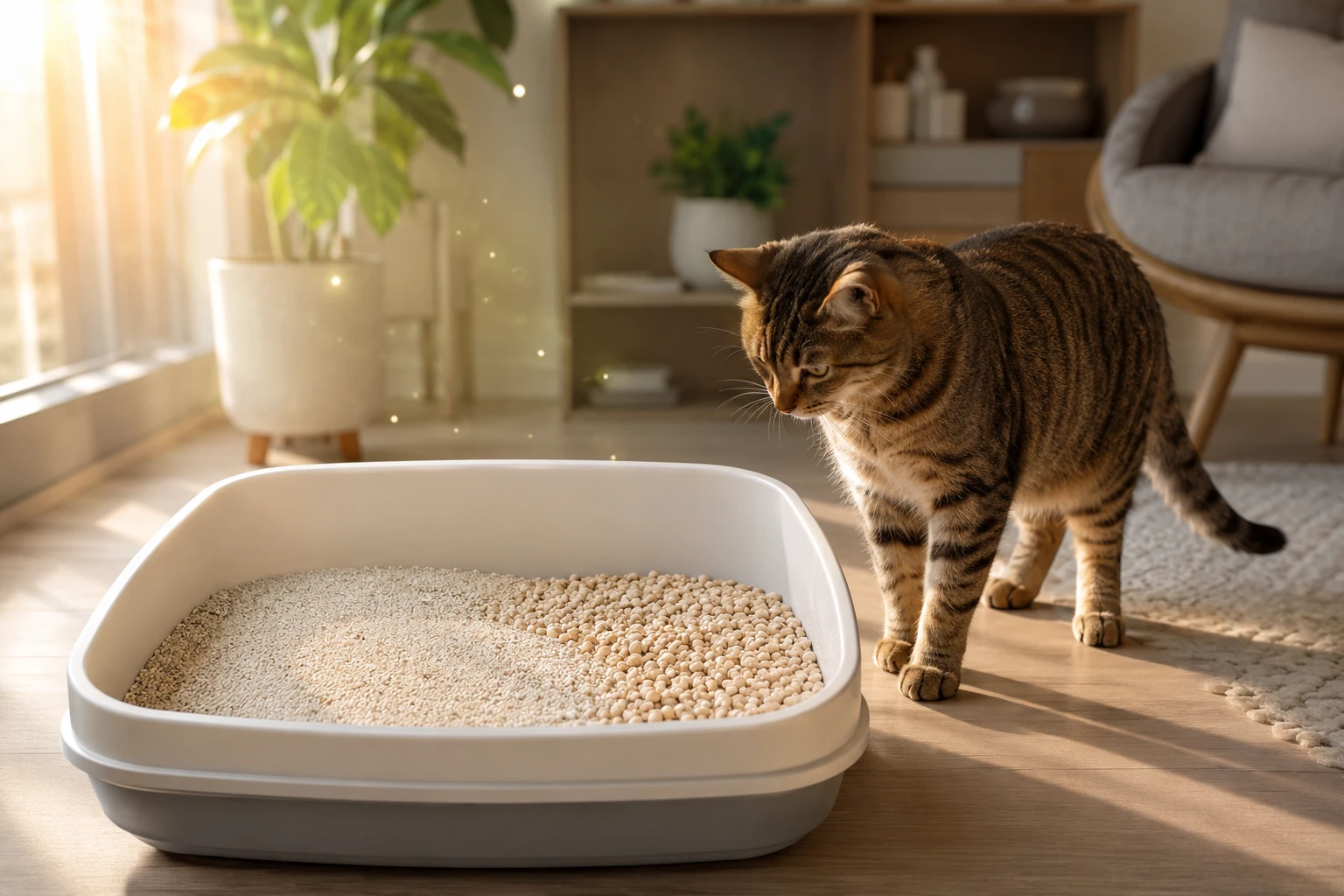
A transition has a destination. You begin with the litter your cat knows, add a little of the new material, then increase it until the old litter is gone. VCA Animal Hospitals recommends slowly introducing more new litter over a few days because cats can care about smell, texture and paw feel.
Random mixing has no clear endpoint. It often starts because two partly used bags are open, one litter is on sale, or the current product seems weak. That is not automatically a crisis, but it turns two tested formulas into one untested blend. If the result is worse, you may not know which material caused the problem.
The AAFP and ISFM house-soiling guidelines emphasize that cats have individual litter preferences and suggest comparing different substrates in separate boxes. If your goal is to learn what your cat prefers, two side-by-side boxes tell you more than one blended box.
How to switch litter without turning the box into a guessing game
- Keep every other variable steady. Use the same clean box, location and scooping routine.
- Add a modest amount of the new litter. The old texture should still dominate at first.
- Increase gradually. If your cat keeps digging, entering and eliminating normally, add more new litter at the next top-up.
- Pause when the cat hesitates. Do not keep increasing the new material while the box is being avoided.
- Finish the switch. Once the new litter is accepted, stop maintaining a half-and-half blend unless both manufacturers support that use and it performs well.
There is no universal percentage schedule for every cat. A relaxed cat may accept the change quickly; another may need smaller steps. The useful evidence is what happens at the box, not whether the calendar says day three or day seven.
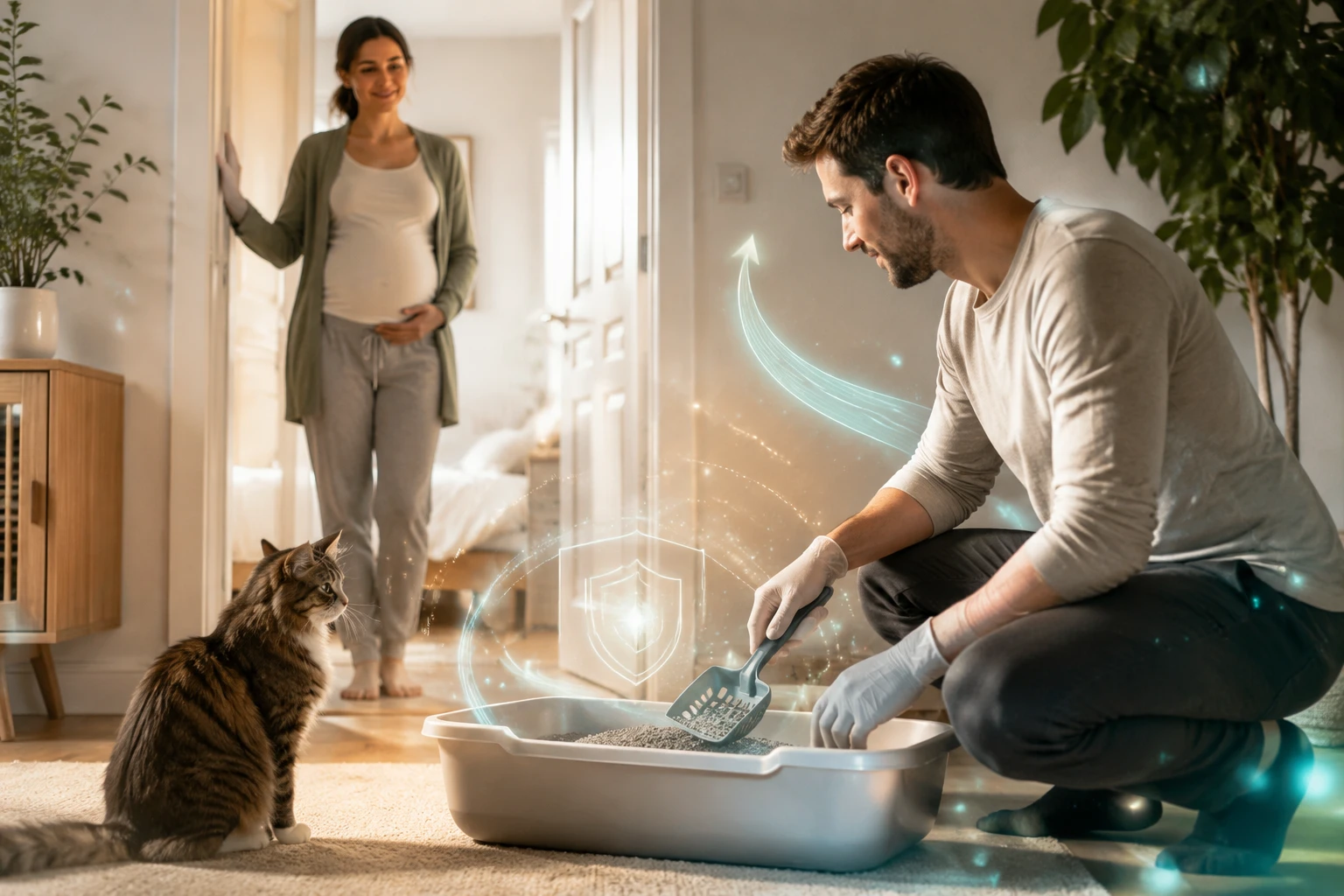
If your cat stops using the box, return to a setup the cat reliably used and speak with your veterinarian if the change persists, is sudden, or comes with straining, repeated trips, vocalizing or other signs of discomfort. Those signs should not be diagnosed as a litter preference from a blog post.
Ready for a litter box you can't smell?
Free shipping. Never run out. Cancel anytime.
Start autoship →What happens when you mix clumping and non-clumping litter?
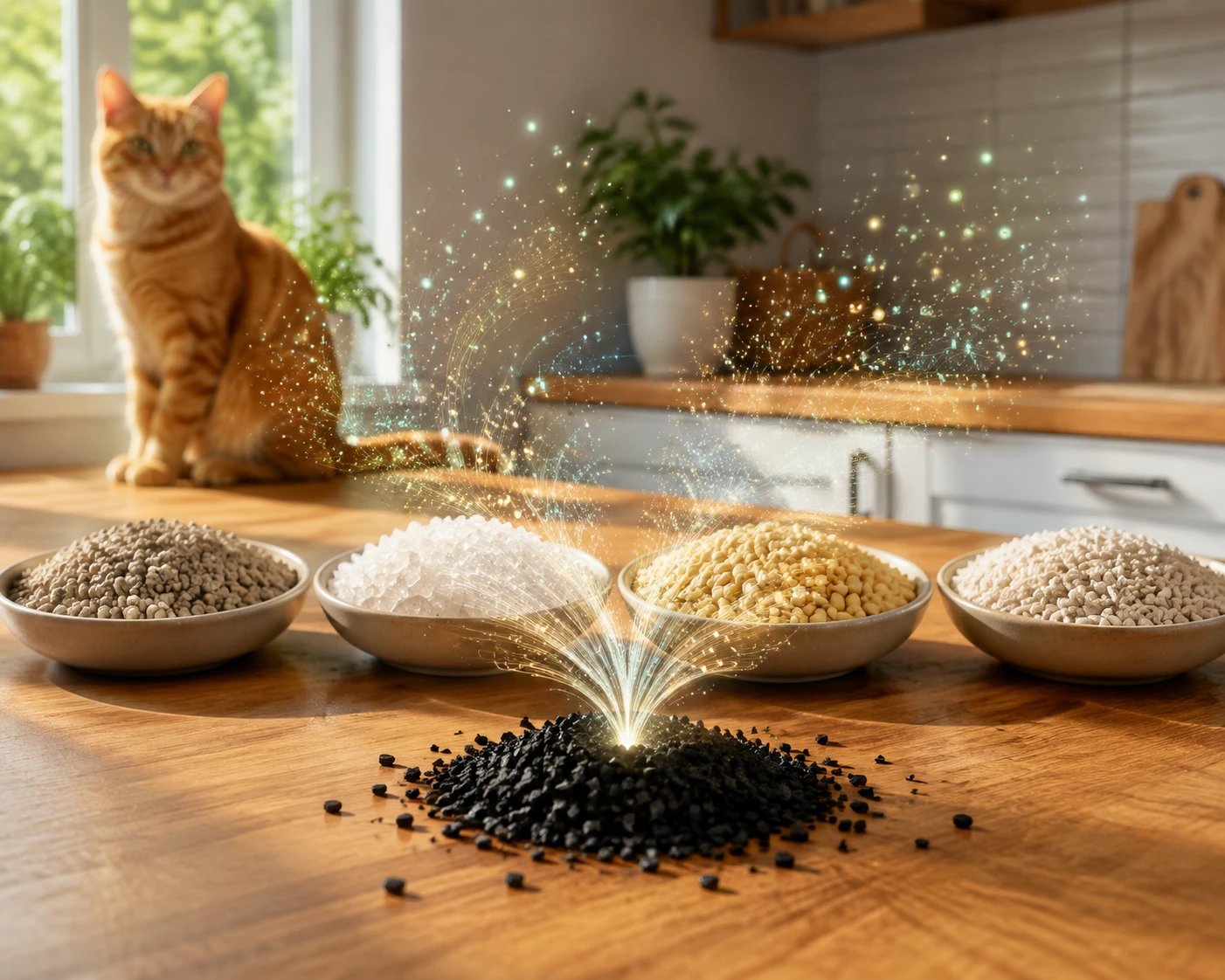
Clumping litter is designed to bind wet material into a scoopable mass. Non-clumping litter absorbs liquid without promising that same firm mass. Combine them and the non-clumping particles can dilute the binding system. The result may be softer clumps, more fragments left behind or wet material reaching the bottom.
That does not mean every combination fails. It means you should test the actual result rather than assume you kept the best feature of each bag. Pour a shallow test batch, let it encounter ordinary box use, then check whether clumps lift cleanly and whether the base stays dry. Do not judge only by how the dry blend looks.
The same caution applies when mixing fine clay with large pellets or crystals. Particle sizes can separate as the cat digs. A blend that looks even after pouring may become layers after several visits, changing paw feel and how a scoop or automatic sieve handles it.
Five times not to improvise a blend
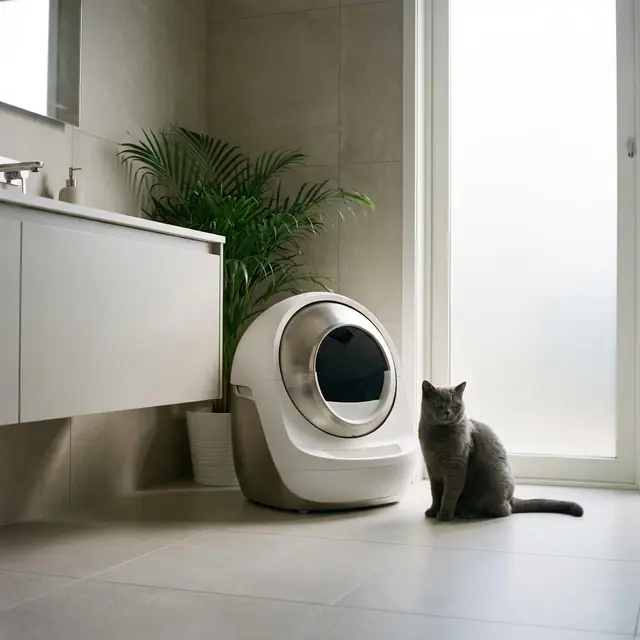
1. A self-cleaning box. Use the litter type and particle range named by the machine maker. The wrong blend can pass through the screen, stay in the waste drawer or strain the mechanism.
2. Health-monitoring litter. Adding another material may cover indicator particles or make a colour change harder to interpret. Follow the monitoring product's directions.
3. One product says not to top it off with another litter. That instruction outranks a general article. Some performance claims depend on starting with a clean, dry box and using the formula alone.
4. Your cat is already avoiding the box. Offer clear choices in separate clean boxes instead of adding another variable to the disliked box.
5. You cannot identify the old litter. If a loose product has been stored without its label, you cannot check its use or disposal directions. Starting fresh is easier to evaluate.
Does cat litter expire?
There is no single expiry rule for every cat litter. Some mineral and silica products state that they do not expire when stored correctly. Other formulas contain fragrance, plant material, clumping agents or monitoring ingredients with their own shelf-life guidance. Read the date and storage instructions on the actual package.
Dry storage matters. Moisture can make clumping litter harden before it reaches the box, while a damaged or unsealed package can collect dirt or pests. Discard litter that is wet, mouldy, contaminated or noticeably different from the product described on its label.
Unused old litter and used litter are also different questions. A dry stored bag may remain usable under its manufacturer's guidance. Litter that has already absorbed urine or collected broken clumps does not become fresh because new litter is stirred into it. Scoop and replace the box on its normal schedule.
Where Purrify fits
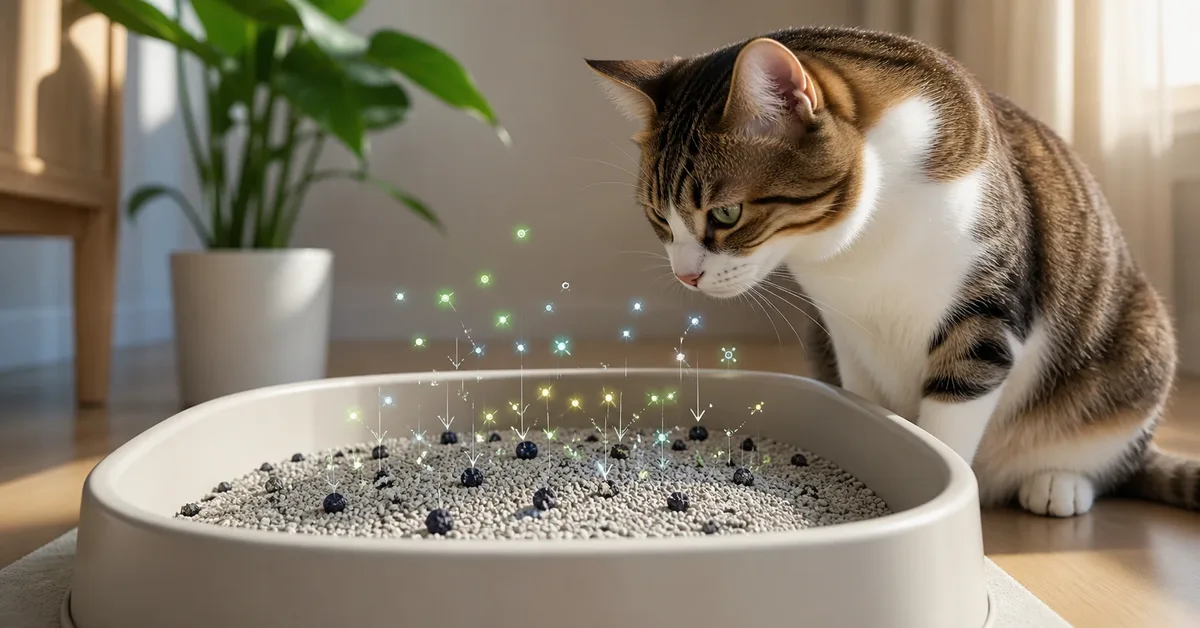
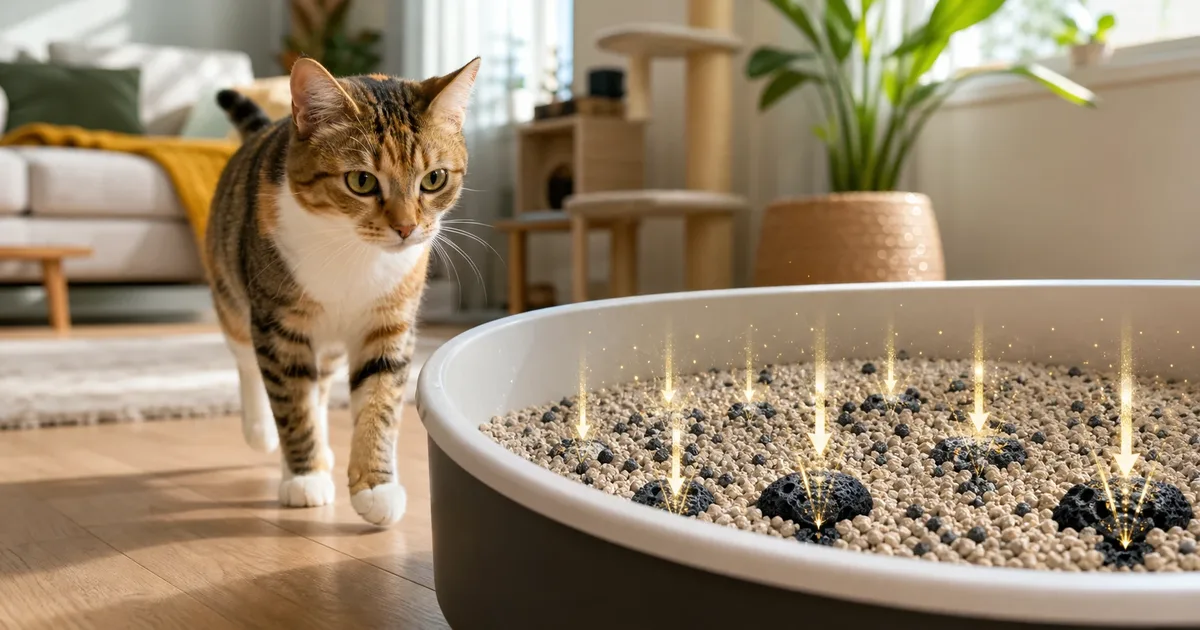
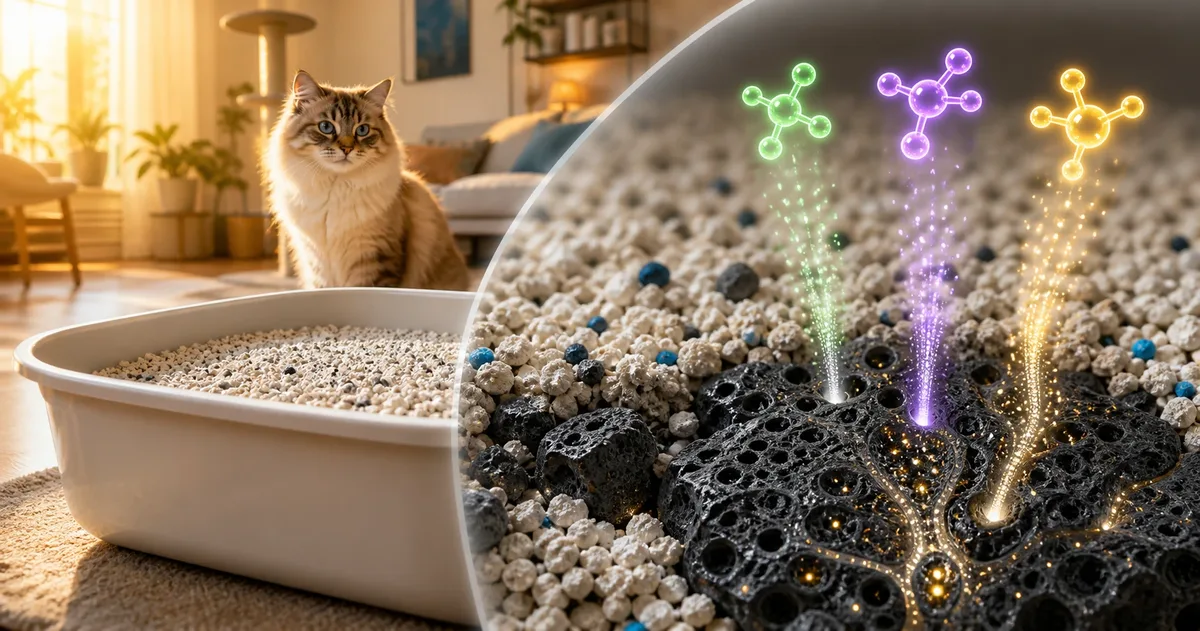
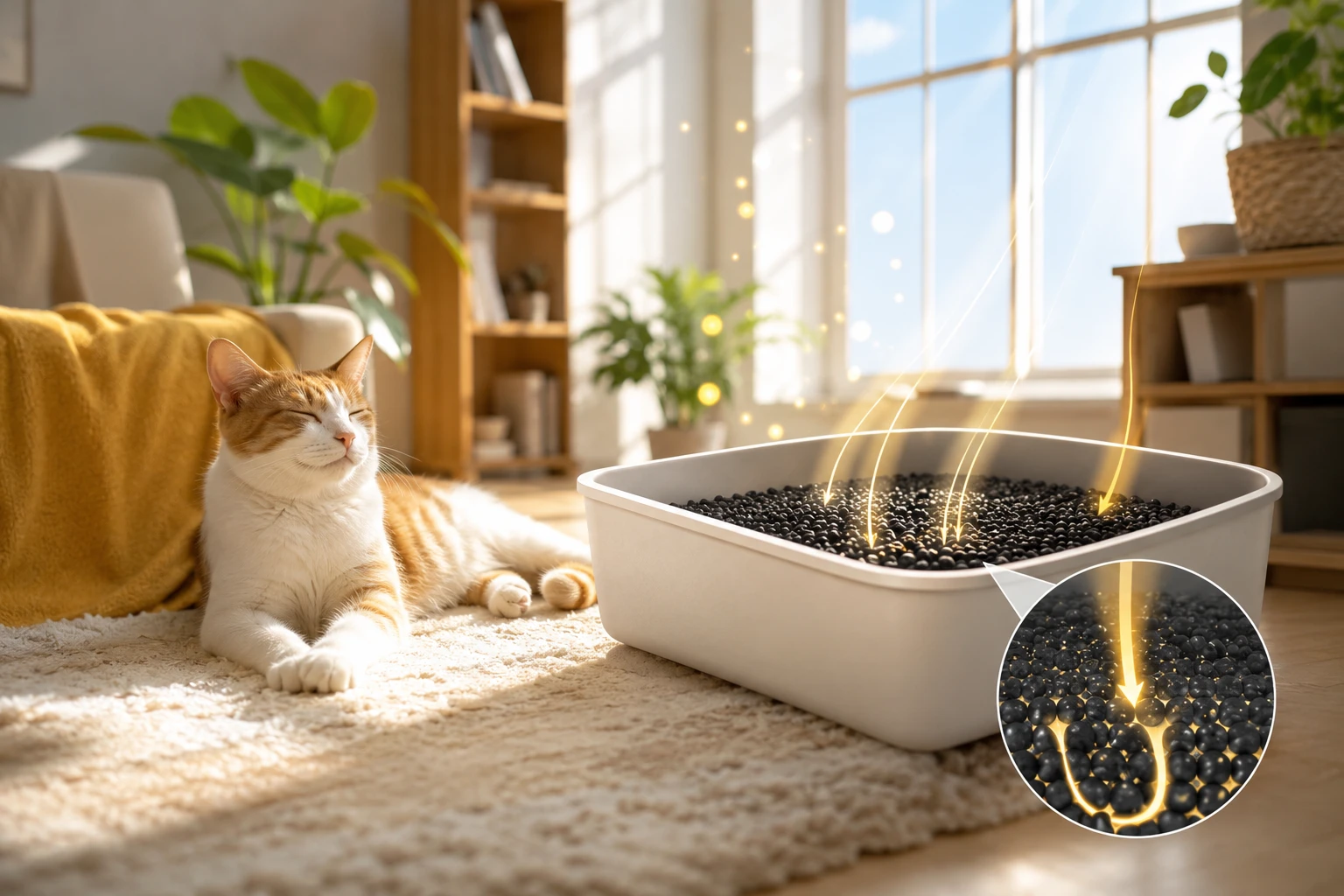
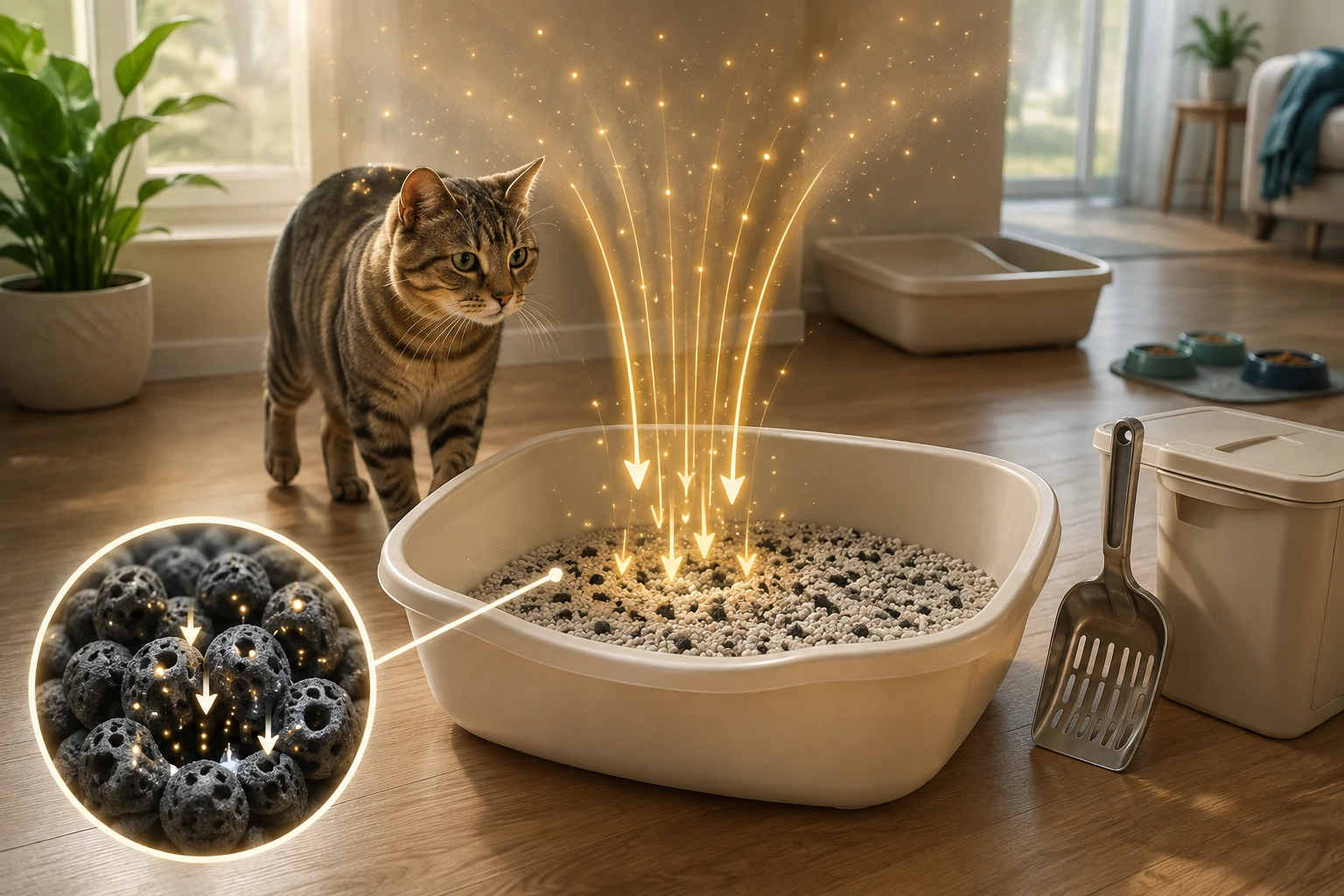
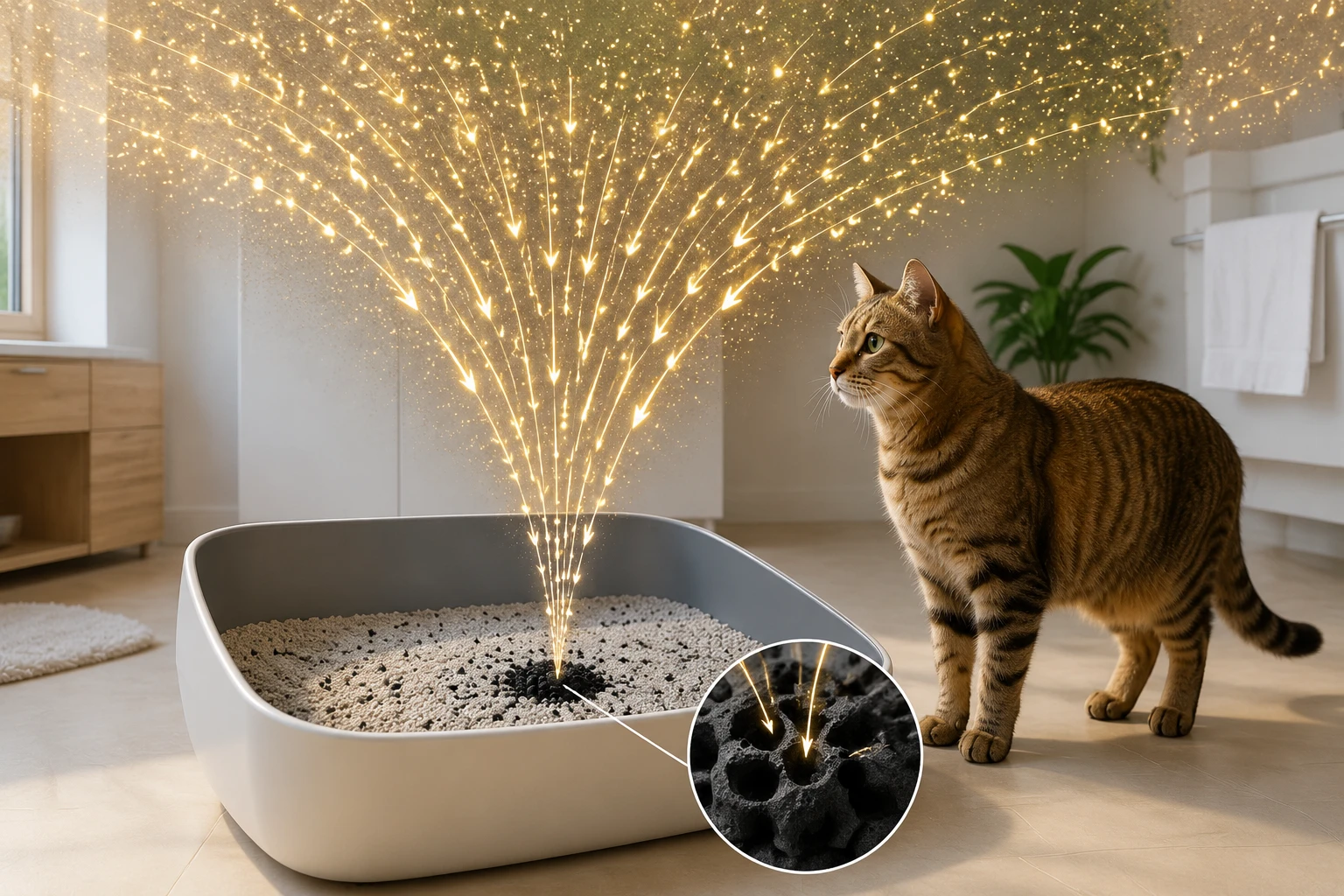
Purrify is an odor-control additive, not a second cat litter. Adding it is not the same as blending clumping clay with pellets or crystals to invent a new substrate. The litter still does its normal job, while the activated carbon granules provide porous surface for odor molecules to adsorb.
Use 2-3 tablespoons of Purrify granules per litter box. Sprinkle on fresh litter, mix gently. Top up whenever the box starts giving off a smell again - no fixed schedule. Keep scooping and replacing the litter according to its own instructions.
If you are changing the base litter at the same time, make the litter transition first or keep careful notes. Changing the substrate and adding an odor-control product on the same day makes it harder to tell what your cat accepted and what changed the cleanup.
The bottom line
Mixing cat litters is most useful as a temporary, gradual transition. For a permanent blend, compatibility is a performance question, not a shortcut: read both labels, test one box, and watch the cat as closely as the clumps.
If you want a clean comparison, offer separate boxes. If you want to switch, move gradually. If you only want better odor control, keep the litter your cat already accepts and use an additive designed for that separate job.
Sources
- VCA Animal Hospitals: Switching to green kitty litter?, on gradually mixing new litter into familiar litter and watching the cat's response.
- AAFP and ISFM Guidelines for Diagnosing and Solving House-Soiling Behavior in Cats, on litter preferences and comparing substrates in separate boxes.
- VCA Animal Hospitals: Different Types of Cat Litter, on differences among litter materials and gradual introduction.
- Arm & Hammer Canada: Cat litter FAQs, a manufacturer-specific example covering shelf life, dry storage and formulas that should not be topped off with another litter.