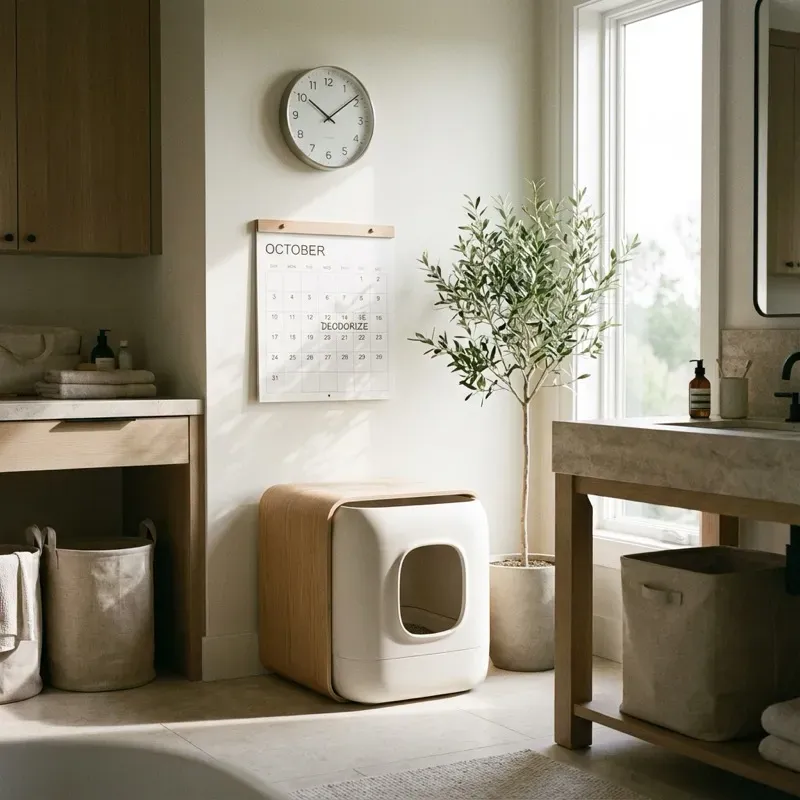
☐Replace all litter with fresh, unscented clumping
☐Add activated carbon (2 tablespoons)
☐Open windows or run exhaust fan 30 min/day
☐Move box away from heat sources
☐Scoop twice daily for next 3 days
Why the Smell is So Strong
Problem 1: Ammonia Buildup
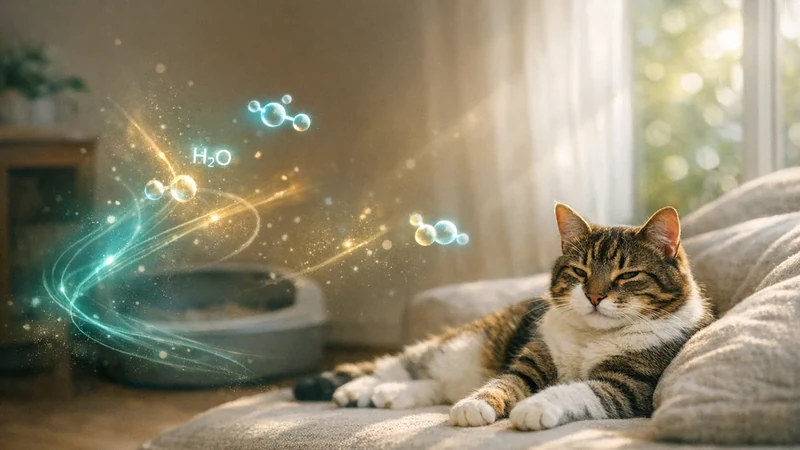
Cat urine contains urea, which breaks down into ammonia. In a confined litter box, this gas concentrates to levels 10x higher than fresh air. The smell you notice is literally ammonia gas reaching your nose. Discover more in our litter box smell elimination guide.
Problem 2: Saturated Litter
Standard litter has limited absorption capacity. Once saturated, urine pools at the bottom, creating a continuous ammonia source that scooping can't remove.
Problem 3: Poor Air Circulation
Enclosed spaces, closets, or corners trap ammonia. Without airflow, odors concentrate and linger long after the initial source is removed.
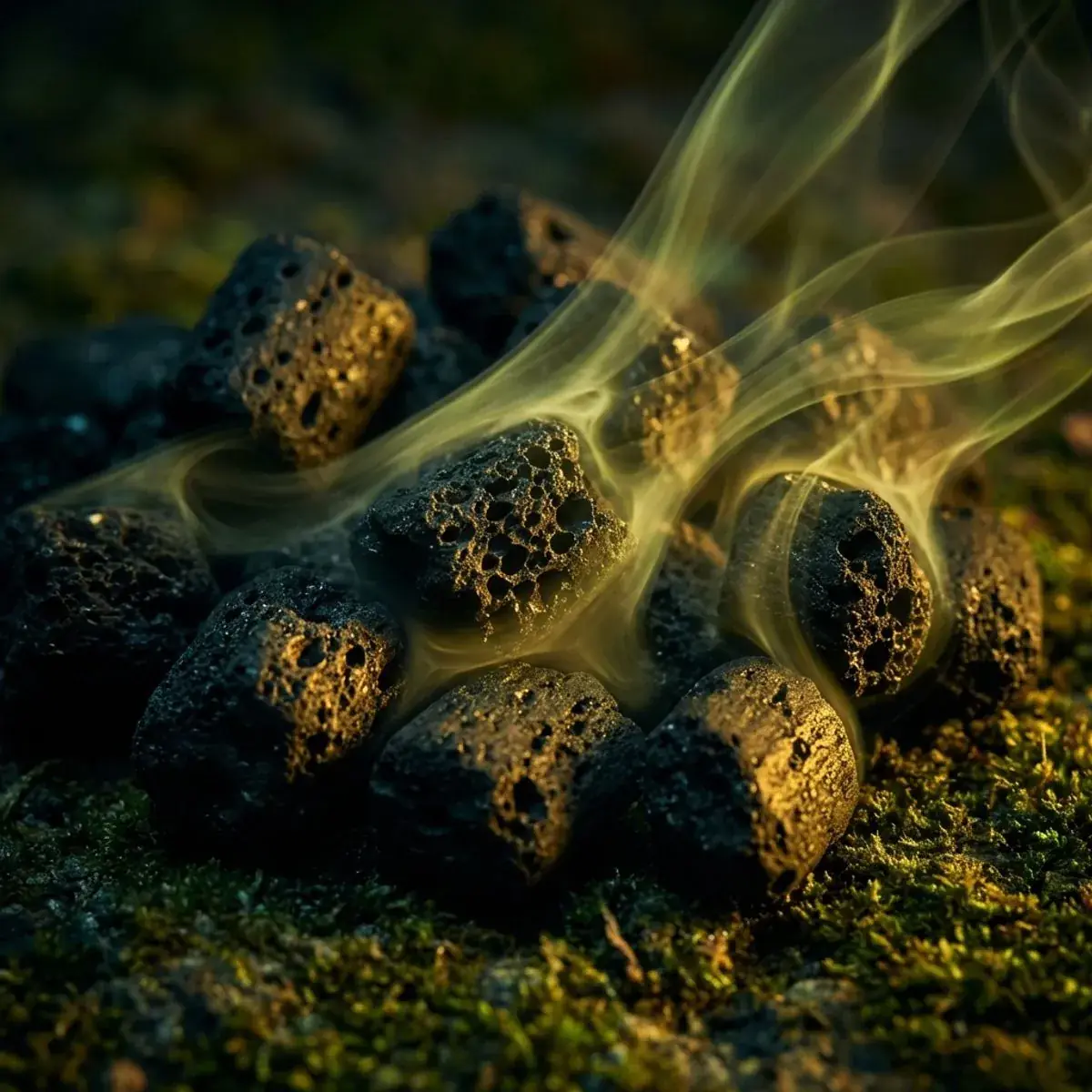
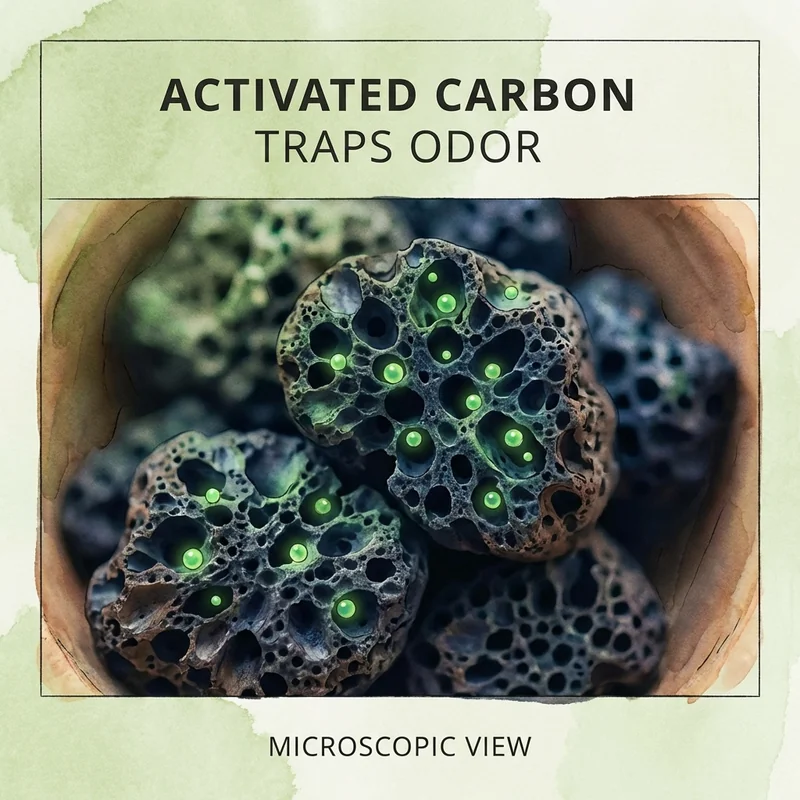
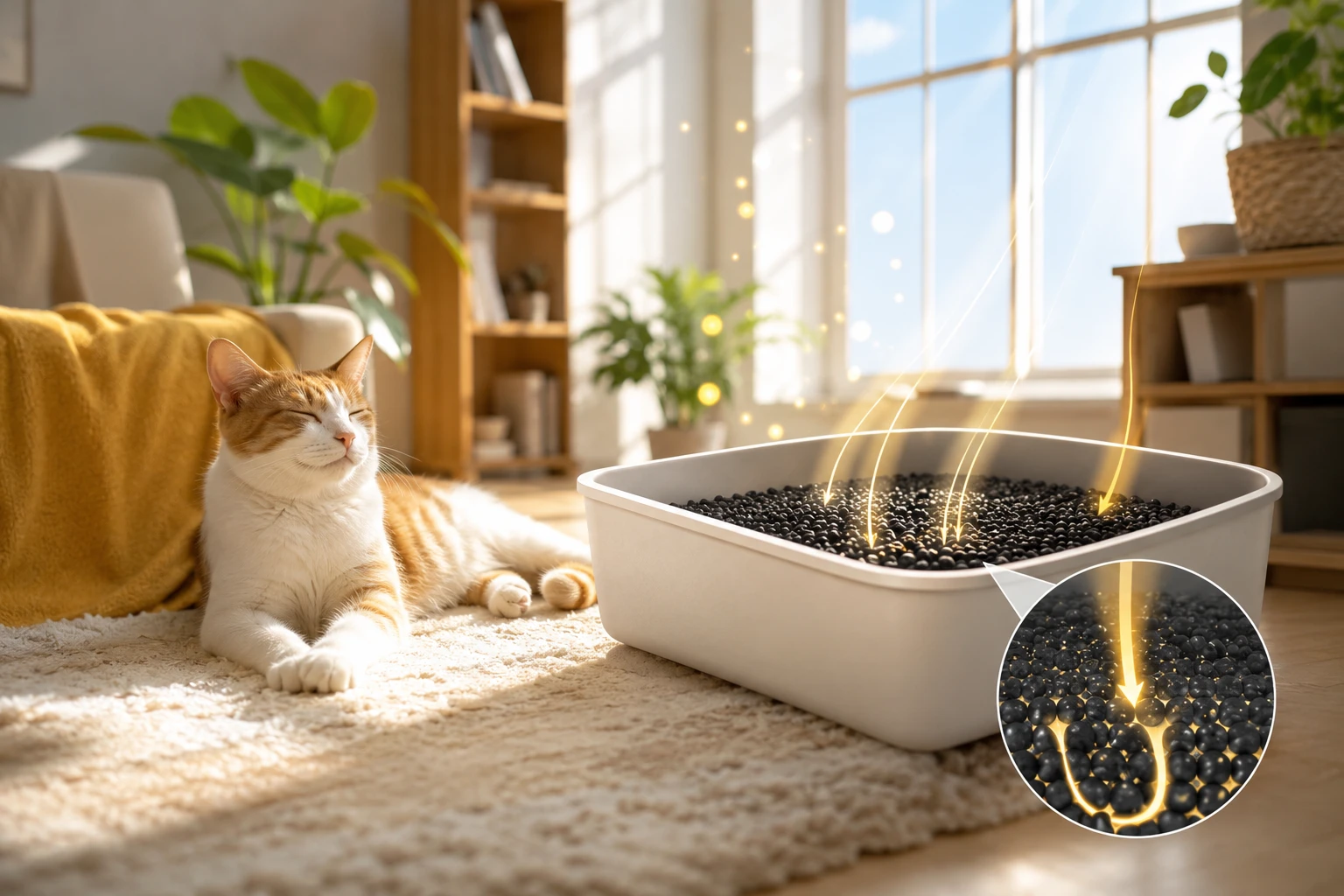
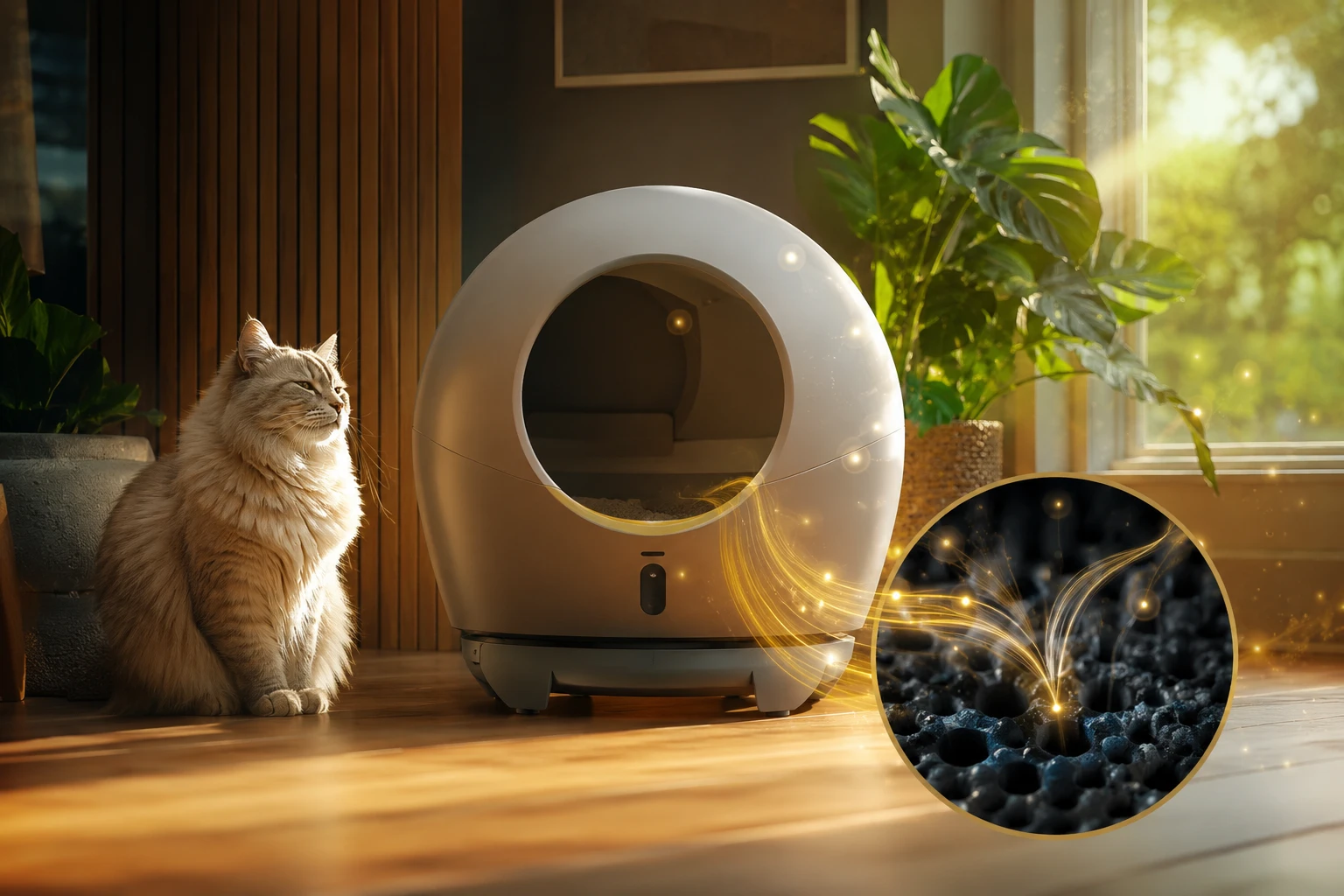
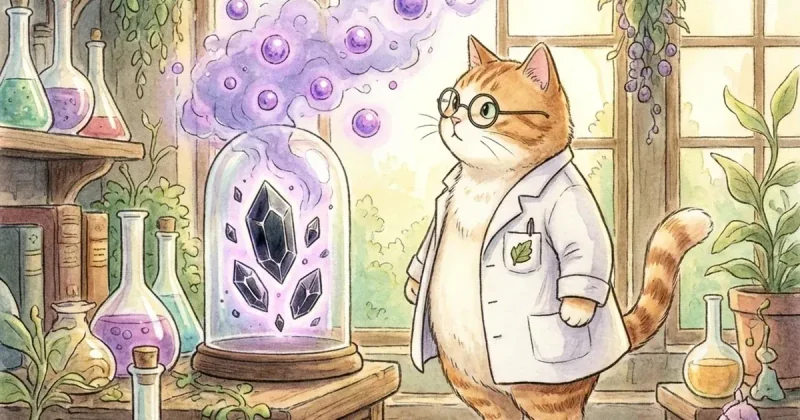
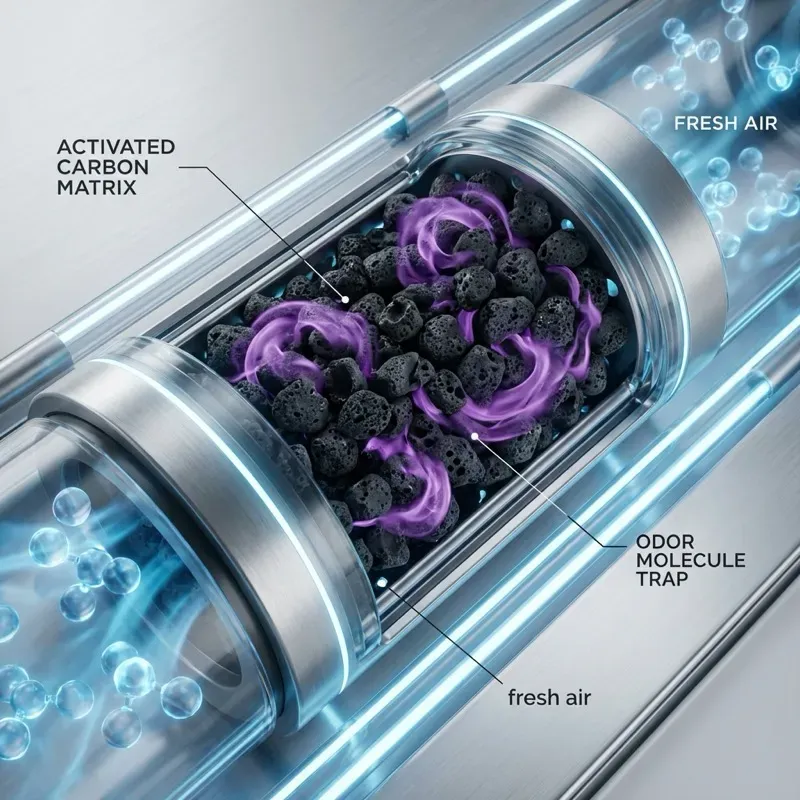
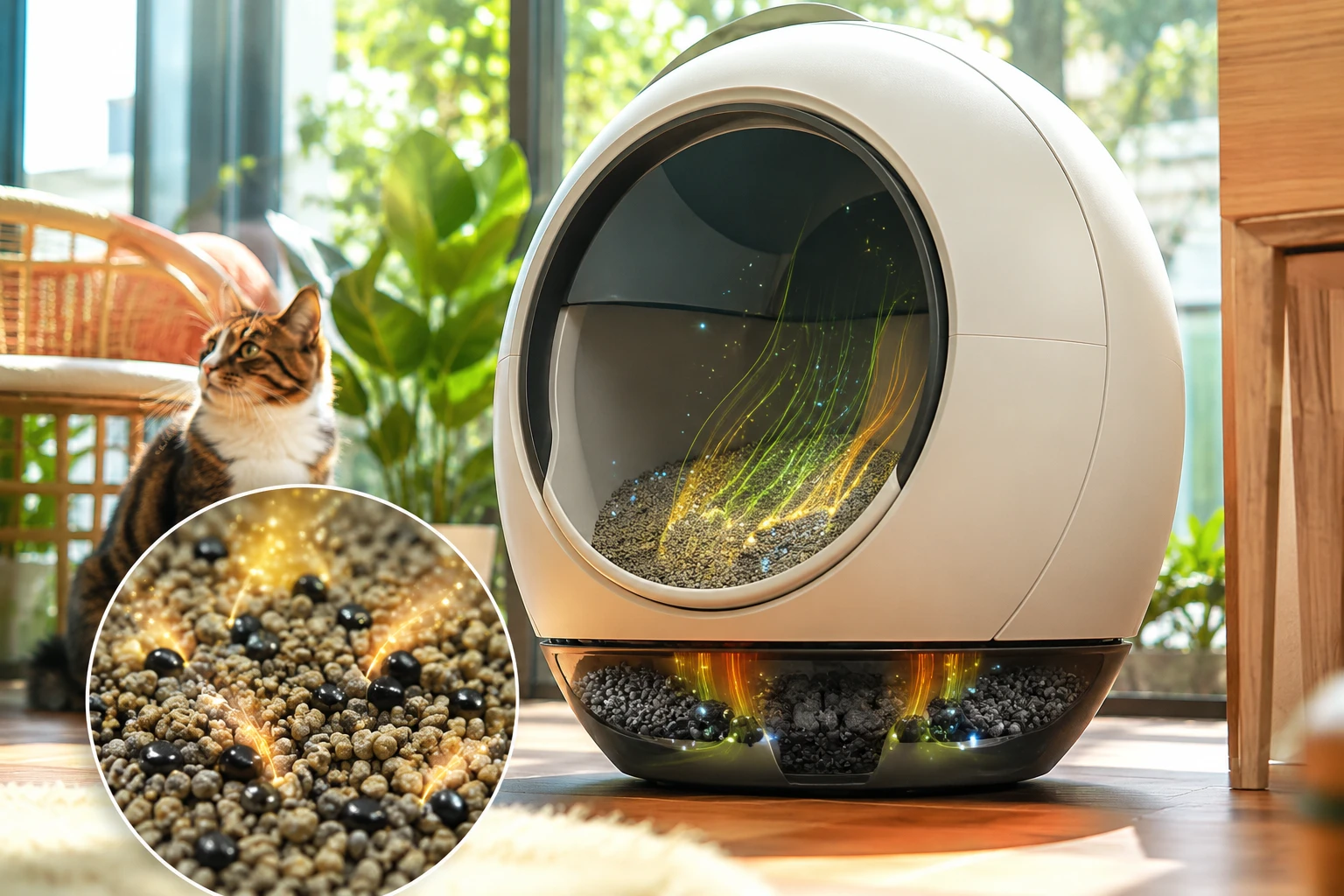
The porous structure of activated carbon aggressively binds to escaping ammonia gas.
The Layered Solution
Layer 1: Deep Clean (Day 1)
Start fresh. Remove all litter, wash the box with enzyme cleaner (not just soap), and let it dry completely. If the box is over a year old, replace it-plastic absorbs odors permanently.
Layer 2: Activated Carbon Base (Day 1)
Add 2 tablespoons of activated carbon to the bottom of the clean box before adding litter. This creates a trap layer that captures ammonia as it seeps down.
Layer 3: Quality Litter (Day 1)
Use 3-4 inches of unscented clumping litter. Unscented is key-fragrances mask odors temporarily but don't eliminate them. The clumping action isolates waste faster. If you are still weighing your options, our guide on the best cat litter for smell walks through the trade-offs.
Layer 4: Airflow Management (Ongoing)
Move the box to a well-ventilated area. Run a small fan nearby (pointed away from the box) to keep air moving. Never place in closets or small enclosed spaces.
Layer 5: Maintenance Schedule (Ongoing)
Scoop twice daily. Add 1 tablespoon of fresh carbon every 5 days. Complete litter changes every 2 weeks (not monthly).
Pro Tip: The Purrify Solution
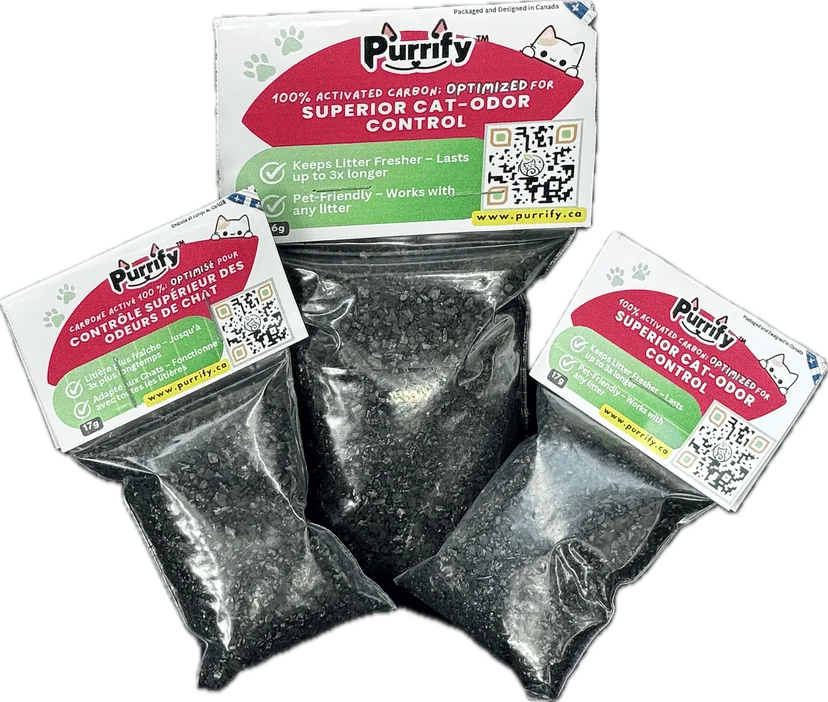
For the most effective odor control, try Purrify's activated carbon litter additive.
Simply sprinkle it in your litter box to eliminate odors for up to 7 days. Made from premium
coconut shell carbon, it's the same technology used in water and air filters.
Why Cat Urine Odor Can Suddenly Feel Much Stronger
Strong urine smell is not always about a dirty owner or bad litter. Cat urine becomes more noticeable when it is more concentrated, when it hits an already saturated box, or when it sits in warm stagnant air long enough for ammonia to build. A dehydrated cat may produce smaller but sharper-smelling clumps. A cat that urinates less often because of stress, box competition, or an inconvenient location can create a more intense odor event each time it finally goes. Even the same litter can seem to fail overnight if a box has gradually lost depth, developed scratched odor-holding surfaces, or started sitting in a room with worse airflow than before.
That is why the fix has to be layered. Urine smell is partly a waste problem, partly a box-material problem, and partly an air-movement problem. If you only address one layer, the other two keep feeding the smell. A fresh scented litter may cover the room for a few hours, but if the plastic walls are already holding old odor and the room is trapping humid air, the sharp ammonia edge comes right back.
Concentrated urine smells harsher and saturates litter faster.
Old plastic and shallow litter make urine sit closer to the surface.
Warm or poorly ventilated rooms amplify the smell even when the litter is only moderately used.
Understanding that stack of causes is what lets you move from "why is this so bad?" to a fix that actually sticks.
A 48-Hour Rescue Plan for Overwhelming Urine Odor
If the smell is already filling the room, treat the next two days like a reset window. First, dump the litter completely and wash the box, scoop, mat, and nearby floor area. If the pan still smells after washing and drying, it is time to replace it because old odor embedded in plastic will sabotage every fresh refill. Refill with enough litter depth for proper absorption, add an unscented odor-control layer such as activated carbon, and turn on or improve ventilation while the room resets.
For the next forty-eight hours, scoop every time you notice a fresh clump rather than waiting for the usual schedule. This is not forever; it is how you break the ammonia cycle. Keep waste in a sealed container emptied daily. If you have more than one cat, add a temporary extra box so urine is not repeatedly hitting the same saturated area while the main pan recovers. By the second day, the smell should begin to flatten from sharp and room-filling to localized and manageable.
Day 1 morning: full dump, wash, dry, refill, add odor-control layer.
Day 1 evening: scoop promptly, inspect the surrounding floor and wall edges.
Day 2: maintain high-frequency scooping and decide whether the box material itself is still holding odor.
This plan works because it does not ask one product to do everything. It resets the litter, the box, and the air at the same time.
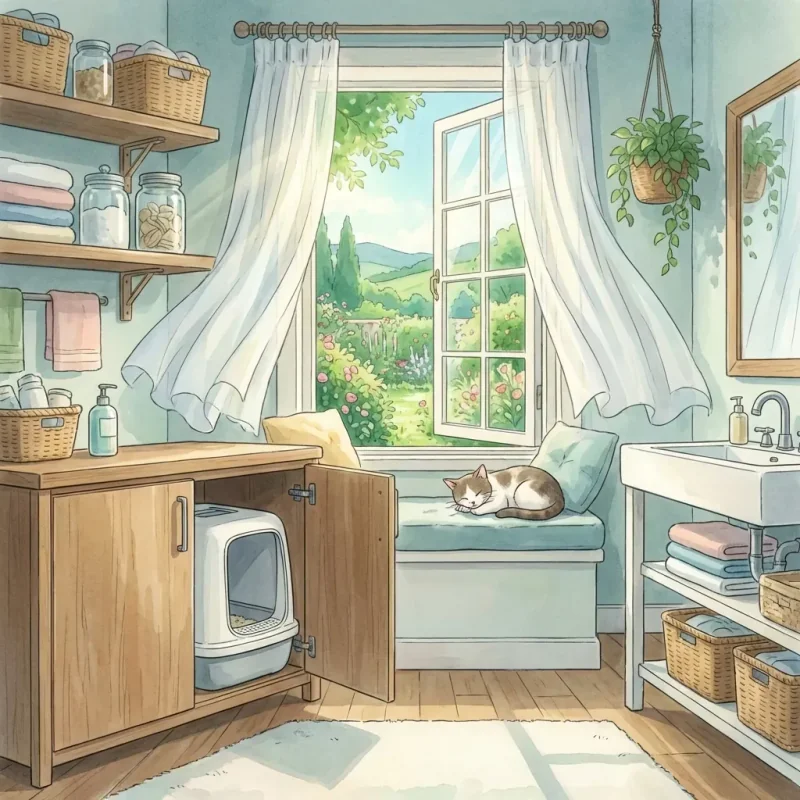
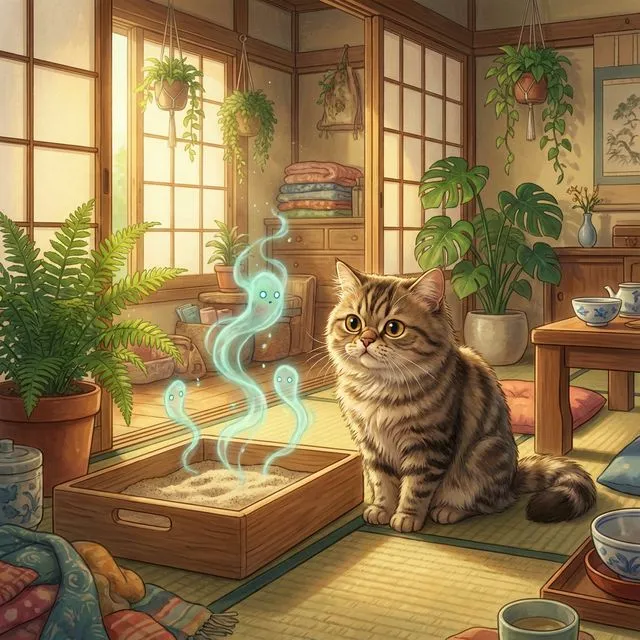
Dumping old litter and washing the empty pan gets rid of odor trapped in scratched plastic.
How to Tell Litter-Box Odor From Hidden Off-Box Urine
One reason owners struggle with strong urine odor is that off-box urine can smell exactly like a disastrous litter pan. If the box has been refreshed and the room still smells piercing within hours, widen the search. Check the outside seams of the box, the underside of the pan, the litter mat, nearby baseboards, and the first few feet of wall around the box. Cats that back up to the edge or spray in response to stress can leave surprisingly small deposits that produce an outsized smell.
A helpful sequence is to clean the box fully, let the room air out, and then close the door for thirty minutes. Re-enter and sniff the room from different heights: floor level, doorway level, and near fabrics. If the sharp smell seems detached from the pan itself, you are probably dealing with a secondary source. In that case, deodorizer inside the box will never look effective because it is fighting the wrong target.
Once you identify the true source, the solution becomes much more honest. You may need an enzyme cleaner for a floor spot, a replacement mat, or a behavior adjustment if a cat is peeing over the edge. Strong smell is often a location clue, not just an intensity clue.
When Very Strong Urine Smell Is a Health Signal
Persistent, unusually strong urine smell can also be worth a veterinary conversation, especially if it arrives with frequent trips to the box, straining, very small clumps, blood, vocalizing, or sudden accidents. Some cats produce stronger-smelling urine after diet changes or when they are not drinking enough, but abrupt changes can also reflect urinary irritation or other medical issues. The same is true if the cat suddenly avoids a box that seems clean to you; pain can make a cat associate the box with discomfort.
So use the reset routine, but keep your eyes open. If the smell normalizes when the setup improves, the issue was probably environmental. If the smell stays unusually intense despite clean litter and prompt scooping, the litter box may be telling you more about your cat than about your cleaning technique.
Do Not Let the Waste Bin Become the Real Odor Source
Sometimes the litter box smells bad because the waste container is doing a poor job of holding what you scoop out. If used clumps sit in a thin bag, an open pail, or a can that is only emptied every few days, the room may keep smelling like urine no matter how clean the pan is. In high-odor situations, waste removal needs to be part of the solution, not an afterthought.
Use a sealed disposal method and empty it often during a smell flare-up. Otherwise you may keep improving the box while the old waste next to it continues polluting the room.
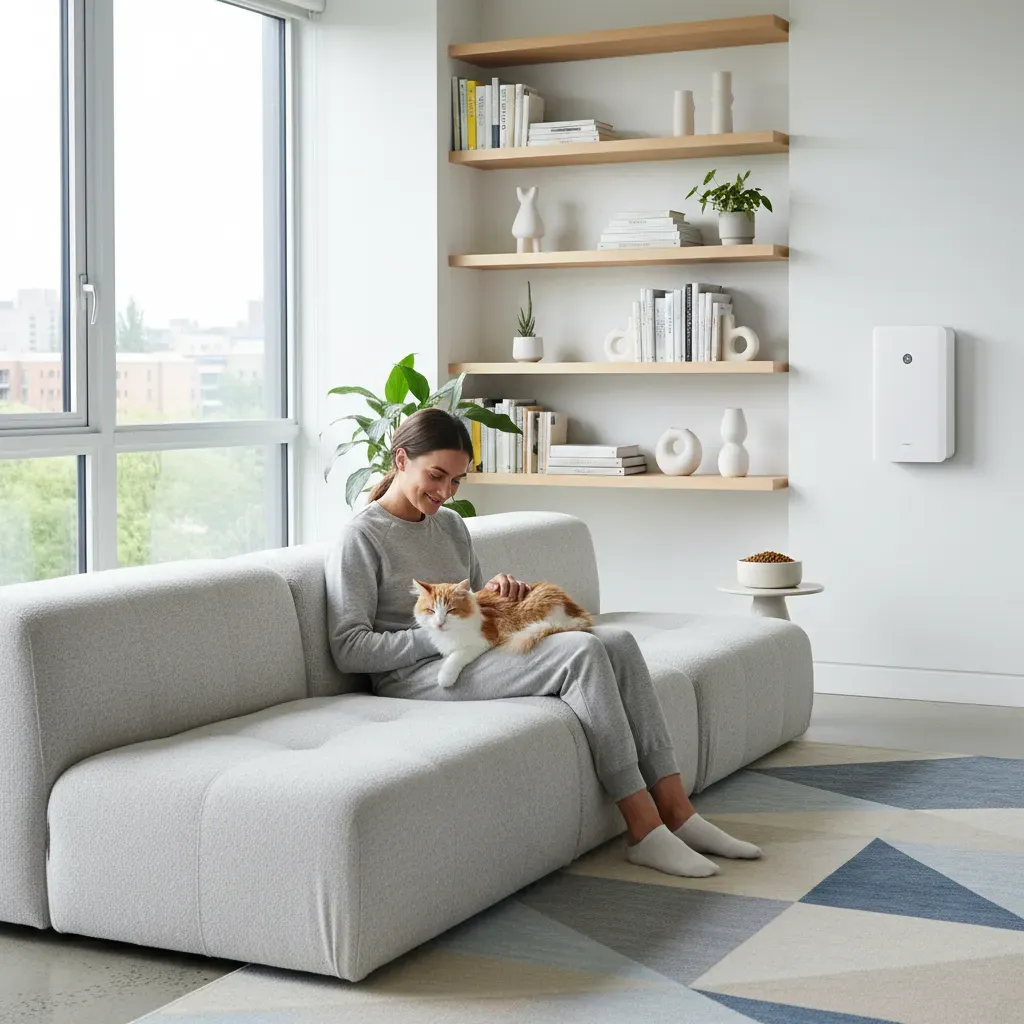
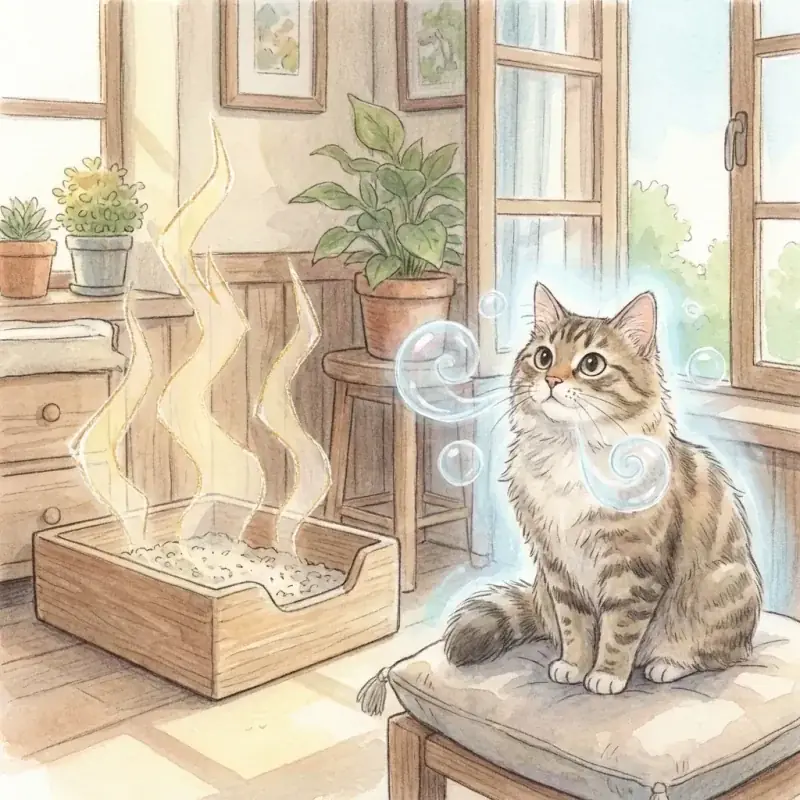
Good airflow prevents odor from settling in the environment.
Hydration Can Change the Odor Story
If urine smell stays unusually sharp, look at water intake too. Cats that drink poorly often produce more concentrated urine, which can make even a reasonably maintained box smell harsher than expected. Better hydration does not replace cleaning, but it can meaningfully change the odor load you are trying to manage.
Severe Smell Usually Means the System Needs Multiple Fixes
When urine smell is truly severe, it is rarely because one single product failed. More often the litter, the box, the waste routine, and the room have all drifted slightly out of range together. Fixing all four at once is what turns a desperate situation into a stable one.
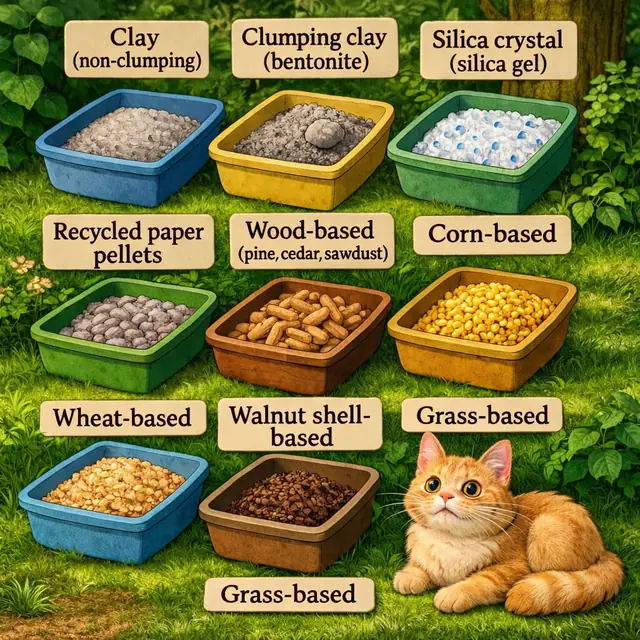
A consistent scooping and additive routine keeps homes fresher between litter changes.
How quickly should litter box odor improve with a consistent routine?
Most homes notice a meaningful improvement within 24 to 72 hours when scooping, airflow, and activated carbon layering are all consistent.
Can I use activated carbon additive with my current litter?
Yes. Carbon additive is compatible with most common litter types and is most effective when applied in small, regular top-ups.
What is the best way to prevent odor rebounds after cleaning?
Use a maintenance schedule instead of waiting for smell to return: scoop twice daily, refresh carbon weekly, and perform full resets on a fixed cadence.