
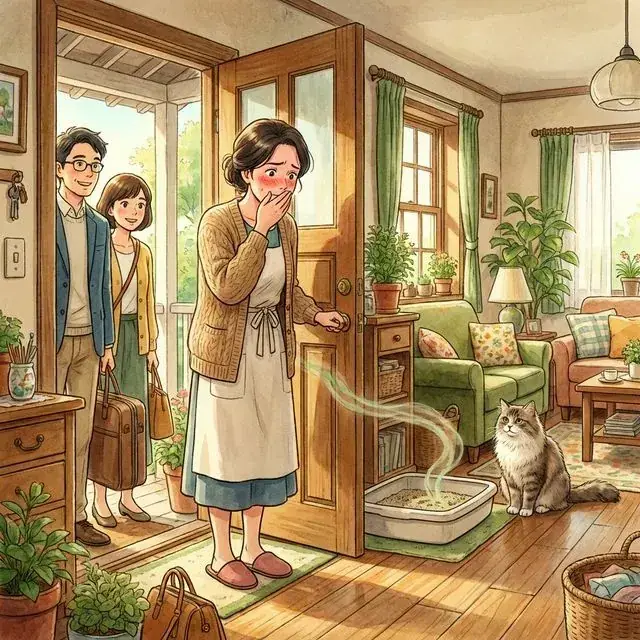
Embarrassed By Cat Smell?
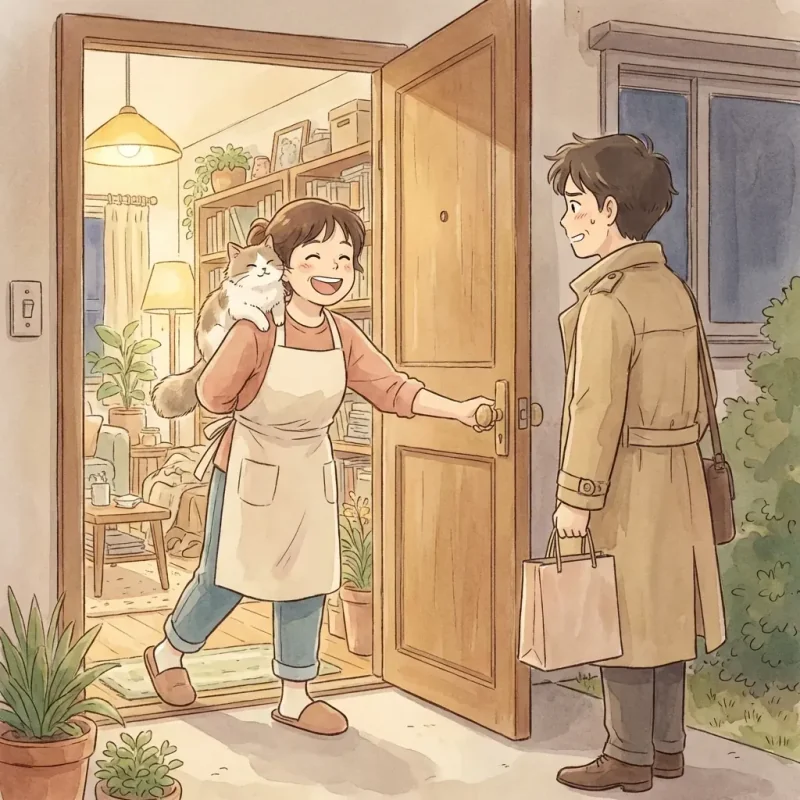
The doorbell rings and your stomach drops. You love your cat, but you dread what guests might think when they walk in. You're not alone, and this is fixable.
Let's Be Honest

You've probably said "sorry about the smell" before guests even finish taking off their shoes. You've made excuses about the litter box "just needing to be changed." Maybe you've stopped inviting people over altogether. This anxiety is real, and it's more common than you think.
You're Not Alone in This
Cat odor embarrassment is one of the most common concerns among cat owners, yet it's rarely discussed openly. Here's what we know from odor-behavior research:
People can become less sensitive to persistent odors over time (olfactory habituation), which makes home odors harder to self-detect.
See supporting sources on our Science & Sources page.
Stories That Might Sound Familiar
"My in-laws were coming for dinner. I cleaned for two days straight-scrubbed everything, lit candles, opened windows. The moment they walked in, my mother-in-law wrinkled her nose. I wanted to disappear." Small space making it worse? Here is how to get rid of cat litter smell in an apartment.
- Common experience
"I realized I'd been making excuses for years. 'Oh, the litter box is right around the corner' or 'I was just about to clean it.' The truth was, I'd cleaned it that morning. I just couldn't smell what everyone else could."
- Common experience
How to Actually Solve This Problem

The goal isn't to hide your cat or apologize for them, it's to create a home where there's genuinely nothing to apologize for. Here's how:
Step 1: Accept You May Have "Nose Blindness"
Leave your home for 2+ hours, then pay attention in the first 30 seconds when you return. Ask a trusted friend for honest feedback about your home's smell.
Step 2: Address the Litter Box Immediately
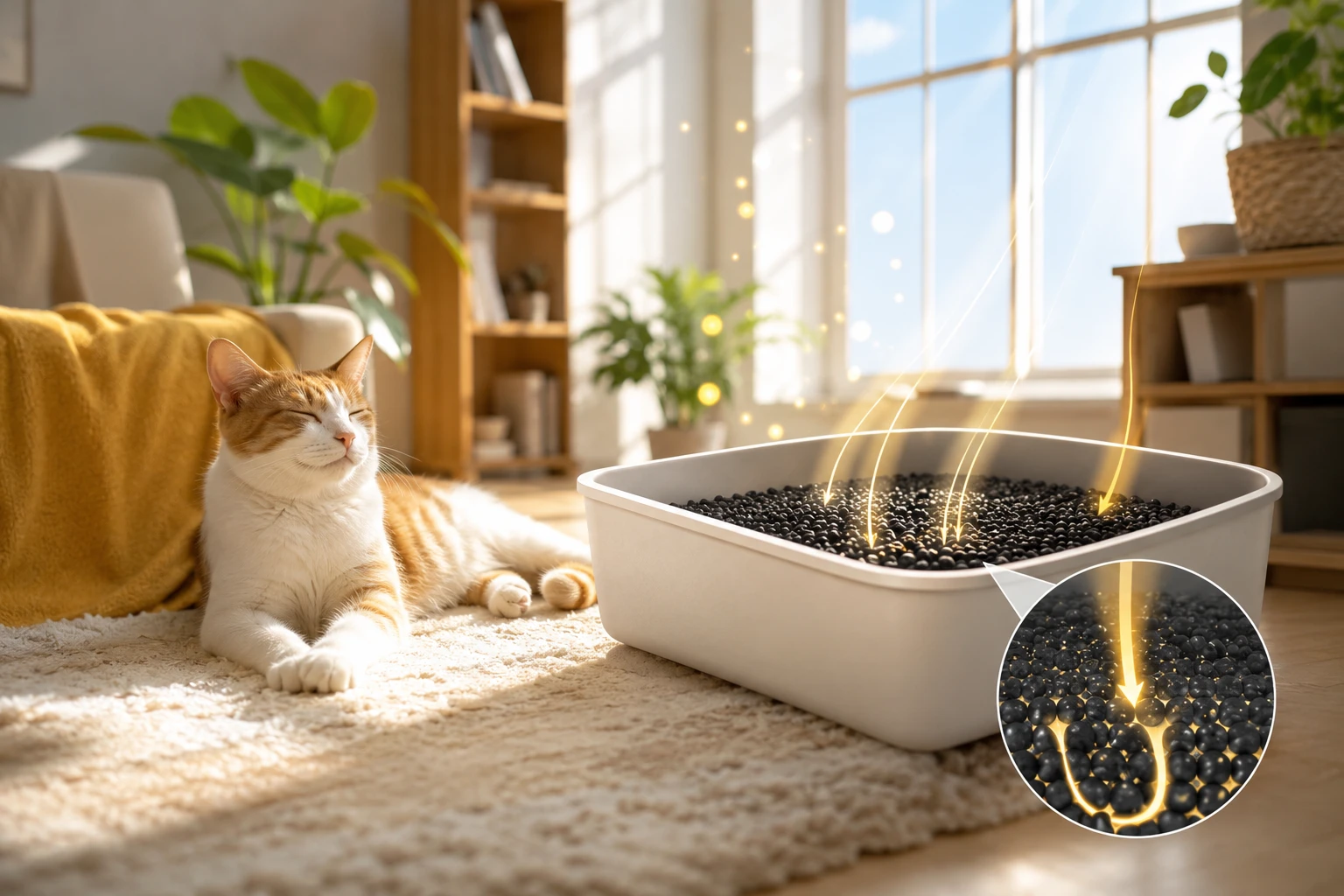
Do a complete change with fresh litter, wash the box thoroughly, and add activated carbon. If the box is over a year old, replace it-plastic absorbs odors permanently. For apartment dwellers with limited space, our small apartment litter odor guide covers dosing, placement, and airflow strategies that make a real difference in tight quarters.
Step 3: Hunt for Hidden Accidents
Use a UV flashlight in a dark room to find accidents you never knew existed. Check behind furniture, near windows, and along baseboards.
Step 4: Deep Clean All Fabric Surfaces
Wash all bedding, throw pillows, curtains, and cat beds. Steam clean carpets and upholstered furniture to remove accumulated odors.
Step 5: Implement Ongoing Prevention
Use activated carbon continuously, maintain twice-daily scooping, wash cat bedding weekly, and run an air purifier with carbon filter.
Ready for a litter box you can't smell?
Free shipping. Never run out. Cancel anytime.
Start autoship →Stop Apologizing. Start Inviting.
In independent bench testing, Purrify reduced airborne ammonia by up to 92% under test conditions. No more masking, no more excuses, no more embarrassment. Just a home you're proud to share.
A 30-Minute Pre-Guest Reset That Does More Than Spray Perfume
If guests are coming over in half an hour, the instinct is usually to light a candle or spray the room. That may make you feel busy, but it rarely addresses the reason you are anxious. A better last-minute reset starts at the source. Scoop the box thoroughly, level the remaining litter, wipe the rim and outer walls, and empty the waste into a sealed bag that actually leaves the apartment or house. Then deal with the first odor-holding zone around the box: mats, tracked litter, and any nearby fabric that has been acting like a smell sponge.
Only after the source is under control should you think about the air. Turn on ventilation, crack a window if weather allows, and move stale air out instead of layering fragrance over it. If there is a hallway or entry area where guests first notice odor, give that area special attention because first impressions happen before anyone reaches the litter room. A quick fabric refresh on throws or cushions near the box can matter more than another room spray across the whole home.
- Scoop and remove waste from the home, not just from the box.
- Wipe the rim, sides, and floor around the pan so the room stops smelling "old."
- Ventilate the space for real instead of only perfuming it.
This routine works because it treats embarrassment as a practical odor problem, not a personal failing. You do not need a theatrical cover-up. You need a fast reset that reaches the molecules guests would actually notice.
How to Get an Honest Smell Audit Without Spiraling
One of the hardest parts of cat-smell embarrassment is that you cannot always trust your own nose. People adapt to the smell of their own homes very quickly, then panic when they imagine what visitors might be detecting. A smell audit gives you more useful information than anxious guessing. Leave the house for fifteen minutes, then come back in through the door a guest would use. Smell at entry height, near the litter area, and in the soft-furnishing zone where odor tends to settle. Close the litter room for a while, then reopen it and compare how the rest of the house smells.
You can also use small spot checks instead of waiting for a social crisis. Lift the litter mat and smell underneath. Smell the outside of the waste bin. Smell the nearest curtain, hamper, or upholstered chair. These mini-audits often reveal that the main room is actually fine and one overlooked object is carrying most of the odor load. That is good news, because targeted cleaning is much easier than trying to "fix the whole house."
The emotional relief matters too. When you know where the smell is and how strong it really is, you stop apologizing preemptively for a problem that may be smaller and more solvable than it feels.
The Long-Term Fix Is Social Confidence Through Better Systems
The true opposite of embarrassment is not a stronger air freshener. It is trust in your system. That means a litter setup that stays stable between visits, a waste routine that does not let smell build up quietly, and surrounding surfaces that are cleaned often enough to avoid surprise odor blooms when humidity rises or guests arrive. Once those systems are in place, hosting starts to feel normal again because you are no longer depending on emergency cover-ups.
That shift is worth naming. Many cat owners carry unnecessary shame about smell when the actual issue is just a few missing habits or the wrong kind of odor control. A well-managed cat home does not need to smell sterile. It just needs to smell cared for. That is a completely achievable standard, and it is much kinder than expecting yourself to out-spray chemistry with anxiety.
Make Hosting Easier by Building a Weekly Reset
If cat smell anxiety spikes every time people visit, a weekly reset can be more effective than emergency scrambles. Pick one day to wash the mat, wipe the exterior of the box, empty the waste system fully, and refresh the surrounding room. That rhythm keeps odor from quietly building until the moment you need the house to feel social.
The benefit is not just cleaner air. It is peace of mind. When the hosting reset is already built into the week, you stop associating company with embarrassment and start trusting the routine you have put in place.
Most Guests Notice Cleanliness More Than Perfection
A home with cats does not need to smell sterile to feel welcoming. Guests usually notice whether the space feels maintained, not whether it is chemically scentless. That distinction can lower the emotional pressure and help you focus on realistic, effective fixes.
Confidence Usually Returns Before Perfection Does
Many owners discover that their confidence comes back before the home is literally perfect. Once the main smell sources are controlled and the routine feels dependable, hosting gets easier even while you keep refining the setup. That emotional progress counts too.
Reducing Shame Makes the Problem Easier to Solve
Once you stop treating the smell as a moral failure, it becomes much easier to solve it like any other household systems issue: identify the source, tighten the routine, and improve the setup gradually.
A Fresh Home Is Built in Small Steps
The encouraging part is that guest-ready freshness rarely requires one huge overhaul. It usually comes from a handful of repeatable changes that make the home feel calmer and cleaner week after week.
Frequently Asked Questions
Why am I embarrassed about my cat's smell when I clean regularly?
Olfactory adaptation (nose blindness) means you stop noticing constant smells after living with them. You clean regularly, so you assume there's no smell, but visitors experience it fresh. This disconnect causes embarrassment when guests react to odors you genuinely can't detect.
How do I know if my house smells like cat?
Leave your home for at least 2 hours. When you return, pay close attention in the first 30 seconds before your nose adapts. Alternatively, ask a trusted friend who doesn't live with you for honest feedback. If you can smell anything in that first moment, guests definitely notice.
Can I have cats without my house smelling?
Absolutely. Millions of cat owners maintain odor-free homes. The key is source control: quality litter with activated carbon, twice-daily scooping, proper ventilation, and treating any accidents immediately. It requires consistent effort, but a fresh-smelling cat home is achievable.