Quick Answer
The best clumping cat litter for odor control forms tight, hard clumps that isolate urine immediately. Premium sodium bentonite clay delivers the strongest clumping, but even the best clumping litter can't capture gas molecules-the ammonia and sulfur compounds that create the smell you notice.
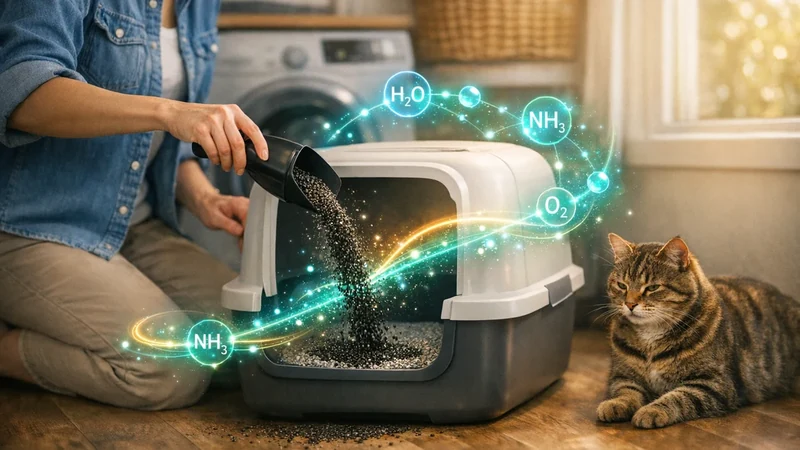
For maximum odor control, pair any quality clumping litter with activated carbon-the same filtration technology used in municipal water treatment and hospital air systems.
Why Clumping Litter Dominates Odor Control
If you're searching for the best clumping cat litter for odor control, you're already on the right track. Clumping technology revolutionized cat care for one simple reason: it isolates waste immediately, preventing the bacterial breakdown that creates odour.
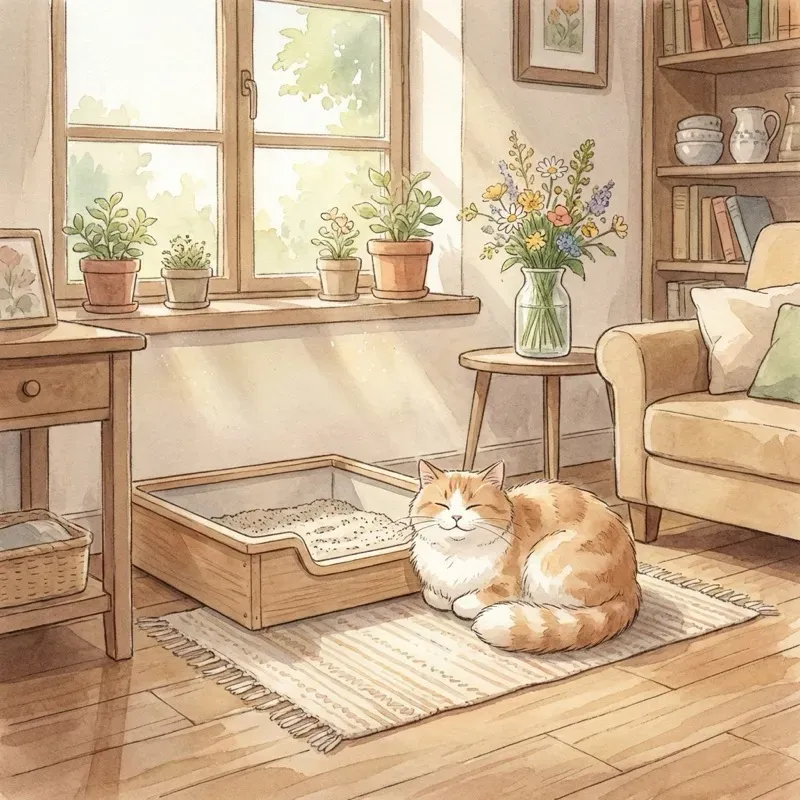
Tight clumps isolate liquid waste, reducing bacterial ammonia production
When your cat urinates, clumping litter forms a tight ball around the liquid within seconds. This matters because cat urine contains urea, which bacteria convert into ammonia gas. The faster you can isolate and remove that urine, the less ammonia escapes into your home.
The Clumping Advantage
- • Immediate isolation: Urine is trapped before bacteria can break it down
- • Easy scooping: Remove waste without disturbing clean litter
- • Cost efficiency: Only remove what's contaminated
- • Daily freshness: Regular scooping maintains a cleaner box
Types of Clumping Cat Litter Compared
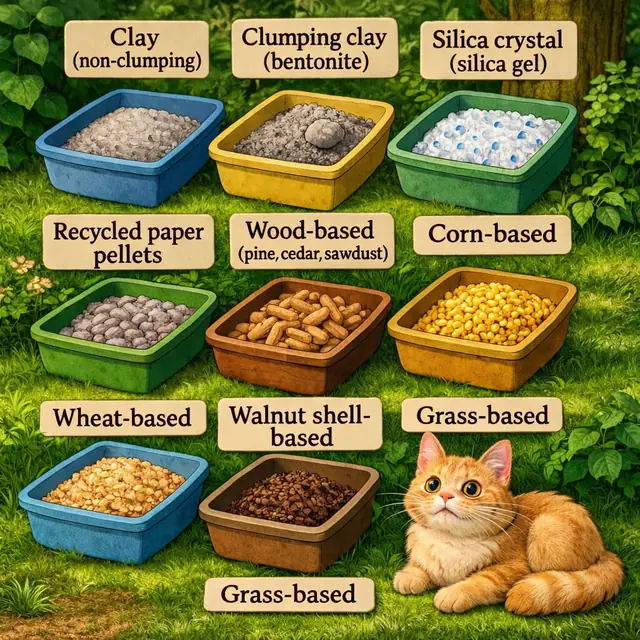
Not all clumping litters clump equally. The material determines clump hardness, dust levels, and secondary odour control. Here's how the main categories compare:
Sodium Bentonite Clay (Traditional Clumping)
The gold standard for clumping performance. Sodium bentonite forms rock-hard clumps that won't break during scooping, making it the most efficient choice for waste removal.
Strengths
- • Hardest, tightest clumps
- • Most cats accept it readily
- • Widely available and affordable
- • Proven 30+ year track record
Limitations
- • Creates dust during pouring
- • Heavy to carry
- • Not biodegradable
- • Doesn't trap gas molecules
Odour control rating: ⭐⭐⭐⭐ (Excellent clumping, limited gas capture)
Corn-Based Clumping Litter
Ground corn kernels create surprisingly tight clumps while being fully biodegradable. The natural starch provides some odour absorption, though not as powerful as clay for long-term control.
Strengths
- • Biodegradable and flushable
- • Low dust formula
- • Soft on sensitive paws
- • Lightweight compared to clay
Limitations
- • Clumps slightly softer than clay
- • Can attract insects in humid areas
- • Higher cost per kilogram
- • May mold if wet
Odour control rating: ⭐⭐⭐ (Good clumping, moderate odour absorption)
Wheat-Based Clumping Litter
Wheat litter contains natural enzymes that actively neutralize odour-causing bacteria. This provides a level of active odour control beyond what simple absorption offers.
Strengths
- • Natural enzyme odour control
- • Strong, reliable clumping
- • Biodegradable
- • Low tracking
Limitations
- • Not for wheat-allergic cats
- • Premium pricing
- • Enzymes deplete over time
- • Can attract pests
Odour control rating: ⭐⭐⭐⭐ (Active enzymatic control)
Tofu (Soy) Clumping Litter
Made from soybean byproducts, tofu litter is extremely lightweight and forms quick clumps. It's one of the most genuinely flushable options available.
Strengths
- • Ultra-lightweight
- • Truly flushable
- • Fast clump formation
- • Virtually dust-free
Limitations
- • Clumps can be fragile
- • Limited odour absorption
- • Some cats reject texture
- • Higher cost
Odour control rating: ⭐⭐⭐ (Relies on frequent scooping)
Grass Seed Clumping Litter
A newer category using grass seed fibres, offering excellent clumping with natural odour absorption. Suitable for most allergy-prone households.
Strengths
- • Tight, firm clumps
- • Very low dust
- • Lightweight
- • Biodegradable
Limitations
- • Premium pricing
- • Limited availability
- • Higher tracking
- • Odour control varies by brand
Odour control rating: ⭐⭐⭐ (Good natural absorption)
The Odour Gap: What Clumping Misses
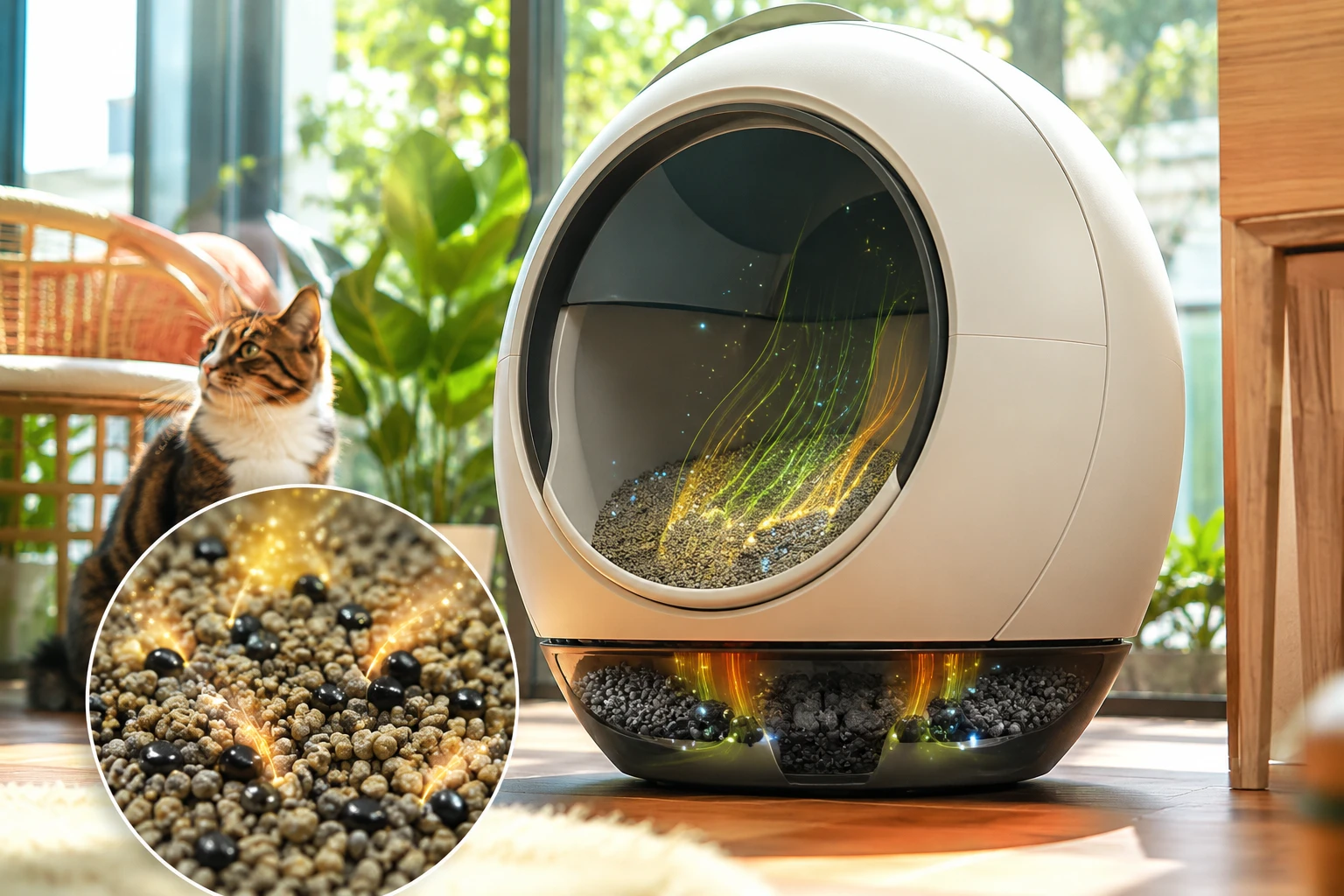
Here's what most cat owners don't realize: even the best clumping litter can only trap liquid, not gas. And it's gas molecules-ammonia and sulfur compounds-that create the smell you notice.
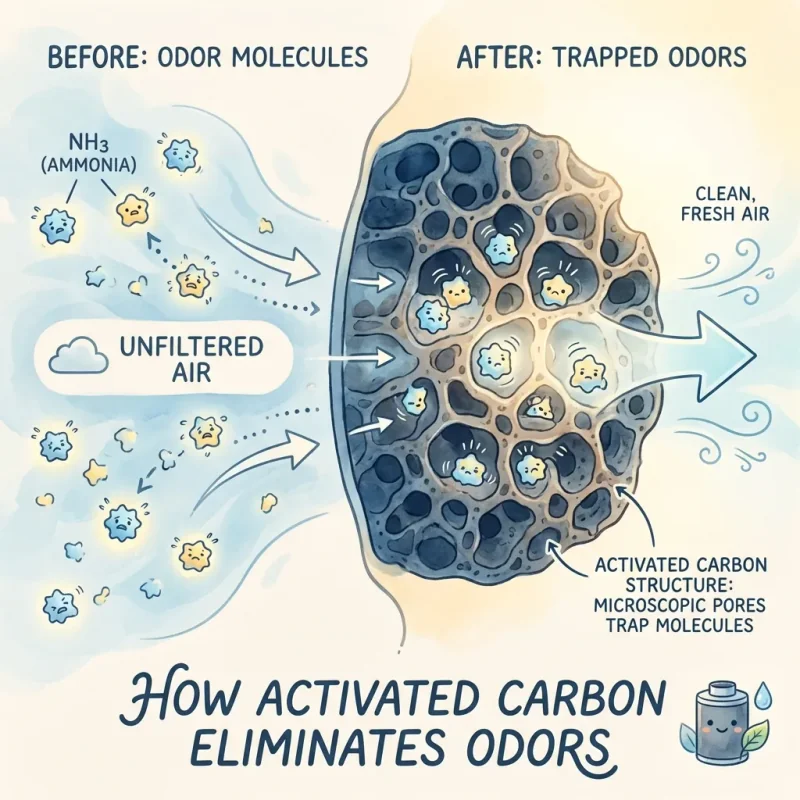
Clumping captures liquid, but gas molecules escape between clumps
Why Tight Clumps Aren't Enough
- • Gas escapes immediately: Ammonia becomes airborne before clumps form
- • Clumps have gaps: Gas molecules escape between and around clumps
- • Feces aren't clumped: Solid waste sits exposed, releasing sulfur compounds
- • Time between scooping: Odours build up between your daily cleanings
This explains why your litter box can smell even when you scoop daily and use premium clumping litter. The clumping is doing its job perfectly-but it's only designed for liquid, not the gas molecules that actually create odour.
Fragranced clumping litters attempt to solve this by adding perfume, but that only masks the smell temporarily. Your nose adapts to the fragrance while ammonia continues building up underneath.
The Activated Carbon Upgrade
Municipal water treatment facilities figured this out decades ago: activated carbon is the most effective material for trapping gas molecules. It's the same technology used in:
💧 Water Treatment Plants
Cities worldwide use activated carbon to purify drinking water. If it's trusted for what you drink, it's more than capable of handling litter box odours.
🏥 Hospital Air Systems
Operating rooms and ICUs use activated carbon filtration for sterile air. The same molecular-trapping power works on pet odours.
🌊 Home Water Filters
That Brita or PUR filter in your fridge? It's activated carbon. The same material that improves your water helps reduce litter odours.
🐟 Aquarium Filtration
Aquarium hobbyists rely on activated carbon to keep tanks crystal clear and odour-free. It works in water and air alike.
The Football Field Analogy
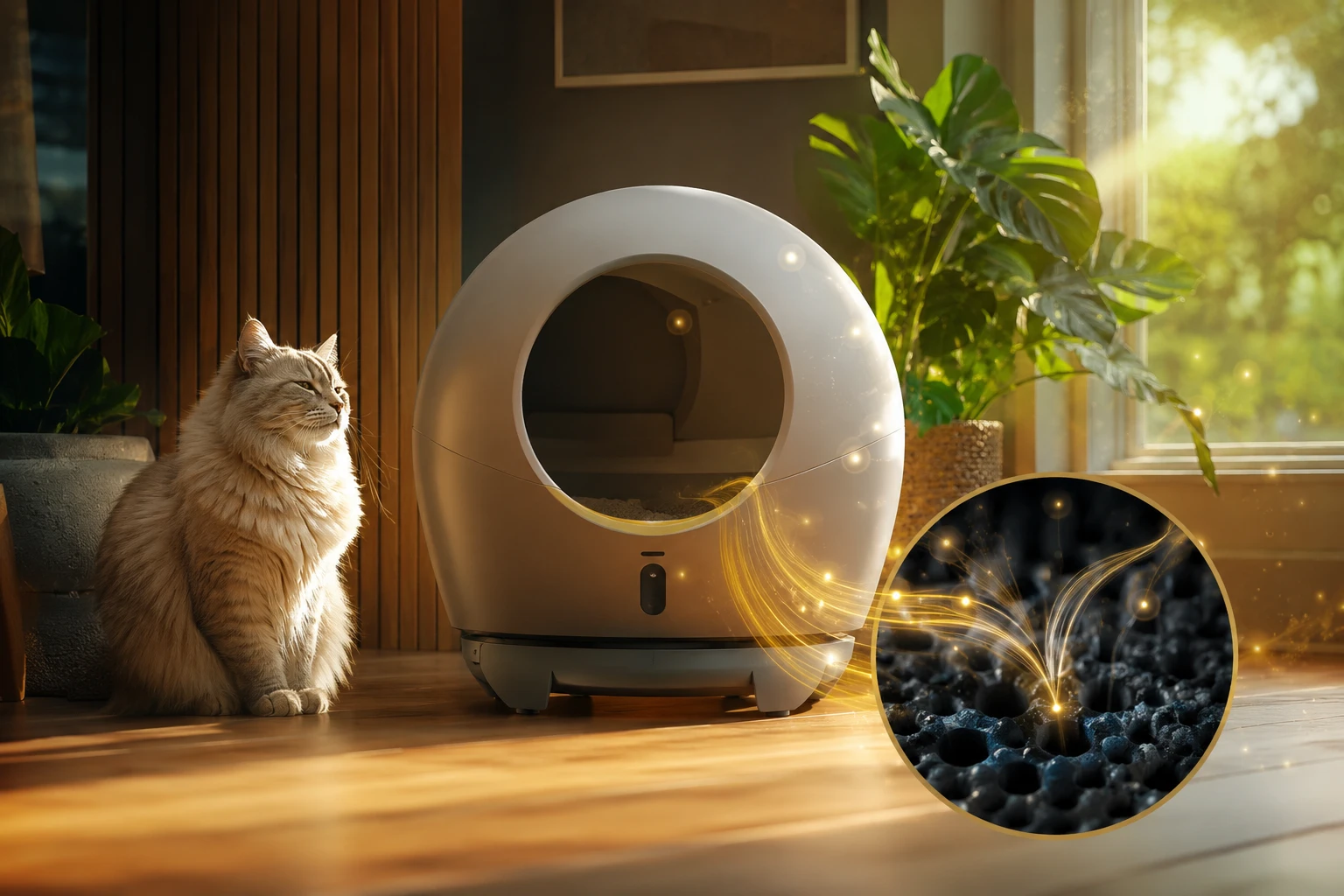
One gram of activated carbon has the internal surface area of a football field, filled with microscopic tunnels that trap odour molecules on contact. This is why a small sprinkle of carbon can outperform pounds of baking soda or air freshener.
How Carbon Completes Clumping Litter
Activated carbon doesn't replace your clumping litter-it completes it. Your litter handles liquid absorption and clumping. Carbon handles the gas molecules your litter was never designed to capture.
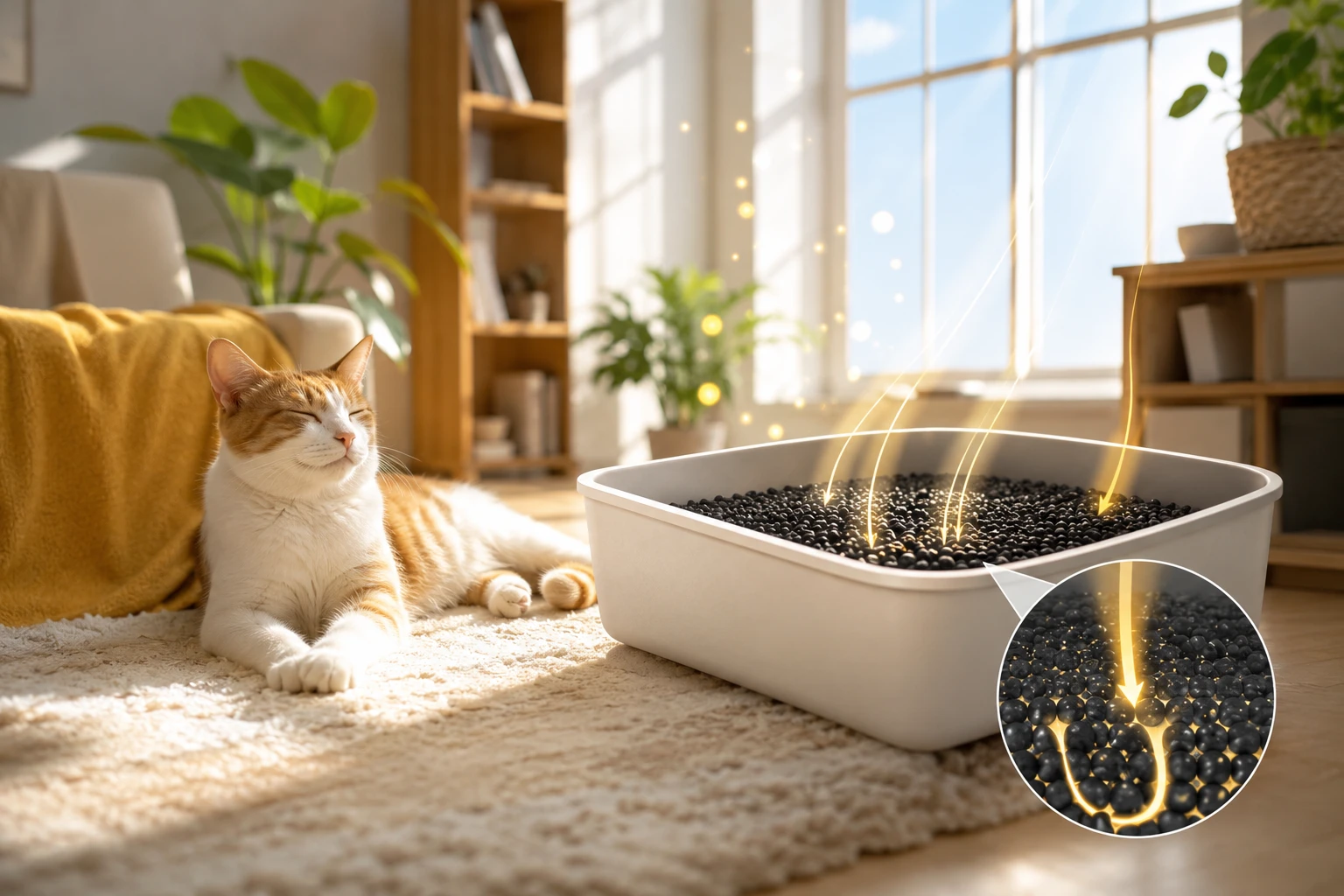
- ✅ Works at the surface: Carbon sits on top where gas escapes, trapping it before it reaches your nose
- ✅ No mixing required: Simply sprinkle on top-your cat won't notice the difference
- ✅ Works with any clumping litter: Clay, corn, wheat, tofu, grass-all benefit from carbon
- ✅ Extends freshness: 7+ days of odour control, even between full litter changes
Purrify: The Clumping Litter Upgrade
Purrify uses filtration-grade activated carbon made from coconut shells-the same food-grade material trusted in water filters. It's fragrance-free (cats have 200 million scent receptors and hate artificial scents), non-toxic, and works with the clumping litter your cat already loves.
Learn more about the science at our How It Works page.
Best Practices for Clumping Litter Odour Control
Proper technique maximizes your clumping litter's effectiveness
1. Maintain Proper Depth
Keep 7-10 cm (3-4 inches) of litter depth. Too shallow and clumps hit the bottom, sticking and breaking. Too deep wastes litter. The right depth allows clumps to form completely before reaching the box floor.
2. Scoop Twice Daily
Morning and evening scooping removes waste before bacterial breakdown peaks. This dramatically reduces ammonia production. Consider it non-negotiable for multi-cat households.
3. Add Activated Carbon
Sprinkle a thin layer of activated carbon on top after scooping. This creates a gas-trapping barrier at the surface where odour molecules escape. Reapply every 3-4 days or when adding fresh litter.
4. Replace Fully Every 2-3 Weeks
Even with daily scooping, microscopic particles accumulate. A complete litter change every 2-3 weeks prevents buildup. Wash the box with unscented soap during changes.
5. Choose the Right Box
Use a box 1.5 times your cat's length. Covered boxes concentrate odours inside-if using one, ensure adequate ventilation and consider carbon even more essential. See our guide on covered litter boxes and odour control.
Frequently Asked Questions
What is the best clumping cat litter for odor control?
Premium sodium bentonite clay provides the tightest clumps, but any quality clumping litter works well when paired with activated carbon. The carbon traps gas molecules that even the best clumping litter can't capture on its own.
Why does my clumping litter still smell?
Clumping litter is designed to trap liquid, not gas. Ammonia and sulfur compounds escape as gases between and around clumps. This is why adding activated carbon-which specifically traps gas molecules-makes such a difference.
Is natural clumping litter better for odor control than clay?
It depends on the material. Wheat-based litters have natural enzyme action that helps. Corn and tofu rely purely on clumping speed. Clay has no inherent odour control but clumps the tightest. All benefit equally from activated carbon supplementation.
How often should I change clumping cat litter?
Scoop daily (twice daily is better) and completely replace litter every 2-3 weeks. Adding activated carbon can extend freshness between full changes, but don't skip the complete replacement-microscopic particles still accumulate.
Can I use activated carbon with any clumping litter?
Yes. Activated carbon works with clay, corn, wheat, tofu, grass seed, and any other clumping litter. Simply sprinkle on top-no mixing required. The carbon sits at the surface where it intercepts escaping gas molecules.
Is activated carbon safe for cats?
Activated carbon is non-toxic and widely used in pet products, aquarium filters, and even emergency medicine. Food-grade coconut shell carbon (like Purrify uses) meets water filtration purity standards and is fragrance-free.
Should I choose scented or unscented clumping litter?
Unscented is generally better. Cats have 200 million scent receptors and often dislike artificial fragrances, which can lead to litter box avoidance. Unscented litter plus activated carbon provides true odour elimination without the perfume.
The Bottom Line
The best clumping cat litter for odor control does what clumping litter is designed to do: form tight clumps that isolate liquid waste for easy removal. Premium clay, quality corn, wheat with enzymes-they all accomplish this well.
But clumping was never designed to trap gas molecules. That's why even the best clumping litter benefits from activated carbon-the same molecular-trapping technology trusted in municipal water treatment, hospital air systems, and home water filters.
The combination is simple: let your clumping litter handle liquids while activated carbon handles gases. Together, they address the complete odour equation.
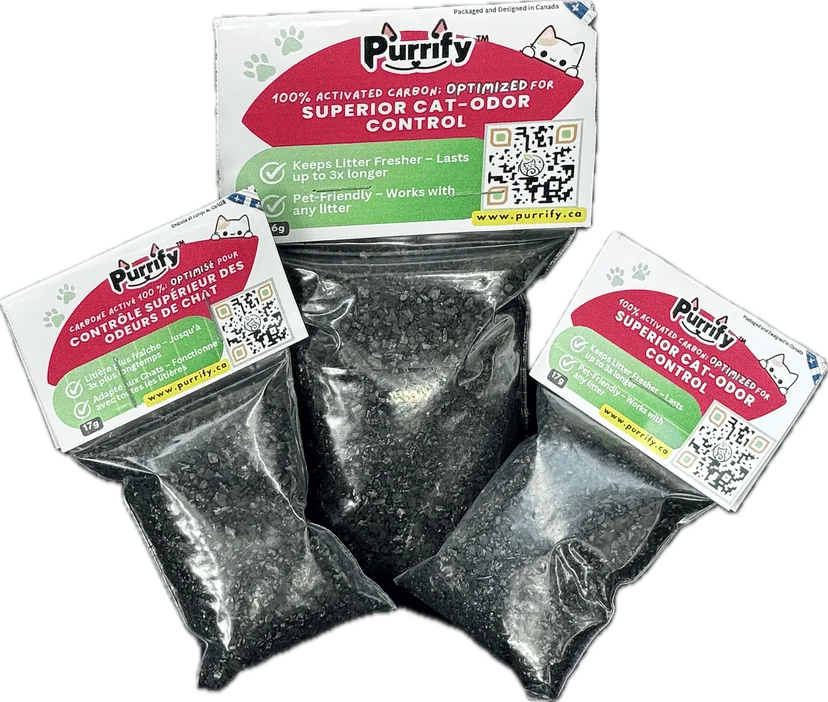
Pro Tip: The Purrify Solution
For the most effective odor control, try Purrify's activated carbon litter additive. Simply sprinkle it in your litter box to reduce odors for up to 7 days. Made from premium coconut shell carbon, it's the same technology used in water and air filters.
Try Purrify Risk-Free →