
Skip to main contentSkip to productsSkip to testimonials
Charged by "buypurrify .com"? That site is not us.Here is what to do
PurrifyPurrify
Products
For Retailers
Learn
BlogFun & Games
About
Get the 15g trial
Purrify - Premium Activated Carbon Cat Litter Additive - Return to Home PagePurrify - Premium Activated Carbon Cat Litter Additive - Return to Home Page

Love your cat, lose the smell. Water-filter grade activated carbon eliminates ammonia odors - no perfumes, just science. Try the 15g bag, shipping included. Made in Canada, ships across North America.

Products

  • Get Purrify Near You
  • Buy Online
  • 15g Trial
  • Standard 50g
  • Multi-Cat Pouch

Learn

  • How It Works
  • FAQ
  • All Tools
  • Cat Litter Guide
  • Ammonia Science
  • Safety Information
  • Glossary
  • Odor Solutions
  • Science
  • Ammonia Control

Company

  • About Us
  • Blog
  • Fun & Games
  • Case Studies
  • About Purrify
  • Team
  • Editorial Policy
  • Testing Policy
  • Referral Program
  • Returns Policy
  • Documents
  • For Retailers
  • B2B Inquiry
  • Affiliate Program
  • Contact
  • Shipping & Returns

Locations

  • All Locations
  • Canada Wide
  • Montreal
  • United States
  • Stores in Quebec

Resources

  • Odor Control Litter Guide
  • Water & Carbon Science
  • PFAS Canada
  • Comparison Lab
  • Comparison Lab Methodology
  • Ammonia Health Risks
  • Litter Box Smell Elimination
  • Multiple Cats Odor Control
  • Natural Cat Litter Additive
  • Senior Cat Litter Solutions
  • How to Neutralize Ammonia
  • Contact Support
  • Retailer Get Started
  • Retailer Reorder
  • 15g Trial
Privacy PolicyTerms of ServiceSitemap

© 2026 Purrify | All Rights Reserved

BlogLitter BoxesThe Best Litter-Robot Carbon Filter Alternative (And Why It Works Better)
Litter BoxesOdor ControlProduct Reviews

The Best Litter-Robot Carbon Filter Alternative (And Why It Works Better)

Tired of buying replacement carbon filters every few weeks? There is a cheaper, more effective way to handle Litter-Robot odor: trap the ammonia in the litter itself, before it reaches the drawer.

PPurrify Team·June 24, 2026·10 min read
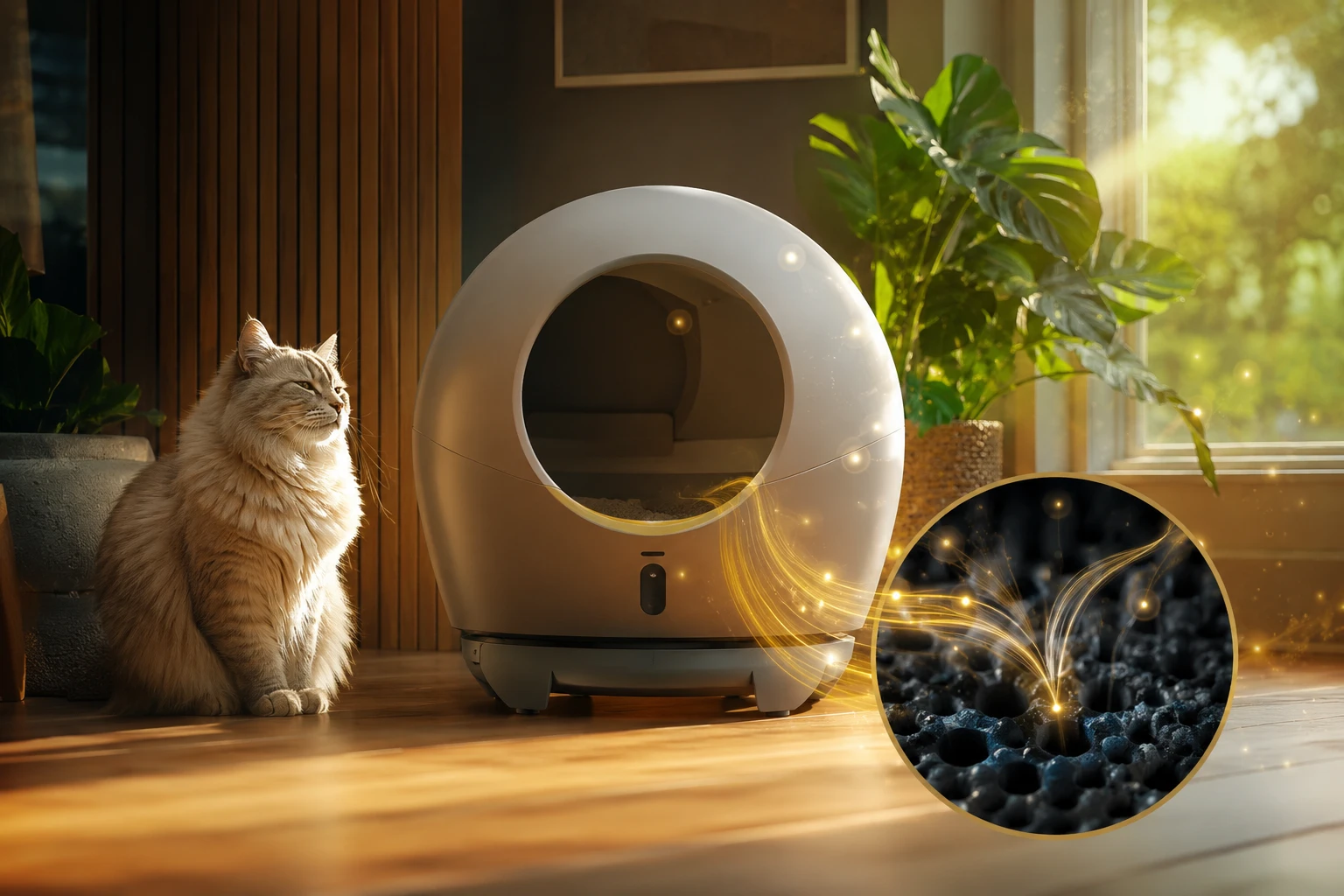
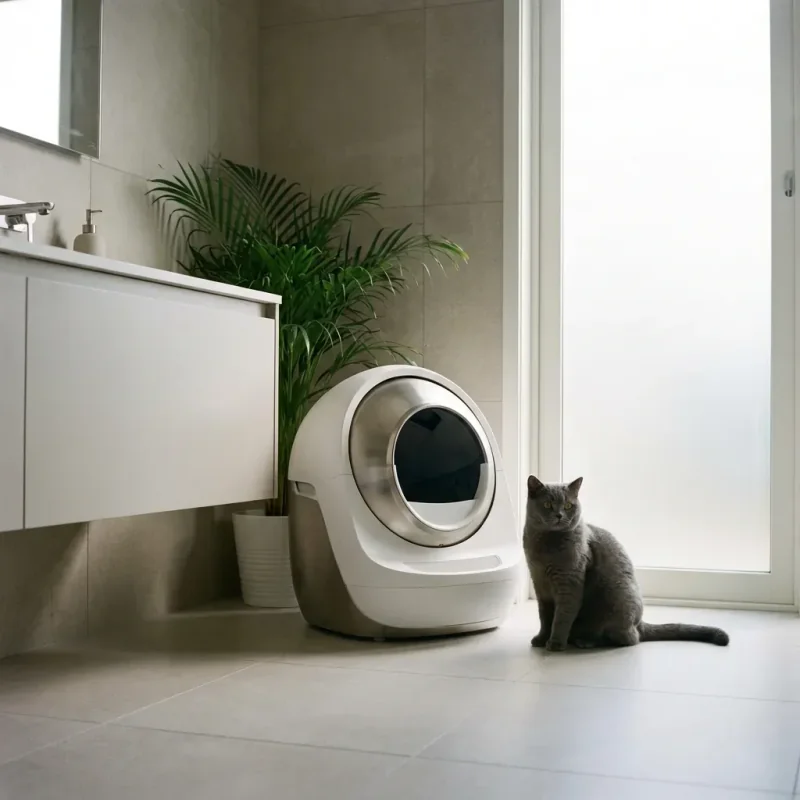
Litter-Robot automatic litter box using activated carbon granules in the litter as a carbon filter alternative

On this page

  1. Why the drawer filter is fighting a losing battle
  2. Activated carbon, just moved upstream
  3. Swap the filter cycle for one bag
  4. How to use it in a Litter-Robot
  5. What a bag actually replaces
  6. Stop reordering filters. Try the $4.76$7.99 trial.
  7. Frequently Asked Questions
  8. Bottom Line
15g Trial

15g Trial - $4.7615g Trial - $7.99

15g Trial - $4.7615g Trial - $7.99

Quick answer

The best Litter-Robot carbon filter alternative is activated carbon granules mixed into the litter itself. Here is why that beats swapping filters:

  1. The built-in filter only treats air on its way out of the waste drawer. The ammonia is already in your room by then.
  2. Granules in the litter trap the ammonia at the source, the moment urine hits the bed, before it can off-gas.
  3. One bag lasts far longer than a stack of replacement filters, and there is no subscription to manage.

If you have been buying replacement carbon filters every few weeks and the box still smells, you are treating the wrong stage of the problem. Skip ahead: try the carbon granules →

Litter-Robot automatic litter box using activated carbon granules in the litter as a carbon filter alternative
Instead of swapping the drawer filter, put the carbon where the smell is actually made: in the litter.

The Litter-Robot ships with a small carbon filter that tucks into or near the waste drawer. It does a limited job. The filter only ever touches air leaving the sealed drawer, and it saturates in roughly two to four weeks depending on how many cats you have. There is no indicator to tell you it is spent, so most owners run a dead filter long before they think to replace it, then reorder more while the smell has already crept back. If your box was fine for the first month and slowly got worse with no obvious trigger, a saturated filter is usually the reason, and we cover that whole pattern in our guide to why a Litter-Robot still smells and how to fix it.

So people start hunting for a Litter-Robot carbon filter alternative. Some cut their own carbon pads, some try baking soda, some just buy the official filters in bulk and eat the cost. There is a better answer, and it comes down to where you put the carbon.

Why the drawer filter is fighting a losing battle

Here is the part most owners miss. The strong smell from a litter box is mostly ammonia gas, and that gas is released almost the instant urine hits the litter. Bacteria break down the urea in urine into ammonia within minutes, well before the globe ever rotates. By the time the clump drops into the sealed drawer, the ammonia it was going to release into your room has largely already escaped. The drawer filter is downstream of all of that. It can only catch what is left inside the closed container, which is why a fresh filter still does not fully clear a room that smells sharp right after a cycle.

Ammonia is not just an unpleasant smell either. At higher concentrations in a small, poorly ventilated room it can irritate eyes and airways, which matters more if the box lives in a bathroom or closet. We go deeper on that in our piece on the health risks of cat litter ammonia. The takeaway: the goal is to stop the gas from forming in the room, not to filter it after the fact.

Activated carbon, just moved upstream

The drawer filter and the granules are the same basic material: activated carbon. It is the stuff used in water filters, aquariums, and hospital air systems. A single gram has an enormous internal surface area, riddled with microscopic pores, and odor molecules like ammonia get physically trapped against that surface. The filter works on this principle. The only thing wrong with it is its position.

Mix activated carbon granules into the litter and you move that same trapping action upstream, right to where the ammonia is born. The gas gets caught in the litter bed before it can rise into the room, and the granules ride along with the clumping clay through the globe rotation, so they do not jam the mechanism or confuse the sensors. You are not adding a second device or changing the litter you already use. You are putting the carbon where it can actually win.

Purrify 15g activated carbon trial bag, a carbon filter alternative for the Litter-Robot
15g Trial

Swap the filter cycle for one bag

Coconut-shell activated carbon granules. Sprinkle them on the litter your Litter-Robot already uses. No replacement filters to reorder, no subscription.

Get the 15g trial for $4.76$7.99

$4.76$7.99 total, shipping included. One per household.

How to use it in a Litter-Robot

There is nothing fussy about it. Use 2 to 3 tablespoons of Purrify granules per litter box. Sprinkle them over fresh litter and mix gently so they spread through the bed rather than sitting in a pile on top. Then top up whenever the box starts giving off a smell again. There is no fixed schedule and no calendar reminder, which is the opposite of the filter routine. You just refresh it when your nose tells you to, the same way you would notice a litter change is overdue.

Because the granules are heavier than loose, dusty additives and are clump-safe, they travel with the clumping litter through the rotation instead of drifting into the machine. That is also why this works where baking soda does not. Baking soda is alkaline, the same as ammonia, so it barely touches the main odor, and its fine dust is exactly the kind of loose additive that can drift into an automatic box's mechanism.

What a bag actually replaces

The filter approach is a recurring purchase by design: buy a pack, swap on a schedule, reorder. The granule approach is a single bag you draw from over time. For a one-cat home, the medium 50g bag lasts about a month and the large 120g bag a little over two months. The 15g trial is the try-before-you-commit size, enough for roughly a week, so you can tell whether it fixes your particular box before buying more.

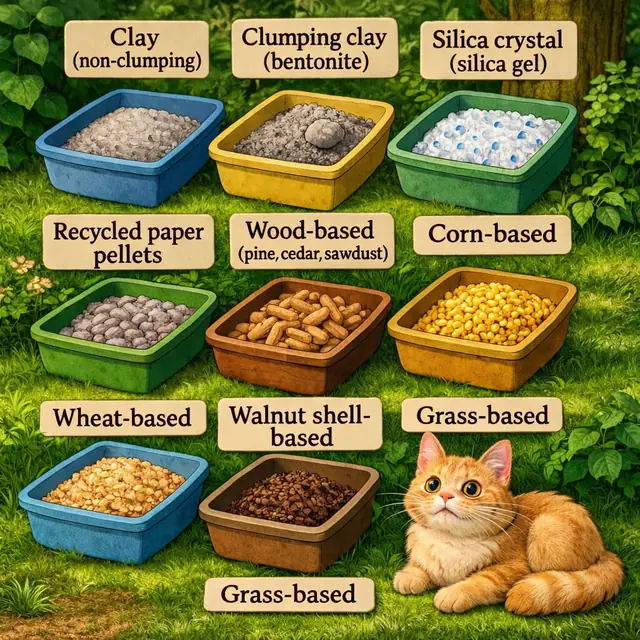
You do not have to choose one or the other, either. Plenty of owners keep a fresh drawer filter and add carbon to the litter, so the filter handles the closed-drawer air and the granules handle the gas before it ever reaches the drawer. But if you are only going to do one thing, the granules address the cause the filter never can. Once you have the smell handled, picking the right base litter helps the whole setup work better, which we walk through in our guide to the best litter for Litter-Robot odor control.
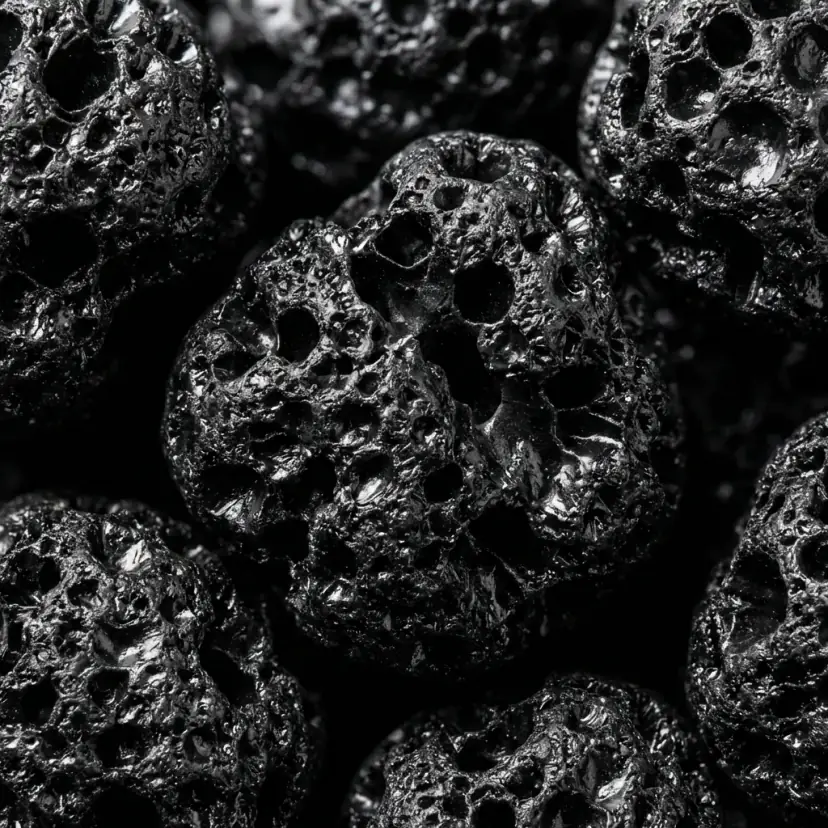
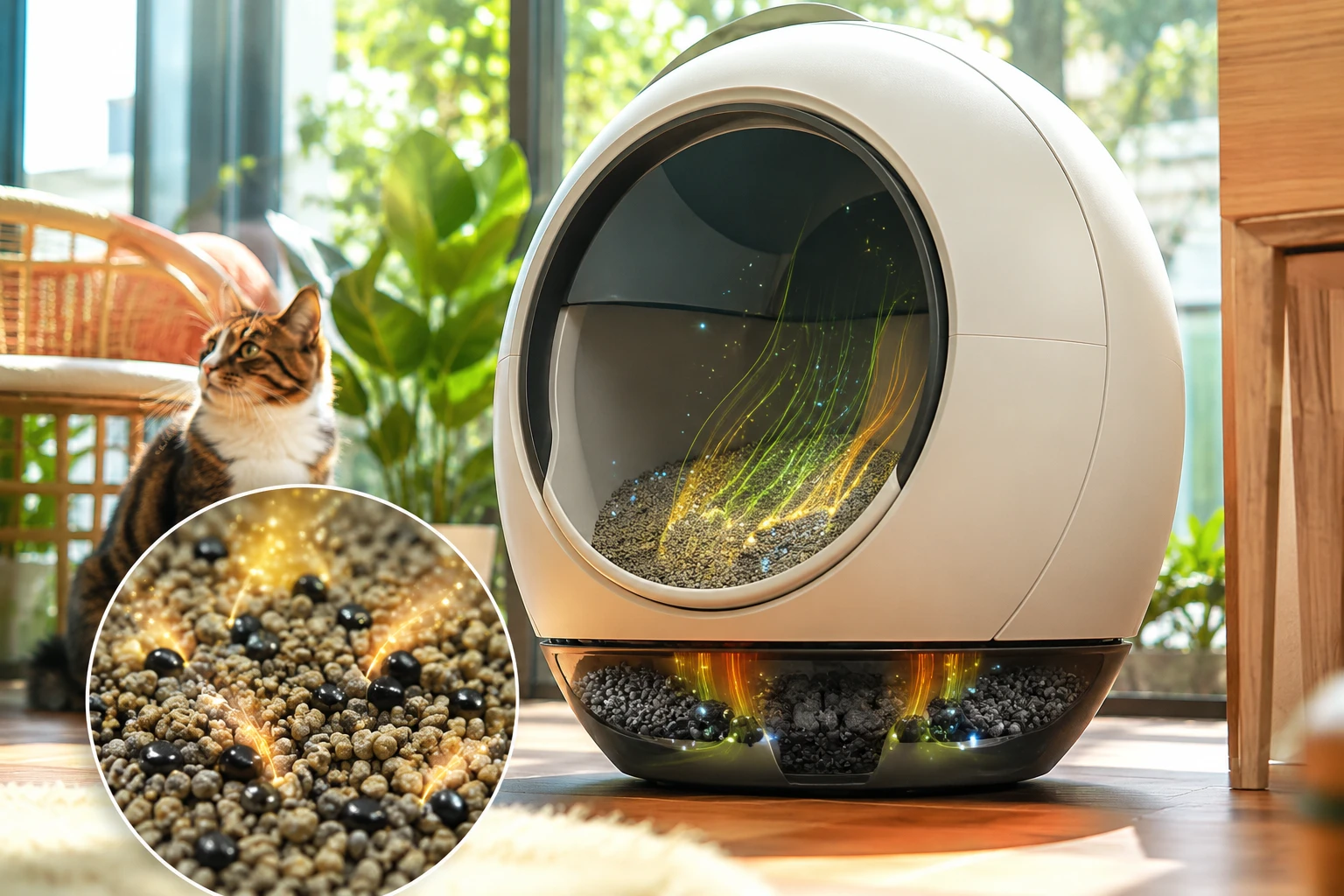
Close-up of Purrify activated carbon granules showing the porous surface that traps ammonia
Up close, each granule is a maze of pores. That is the same surface area the drawer filter relies on, just put where the ammonia starts.

Stop reordering filters. Try the $4.76$7.99 trial.

If the drawer filter has not solved it, test carbon at the source on the box you already own. Sprinkle, mix, done.

Send me the 15g trial

$4.76$7.99 total, shipping included. One per household.

Frequently Asked Questions

Can I stop buying Litter-Robot carbon filters if I use granules?
You can, and many owners do, because the granules in the litter handle the ammonia before it ever reaches the drawer the filter sits in. If you prefer a belt-and-suspenders setup, keep a fresh filter too: the filter treats the closed-drawer air and the granules treat the gas at the source. But the granules are the part that addresses the cause, so if you only run one, run the granules.
Why are activated carbon granules better than the drawer filter?
It is the same material, just in a better spot. The drawer filter only meets air leaving the sealed drawer, which is after most of the ammonia has already off-gassed into your room. Granules mixed into the litter trap that ammonia at the moment urine hits the bed, before it can escape. Same carbon, earlier in the process.
Will adding granules harm the Litter-Robot mechanism?
No. Purrify granules are heavier than fine loose additives and are clump-safe, so they ride through the globe rotation with the clumping litter instead of drifting into the motor or fooling the sensors. That is the difference between carbon granules and something like baking soda dust, which can drift into the motor and sensors of an automatic box.
How much should I use, and how often?
Use 2 to 3 tablespoons of granules per litter box. Sprinkle them on fresh litter and mix gently so they spread through the bed. Then top up whenever the box starts to smell again. There is no fixed schedule, you just refresh when your nose tells you to. For a one-cat home, the 50g bag lasts about a month and the 120g bag a little over two months. Try the 15g trial on your Litter-Robot →

Bottom Line

The Litter-Robot carbon filter is not bad, it is just late. It sits downstream of the smell, catching what is left after most of the ammonia has already reached your room, and it needs constant replacing with no warning when it is spent.

The better alternative is the same activated carbon, moved into the litter where the gas is actually made. Sprinkle a few tablespoons of granules on fresh litter, mix gently, and top up when you smell it. The carbon traps the ammonia at the source, it rides safely through the rotation, and one bag does the work of a whole run of replacement filters.
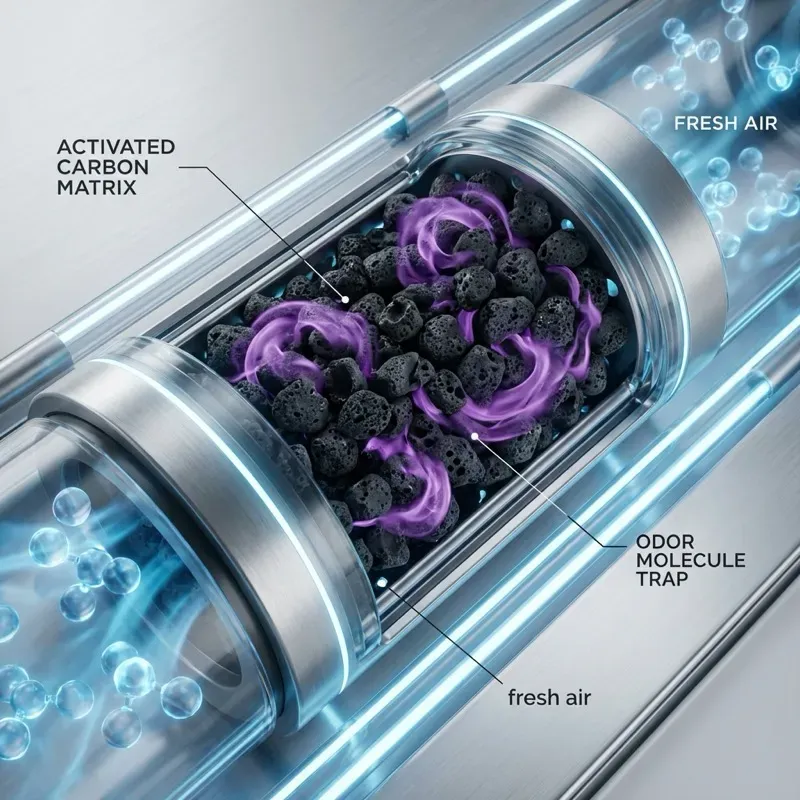
Stop masking odors - eliminate them.

Activated carbon physically traps ammonia molecules. Try it for $4.76$7.99, shipping included.

Get the 15g Trial

References

  1. Urease-mediated urea hydrolysis and ammonia production - National Institutes of Health (PMC)
  2. OSHA ammonia exposure limits and annotated permissible exposure limits - U.S. Department of Labor (OSHA)
  3. Ammonia toxicological profile and health effects - ATSDR / CDC
  4. EPA guidance on air cleaners, gases, and odors in the home - U.S. Environmental Protection Agency
  5. Activated carbon adsorbers: surface area, pore structure, and adsorption basics - U.S. Environmental Protection Agency
  6. Peer-reviewed study on ammonia removal using activated carbons - PubMed
  7. IUPAC definition of microporous carbon and pores below 2 nm - IUPAC Gold Book
  8. NASA technical report on ISS trace contaminant control using activated charcoal - NASA Technical Reports Server
  9. Activated carbon use in respirator cartridges - CDC / NIOSH

Frequently Asked Questions

Can I stop buying Litter-Robot carbon filters if I use granules?

You can, and many owners do, because the granules in the litter handle the ammonia before it ever reaches the drawer the filter sits in. If you prefer a belt-and-suspenders setup, keep a fresh filter too: the filter treats the closed-drawer air and the granules treat the gas at the source. But the granules are the part that addresses the cause, so if you only run one, run the granules.

Why are activated carbon granules better than the drawer filter?

It is the same material, just in a better spot. The drawer filter only meets air leaving the sealed drawer, which is after most of the ammonia has already off-gassed into your room. Granules mixed into the litter trap that ammonia at the moment urine hits the bed, before it can escape. Same carbon, earlier in the process.

Will adding granules harm the Litter-Robot mechanism?

No. Purrify granules are heavier than fine loose additives and are clump-safe, so they ride through the globe rotation with the clumping litter instead of drifting into the motor or fooling the sensors. That is the difference between carbon granules and something like baking soda dust, which can drift into the motor and sensors of an automatic box.

How much should I use, and how often?

Use 2 to 3 tablespoons of granules per litter box. Sprinkle them on fresh litter and mix gently so they spread through the bed. Then top up whenever the box starts to smell again. There is no fixed schedule, you just refresh when your nose tells you to. For a one-cat home, the 50g bag lasts about a month and the 120g bag a little over two months.

Related Articles

How to eliminate cat litter smell with activated carbon - NASA-inspired odor control technology for cat owners

How to Eliminate Cat Litter Smell: The NASA-Inspired Solution That Actually Works

Read more →

Low-dust cat litter options compared for odor control in 2026

Best Cat Litter for Odor Control: 4 Types Compared (2026)

Read more →

How to get rid of cat pee smell in apartment - complete cleaning guide

How to Get Rid of Cat Pee Smell in Apartment (Complete Guide)

Read more →

Fragrance-free litter deodorizer - cat's sensitive nose requires unscented odor control

Fragrance-Free Litter Deodorizer (Why Your Cat Needs One)

Read more →

Safe ways to deodorize a litter box - vet-approved methods

Safe Ways to Deodorize a Litter Box (Vet-Approved Methods)

Read more →

Playful Studio Ghibli style illustration of a cat covered in lavender blossoms - demonstrating the problem of masking odors

Why Your Home Still Smells Like Cat: The Chemistry Behind Persistent Odor (And the Industrial Fix)

Read more →

Why does my house smell like cat litter? Complete fix guide

House Smells Like Cat Litter? 7 Proven Solutions to Control Cat Litter Smell

Read more →

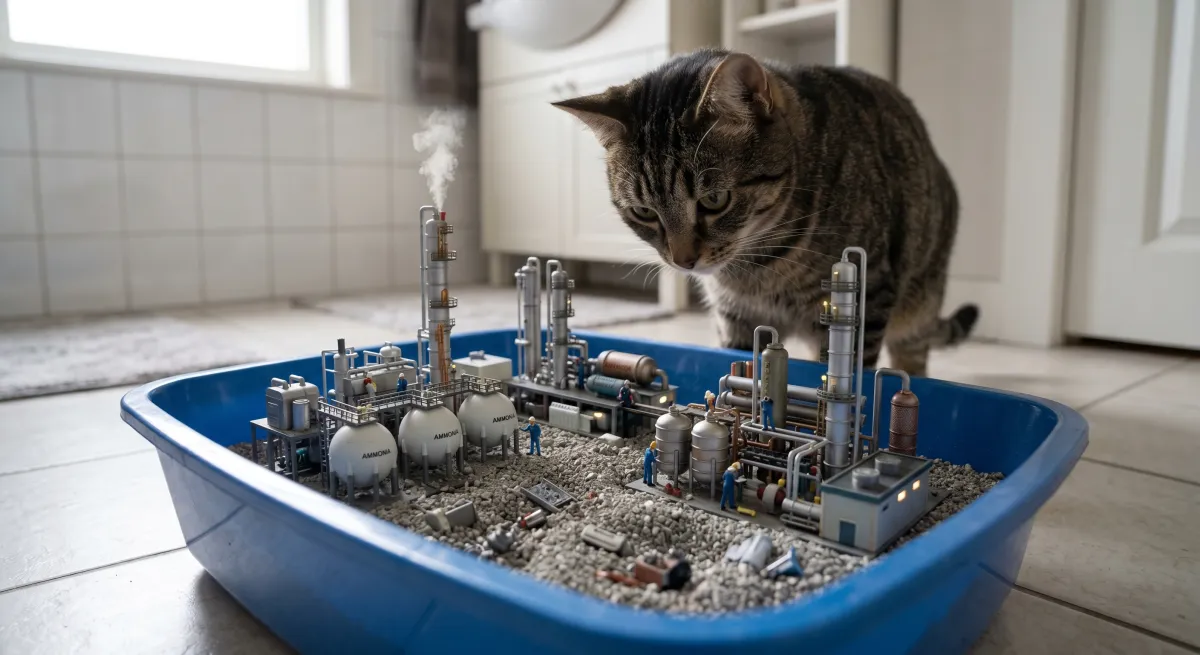
A cat inspecting a miniature ammonia plant built inside its litter box

Why Does My Cat's Litter Box Smell So Bad? The Science Behind the Stink

Read more →

You Might Also Like

Litter-Robot automatic litter box with activated carbon granules added to the litter for ammonia odor control
June 4, 20269 min read

Litter-Robot Still Smells? 9 Fixes That Actually Work (2026)

Best self-cleaning automatic litter boxes for odor control comparison with activated carbon enhancement
January 3, 20269 min read

Self-Cleaning Litter Box Odor Control: Stop Ammonia Smell (2026)

Litter-Robot automatic litter box with the best clumping litter and activated carbon granules added for odor control
June 24, 20267 min read

Best Litter for a Litter-Robot: What Actually Controls Odor

Best covered and enclosed litter boxes for odor control with activated carbon enhancement
January 3, 20268 min read

Best Covered Litter Boxes for Odor Control (2026 Guide)

Ghibli-style illustration of a contented cat near a fresh litter box in a cozy home
January 2, 20268 min read

Best Cat Litter for Smell: Stop Odor Between Scoops (2026)

Cat Litter Odour Control Tips - Complete Guide to Eliminating Litter Box Smell
January 3, 20269 min read

Cat Litter Odour Control Tips: The Ultimate Guide (2026)

Related Solutions

Modern apartment with cat - clean, odor-free living space

Apartment Cat Smell

Keep small spaces fresh and odor-free

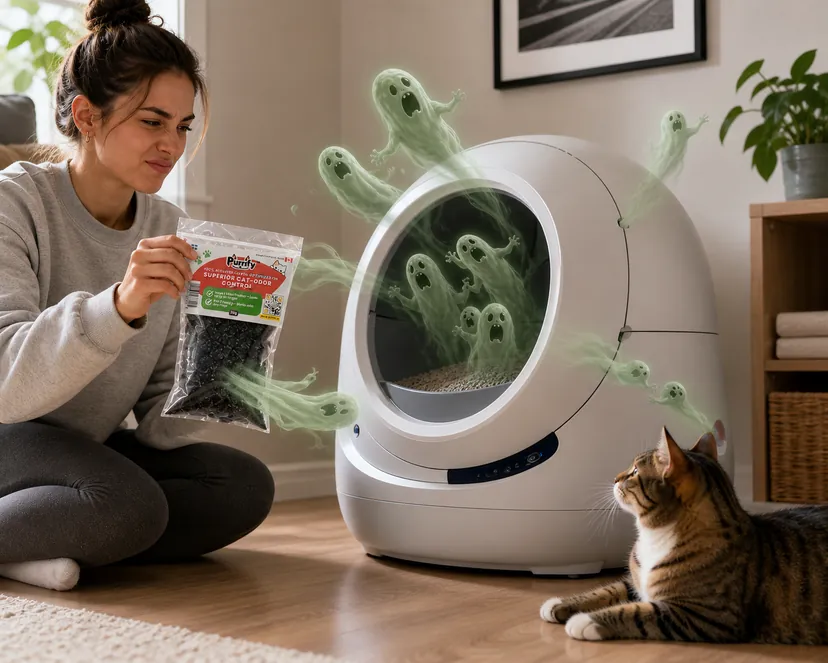
Curious cat sitting beside a litter box with ammonia wisps rising like little spirits

Ammonia Smell Solutions

Stop sharp ammonia odors at the source

How to neutralize ammonia smell in cat litter box

How to Neutralize Ammonia

Step-by-step guide to ammonia elimination

Clean litter box with cat - complete odor elimination

Litter Box Odor Elimination

Complete guide to litter box freshness

View all solutions
Published June 24, 202610 min read

Public author

Purrify Team

Collective byline for consumer education, product explainers, and article maintenance.

Editorial process

This article uses organization-level attribution. Reviewer details appear only when a specific public reviewer entity is attached to the page.

Editorial policyTesting policy
All ArticlesVisit Store