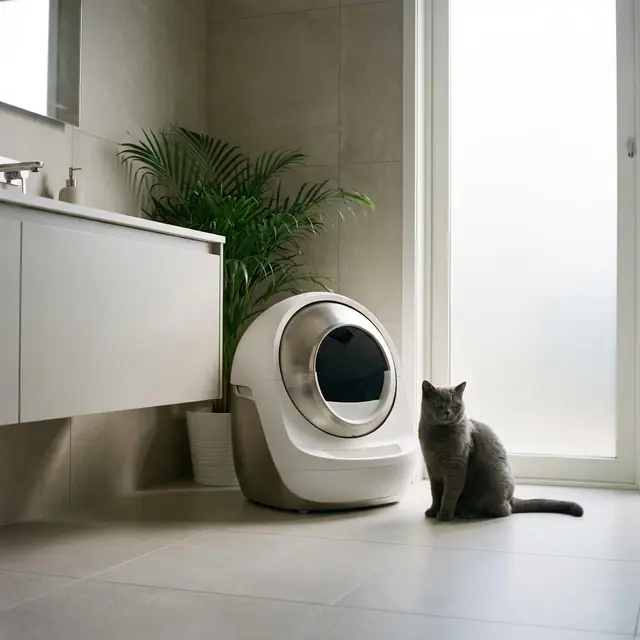

Your machine is not broken. Three things make a Litter-Robot smell even when it runs perfectly.
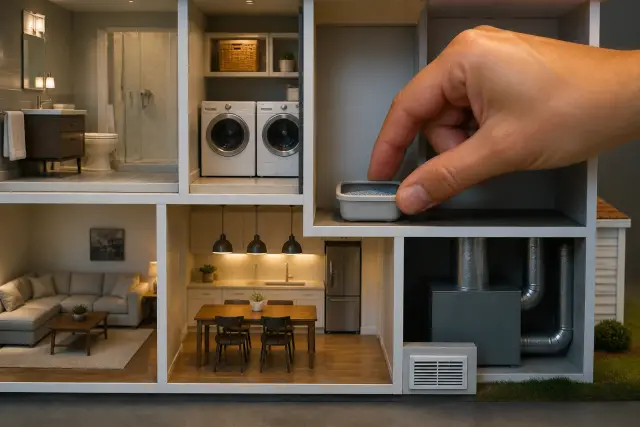
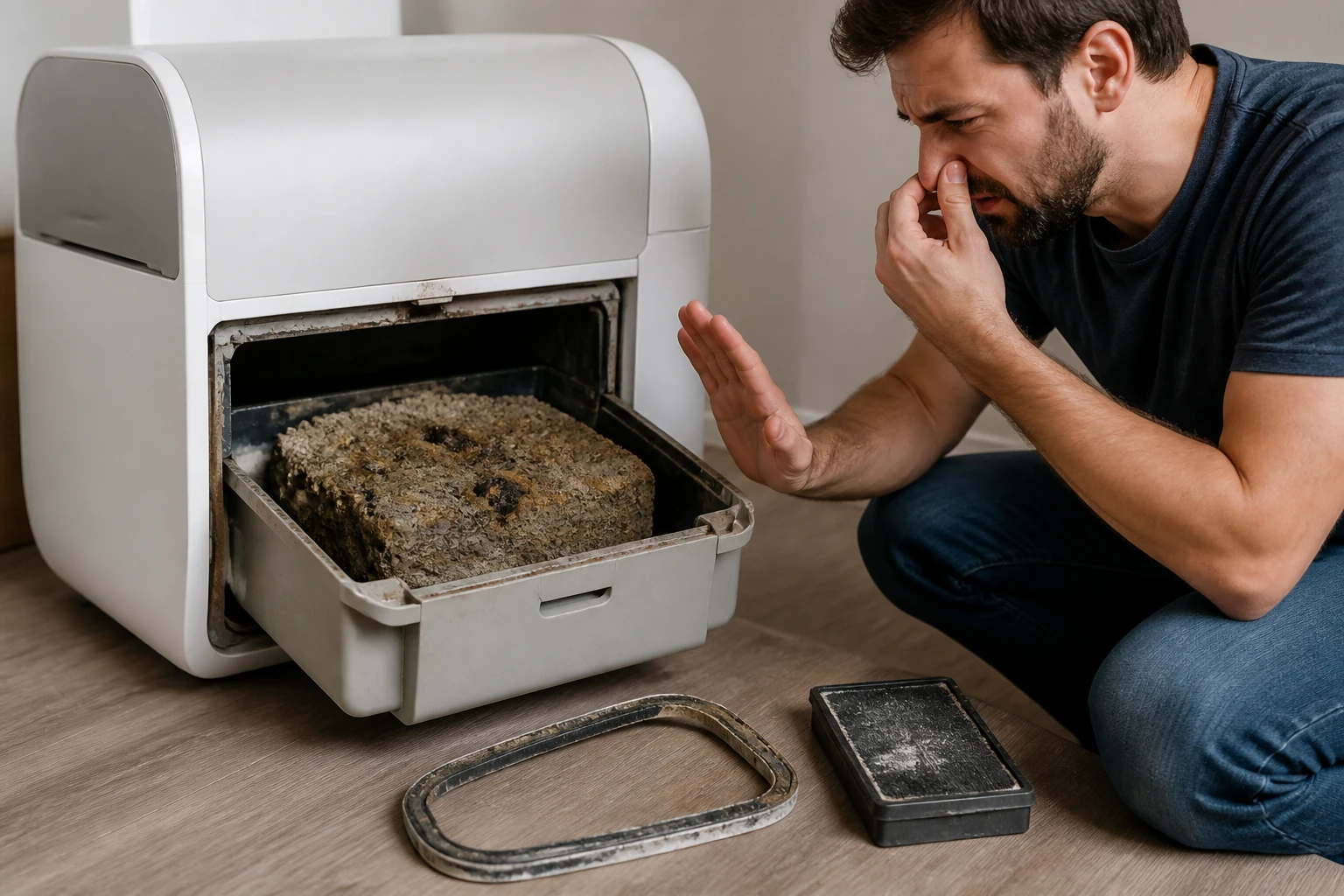
- The sealed drawer is a concentration chamber. Days of waste in one closed box. You get all of it in the face when you open it.
- The carbon filter quits after 2 to 4 weeks and nothing tells you it happened.
- The ammonia is in your room minutes before the globe turns. It comes off the second your cat pees. The machine has not even started counting yet.
Eight of the nine fixes below are free. The ninth puts activated carbon down in the litter so the gas gets trapped where it is made. Jump to the carbon fix →
Jump to your fix
You paid several hundred dollars so you would never smell a litter box again.
Then you walked into the room Tuesday morning and got hit in the face.
Here is what nobody says at checkout. The machine did its job. Scooping was never the thing making your house smell, and no motor, sensor or app can be blamed for what happens in the four minutes after your cat squats. The smell complaint shows up on the Litter-Robot 3, the Litter-Robot 4 and the Mini, on brand new units and three-year-old ones, and it nearly always traces back to the same short list.
So work the list. Eight of these fixes cost nothing and I sell none of them. Do those first.
If the room still carries that sharp edge afterwards, the ninth one is mine, it costs less than a takeout coffee to test, and it is the only one on the list that stops the gas instead of chasing it. Weighing machines in general? Our guide to self-cleaning litter box odor control compares the major models.
Where the smell is actually coming from
Source 1
The sealed drawer
Sealing the waste away is why your house does not smell like an open box all day. It also means every clump ferments in one closed container until you open it.
Source 2
The spent filter
A small carbon filter fills up in a few weeks. Once it is full it does nothing, quietly, with no light and no alert.
Source 3
The gap before the cycle
Urine starts giving off ammonia right away. The globe waits several minutes. That gas is in your air long before the clump is ever sealed away.
Fixes one through eight deal with sources one and two: get the waste out sooner, keep the seal and filter honest, stop the plastic holding old urine. Source three is the stubborn one, and it is why the last fix exists.
Empty the waste drawer before the light comes on
Most owners wait for the drawer-full indicator. By then the waste has been sitting in a sealed box for days, making gas the whole time.

One cat: empty it every few days. Two or more: every other day. Yes, that is more work than the machine promised. It is also two minutes, and it kills the worst smell in the house.
Small habit that helps
Crack a window or run the fan before you pull the drawer. Bag it and tie it straight away instead of letting it stand open on the floor.
Change the carbon filter on a calendar, not a sniff test
The filter that ships with the machine works. It is also small, and it fills up in roughly 2 to 4 weeks depending on how many cats you have.
When it is full it stops working. There is no indicator. So if the box smelled fine for the first month and then crept back with nothing else changing, a dead filter is your most likely culprit.
Swap it monthly for one cat, every two to three weeks with more. Put it on your phone. By the time your nose notices, it has been dead for a while. Tired of buying cartridges that quit in silence? Here is a longer-lasting way to handle the carbon filter.
Shorten the cycle delay
After your cat leaves, the globe waits. That pause is there for safety and for clump forming, and it also means fresh urine sits in the open litter for several minutes.

Ammonia does not wait. It comes off almost immediately, and everything released before the rotation is in your room, not in the drawer.
In the app, drop the delay to the shortest setting your cat will tolerate without bolting mid-cycle. If your smell is worst overnight or first thing in the morning, this is usually why: long gaps between visits plus a long delay equals hours of gas with nowhere to go.
Clean the rubber seal and the ledge
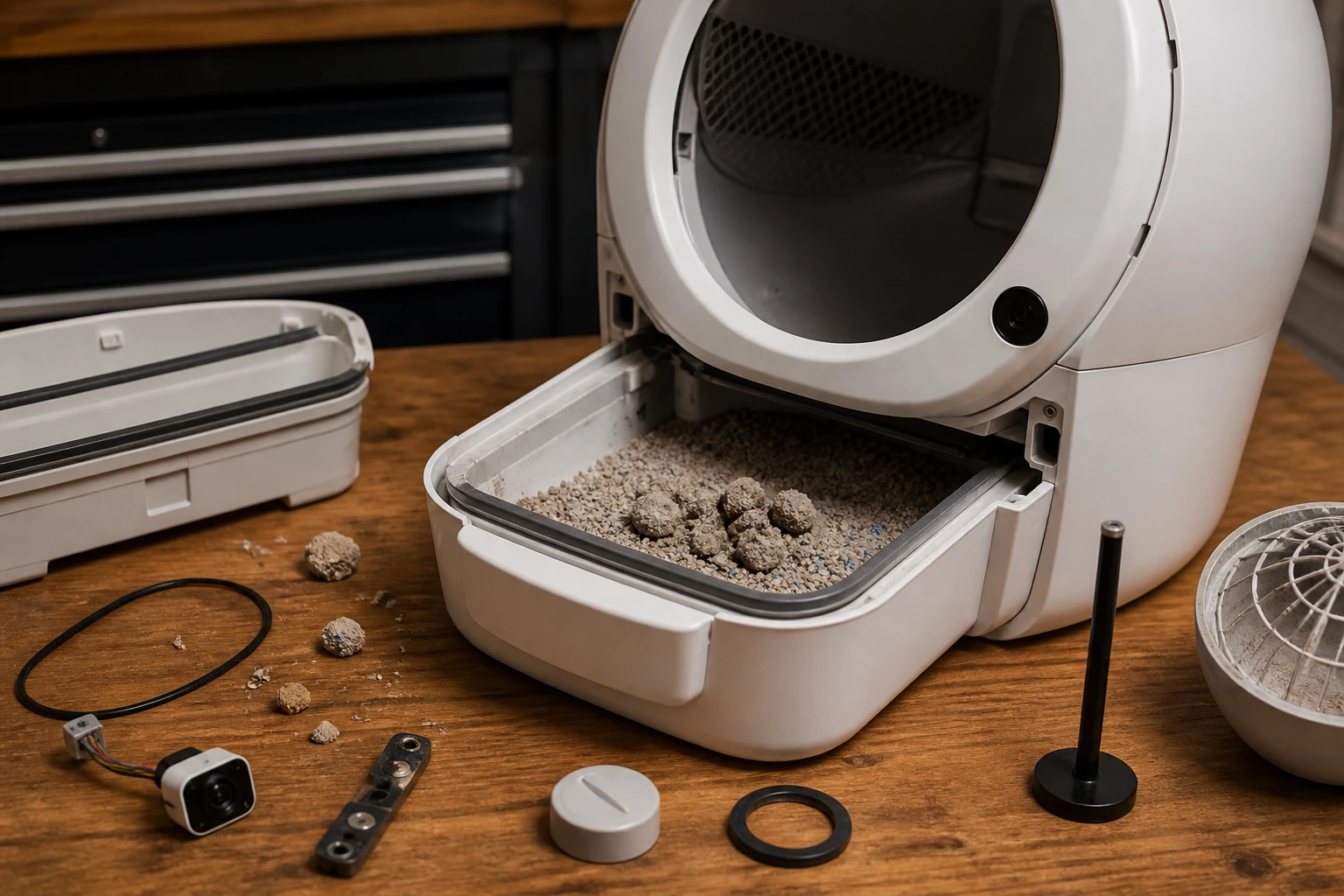
There is a rubber lip around the waste drawer whose whole job is holding the seal. It gets compressed over time, and urine residue builds on it and on the ledge where the globe meets the base.
A grimy or flattened lip leaks drawer air all day long. That is the sharp hit you get walking past a machine that just ran a clean cycle.
Wipe the lip and the ledge with a damp cloth and a little unscented dish soap. Check for cracks and flat spots. Whisker sells the replacement part if it is torn. Five minutes on a smell most owners assume they are stuck with.
Deep clean the globe
If a background smell hangs on no matter what you do, urine has soaked into the plastic and rubber inside the globe. Fresh litter sits on top of it and the smell walks straight back.

Once a month or two: dump the litter, take the globe off the base the way the manual says, and wash the inside with warm water and unscented dish soap. Rinse well, because leftover soap puts cats off the box. Let it dry all the way through before you refill, or your fresh litter clumps against damp plastic on day one.
Ready for a litter box you can't smell?
Free shipping. Never run out. Cancel anytime.
Send 3 bags every 3 months →Run a heavier unscented clumping litter
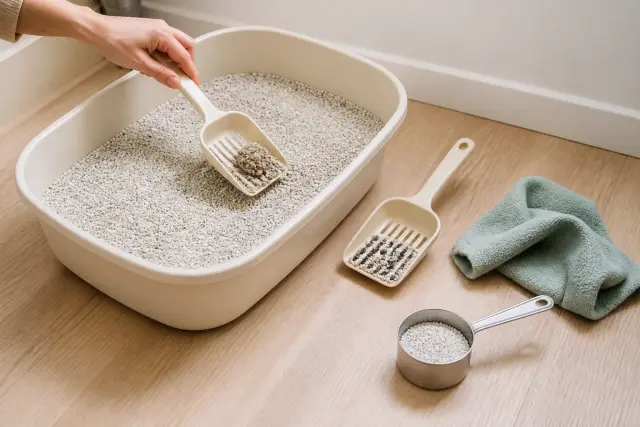
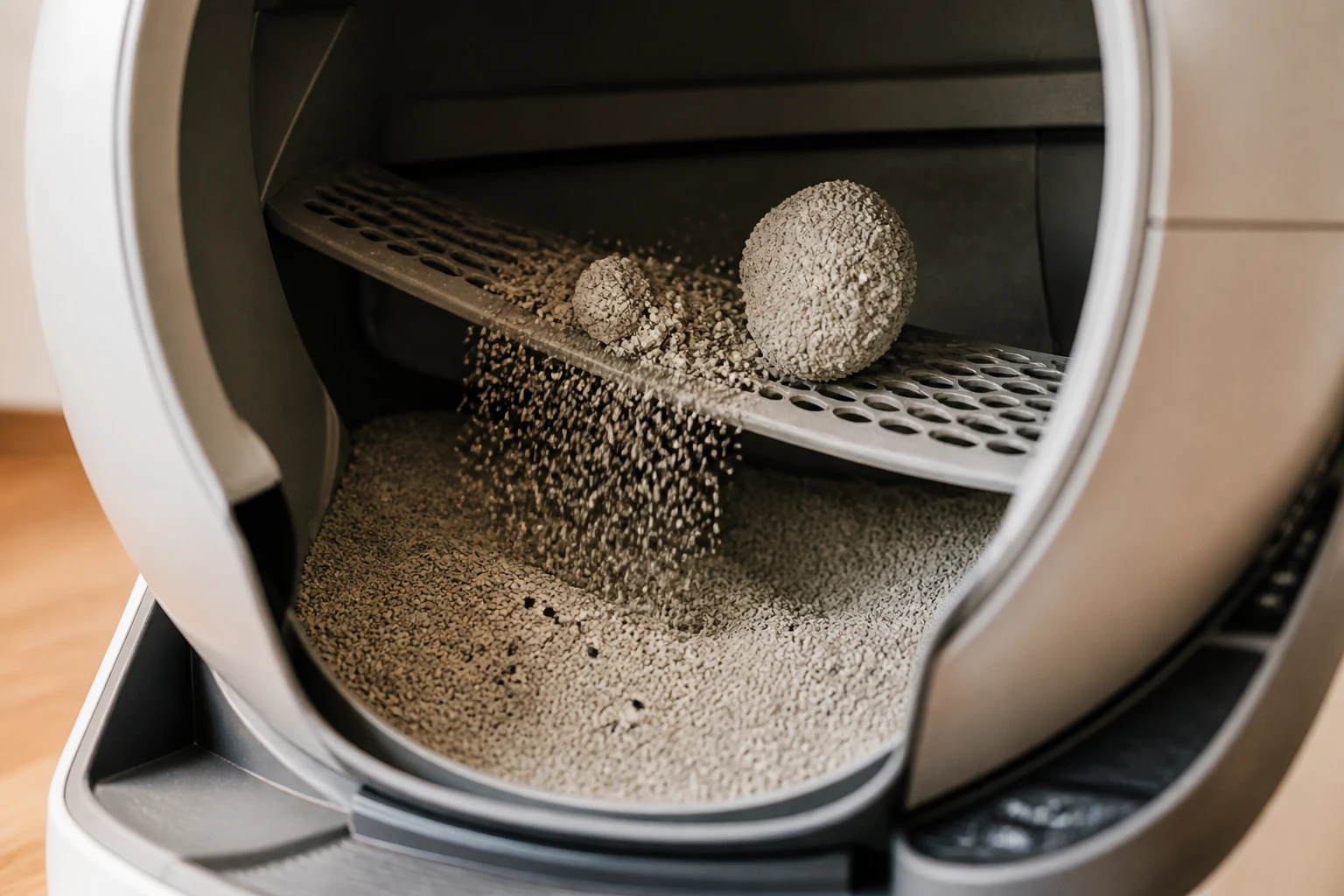
The machine only works if the clumps hold together while the globe turns. Light or crumbly litter breaks apart under that and leaves wet, smelly fines sitting in the bottom instead of dropping into the drawer.
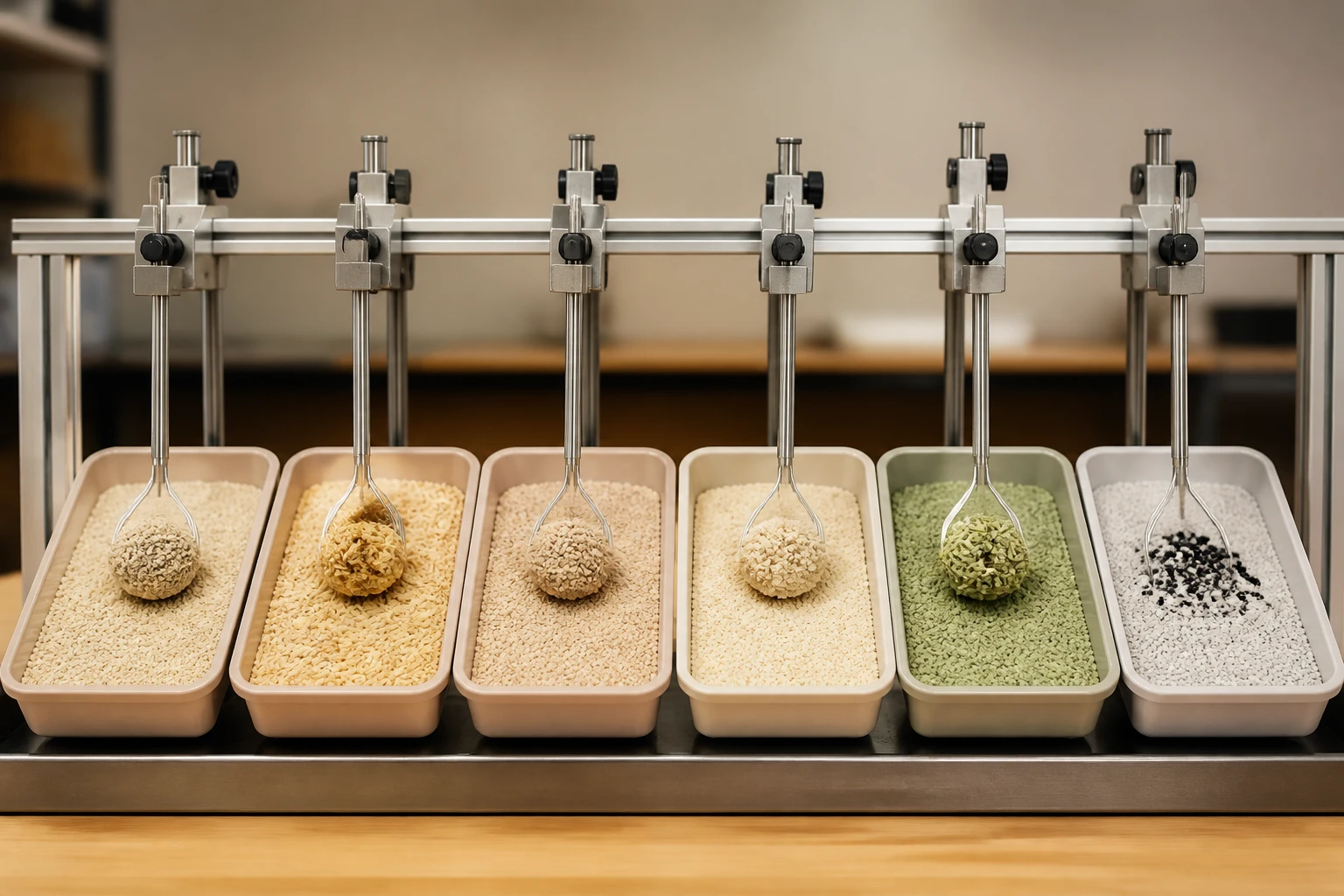
Use a heavier sodium bentonite clumping clay, or a good clumping tofu litter rated for automatic boxes. Our rundown of the best litter for Litter-Robot odor control covers which ones survive the rotation.
Skip anything scented. Fragrance does not touch ammonia, it just sits on top of it, and plenty of cats dislike it enough to go somewhere else. Unscented also lets you tell whether your odor control is working instead of guessing under a layer of perfume.
Move some air in that room
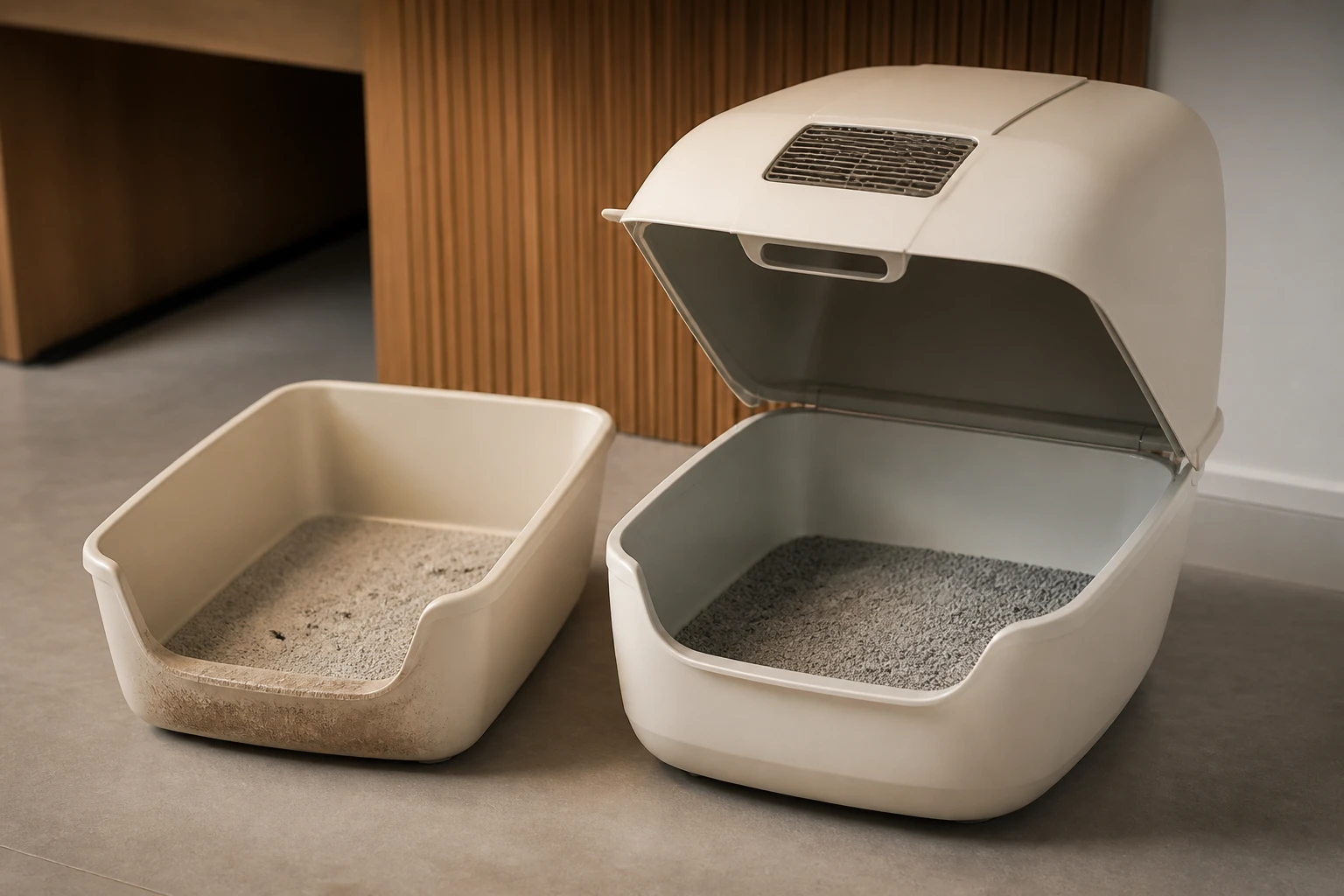
No box does well shoved in a sealed closet or a windowless bathroom, automatic or not. With no air movement, even a little escaped ammonia builds to something you notice. Give the machine a spot with a cracked window, a quiet exhaust fan, or just more open room. It will not rescue a dead filter or a full drawer. It does make every other source worse when you get it wrong.

Enzyme clean the base
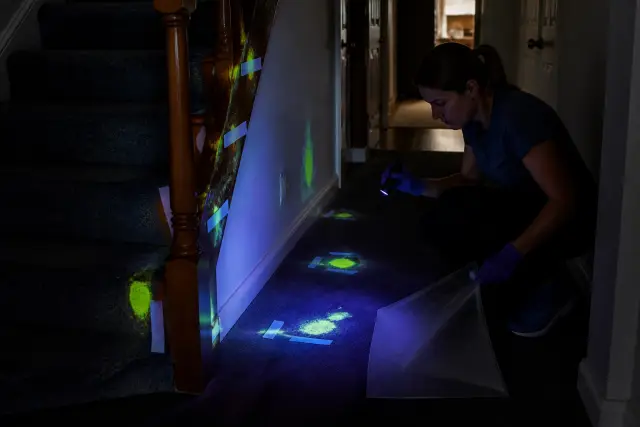
Sometimes the litter is innocent. If a cat has had an accident at the entry step, or urine has run down into the base, soap will not break it down and the smell keeps coming back.
Power down and unplug first. Wipe the base, the step and the seams with an enzyme cleaner, the same kind you would use on carpet, and let it dry fully before it goes back on. Keep liquid away from the motor and the electronics. Worth adding to the deep clean every couple of months.
What each fix actually fixes
Look down the last column. Everything above the bottom row treats the smell after it is already made.
| Fix | What it handles | Stops gas being made? |
|---|---|---|
| Empty the drawer early | Waste already sealed away | No |
| Fresh filter | Air leaving the drawer | No |
| Shorter cycle delay | Shortens the exposed minutes | Partly |
| Seal, globe, base cleaning | Old urine in plastic and rubber | No |
| Better litter, better airflow | Wet fines, stale air in the room | No |
| Activated carbon in the litter | Ammonia at the moment it is released | Yes |
Put activated carbon down in the litter itself
Here is the one the other eight cannot reach.
Think about where your filter sits. It is a sponge by the door, waiting for gas that already crossed the room. The gas starts the second your cat pees, out in the open litter, minutes before the globe turns and long before any drawer is sealed.

A sponge only works where the spill happens. So put it there.
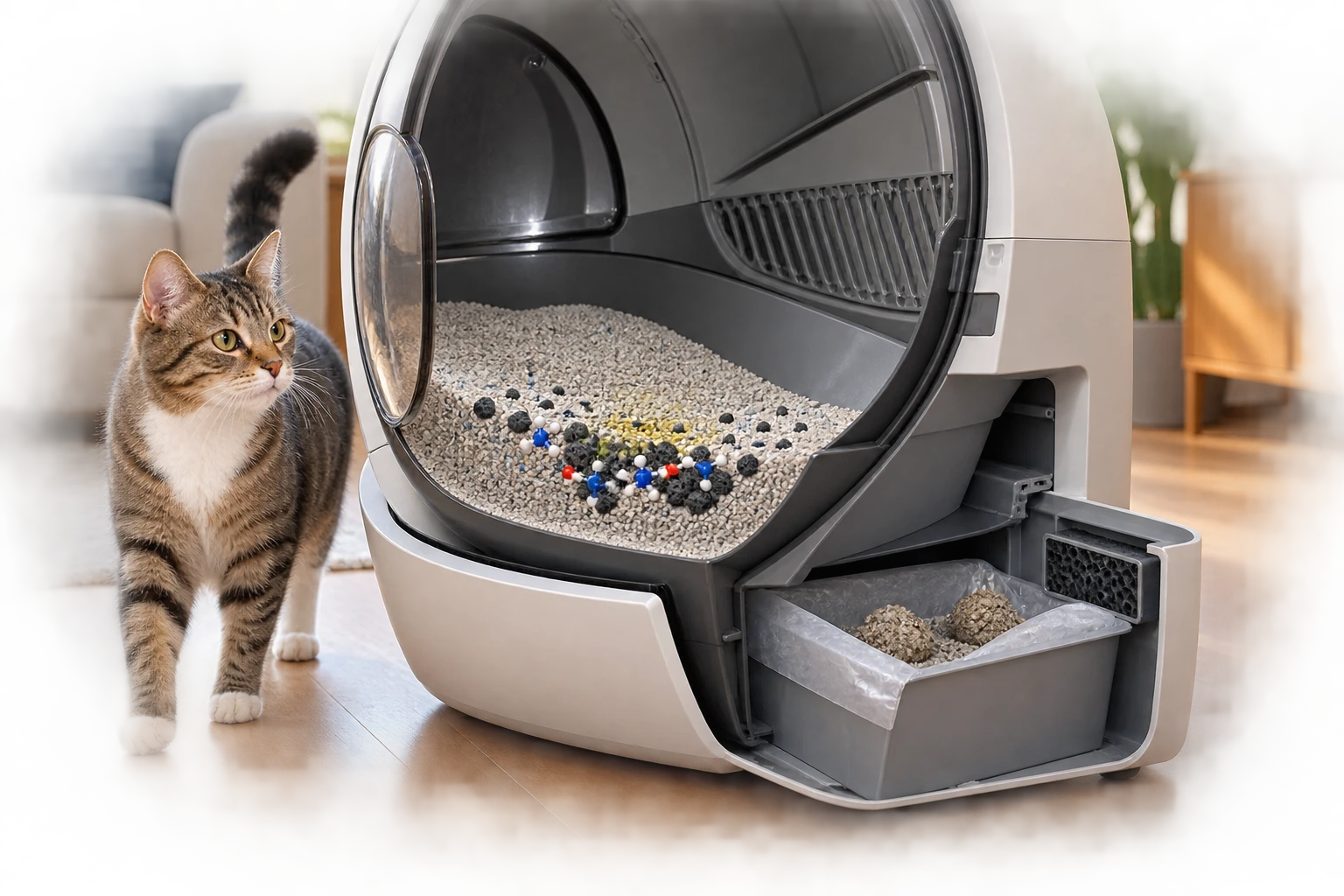
Activated carbon is the same material used in water filters, aquarium gear and hospital air systems. One gram of it holds an enormous internal surface, drilled through with microscopic pores. Ammonia molecules hit that surface and stick inside the pores. No fragrance, nothing to cover, nothing to wear off. Mixed through the litter bed, the granules are lying right where the urine lands, so the gas is caught in the litter instead of in your air.
They ride through the globe rotation with the clumping litter, so the machine keeps doing exactly what it did before. A cat litter deodorizer stirred into the bed is what keeps the drawer from turning into a sealed ammonia box in the first place.
How to use it in a Litter-Robot
Sprinkle, mix, top up when you smell it
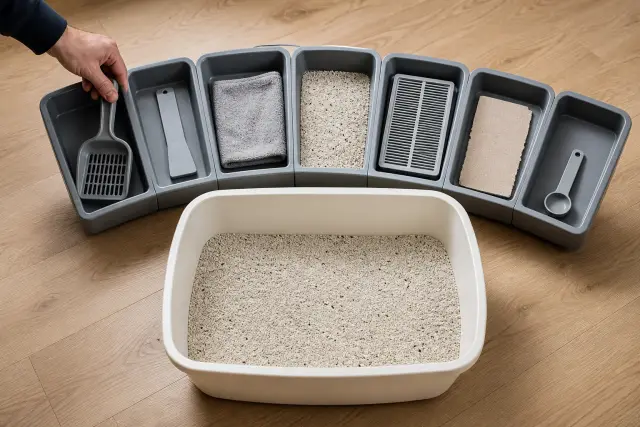
Use 2 to 3 tablespoons of Purrify granules per litter box. Sprinkle over fresh litter and mix gently so they spread through the bed. Top up whenever the box starts to smell again. No schedule, no measuring cup, no routine to remember.
The granules are heavy and clump-safe, so they travel with the litter through the rotation rather than drifting into the mechanism. The 15g trial is $4.76$7.99 total with no separate shipping charge, which makes it the cheapest thing on this entire list to try.
Under a microscope, the reason is dull and obvious. The granule is not a rock. It is a maze.

An ammonia molecule that drifts into one of those pores does not come back out. It is held there, physically, the way water is held in a sponge. That is the difference between trapping a smell and covering one, and it is why fragrance has never worked on a litter box for longer than an afternoon.
Do it once and you will notice the change where it counts: the moment you pull the drawer, and the moment somebody else walks through your door.
What to do tonight
- Empty the drawer, even if the light is off.
- Change the filter and put the next swap in your phone.
- Wipe the rubber lip and the ledge.
- Mix 2 to 3 tablespoons of activated carbon granules through the litter.
That is one evening. Then judge it with your own nose over the next week, at the two moments that actually matter: opening the drawer, and walking in from outside.
Purrify is rated 5.0 on Google, stocked in 40+ pet stores across Canada, and carries a 30-day money-back guarantee. If your room is no better, you get your money back and you have still got a cleaner machine out of it.
Ready for a litter box you can't smell?
Free shipping. Never run out. Cancel anytime.
Send 3 bags every 3 months →Why the baking soda in the corner is not doing it
Half the people reading this have a box of baking soda sitting somewhere near the machine. It is cheap, it is what our mothers used, and against litter box ammonia it is close to useless. Ammonia is alkaline. So is baking soda. There is not much of a reaction there to work with.

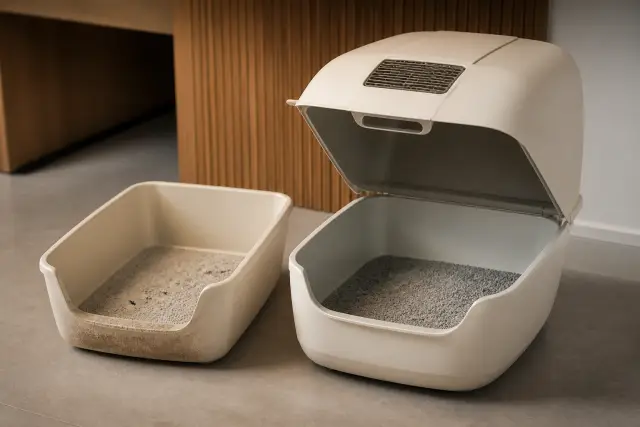
Look at the two side by side and the reason stops being chemistry and starts being obvious.
One is a solid surface. The other is riddled with pores that keep taking gas in long after a surface has stopped. And the fine loose stuff is exactly what Whisker asks you to keep out of the mechanism, which is the other reason the baking soda box should stay in the fridge.
Frequently Asked Questions
Why does my Litter-Robot smell worse than a regular box?
How often should I change the Litter-Robot carbon filter?
Can I put baking soda in a Litter-Robot?
What litter is best for a Litter-Robot?
How often should I empty the waste drawer?
Will activated carbon granules jam the machine or confuse the sensors?

Why does my automatic litter box still smell like ammonia right after a cycle?
Do I have to change my litter to use it?
Bottom line
The Litter-Robot solved the labour problem and it solved it beautifully. It was never built to win a fight with a gas that is released before it starts moving.
Empty early. Change the filter on a schedule. Shorten the delay. Clean the seal, the globe and the base. Run a heavier unscented litter in a room with some air. Then put activated carbon down in the litter so the ammonia never gets up to head height.
Do those and the machine finally smells as good as it scoops.
P.S. If you only do one thing this week, do the filter and the carbon together. The filter buys back the air leaving the drawer. The carbon takes the gas before it ever gets there. See the sizes and pick one →