Quick Answer
To rid your house of cat urine smell, do these three things:
- Find every spot with a UV blacklight (it glows yellow-green) and mark each one with painter's tape.
- Soak with an enzymatic cleaner, cover with plastic wrap, and wait 12-24 hours so the enzymes break down the uric acid crystals at the molecular level.
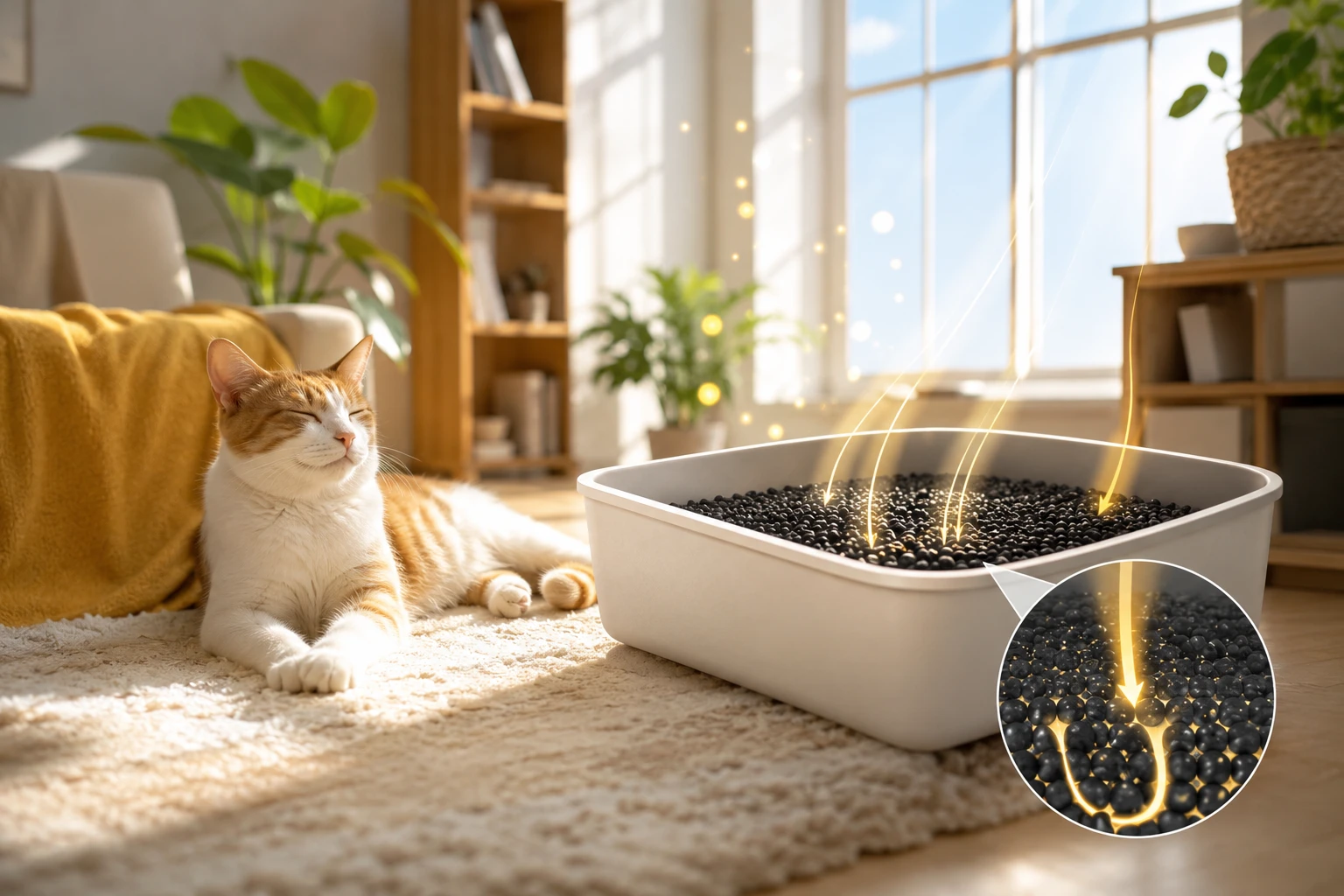
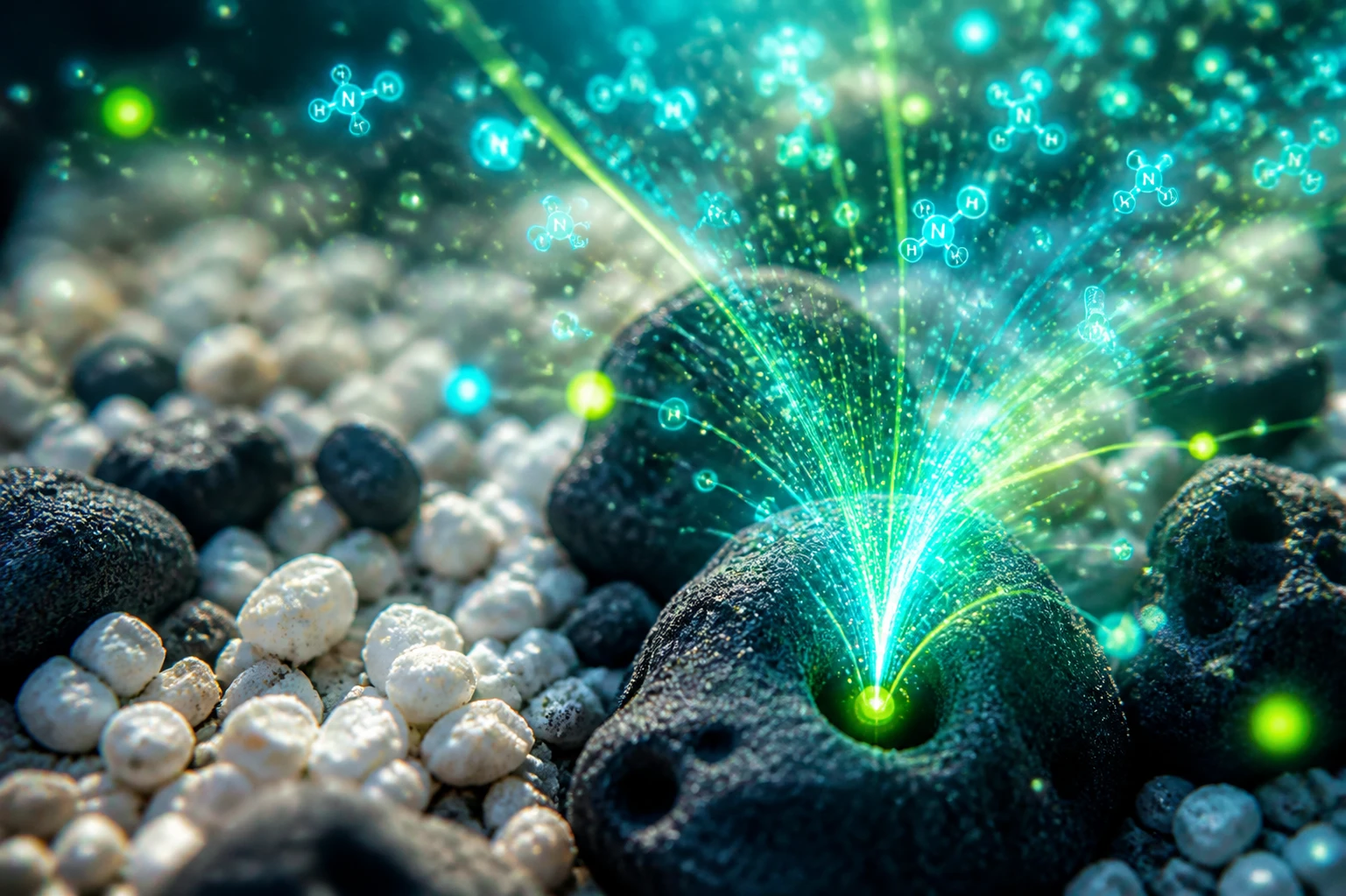
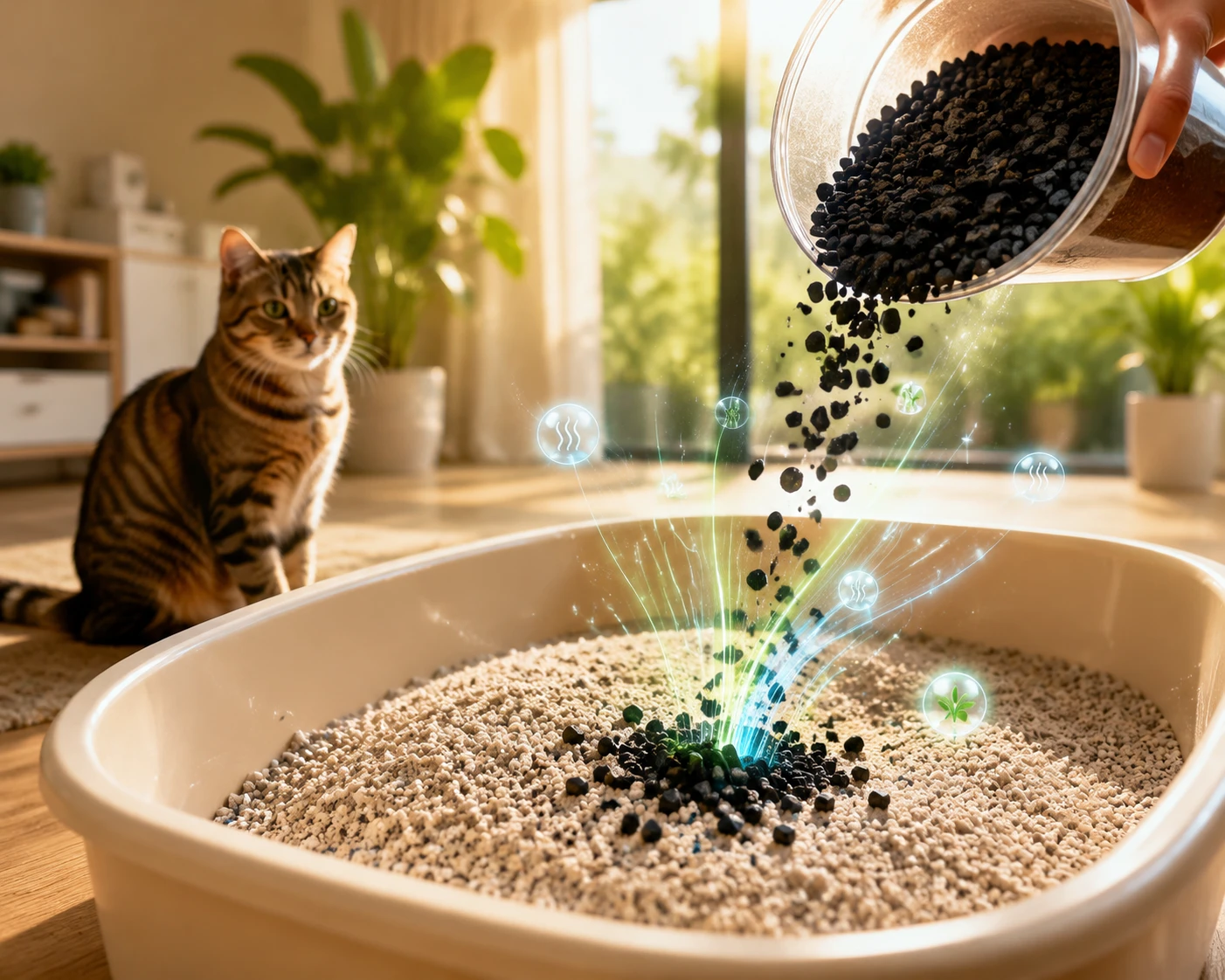
- Stop the source by adding activated carbon granules to the litter box - they trap ammonia and odour molecules before they ever reach the air.
Full step-by-step method, surface-by-surface guidance, and DIY home remedies below.
Why Is Cat Urine Odour So Hard to Get Out?
You mop it up. You spray it down. You light a candle. And two days later, the smell is back.
That's not your imagination - it's chemistry, and it's the reason you can't get rid of cat pee smell with ordinary cleaners. Cat urine contains uric acid, which forms microscopic crystals that bond to surfaces at the molecular level. Standard household cleaners break down the easy stuff (urea, urochrome), but they leave those uric acid crystals completely intact.
Here's the part nobody tells you: those crystals are dormant, not dead. Every time humidity rises - a rainy afternoon, a steamy shower - the crystals reactivate and release that unmistakable ammonia stench all over again. That's why the cat pee smell keeps coming back even after you've cleaned the spot three times.
The only way to permanently remove cat urine smell is to break down the uric acid crystals themselves. Everything else is temporary.
How Do You Remove Cat Urine Smell? The Step-by-Step Method
Forget the guesswork. If you want to get rid of cat pee smell permanently, follow these seven steps in order. Skip one and you'll be re-cleaning the same spot next week.
Step 1: Find Every Spot
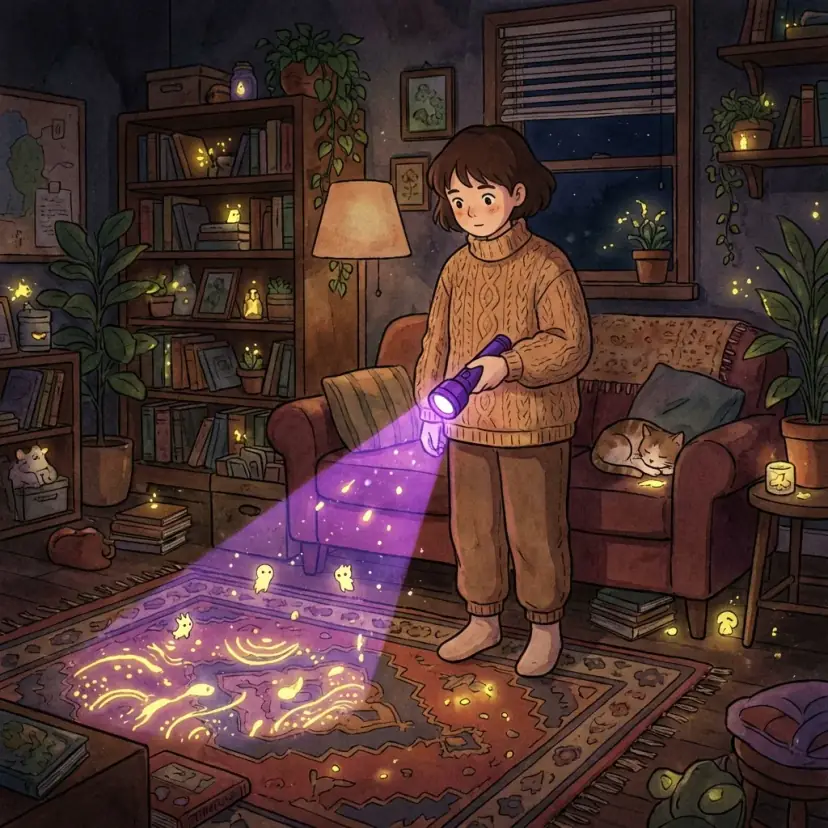
Buy a UV blacklight (under $15 at any hardware store). Turn off every light in the room and scan the floors, baseboards, and lower walls. Cat urine glows yellow-green under UV. Mark every spot you find with painter's tape. You'll almost certainly find stains you didn't know existed.
Step 2: Blot - Never Rub
If the stain is fresh, press paper towels firmly into it. Apply pressure with your foot if needed. Rubbing pushes urine deeper into fibres and spreads it wider. Blot until no more moisture transfers.
Step 3: Rinse with Cold Water
Pour a small amount of cold water over the stain and blot again. Cold water dilutes uric acid without setting it the way hot water does. Never use warm or hot water on cat urine - heat bonds the proteins to fibres permanently.
Step 4: Soak with Enzymatic Cleaner
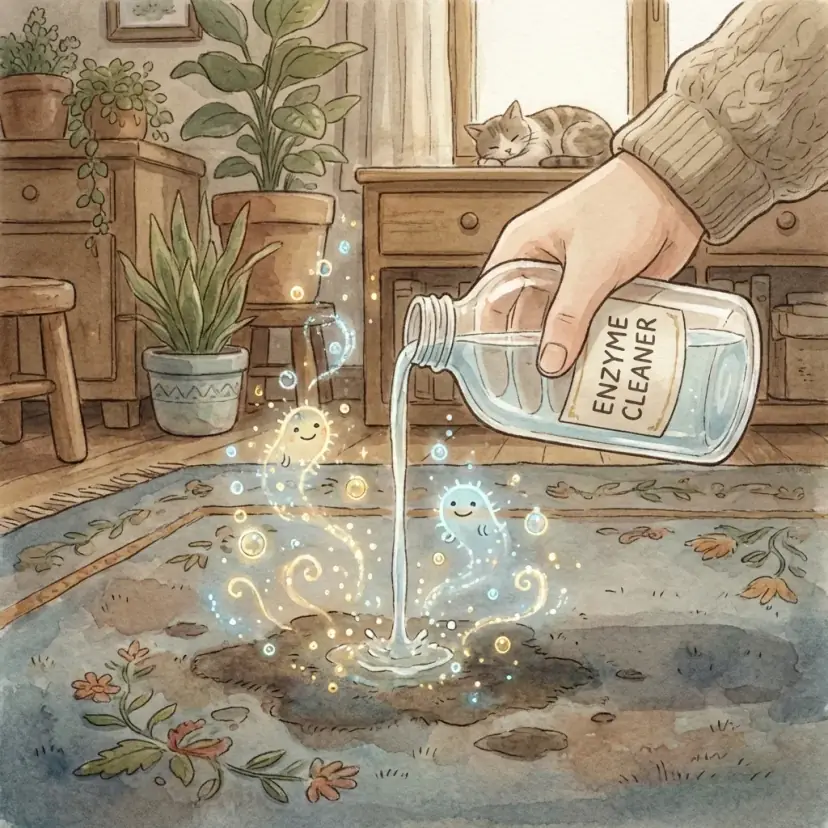
This is the step that actually works. Enzymatic cleaners contain bacteria that produce enzymes to break down uric acid crystals at the molecular level. Spray isn't enough - you need to soak the area so the enzymes reach as deep as the urine went. On carpet, that means saturating through to the pad.
Step 5: Cover and Wait
Lay plastic wrap over the treated area. The enzymes need moisture and time to work - 12 to 24 hours minimum. The plastic keeps the surface wet so the enzymes stay active. Don't rush this.
Step 6: Extract and Dry
Remove the plastic. If you have a wet/dry vacuum, extract the remaining moisture. If not, blot thoroughly with clean towels, then point a fan at the spot for 24 hours. Complete drying prevents mould.
Step 7: Verify with Blacklight
After the area is fully dry, scan it again with your UV light. If you still see a glow, repeat steps 4 through 6. Old or deep stains often need two to three rounds before the uric acid is fully broken down.
Choosing the Right Cat Urine Cleaner and Odour Remover
Not all cleaners are created equal. The only type that permanently eliminates cat urine odour is an enzymatic cleaner - one that contains live bacteria cultures that digest uric acid.
Two Things to Never Use
- Ammonia-based cleaners: Cat urine already contains ammonia. Using an ammonia cleaner signals to your cat that the spot is a bathroom - they'll come back and pee there again.
- Bleach: Bleach reacts with ammonia in cat urine to produce toxic chloramine gas. It's dangerous to breathe and it doesn't break down uric acid anyway.
When shopping for a cat urine odour remover, look for "enzymatic" or "bio-enzymatic" on the label. Skip anything that lists fragrance as a primary ingredient - it's masking, not cleaning. A good cat urine cleaner should have little to no scent of its own.
Old Cat Urine Odour Removal: Home Remedies That Actually Work
Found a stain that's been there for months? Here's the DIY approach that works on surface-level old cat urine - no specialty products required.
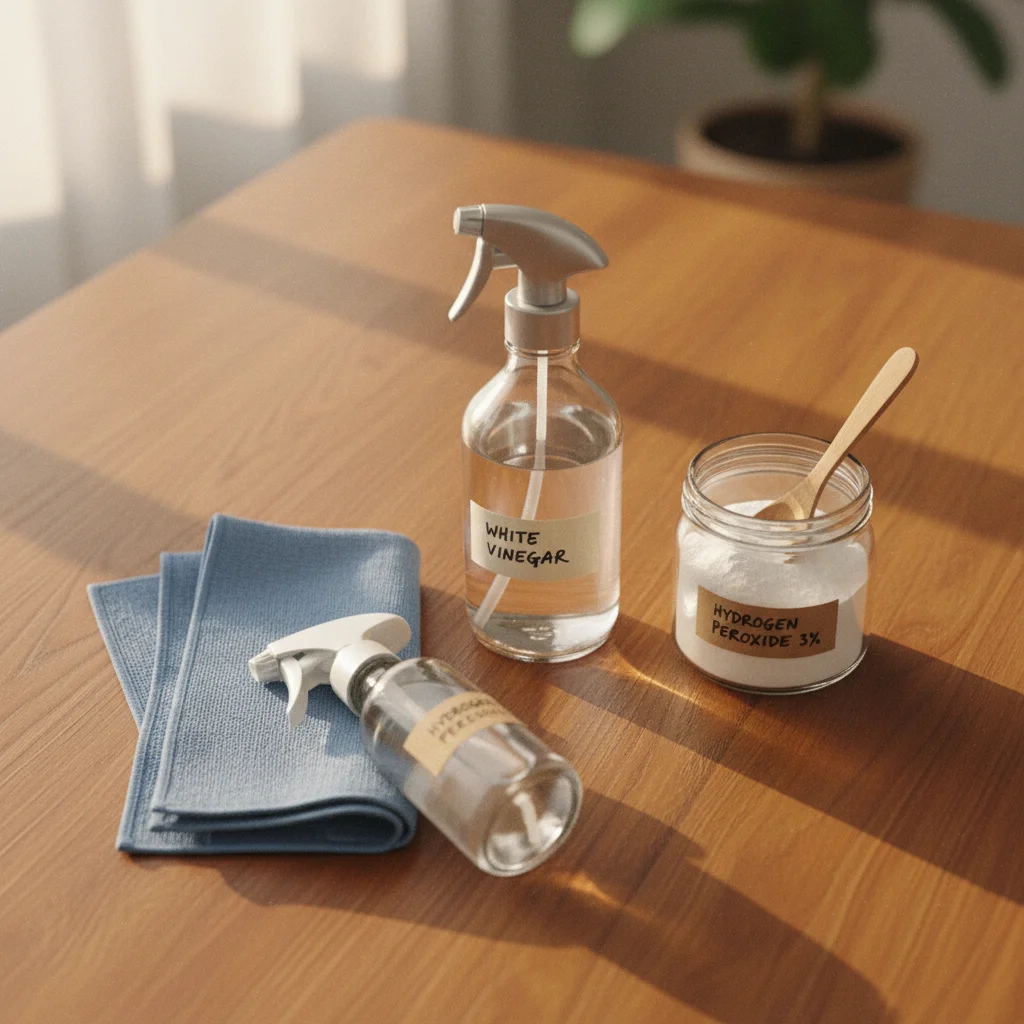
- Saturate with white vinegar. Pour undiluted white vinegar over the stain. Vinegar neutralises the ammonia component and starts breaking down urea. Let it soak for 10 minutes, then blot dry.
- Cover with baking soda. Sprinkle a generous layer of baking soda over the damp area. It absorbs residual moisture and odour as it dries.
- Spray with peroxide mix. Combine 250 mL hydrogen peroxide (3%) with a teaspoon of dish soap in a spray bottle. Mist over the baking soda until it starts fizzing. Let the mixture sit until fully dry.
- Vacuum thoroughly. Once everything is bone-dry, vacuum up the baking soda residue.
An honest note: This home remedy works well on surface stains and recent set-in spots. But if cat urine has soaked through carpet padding, into subfloor wood, or saturated upholstery foam - you need enzymatic treatment or professional extraction. Vinegar and baking soda can't reach that deep. For a deeper comparison of baking soda versus activated carbon for odour control, we break down why one lasts days and the other lasts hours.
Ready for a litter box you can't smell?
Free shipping. Never run out. Cancel anytime.
Start autoship →How to Get Cat Pee Smell Out of Specific Surfaces
Different materials trap cat urine differently. Here's how to get cat urine smell out of the three most common problem surfaces.
Each of these has its own full guide if you want the step by step: getting cat pee out of carpet and the padding, getting cat pee smell out of a couch, and getting cat pee smell out of clothes and bedding.
Carpet and Padding
Carpet is the most common - and most frustrating - surface to clean. If you need to get rid of cat urine odour in carpet, understand this: the fibres you see are only half the problem. Cat urine wicks straight through to the carpet pad underneath, and that's where the real smell lives.
For fresh stains, follow the 7-step method above and make sure you saturate the pad. For old or repeat-offender spots, you may need to pull back the carpet, cut out the affected pad section, and seal the subfloor with a shellac-based primer before replacing the pad and re-stretching the carpet. It sounds extreme, but it's the only permanent fix when urine has crystallised in the pad. Use a dedicated cat pee cleaner formulated for carpet - general-purpose cleaners lack the enzyme concentration needed to penetrate pad saturation.
Furniture and Upholstery
How do you get cat pee smell out of furniture? It requires reaching the foam inside cushions, not just treating the fabric surface. Inject enzymatic cleaner directly into the cushion using a syringe or squeeze bottle, then press down to distribute. Wrap the cushion in plastic and leave for 24 hours.
Always test enzymatic cleaner on a hidden spot first - some fabrics discolour. Microfibre and cotton are generally fine. Silk, velvet, and leather need professional treatment.
Hardwood, Laminate, and Concrete
Hard surfaces seem like they'd be easy to clean. But cat urine seeps into wood grain, grout lines, and concrete pores. On hardwood, if the finish is intact, enzyme cleaner and thorough drying usually work. If urine has penetrated the wood (you'll see dark staining), sand the area and refinish.
For concrete - common in basements and garages - scrub with enzyme cleaner, let it sit for 24 hours, then seal with a concrete sealer to lock in any residual odour. Unsealed concrete is like a sponge for cat urine.
How to Remove Cat Spray Smell (Marking vs. Peeing)
Cat spray and cat pee are the same liquid - but the cleanup is different because spray hits vertical surfaces. Knowing how to get rid of cat spray odor specifically makes the difference between a permanent fix and a recurring problem. Walls, baseboards, door frames, furniture legs. It runs down and pools at the bottom edge, soaking into drywall and trim.
To get rid of cat spray odour, apply enzymatic cleaner from the top of the spray pattern downward. On painted drywall, soak a cloth in enzyme cleaner and tape it to the wall for several hours. On baseboards, remove them if possible and clean both sides - urine often runs behind the trim.
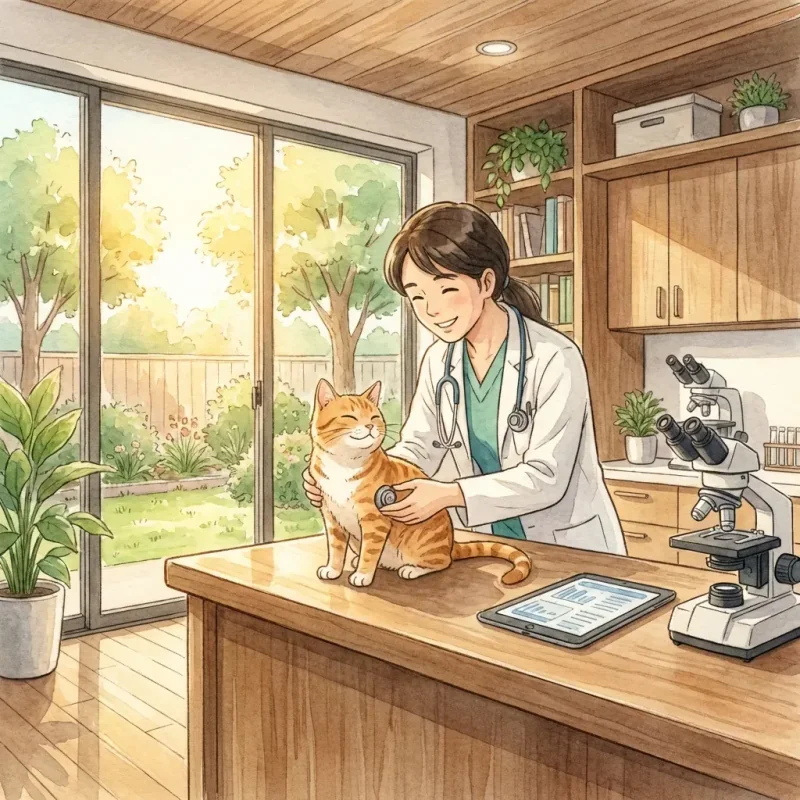
Spraying is usually territorial or stress-related (especially in intact males). If your cat suddenly starts spraying, it may signal a urinary tract infection or anxiety. A quick vet visit can rule out medical causes and save you weeks of cleanup. For more on diagnosing persistent house odours and nose blindness, see our companion guide.
Stop the Smell at the Source: The Litter Box Solution
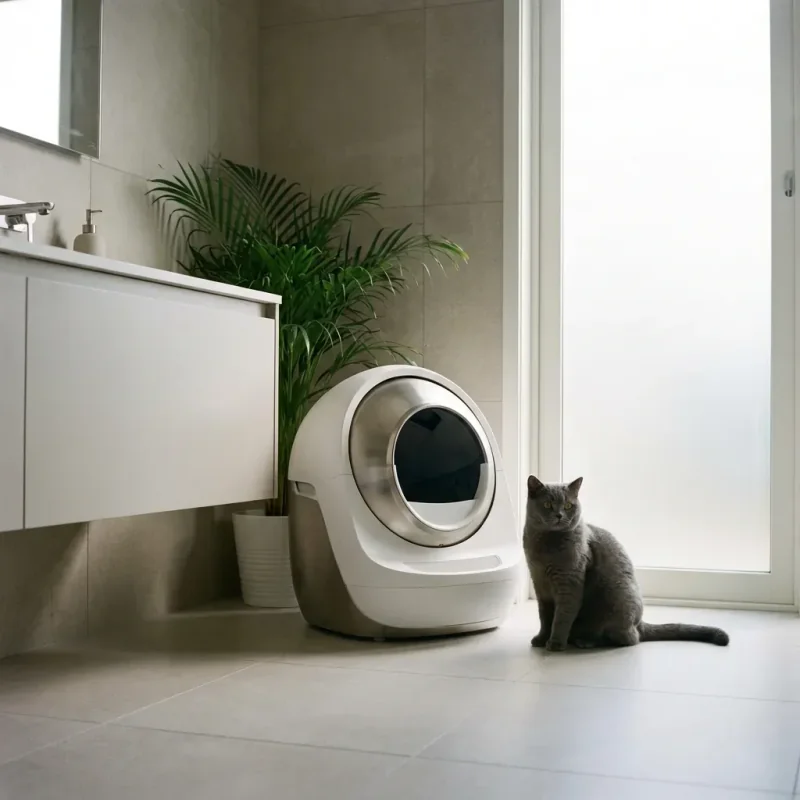
You've cleaned the accidents. The stains are treated. The enzyme cleaner did its job. But here's what most guides won't tell you: the biggest source of ambient cat urine smell in most homes isn't a hidden stain - it's the litter box itself.
Even with daily scooping, ammonia gas escapes from the litter surface every time your cat uses the box. It drifts through the house, settles into fabrics, and creates that low-level "cat house" odour that you stop noticing but your guests definitely don't.
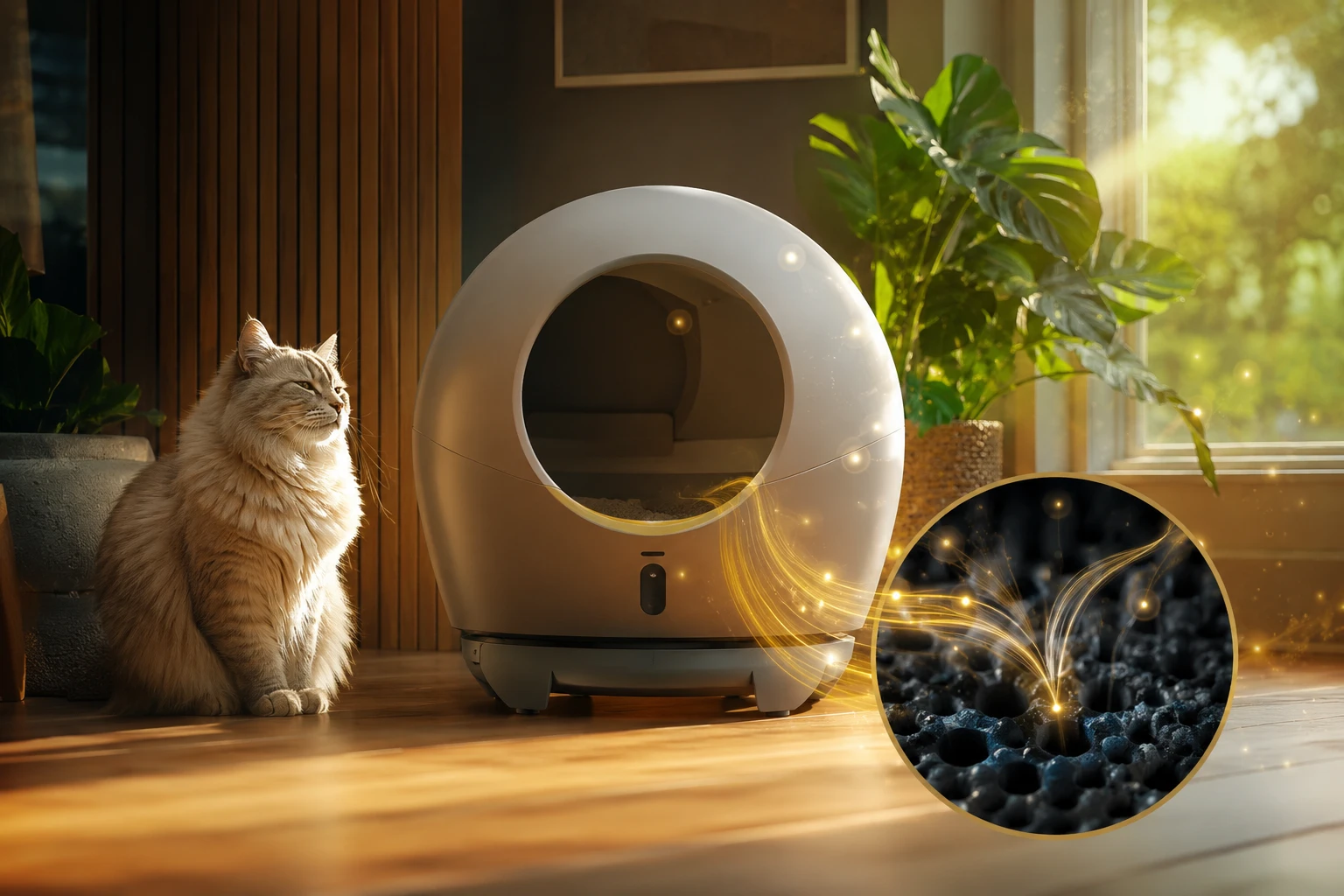
The fix isn't air fresheners (masking) or scented litter (your cat hates it). It's activated carbon - the same material used in municipal water treatment plants and hospital air filtration systems. One gram of activated carbon has the surface area of a football field, filled with microscopic tunnels that trap odour molecules on contact before they ever reach the air. Learn more about how ammonia builds up in litter and how to neutralise it.
Prevent the Smell Before It Starts
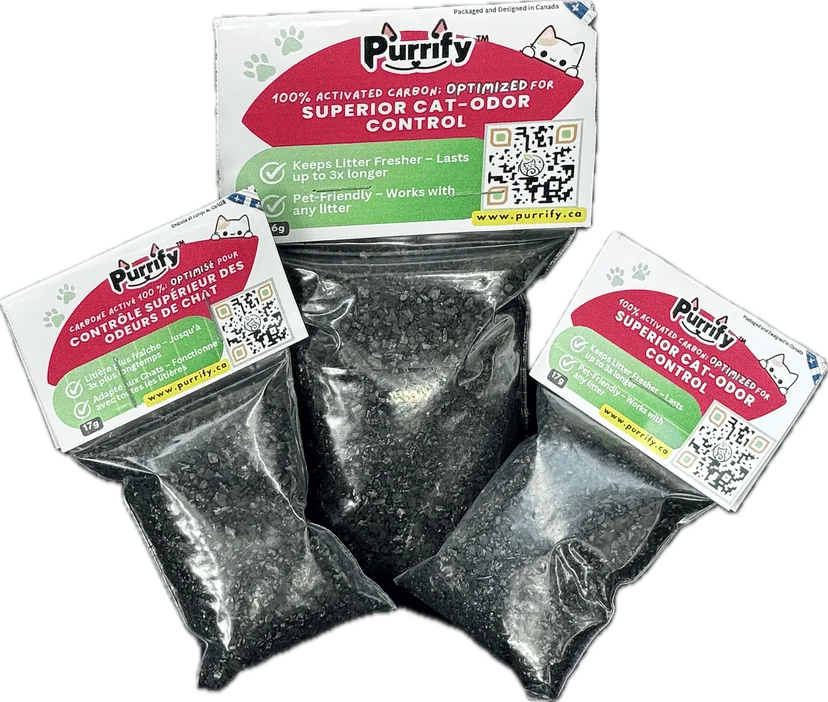
Purrify is made from coconut shell activated carbon - 100% natural, fragrance-free, and compatible with any litter your cat already loves. Just sprinkle it on top. The carbon traps ammonia and odour molecules at the source, so they never reach the air. No perfumes. No chemicals. No more "cat house" smell.
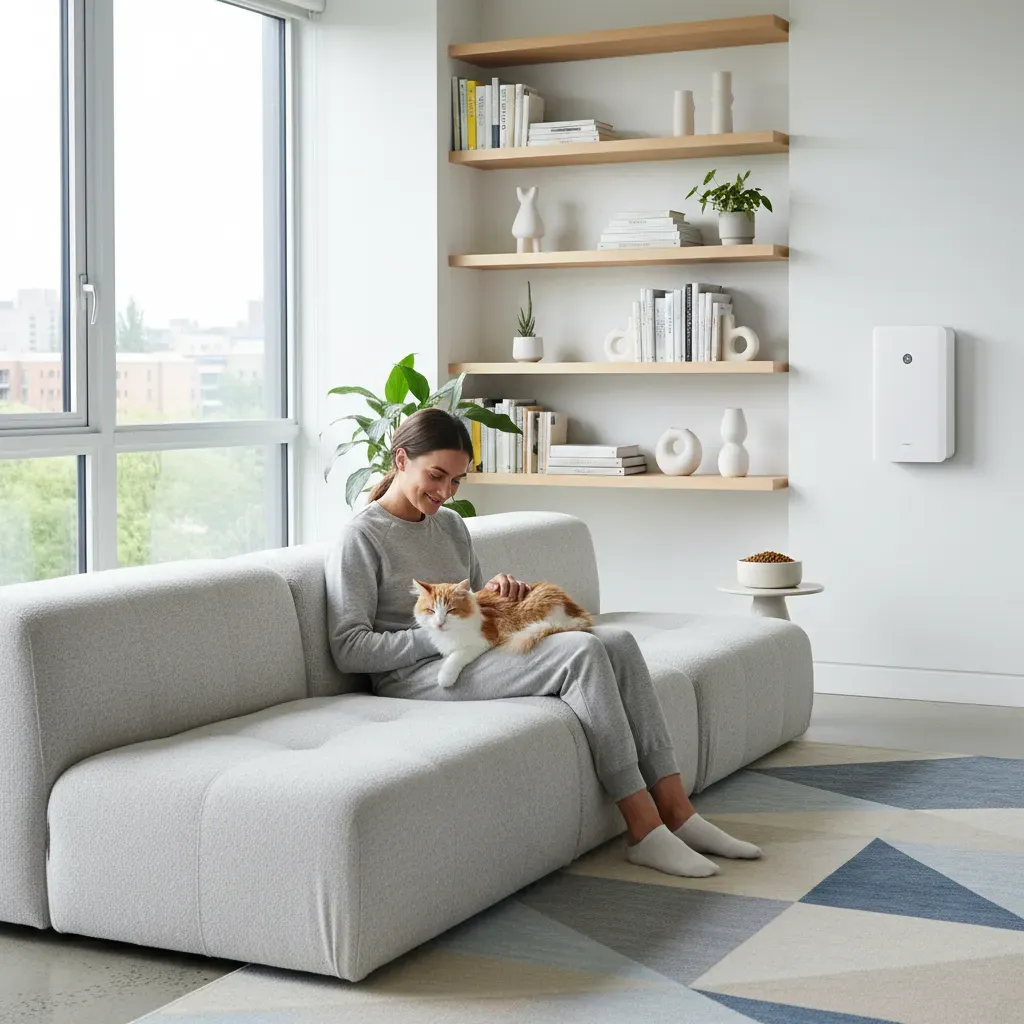
It's the same filtration-grade material inside premium home air purifiers - now working directly where the odour starts.
Shop cat litter deodorizer sizes →Renting instead of owning? Our apartment-specific cat pee removal guide covers security deposits, landlord communication, and small-space ventilation.
Frequently Asked Questions
Will vinegar permanently eliminate cat urine smell?
Partially. Vinegar neutralises the ammonia component and breaks down urea, but it cannot fully dissolve uric acid crystals. For fresh, surface-level stains, vinegar may be enough. For old or deep stains, you need enzymatic cleaner to break down the crystals that cause recurring odour.
How long does cat urine smell last in a house?
Untreated cat urine can smell for years. Uric acid crystals are stable and reactivate with humidity indefinitely. With proper enzymatic treatment, most stains are odour-free within 48 to 72 hours. Deep carpet pad saturation may take multiple treatments over one to two weeks.
Why does cat pee smell come back after cleaning?
Because most cleaners only remove the surface-level compounds (urea, urochrome) while leaving uric acid crystals intact below the surface. When humidity rises, those crystals rehydrate and release ammonia again. Enzymatic cleaners are the only type that breaks down these crystals permanently.
What is the best cat urine odour remover for old stains?
A bio-enzymatic cleaner designed for pet urine. For old stains, apply generously enough to saturate through to the pad or subfloor, cover with plastic wrap for 24 hours, then extract and dry. You may need two to three applications for stains that are months or years old.
Can you get rid of cat urine smell in carpet without replacing it?
Usually, yes - if the padding hasn't been repeatedly saturated. Enzymatic cleaner applied through to the pad handles most single-incident stains. However, if the same spot has been used multiple times over months, you may need to replace the carpet pad section and seal the subfloor before the smell is truly gone.
Does baking soda remove cat pee smell?
Baking soda absorbs surface-level odour temporarily, but it cannot break down uric acid crystals. Think of it as a deodoriser, not a remover. It's useful as part of a multi-step home remedy (vinegar → baking soda → peroxide), but on its own, the smell will return within days.
How do you find hidden cat urine spots?
A UV blacklight is the most reliable method. Turn off all lights and scan floors, baseboards, walls (especially corners), and the backs/undersides of furniture. Cat urine glows yellow-green under UV. Check behind litter boxes, under beds, and along wall edges - cats favour hidden spots.
How can I get rid of cat urine smell throughout my entire house?
Start by finding all urine spots with a UV blacklight - most homes have hidden stains. Then use the enzymatic cleaner method on each spot: blot, soak, cover overnight, extract, and dry completely. For the ambient "cat house" smell coming from the litter box itself, activated carbon granules trap ammonia at the source before it reaches the air. Tackle both stains and the litter box together for a complete reset.
When should cat urine accidents prompt a vet visit?
If your cat suddenly starts urinating outside the litter box, spraying, or producing unusually strong-smelling urine, schedule a vet appointment. Sudden changes in urination behaviour can signal urinary tract infections, kidney issues, or diabetes. Don't assume it's behavioural - rule out medical causes first.

The Bottom Line
Getting rid of cat urine smell in your house comes down to two things: breaking down what's already there with enzymatic cleaners, and preventing new odour from escaping the litter box with activated carbon.
The cleanup is work. There's no shortcut around the chemistry. But the method in this guide - find, blot, enzyme, cover, extract, verify - works on every surface and every stain age. Follow it systematically and you'll eliminate cat pee smell for good - your house will smell like a house again, not a litter box. By eliminating cat urine at the molecular level and preventing new odour at the litter box, you break the cycle permanently.
And once you've done the hard part, keeping it fresh with a fragrance-free deodoriser is the easy part.
Purrify is a Canadian company specializing in activated carbon litter additives. We're cat parents who got nerdy about odour science. This article is for informational purposes - always consult your veterinarian for specific health concerns about your cat.